High-performance implants engineered for complex trauma reconstruction and degenerative spinal fusion cases.
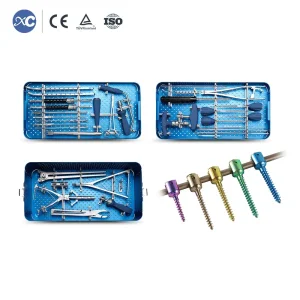
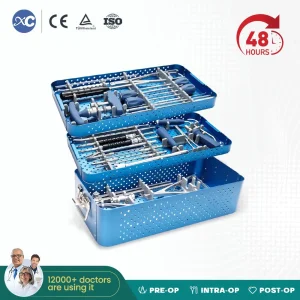
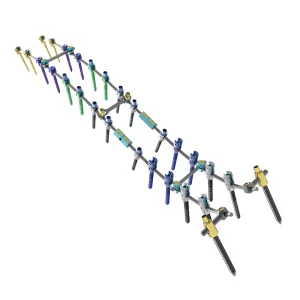
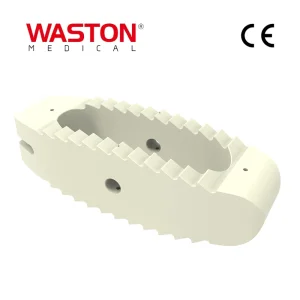
In the evolving landscape of global orthopedics, the demand for highly reliable, biocompatible implant systems has shifted dramatically. Developing medical economies, particularly the Democratic Republic of the Congo (DR Congo), present unique logistical, anatomical, and economic paradigms. As a leading manufacturer of spinal fixation hardware, we recognize that supplying pedicle screw systems to markets like Kinshasa, Lubumbashi, and Goma requires more than just high-quality titanium. It requires a profound understanding of local clinical hurdles, supply chain vulnerability, and the critical importance of surgical instrument durability.
The Democratic Republic of the Congo is experiencing a period of healthcare modernization, driven by both public initiative and private hospital investments. In major centers such as the Cliniques Universitaires de Kinshasa and specialized neurological clinics, orthopedic surgeons are performing increasingly complex spinal stabilization procedures. The surgical load is predominantly driven by two distinct etiologies:
However, the environment presents structural challenges. Healthcare facilities frequently contend with intermittent electricity supply, limitations in autoclave turnover speed, and long procurement cycles. Consequently, the medical sector is increasingly prioritizing pre-sterilized, single-use disposable pedicle screw kits. These systems guarantee sterile integrity and eliminate the reliance on continuous hospital sterilization infrastructure.
For global procurement managers, non-governmental organizations (NGOs), and ministries of health operating within Africa, the choice of a medical device supplier hinges on three pillars: CE & FDA regulatory compliance, mechanical reliability, and unit economics. The global orthopedics market has evolved past the era of low-cost, unverified alternatives. Today, purchasing directors realize that failures in implant threads, poor surface finish, or inaccurate instrument tolerances lead to catastrophic clinical outcomes and astronomical secondary surgery costs.
Our manufacturing philosophy addresses this by maintaining a strict, non-negotiable adherence to international standards. By utilizing bio-grade titanium alloys (Ti-6Al-4V ELI) and Cobalt-Chromium-Molybdenum (CoCrMo), our implants deliver the precise biomechanical properties needed: exceptional fatigue strength, low modulus of elasticity to minimize stress-shielding, and superior biocompatibility to foster bone osseointegration.
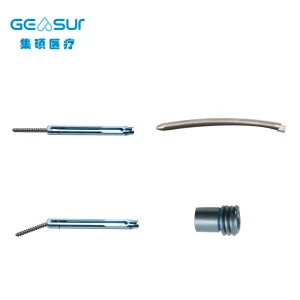
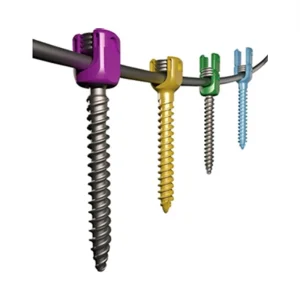
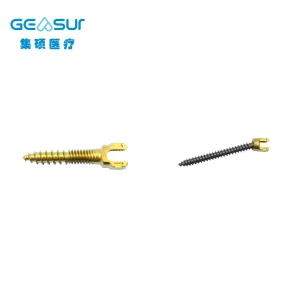
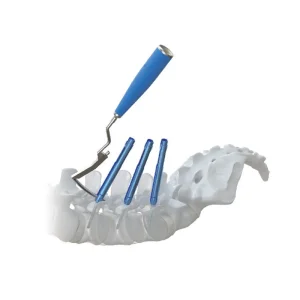
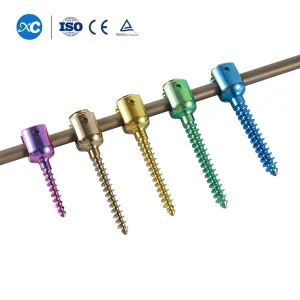
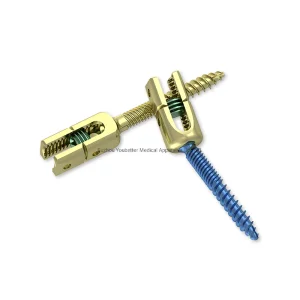
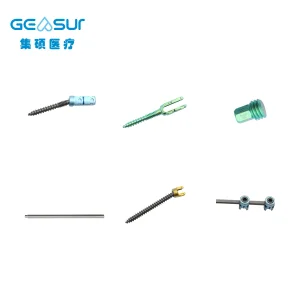
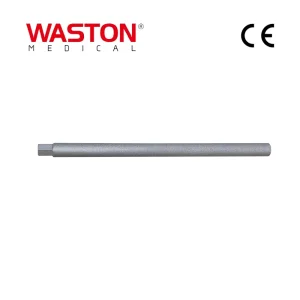
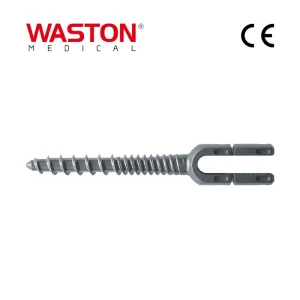
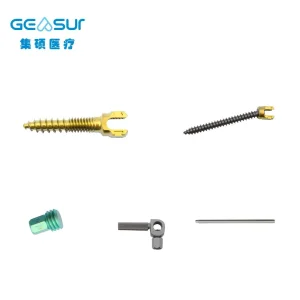
In rural and peri-urban hospitals across the DRC, the typical operating room environment differs greatly from Western tertiary hospitals. Surgeons often work without real-time intraoperative CT navigation or high-end C-arm fluoroscopy. In these environments, the intuitive design of the instrument set is just as critical as the screw itself. Our polyaxial pedicle screw systems feature self-tapping tips and high friction heads, allowing for easier insertion and correction in low-visibility or manual-guided procedures. Furthermore, the inclusion of robust domino connectors, crosslinks, and self-breaking locking caps minimizes surgical time, directly reducing the patient's exposure to infection risk in the operating room.
Every batch of titanium spinal implants undergoes strict fatigue and static mechanical testing to meet and exceed ISO 13485 standards before leaving our facility.
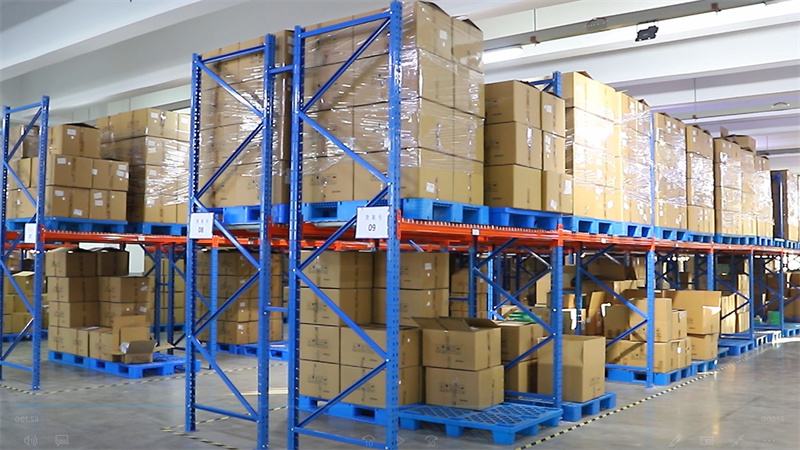
Our direct shipping channels and optimized export logistics guarantee stable supply lines straight to African entry ports like Matadi and Mombasa.
We provide tailormade product development services, altering screw dimensions, thread patterns, and instrument ergonomic configurations to match clinical preferences.
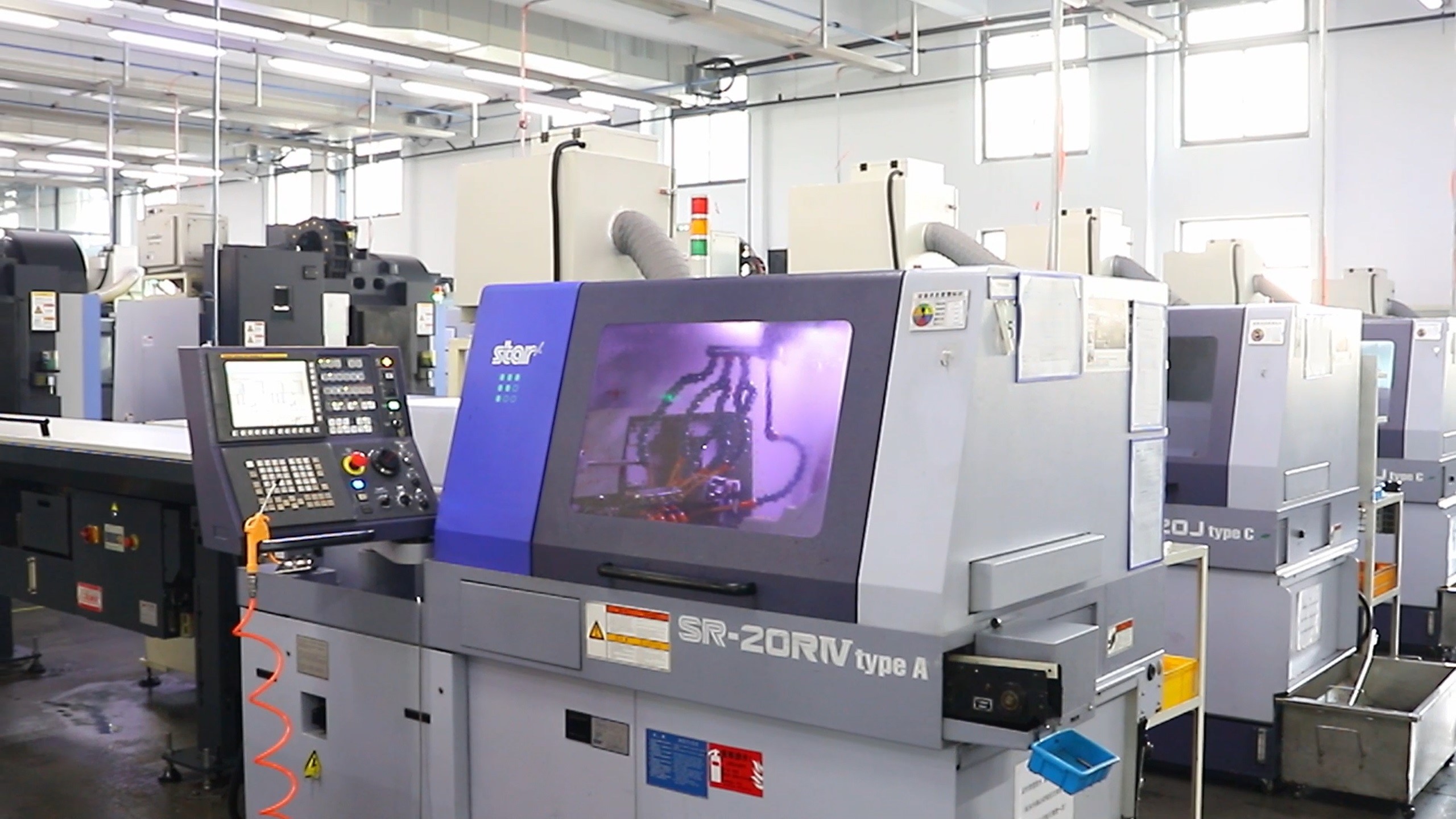
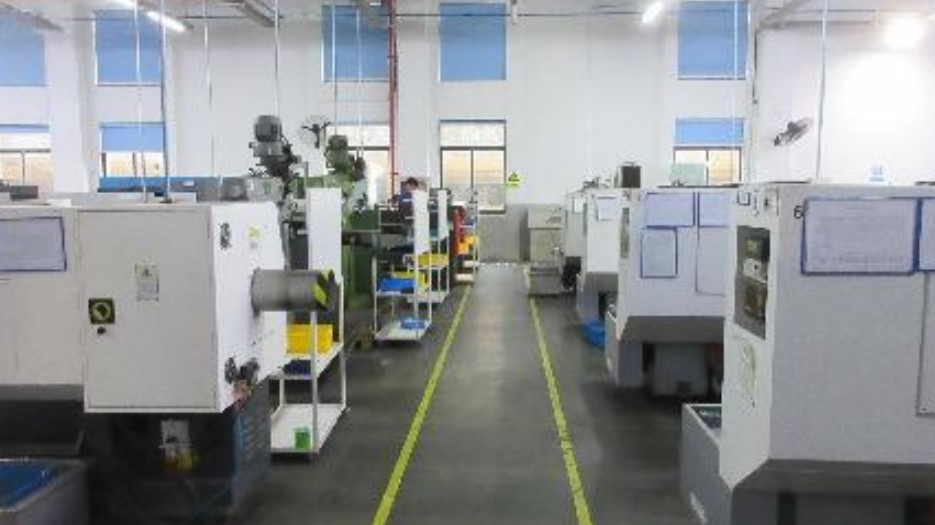
Modern spinal implant production has advanced far beyond traditional machining. To produce screws with microscopic accuracy and perfect thread pitch consistency, our manufacturing facility relies on advanced automated processes, often referred to as Factory 4.0. We utilize multi-axis CNC carving machines and digital control lathes to eliminate human variation during production. This ensures that every single pedicle screw exhibits the exact dimensions intended by our design team.
Our manufacturing philosophy places quality and integrity first, striving for excellence and pursuing the highest standards. A professional R&D team and long-term technical exchanges with leading hospital experts ensure that our products function to their fullest potential. Our factory has passed ISO 9001 and ISO 13485 certifications. Our products exceed all international quality and safety standards, including CE and FDA certifications. For many years, our products have been exported to more than 70 countries and regions in Europe, America, Africa, and Southeast Asia.
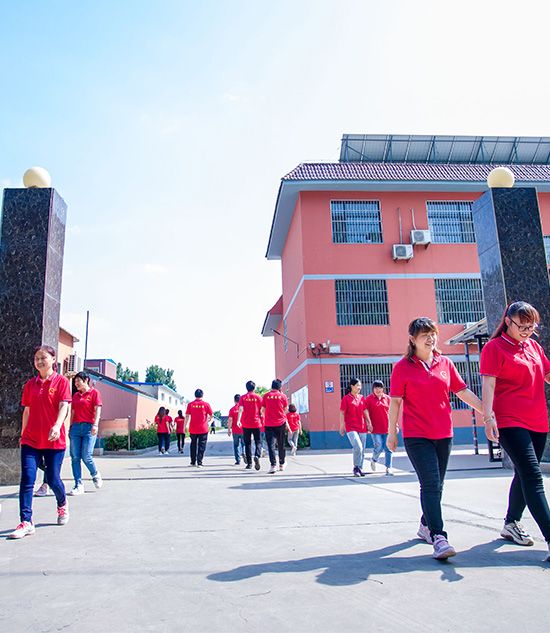
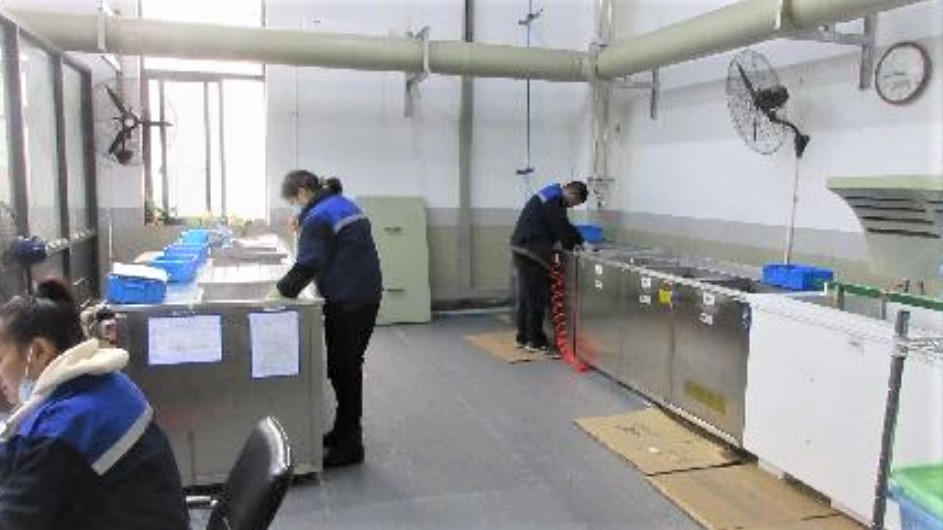
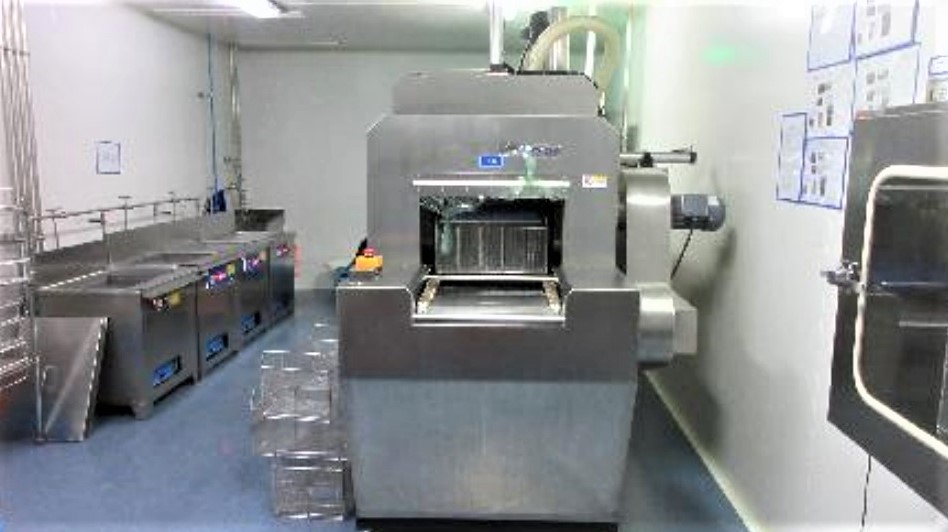
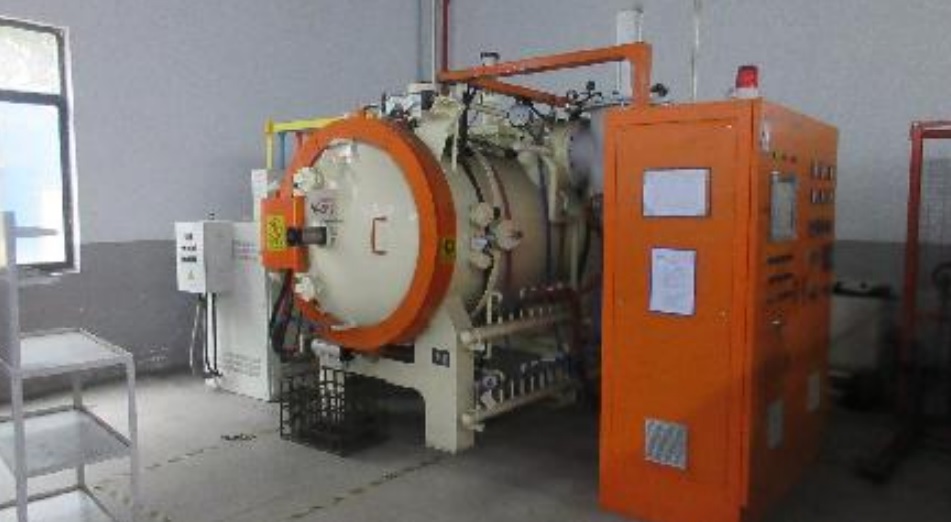
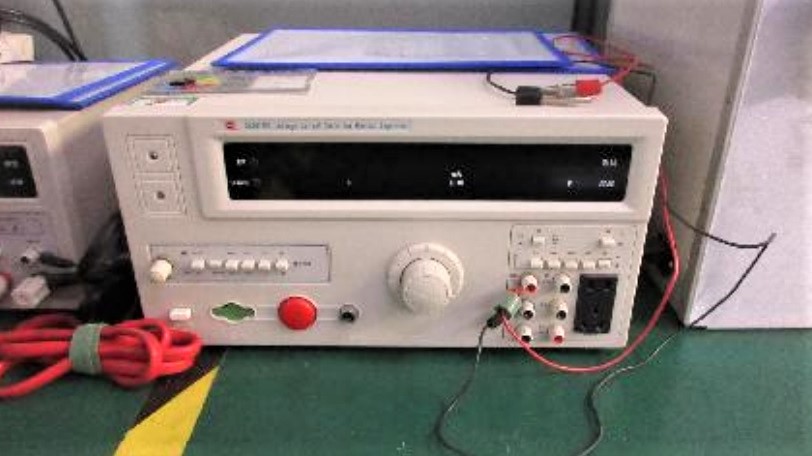
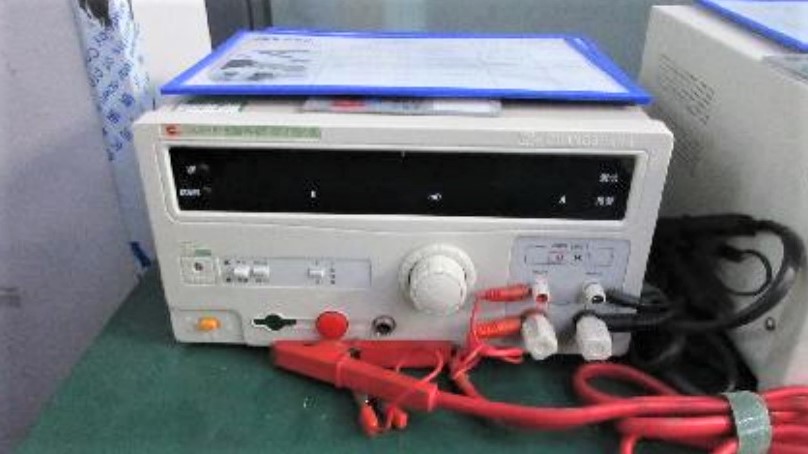
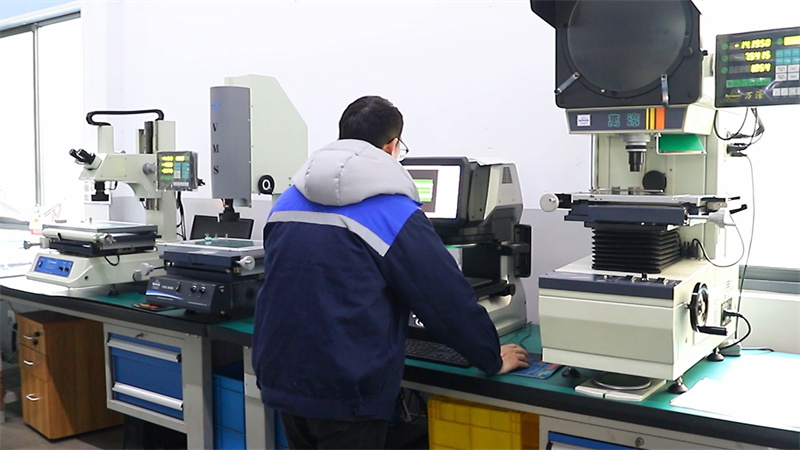
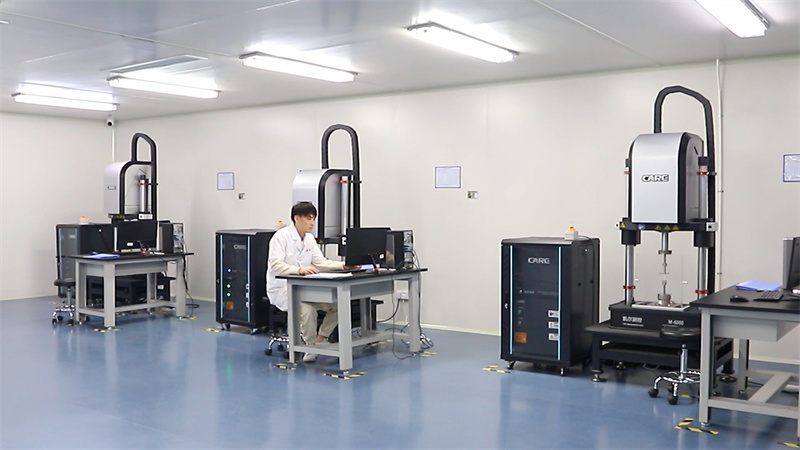
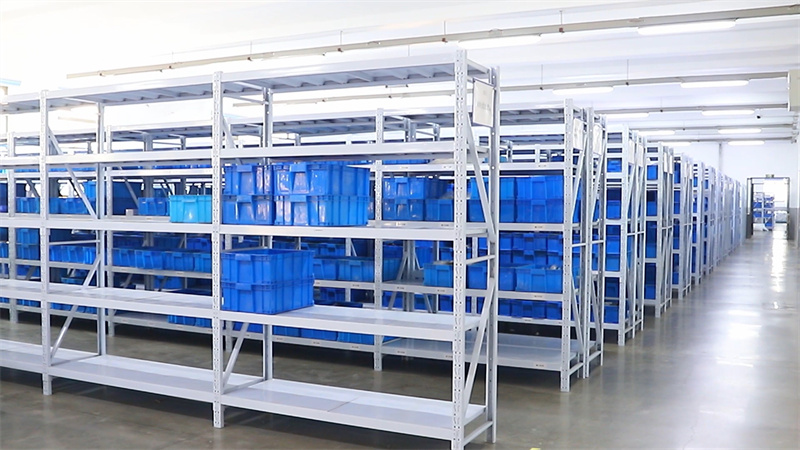
Below is a visual inspection of our specialized machinery, illustrating our capability to support high-volume manufacturing demands for state-level tenders and large private healthcare networks:
Essential insights for medical device distributors and hospital directors in DR Congo.
We manufacture our pedicle screws and rods using medical-grade Titanium Alloy (typically Ti-6Al-4V ELI / ASTM F136). This specific material offers an optimal strength-to-weight ratio, high corrosion resistance, and excellent biocompatibility, ensuring long-term stability in the body and reducing the risk of material rejection.
We have extensive experience shipping to Central and East Africa. Typically, shipments are routed by sea freight to the ports of Matadi (for Kinshasa) or Mombasa/Dar es Salaam (for Lubumbashi and eastern DRC), followed by secure inland trucking. We supply all necessary export documentation, including Certificate of Conformity (CoC), ISO 13485 certifications, CE dossiers, and detailed packing lists, to facilitate smooth customs clearance.
Yes. Our professional R&D team and CNC manufacturing center support full OEM/ODM branding. We can custom-laser mark your company or hospital name on the instrument cases, adjust the length and diameter parameters of the pedicle screws, and design specialized surgical handles to match your regional preferences.
While reusable sets are cost-efficient over many years, our disposable spinal implant systems offer massive clinical benefits for DR Congo clinics. They eliminate the risk of cross-contamination, remove the sterilization bottleneck in hospitals with fluctuating electricity, and ensure that every surgery uses a brand-new, factory-calibrated set of tools with zero mechanical wear.
Each batch is subjected to comprehensive testing in our quality labs, which includes dimensional inspections using digital image testers, earth resistance and leakage current testing for electronic devices, and mechanical stress and fatigue testing on our Electromagnetic Dynamic Mechanics Test System. This ensures that every screw can withstand the physiological forces post-implantation.
Explore our full line of surgical spinal fixation implants, polyaxial screws, and cage connectors.
 Daher Orthopedic Implants