Explore our elite portfolio of orthopedic implants, endoscope instruments, and structural reconstruction tools developed in partnership with leading global institutions.
Insights into global clinical demands, regulatory standards, and biochemical breakthroughs shaping tissue engineering.
Tissue expansion stands as a cornerstone in reconstructive plastic surgery, oncology recovery, and trauma therapy. By exploiting the body's natural physiological ability to grow additional healthy skin tissue under controlled mechanical strain, surgeons can successfully repair complex anatomical defects. The global demand for highly customizable OEM tissue expanders is surging, driven by a rising prevalence of breast cancer reconstruction surgeries, pediatric congenital deformity corrections, and high-impact trauma interventions.
Today's medical device ecosystem demands more than off-the-shelf solutions. Hospitals and medical device distributors require tailored configurations that adapt to specific anatomical constraints, such as pediatric craniomaxillofacial defects or complex post-mastectomy boundaries. As a leading specialized manufacturer, we bridge this gap by offering advanced OEM and ODM capabilities to produce high-performance, biological-grade silicone elastomeric systems.
The manufacturing of tissue expanders requires the highest standard of bio-material selection. We utilize exclusively medical-grade, highly cross-linked silicone elastomers that demonstrate superior tensile strength, elongation capacity, and resistance to early mechanical degradation. Our shells are engineered with optimized thickness gradients to prevent localized thinning and rupture during progressive inflation phases.
Furthermore, our surface topography designs range from ultra-smooth surfaces for minimizing bacterial colonization to customized micro-textures that optimize tissue adherence and prevent migration. By integrating advanced raw materials with precise manufacturing methods, we ensure that every custom tissue expander performs predictably in long-term clinical environments, meeting the rigorous standards of modern reconstructive plastic surgery.
A deep dive into our advanced R&D technology, rigorous quality testing systems, and high-precision machinery.
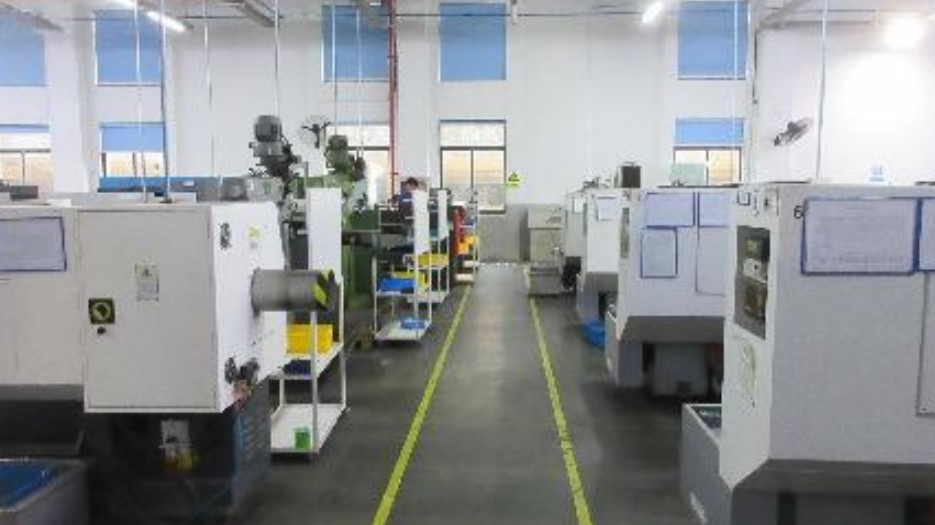
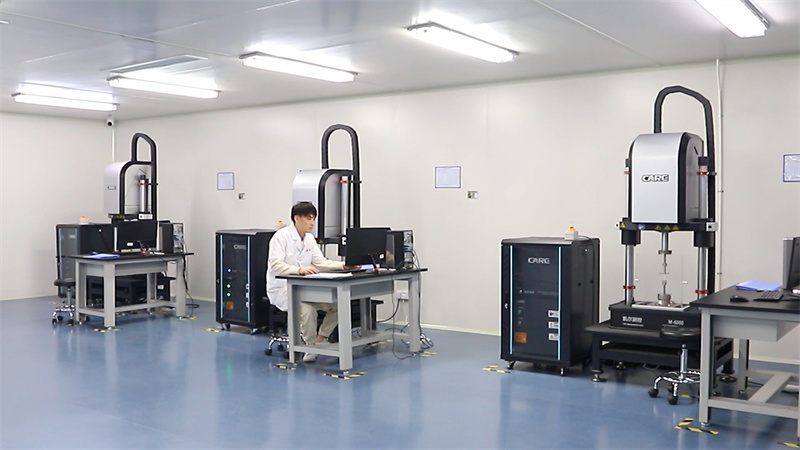
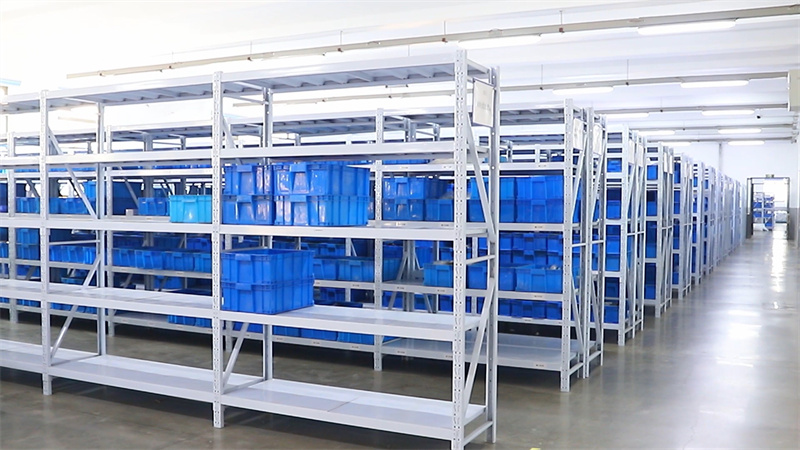
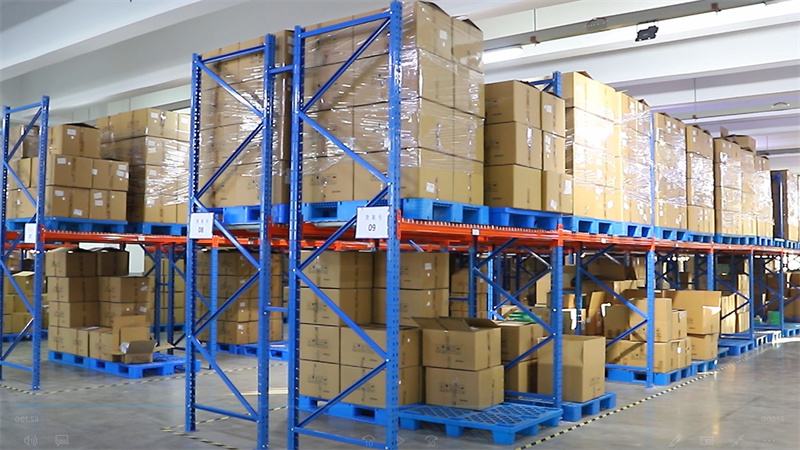
Our industrial infrastructure is designed to translate complex anatomical designs into precise, high-performance medical devices. Through close collaboration with orthopedic surgeons, biomaterial researchers, and regulatory bodies, we continually refine our manufacturing techniques to align with state-of-the-art standards. Each product undergoes rigorous testing for mechanical stress, sealing capabilities, and sterile validation.
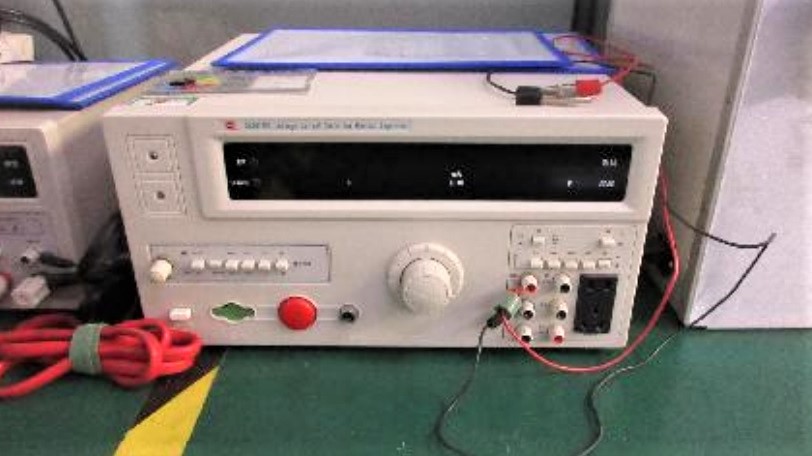
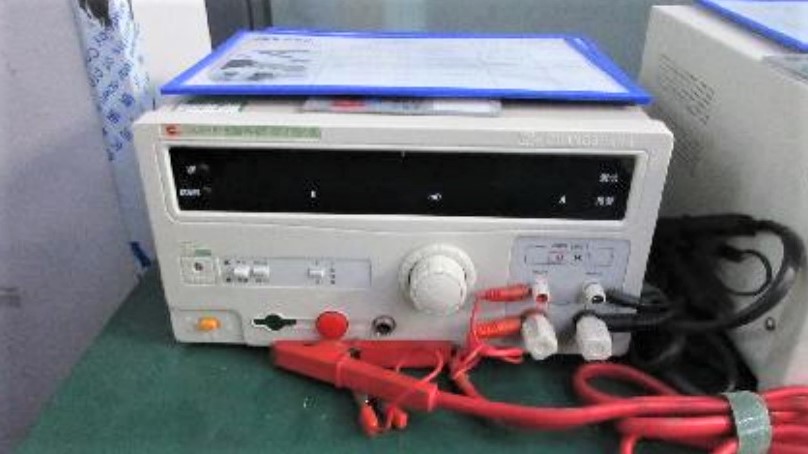
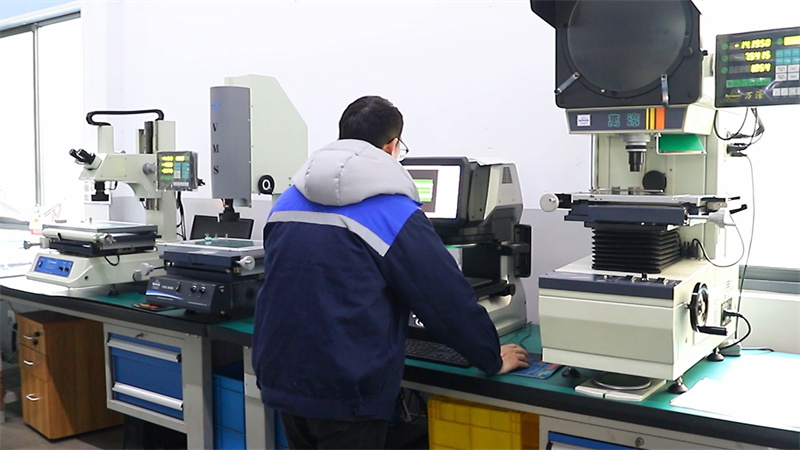
Our commitment to clinical safety is backed by a rigorous quality control philosophy: Quality and integrity first, striving for excellence, and pursuing the highest standards. This philosophy is implemented across every phase of production, utilizing computerized monitoring, micro-measurement tools, and high-accuracy dynamic mechanical testing. Below is an overview of the key processing and diagnostic equipment operating within our ISO-certified cleanroom facility.

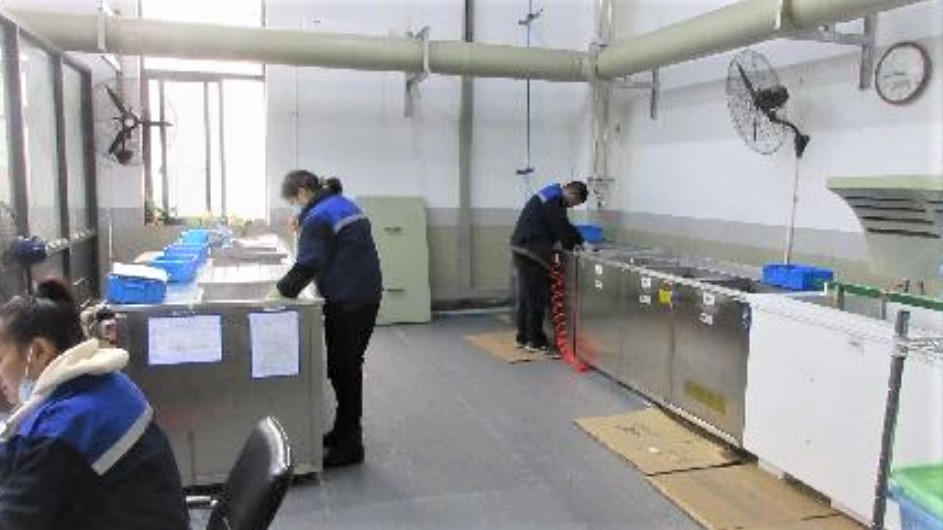
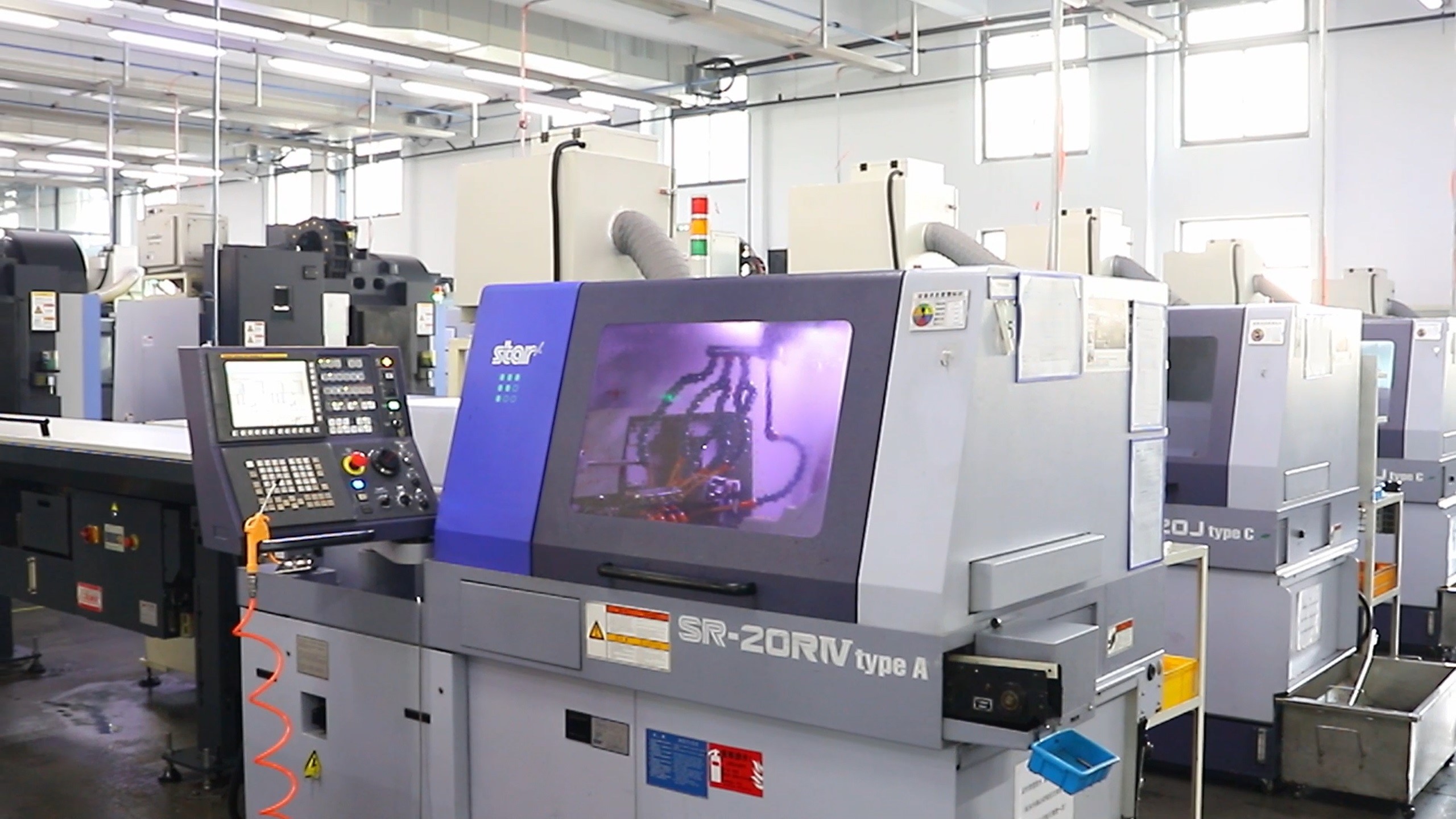
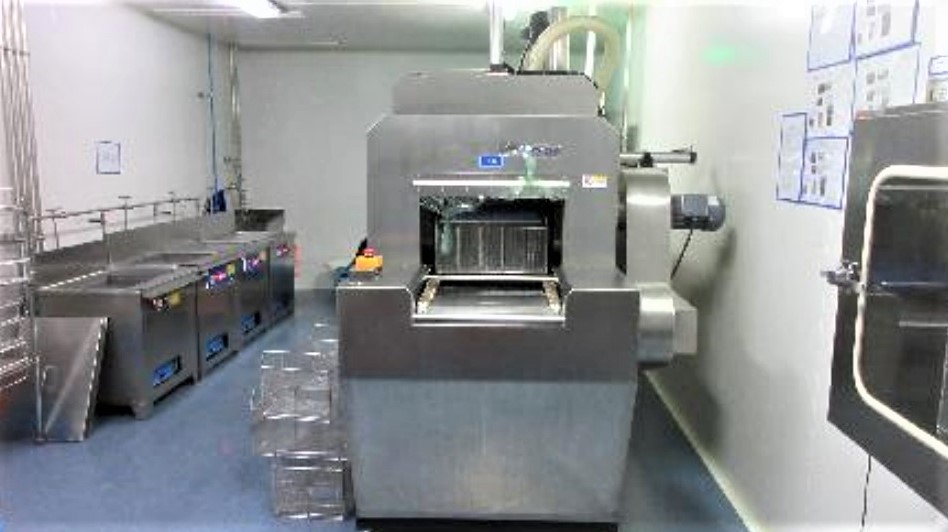
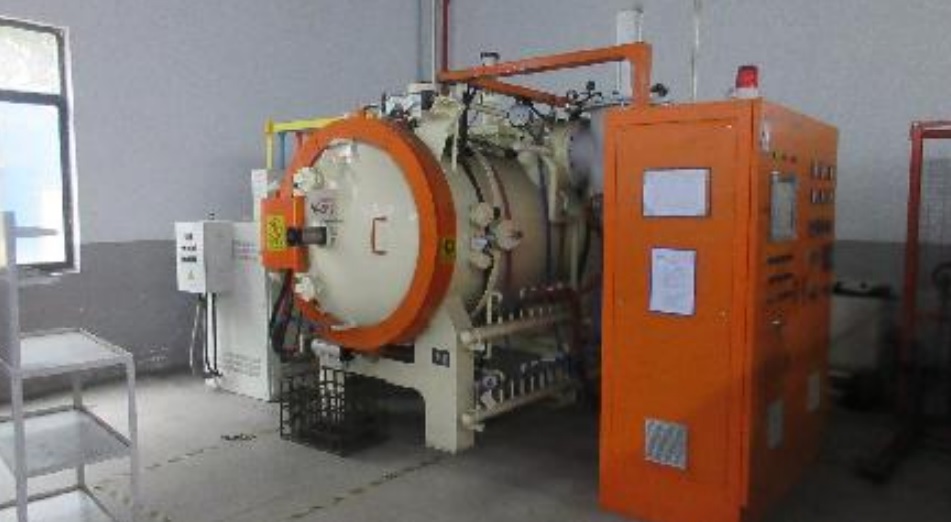
How our international regulatory framework and local support structures guarantee safe patient outcomes globally.
Medical devices, particularly implantable tissue expanders, are subject to stringent regulatory pathways. Our production facility holds active certifications for ISO 9001 and ISO 13485 (Medical Devices Quality Management Systems). All processing parameters, cleanroom atmospheric conditions, and sterilization procedures comply with and exceed international quality and safety benchmarks, including CE and FDA frameworks.
Our long-term technical collaborations with major university clinics and expert reconstructive surgeons feed directly into our engineering pipeline. This feedback loop ensures that the custom solutions we develop offer intuitive handling, reliable needle-detection ports, and enhanced safety features for the medical teams performing the procedures.
Operating across 70+ countries requires a robust understanding of regional medical standards and localized clinical realities. In European markets, our focus leans heavily toward sterile, pre-packaged unit configurations with strict CE compliance documentation. In emerging markets across Latin America, Southeast Asia, and Africa, we support our distribution partners by providing flexible customization and technical documentation to streamline local registrations.
Furthermore, our team provides localized technical documentation, video training material for clinical personnel, and quick-response customer service. We understand that custom tissue expanders must adapt to diverse anatomical needs, from post-mastectomy breast reconstruction to pediatric ear (microtia) and scalp expansion.
Our strategic vision for the next generation of implantable tissue expansion technologies.
Developing next-generation biomimetic micro-textures to further reduce tissue adhesion complications and decrease capsular contracture rates. Implementing advanced finite element analysis (FEA) to model stress distribution patterns across complex geometric expander designs.
Designing remote-inflation and magnetic-guidance transcutaneous port systems. Minimizing patient discomfort and eliminating the risk of accidental shell puncture during saline inflation protocols.
R&D efforts focused on incorporating local antibiotic-eluting and anti-fibrotic chemical agents within the outer layer of the silicone elastomer, aiming to mitigate infection risks during long-term placement.
Expert technical answers regarding our OEM capabilities, quality control processes, and customization options.
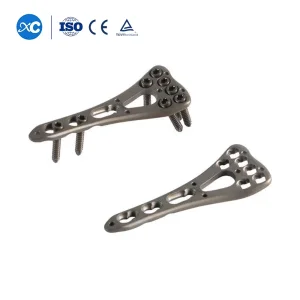
Our wider medical product catalog supports trauma stabilization, maxillofacial correction, and joint reconstruction projects worldwide.
 Daher Orthopedic Implants