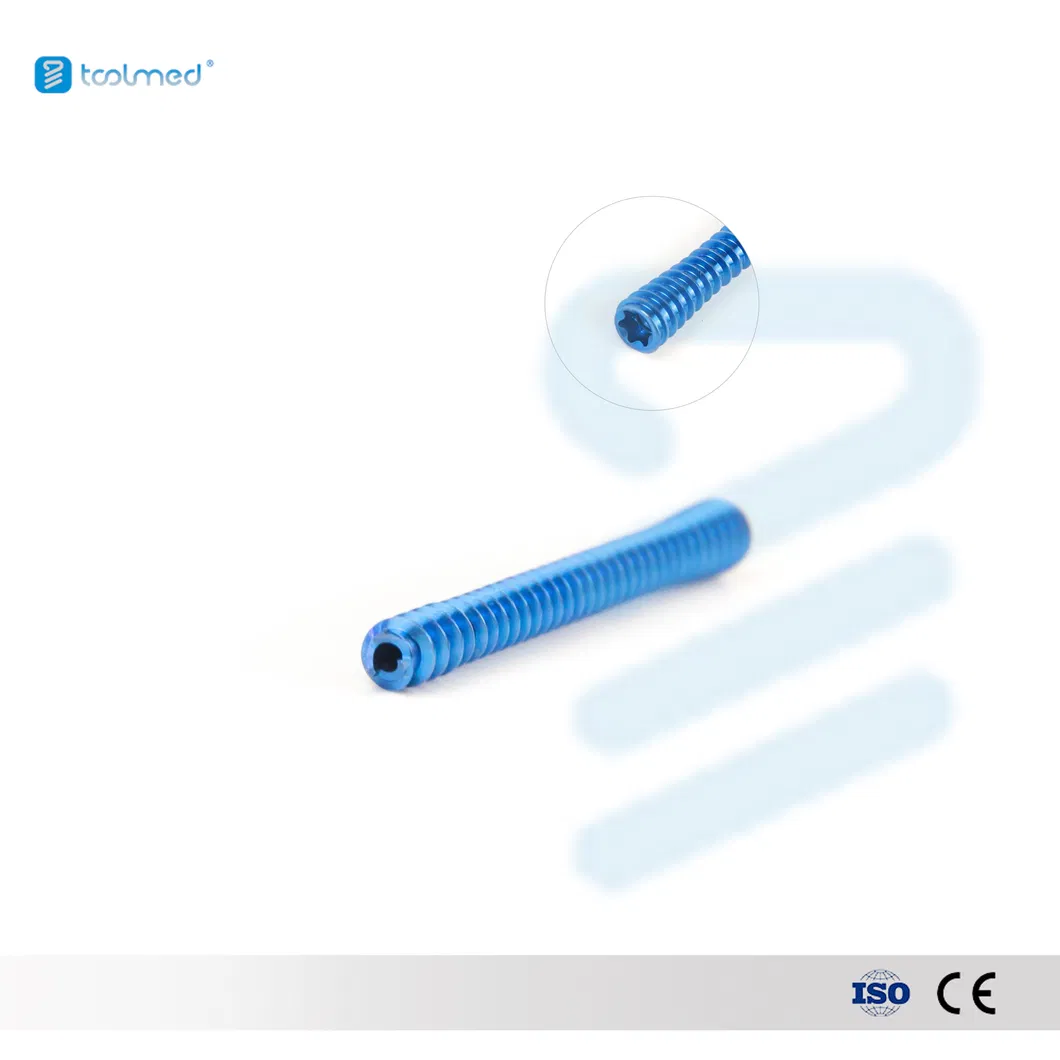
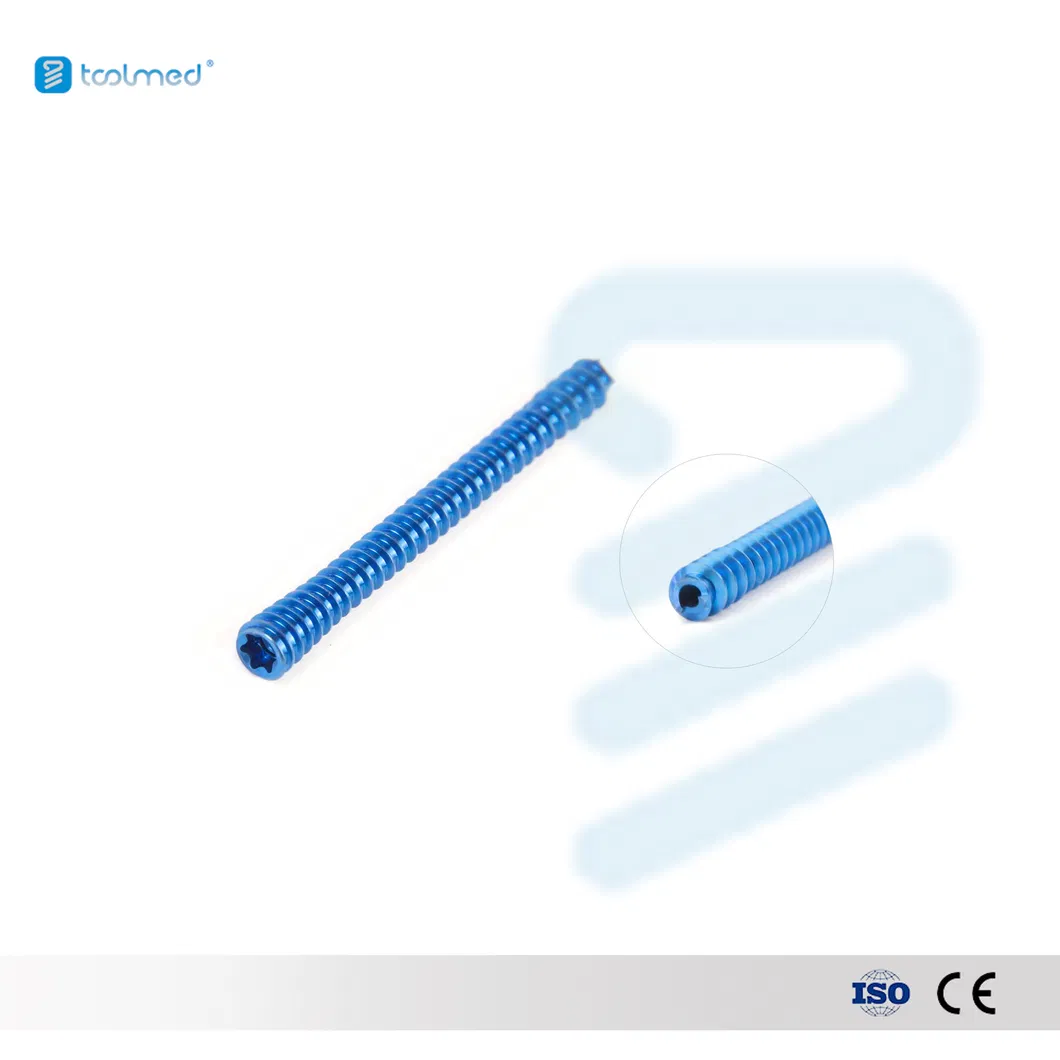
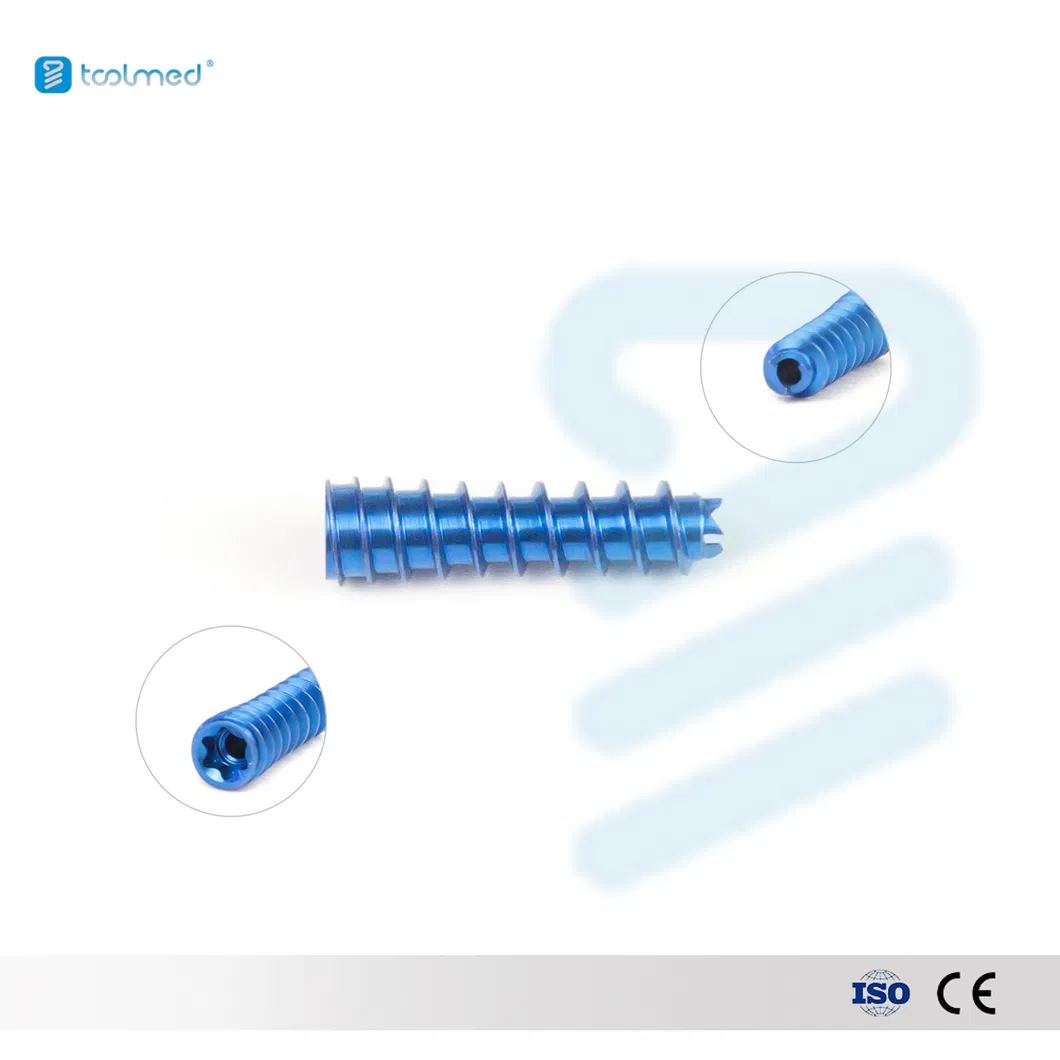
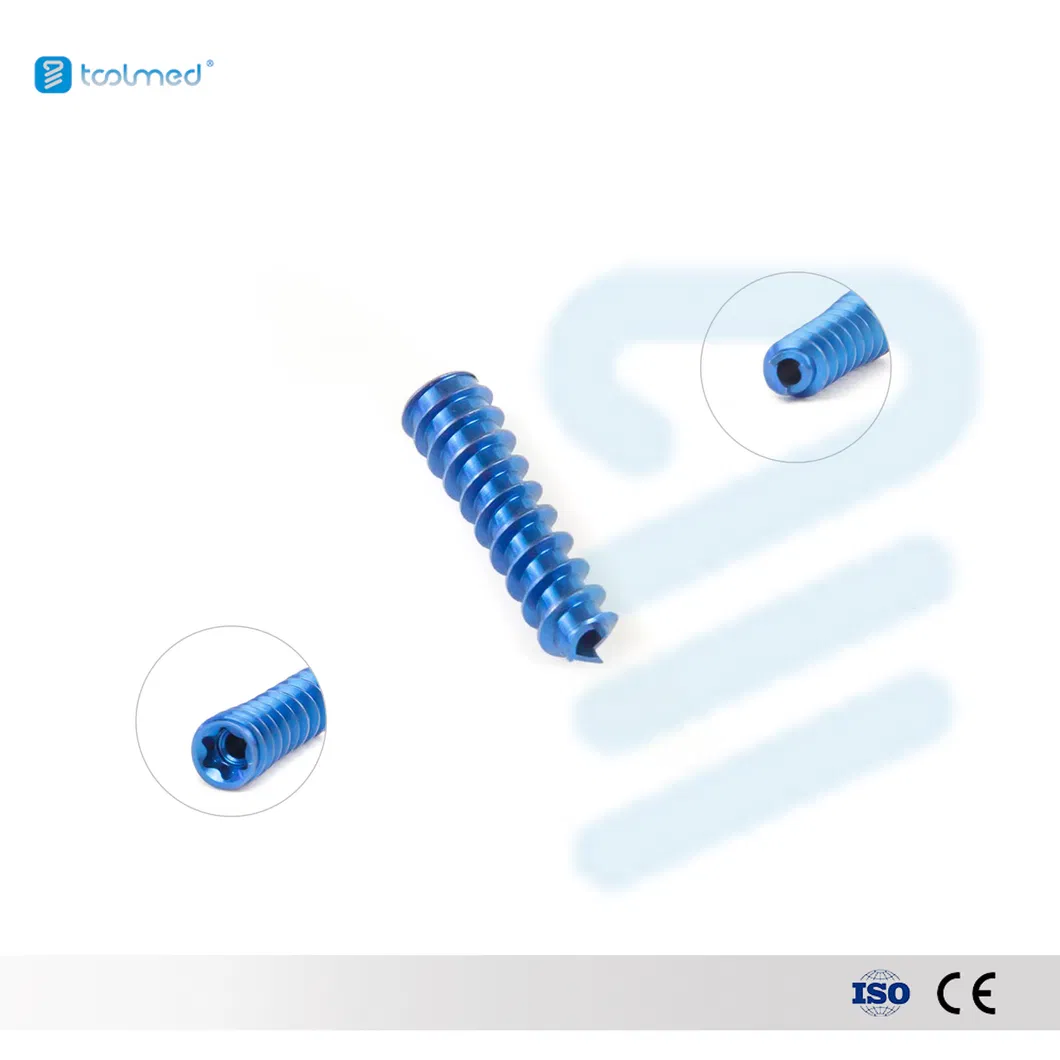
The surgical technique for cannulated headless compression screws is a precise procedure designed to optimize bone healing through stable fixation.
1
Incision and Exposure: Make a small incision (1-3 cm) near the fracture site, avoiding vital nerves and vessels. Carefully separate soft tissues to expose the fracture.
2
Fracture Reduction: Restore the anatomical position via manual traction and rotation. Monitor the process continuously using C-arm fluoroscopy.
3
Guide Wire Insertion: Insert a guide wire along the determined path under fluoroscopic guidance, perpendicular to the fracture plane.
4
Length Determination: Use a dedicated measuring device or the two-wire method to select a screw length 2-4 mm shorter than the measured distance.
5
Drilling: Drill along the guide wire using a cannulated bit, using irrigation to prevent thermal injury to the bone.
6
Screw Insertion: Advance the screw over the guide wire. Use the compression sleeve to close the fracture gap and ensure the screw head is flush with the bone surface.
7
Closure: Irrigate the wound and perform layered suturing of deep tissues and skin. Apply appropriate dressing and external fixation if necessary.
What is a Cannulated Headless Compression Screw?
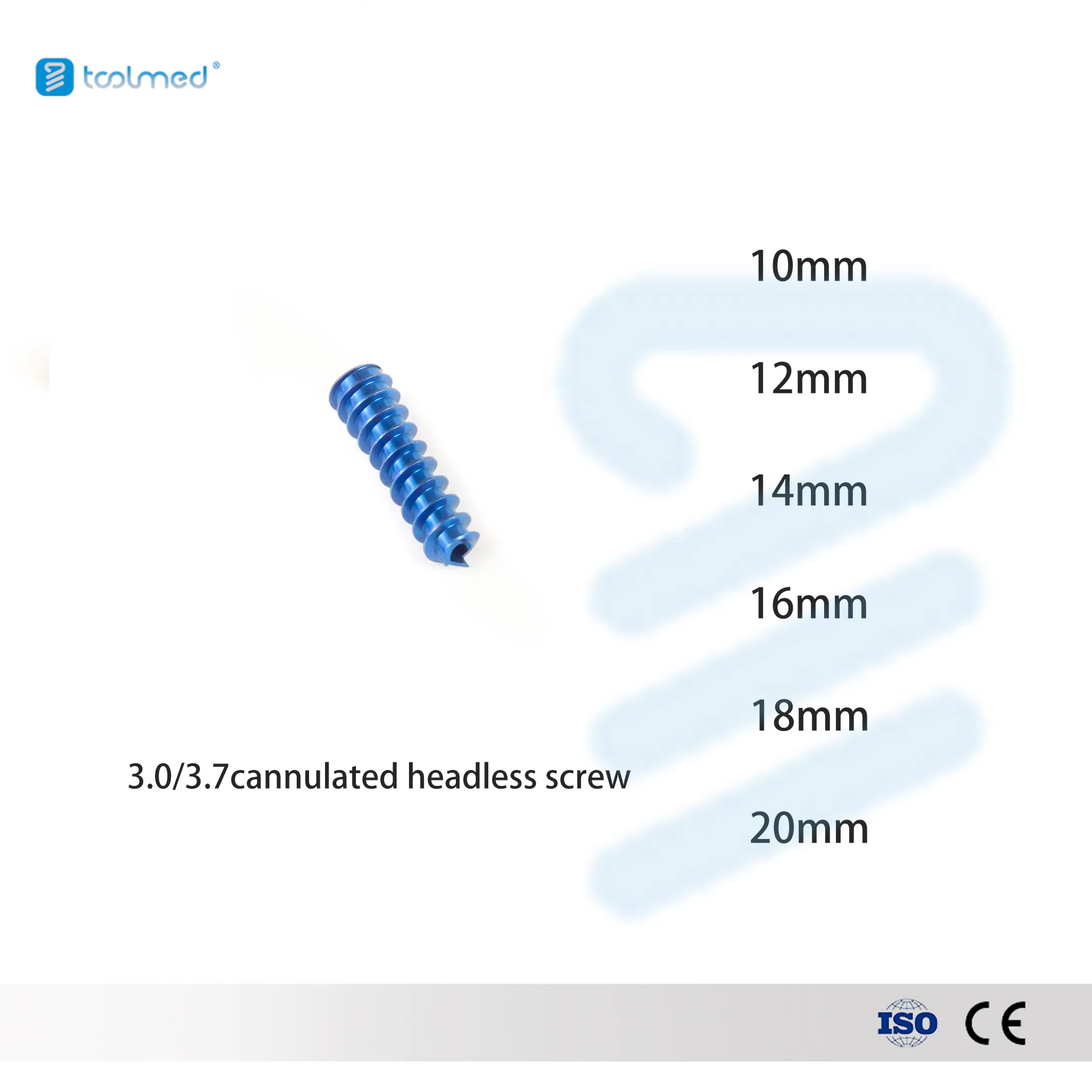
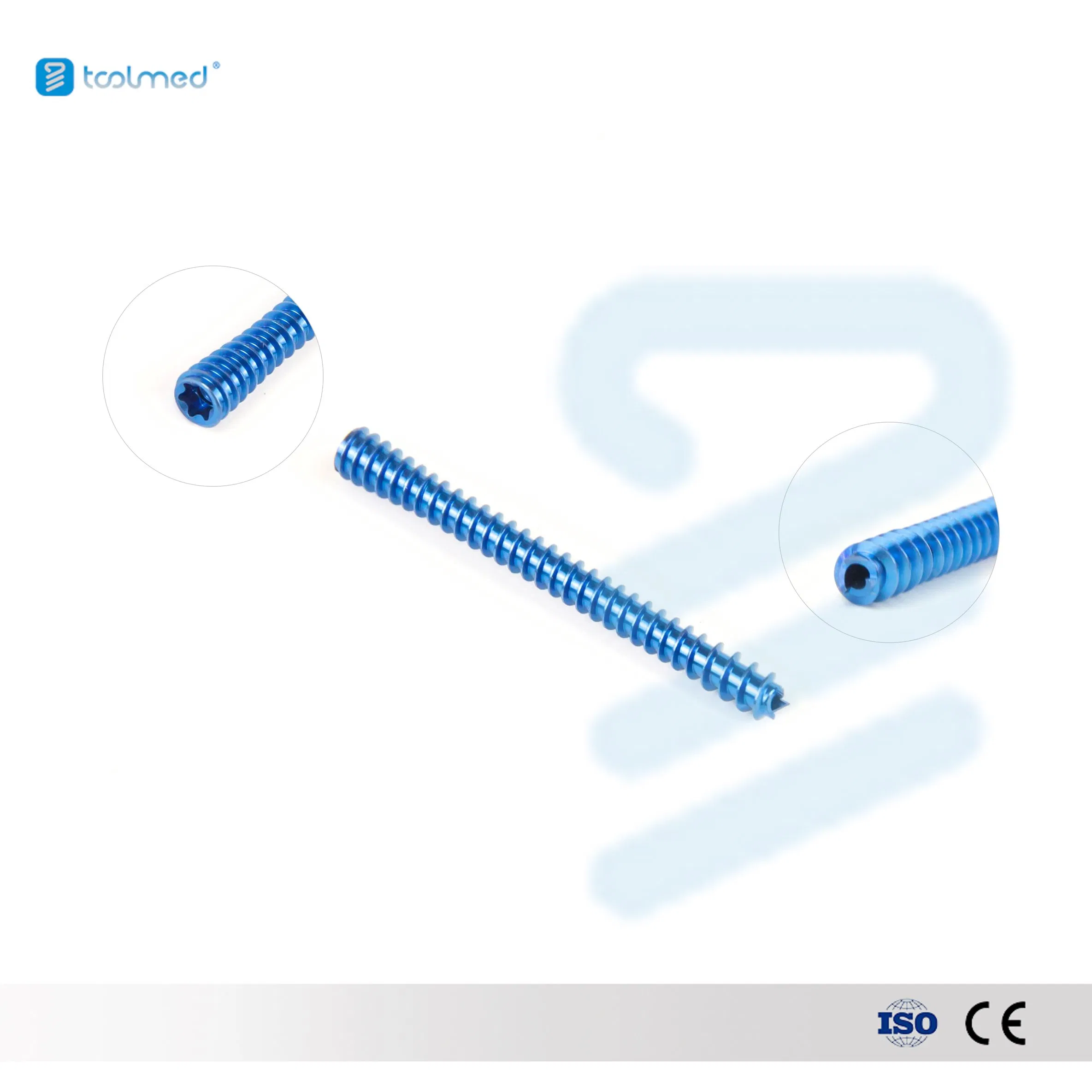
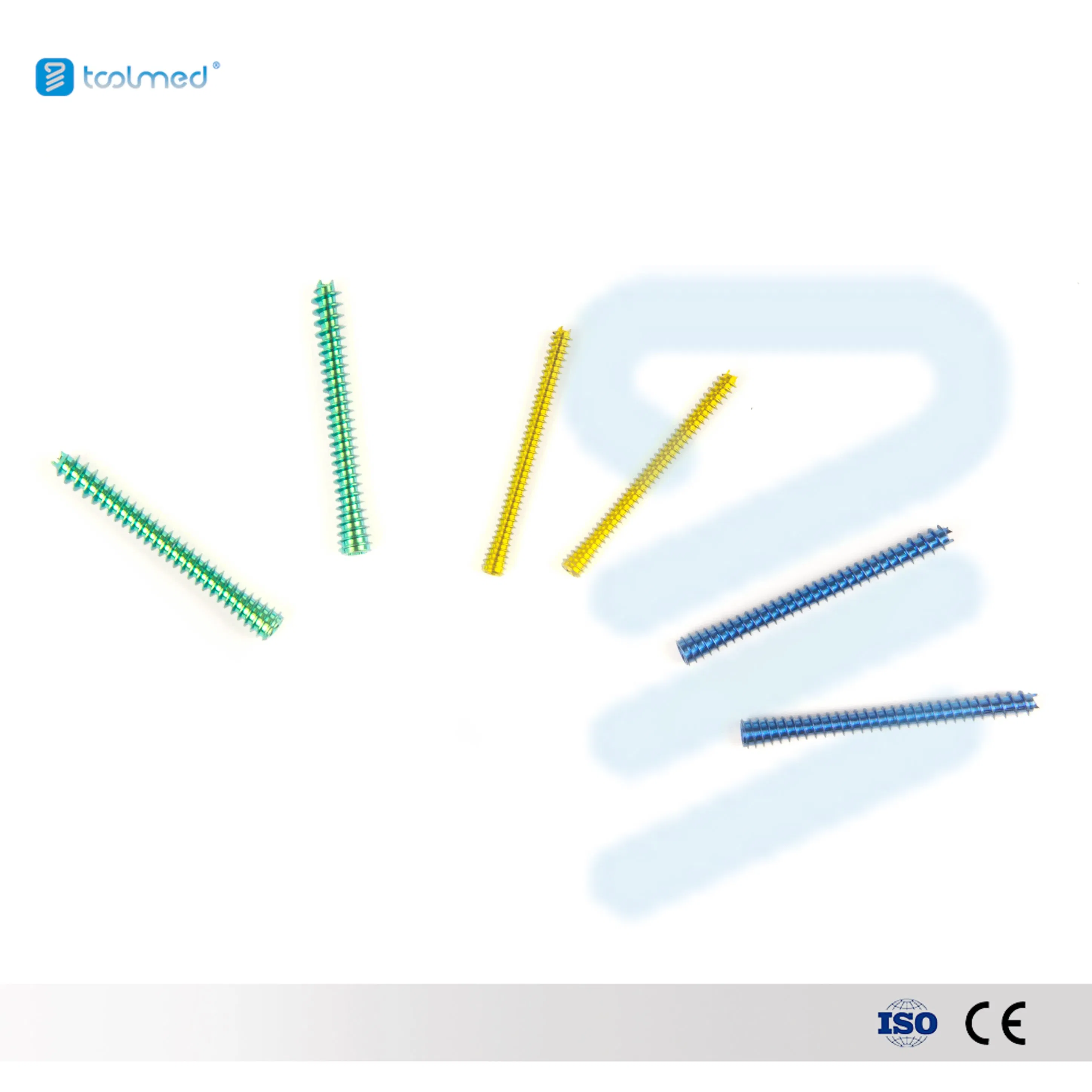
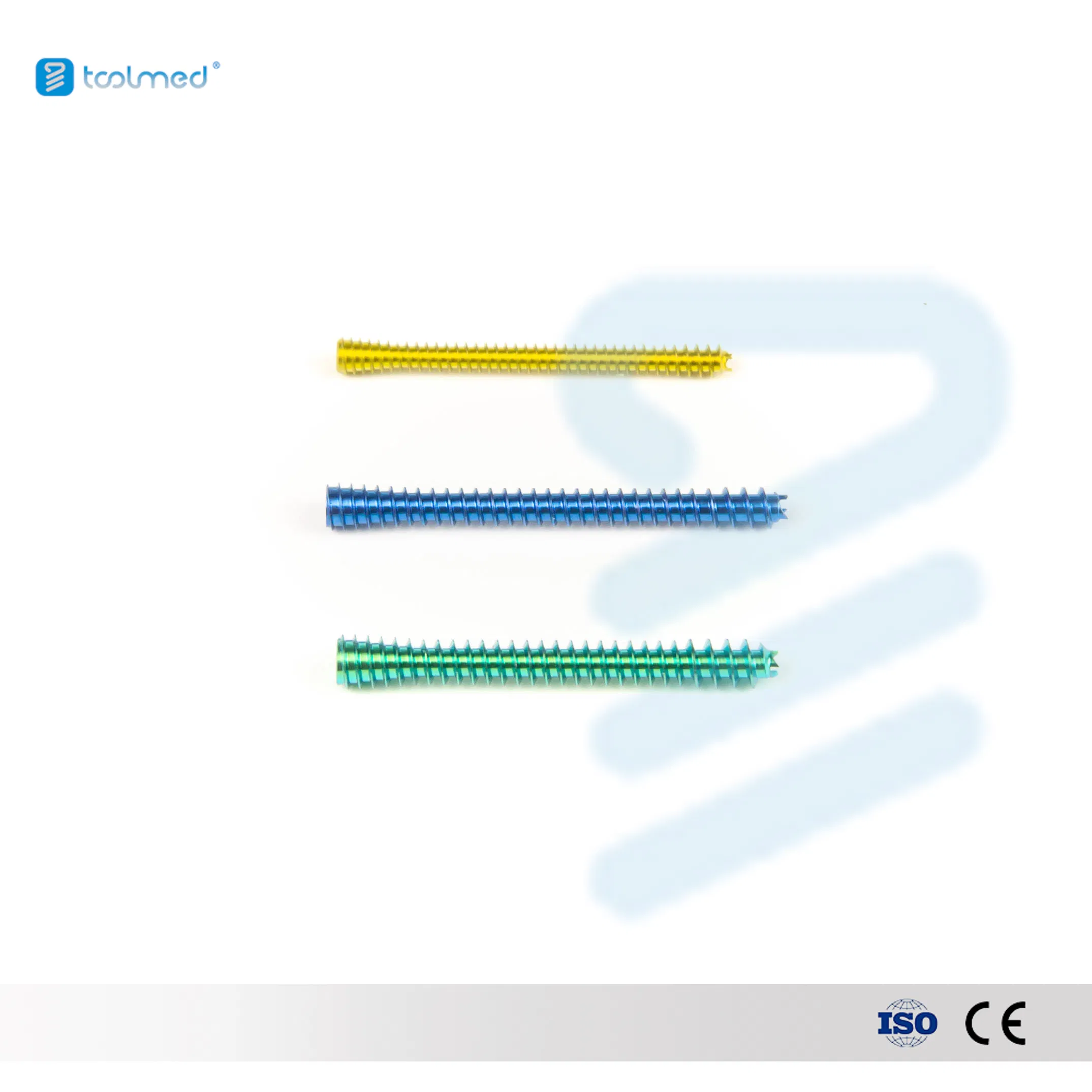
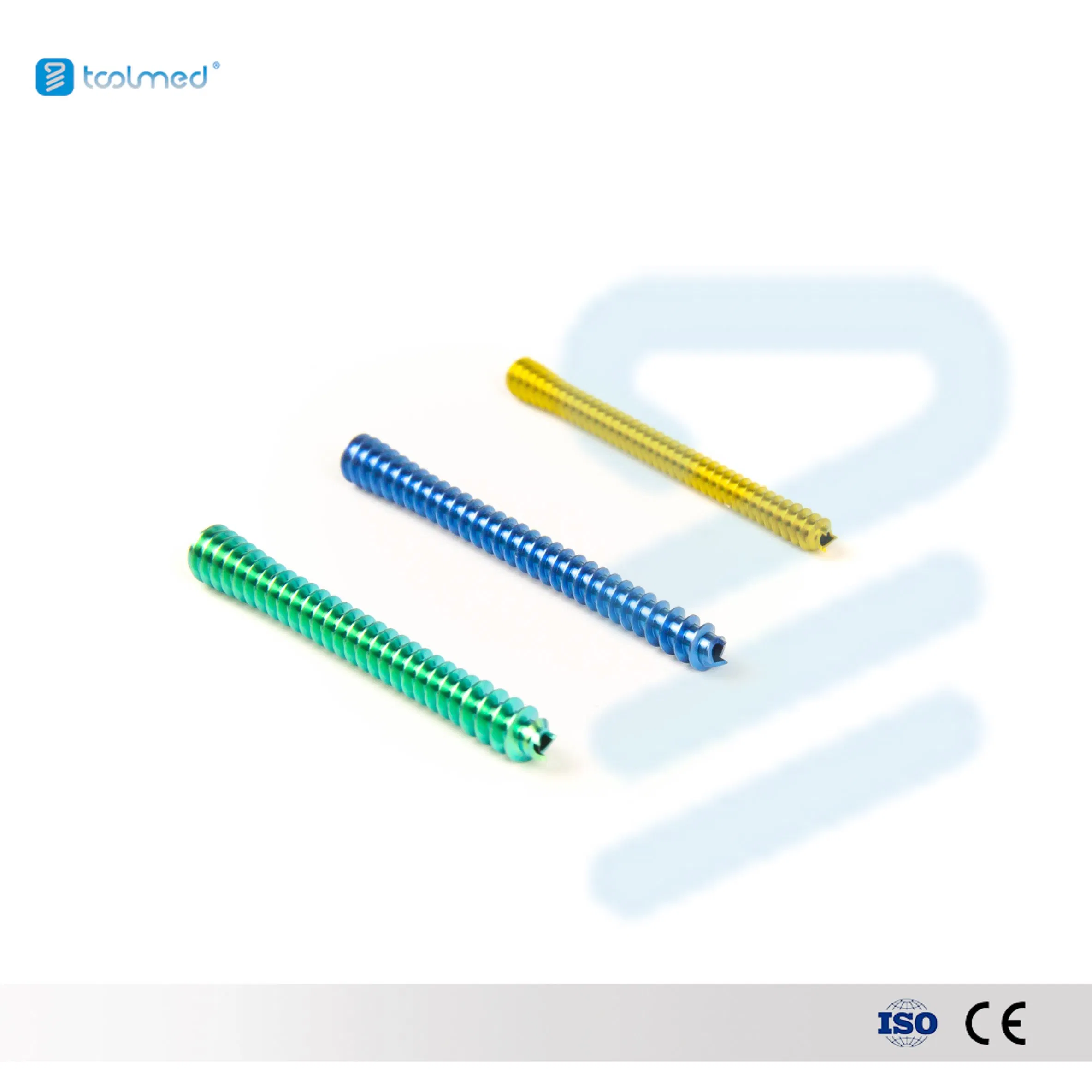
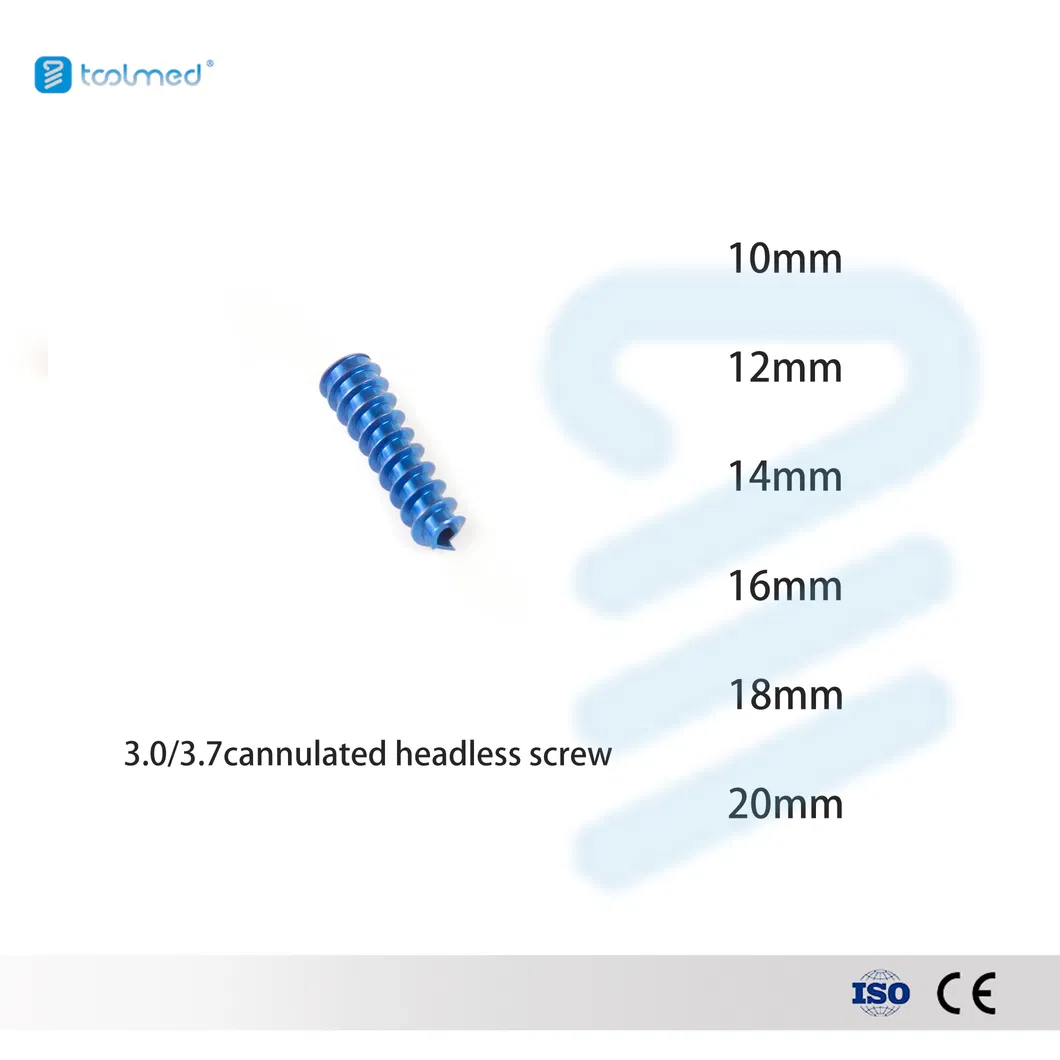
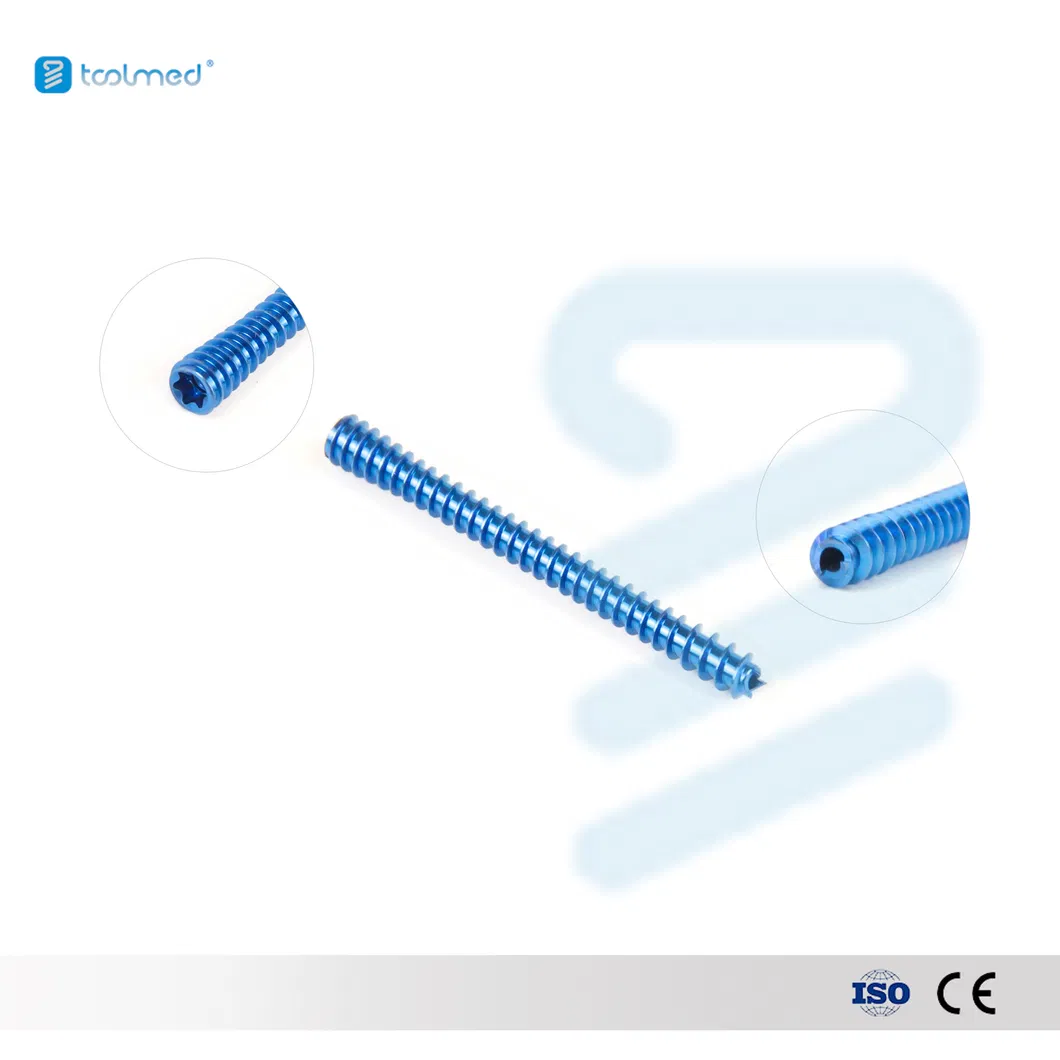
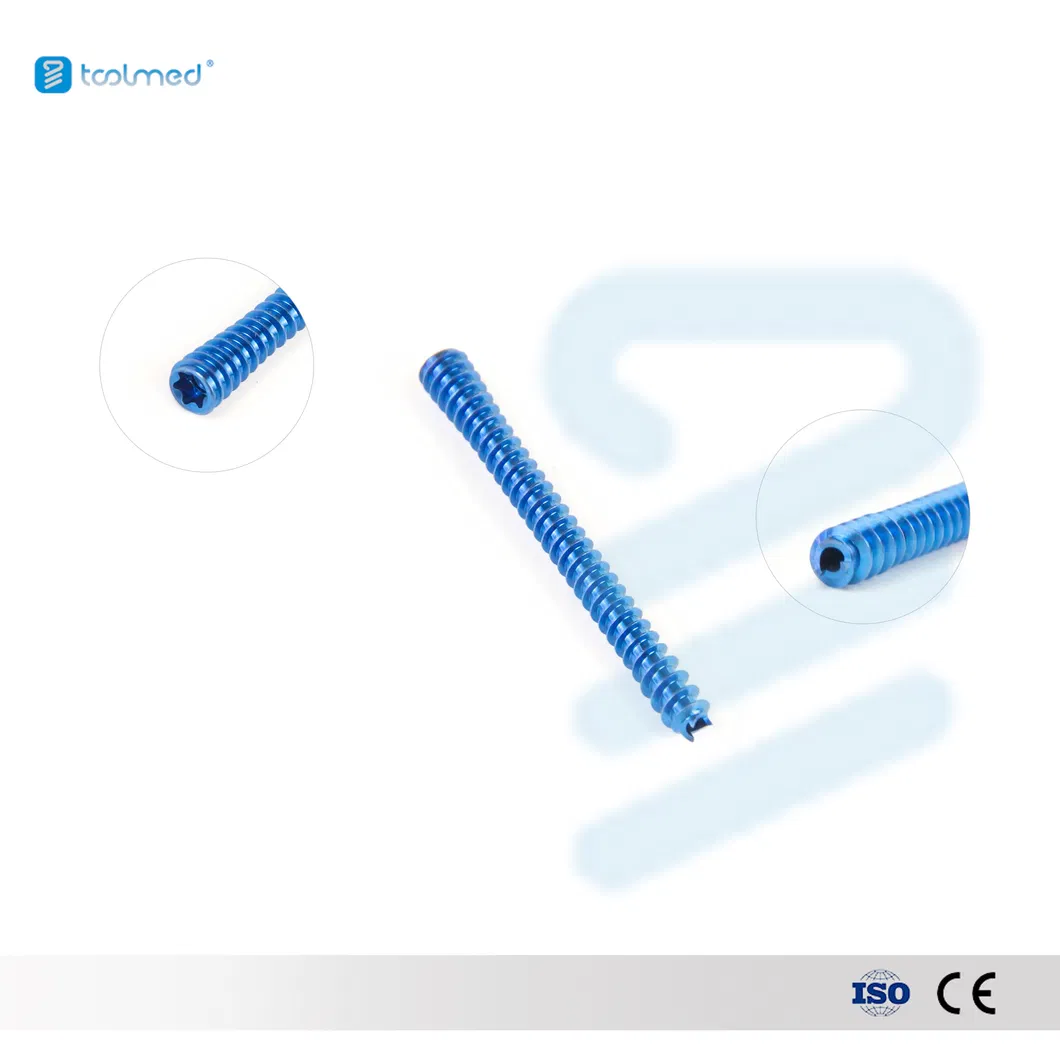
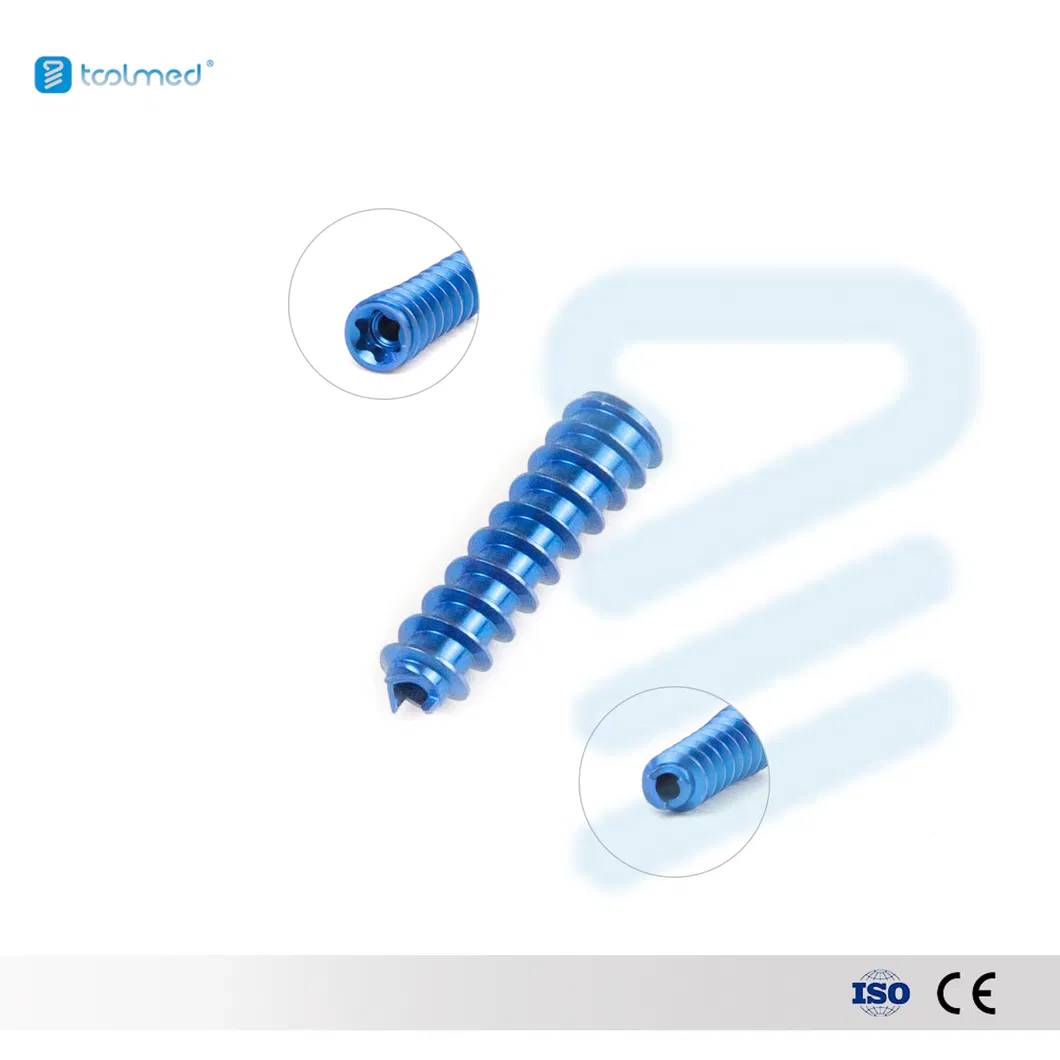
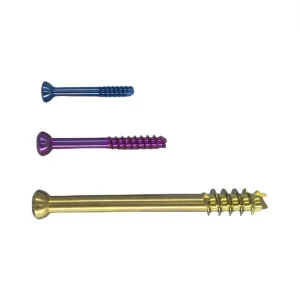
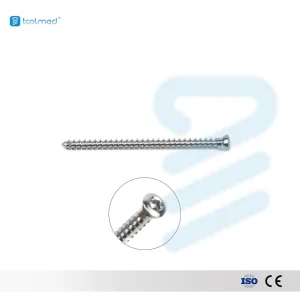
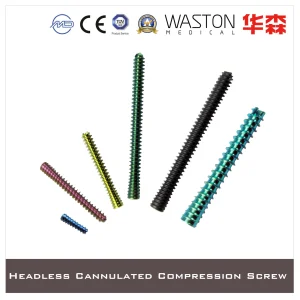
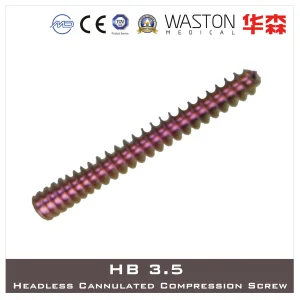
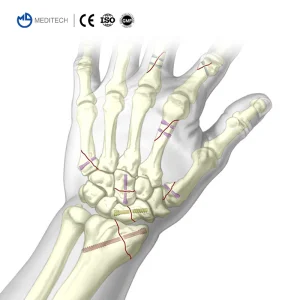
The Headless Compression Screw is an advanced orthopedic implant used primarily for fracture fixation, such as scaphoid fractures. It generates internal compression across the fracture site and is designed to be countersunk below the articular surface, minimizing irritation to surrounding soft tissues.
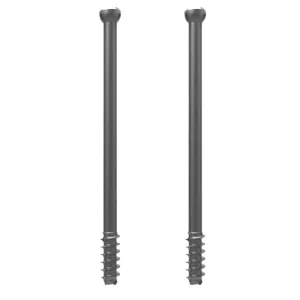
Cannulated Headless Compression Screws (CHCS) represent a significant advancement in trauma surgery. By utilizing a hollow center for guide-wire directed placement, they offer surgeons superior accuracy and stability.
Key Advantages:
- Reduced Tissue Irritation: The headless design ensures no hardware protrudes from the bone.
- Stable Fixation: Enhanced compression promotes faster and more reliable bone healing.
- Minimally Invasive: Small incisions lead to reduced postoperative pain and faster recovery.
- Precision: Cannulated design allows for exact placement using imaging guidance.
Frequently Asked Questions
Q1: What materials are these compression screws made of?
These screws are typically manufactured from high-grade Titanium Alloy or Stainless Steel, both of which are biocompatible and offer the strength required for orthopedic stabilization.
Q2: Can the headless screws be removed after the fracture has healed?
In some cases, screws may be removed if they cause discomfort or complications. However, because they are countersunk below the bone surface, they are often left in place permanently unless medically necessary to remove.
Q3: How long is the typical recovery period after CHCS surgery?
Recovery time varies by fracture severity. Generally, rehabilitation begins a few weeks post-surgery, with significant strength and mobility regained over several months of physical therapy.
Q4: Are these implants suitable for minimally invasive procedures?
Yes, the cannulated design is specifically intended for minimally invasive surgery, allowing the surgeon to guide the screw through small incisions with high precision using imaging guidance.
Q5: What are the primary indications for using headless compression screws?
They are primarily used for intra-articular and extra-articular fractures, osteotomies, and nonunions of small bones and small bone fragments, such as those in the hand, wrist, foot, and ankle.
Q6: How is the correct screw length ensured during surgery?
Surgeons use a dedicated cannulated measuring device placed over the guide wire to read the exact depth required, typically selecting a screw slightly shorter than the total depth to ensure it remains buried within the bone.
 Daher Orthopedic Implants