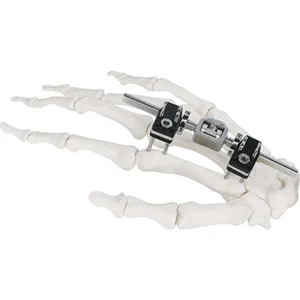
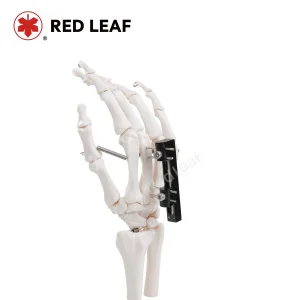
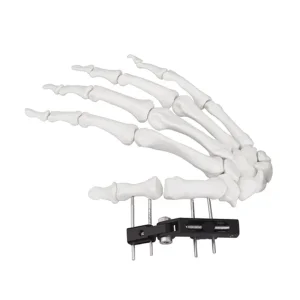
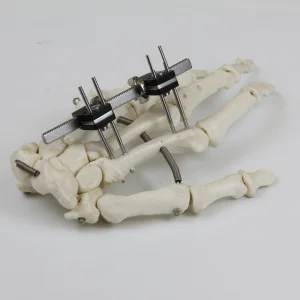
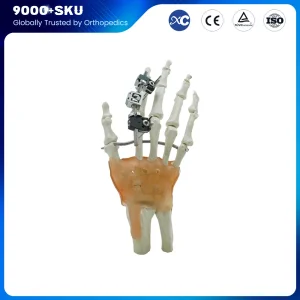
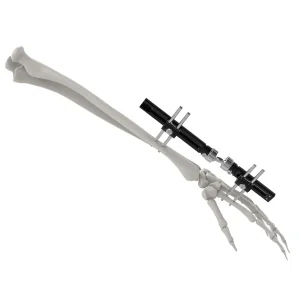
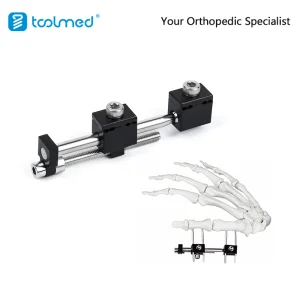
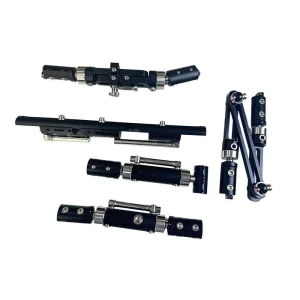
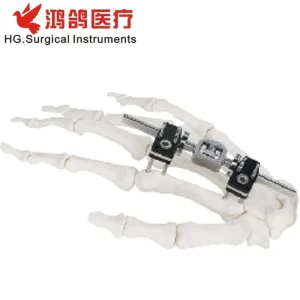
As Kenya continues to solidify its position as the primary medical tourism hub for East and Central Africa, the demand for specialized orthopedic implants, specifically Mini External Fixators for hand and foot surgeries, has seen an unprecedented surge. Hospitals in Nairobi, Mombasa, and Kisumu are increasingly adopting advanced minimally invasive techniques to treat complex small bone fractures.
The industrial landscape for medical devices in Kenya is evolving. While historically reliant on imports, the Kenyan healthcare sector—supported by the Ministry of Health's Universal Health Coverage (UHC) program—is now prioritizing partnerships with certified global factories and suppliers who can provide high-precision instruments. These fixators are vital for treating trauma resulting from industrial accidents, motorcycle (Boda Boda) mishaps, and congenital hand/foot deformities.
Global Export Countries
13485 Certified
Technical Support
Modern surgery in Kenya is shifting toward joint motion preservation. Our mini external fixators are at the forefront of this trend, allowing for early mobilization of the finger and toe joints even during the bone healing process. This is particularly crucial for the Kenyan workforce, where rapid recovery and return to manual productivity are essential economic drivers.
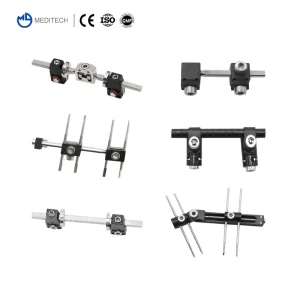
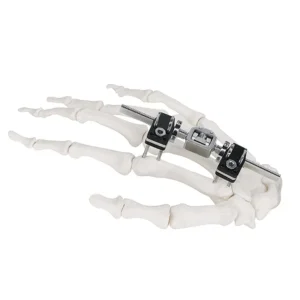
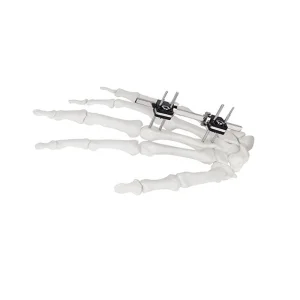
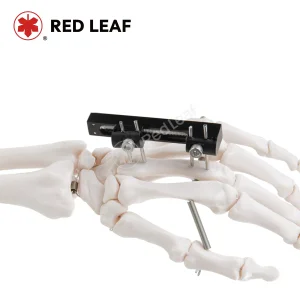
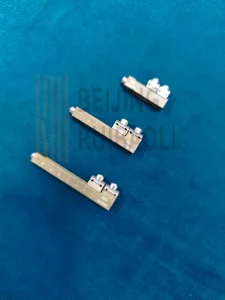
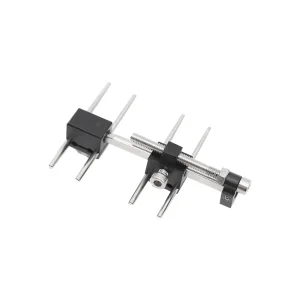
Innovative designs like the Mini Rail and Combined Type Fixators offer Kenyan surgeons the versatility needed to address phalangeal and metacarpal fractures with extreme precision. The integration of lightweight materials such as high-grade titanium and stainless steel ensures that patients experience minimal discomfort while maintaining maximum stability.
Every mini fixator is designed using AI-optimized computer-aided design systems, ensuring that the mechanical load distribution is perfectly balanced for small bones in the hand and foot.
We utilize biocompatible alloys that prevent infection and promote osteointegration, meeting the stringent requirements of Kenyan regulatory bodies and international standards.
Our instruments are developed through long-term technical exchanges with leading hospital experts, focusing on ease of application in the operating room.
Kenya presents unique clinical challenges that require robust orthopedic solutions. Our Mini External Fixators are widely utilized in several key scenarios across the country:
We are dedicated to the research, development, production, and sales of orthopedic implants and tools. In the continuous process of design updates, we strive for excellence, meticulously crafting each product.
Our quality control philosophy: Quality and integrity first, striving for excellence, and pursuing the highest standards.
A professional R&D team and long-term technical exchanges with leading hospital experts ensure that our products function to their fullest potential.
Our factory has passed ISO 9001 and ISO 13485 certifications. Our products exceed all international quality and safety standards, including CE and FDA certifications. For many years, our products have been exported to more than 70 countries and regions in Europe, America, Africa, and Southeast Asia.
Our professional team is dedicated to serving every customer. Your trust is the greatest recognition of our service. We will rely on high-quality products and continuously launch new marketable products based on market demand, achieving mutual benefit and win-win results with our customers.
The orthopedic community in Kenya is rapidly advancing. With the establishment of specialized hand surgery units in top-tier private hospitals like The Nairobi Hospital and Aga Khan University Hospital, as well as public teaching institutions like Kenyatta National Hospital (KNH), the requirement for Mini External Fixation Systems has moved from niche to essential. These devices allow for the stabilization of small bone fractures where internal fixation (plates and screws) might be too invasive or technically challenging due to skin tension or soft tissue damage.
Kenya's unique economic structure also dictates the need for cost-effective yet high-quality medical supplies. Our role as a leading factory and supplier is to bridge the gap by providing CE-certified orthopedic instruments that are durable enough for the rigorous demands of Kenyan trauma centers while remaining affordable for the broader healthcare system. The unilateral mini-rail systems and straight-track fixators we supply are designed for rapid application, reducing operative time—a critical factor in busy Kenyan surgical theaters.
In Kenya, environmental factors and patient demographics play a role in device selection. Our products are manufactured to withstand diverse conditions, ensuring that corrosion resistance is at its peak. The Mini Finger and Palm Fixator series, for instance, uses surgical-grade 316L stainless steel or Ti6Al4V titanium alloy, providing the highest strength-to-weight ratio available in the industry.
Key technical features favored by Kenyan surgeons include:
The future of mini external fixator supply in Kenya lies in education and localized support. We are committed not just to supplying the hardware, but also to providing the technical training necessary for Kenyan surgeons to master these systems. By collaborating with local distributors in Nairobi, we ensure that our products are available on-demand, supporting Kenya's goal of becoming the premier healthcare destination for the entire African continent.
As we continue to innovate, we are looking into the integration of 3D printing and patient-specific guides that work in tandem with our external fixators. This AI-driven approach to surgery will ensure that every patient in Kenya, regardless of their location, has access to world-class orthopedic care.
 Daher Orthopedic Implants