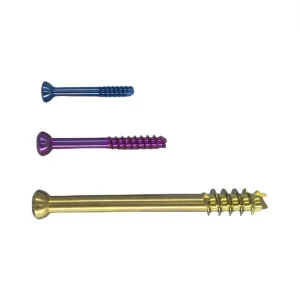
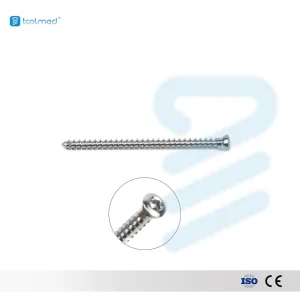
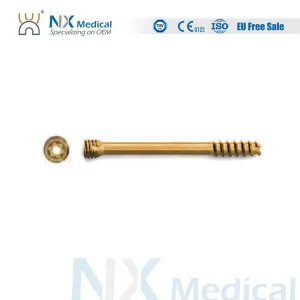
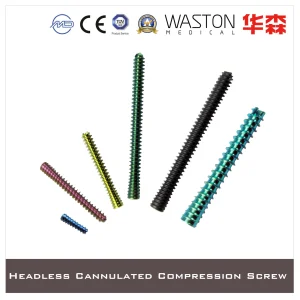
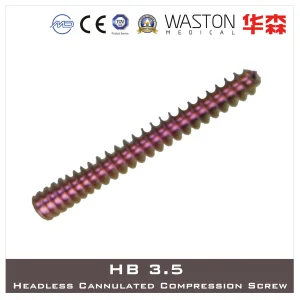
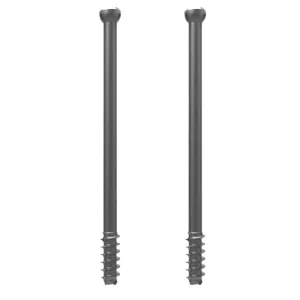
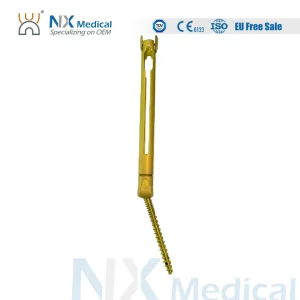
Osaka has long been recognized as the industrial heart of Japan, particularly in the realm of precision metalworking and medical technology. The region, specifically areas like Higashiosaka and Sakai, boasts a dense concentration of highly specialized factories that have transitioned from traditional craftsmanship to high-tech medical device manufacturing. As a premier cannulated screws factory in Osaka, we leverage this local ecosystem of "Monozukuri" (the art of making things) to produce implants that meet the most rigorous global standards.
The Kansai Life Science Cluster, centered in Osaka, provides a unique synergy between academic research institutions, such as Osaka University, and private manufacturing sectors. This collaboration allows for the rapid development of innovative surgical solutions, particularly in the field of orthopedic trauma and spinal fixation. Our presence in this hub ensures that we stay at the forefront of material science, incorporating the latest titanium alloys and surface treatment technologies into every cannulated screw we produce.
The global orthopedic market is witnessing a shift towards smarter, more biocompatible fixation solutions. In Osaka's competitive landscape, suppliers are focusing on several key developmental trends:
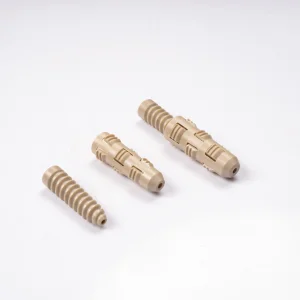
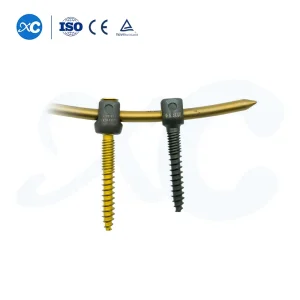
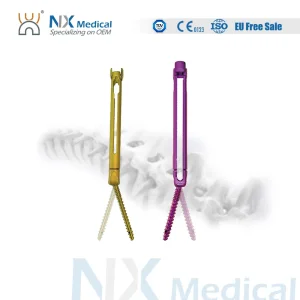
1. Material Superiority: While stainless steel remains a staple, the shift towards Titanium and PEEK (Polyether ether ketone) is undeniable. Osaka suppliers are pioneering the use of Grade 5 Titanium for its superior strength-to-weight ratio and MRI compatibility. Our cannulated pedicle screws utilize these materials to ensure long-term stability in complex spinal fusions.
2. Bio-active Coatings: Modern orthopedic applications now require screws that do more than just hold bone. Hydroxyapatite (HA) coatings and other surface modifications are being integrated to enhance osseointegration, a technique being perfected in Osaka's specialized research labs.
3. Smart Instrumentation: The trend in Osaka is moving towards providing not just the implant, but the entire surgical ecosystem. This includes disposable guide wires and precision-engineered drills that minimize heat generation during bone entry, protecting the delicate biological environment of the fracture site.
In the high-pressure environments of major Osaka hospitals like the Osaka University Hospital or the Osaka City University Hospital, reliability is non-negotiable. Our cannulated screws are utilized in a variety of localized surgical scenarios:
Our commitment to quality mirrors the legendary industrial standards of Osaka. We are dedicated to the research, development, production, and sales of orthopedic implants and tools. In the continuous process of design updates, we strive for excellence, meticulously crafting each product.
Our Quality Control Philosophy: Quality and integrity first, striving for excellence, and pursuing the highest standards. Every cannulated screw undergoes a multi-stage validation process, including dimensional inspection using high-resolution optical systems, torque testing, and material biocompatibility verification.
A professional R&D team and long-term technical exchanges with leading hospital experts ensure that our products function to their fullest potential. This iterative feedback loop with practicing surgeons is what allows us to refine the thread pitch, cannulation diameter, and self-tapping capabilities of our screws.
Our factory has successfully passed ISO 9001 and ISO 13485 certifications, the bedrock of medical manufacturing. Our products exceed all international quality and safety standards, including CE and FDA certifications.
For many years, our products have been exported to more than 70 countries and regions across Europe, America, Africa, and Southeast Asia, bringing Osaka's precision to the global stage.
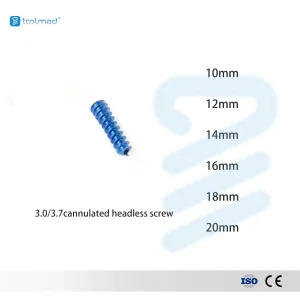
What sets an Osaka-supplied cannulated screw apart? It is the attention to micro-details that ensure macro-stability. Below are the technical hallmarks of our product line:
 Daher Orthopedic Implants