Precision-machined titanium bone hardware optimized for stable reduction, bio-tensile efficiency, and predictable healing in challenging clinical environments.
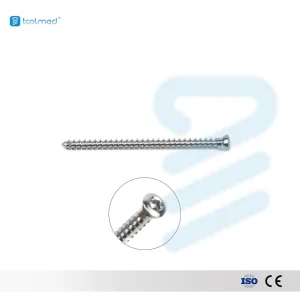
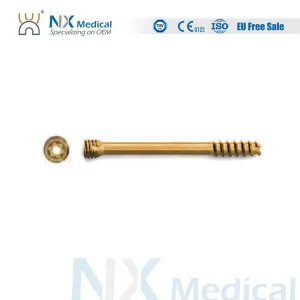
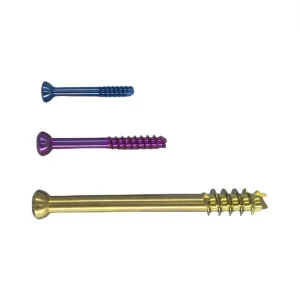
The global demand for high-strength, bio-compatible orthopedic fixation hardware has undergone a massive paradigm shift. Specifically, surgical cannulated screws have emerged as the gold standard for stabilizing bone fragments in minimally invasive surgeries (MIS). By utilizing a hollow central shaft (cannulation), these implants allow orthopedic surgeons to insert guide wires dynamically, ensuring precise pilot placement prior to final osteosynthesis. This structural optimization dramatically decreases operative time, minimizes tissue necrosis, and accelerates patient rehabilitation.
Providing cutting-edge orthopedic healthcare in Vanuatu introduces unique geographical, atmospheric, and infrastructural variables. With major centers like Port Vila Central Hospital and Northern Provincial Hospital serving distributed populations across multiple archipelagos, surgical units demand robust, corrosion-resistant, and high-performance titanium implants. Vanuatu’s humid tropical climate requires surgical hardware to be vacuum-packed in sterile, triple-layer containment barriers to prevent microbial degradation prior to clinical entry.
Furthermore, because revision orthopedic surgeries are logistically difficult in remote Pacific regions, primary fixation must succeed without fail. This places a vital emphasis on using medical-grade ASTM F136 titanium alloys, which yield unparalleled biocompatibility and high pull-out resistance under torsional strain. Our custom supply chains and manufacturing protocols are designed to directly address Vanuatu’s logistics, custom duties, and remote transport criteria, ensuring secure transit from our factories to the operating theater.
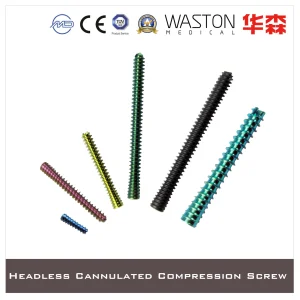
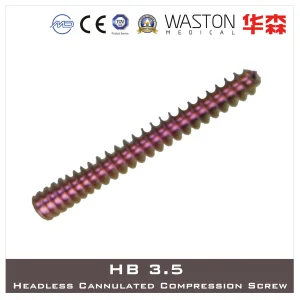
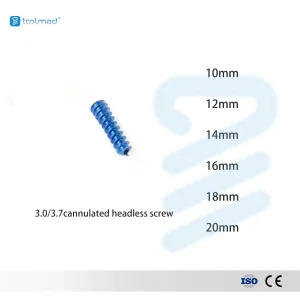
On a macro scale, the orthopedic sector is pivoting toward self-tapping, self-drilling, and headless compression variations. Standard cancellous bone screws are giving way to Herbert-type cannulated screws, which offer variable-pitch threads. This structural difference causes the distal thread to move faster through bone than the proximal thread, drawing bone fragments tightly together for enhanced compression without the need for a wide screw head. Modern factories also integrate advanced surface modification methodologies, such as electrochemical oxidation, which creates a protective oxide barrier and improves osseointegration.
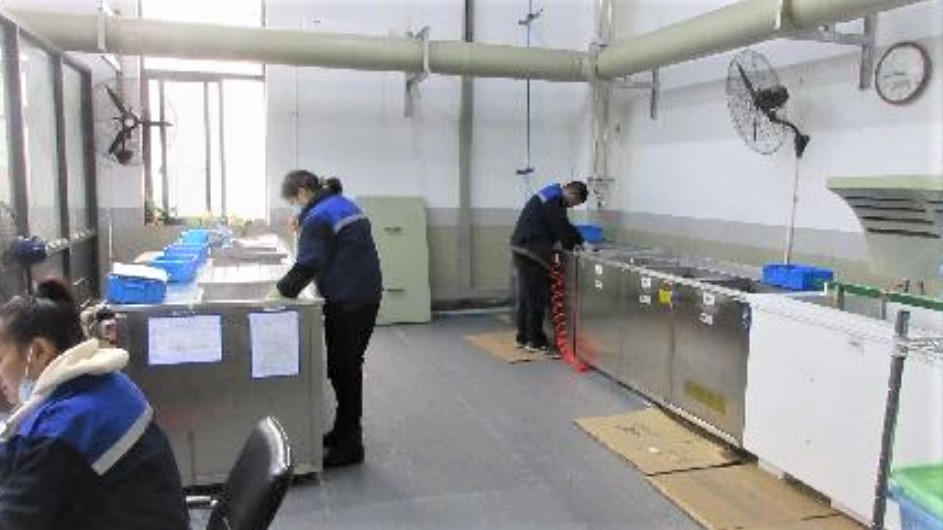
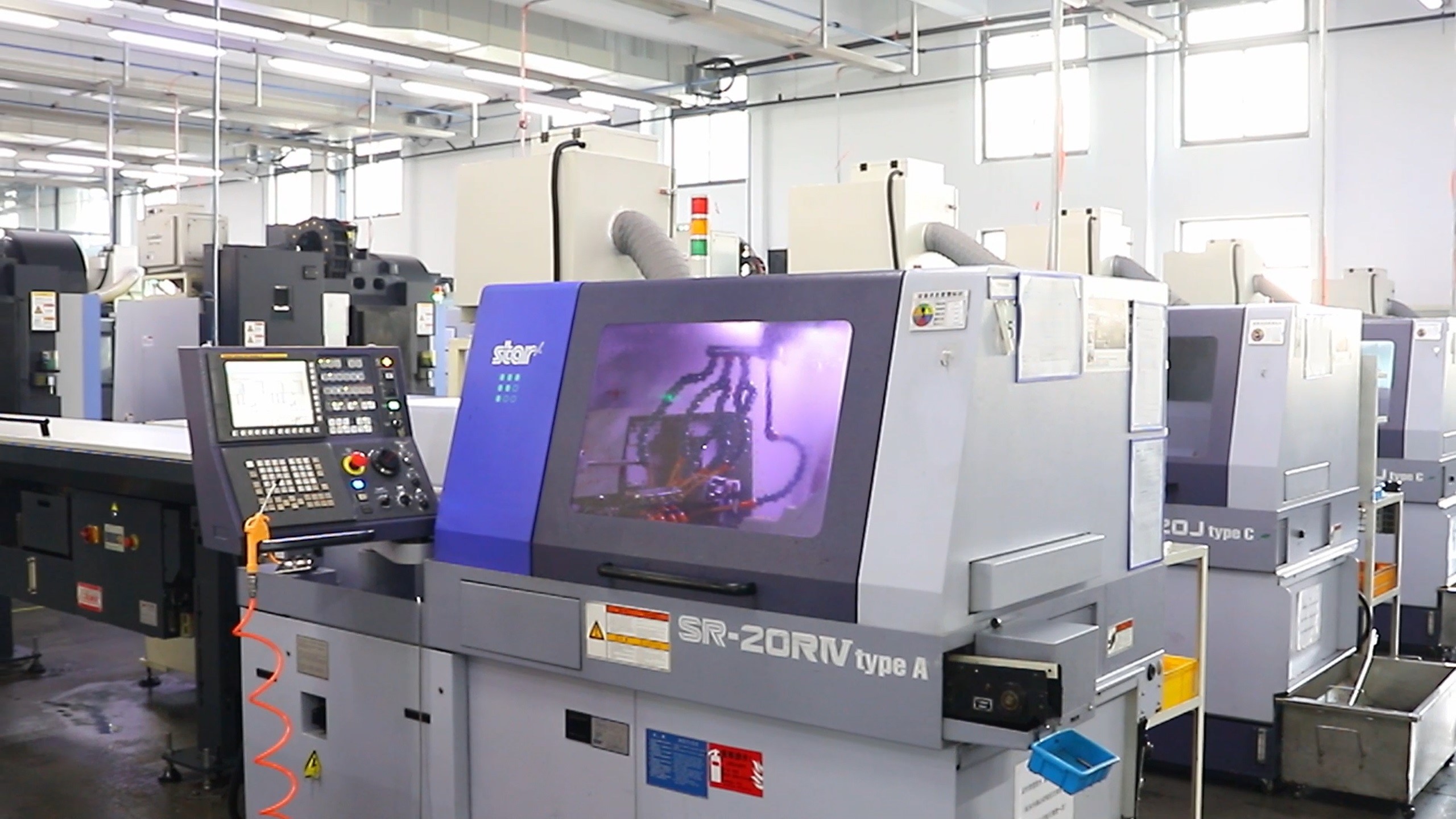
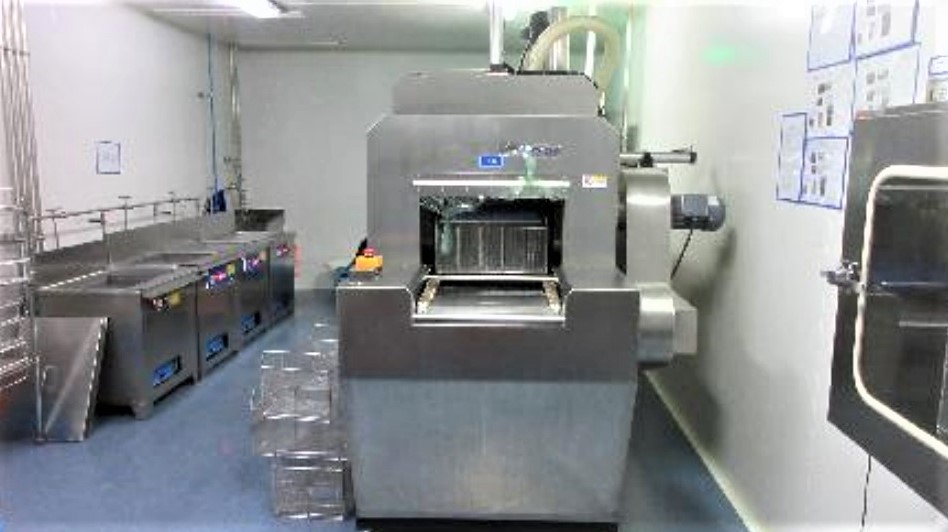
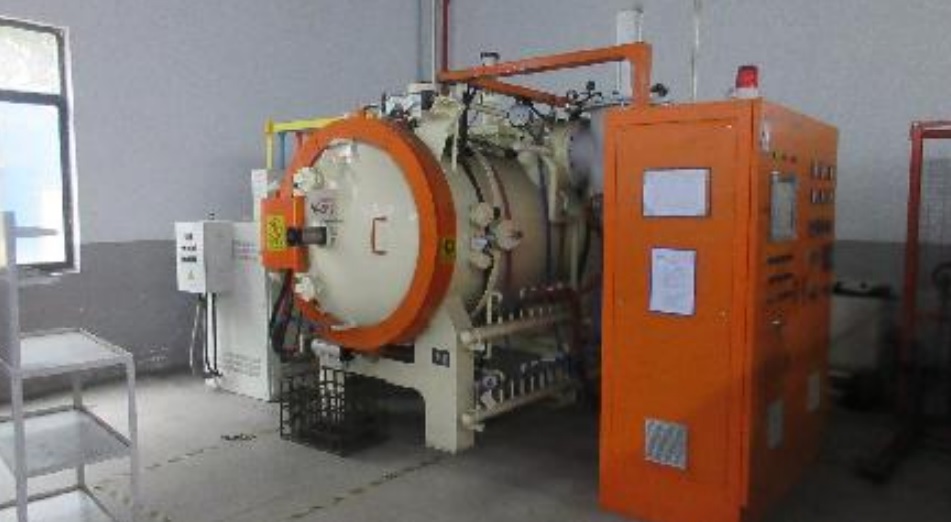
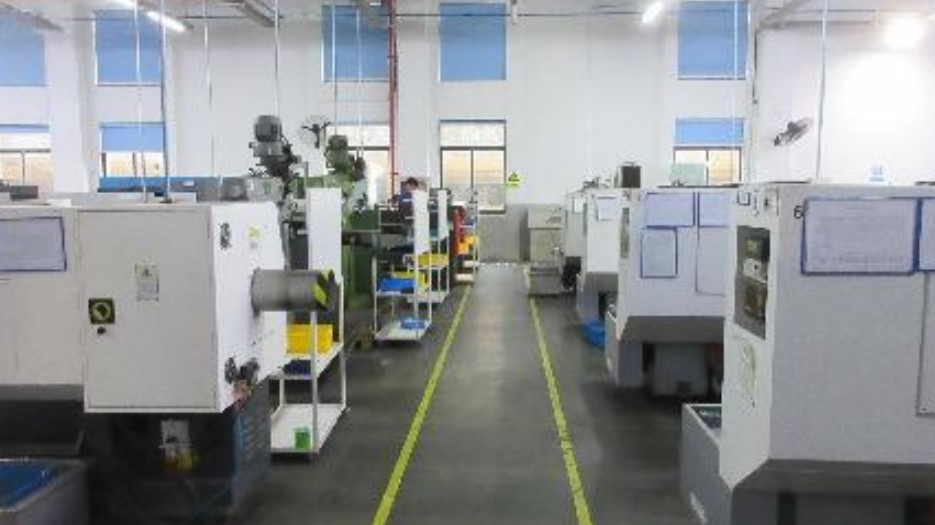
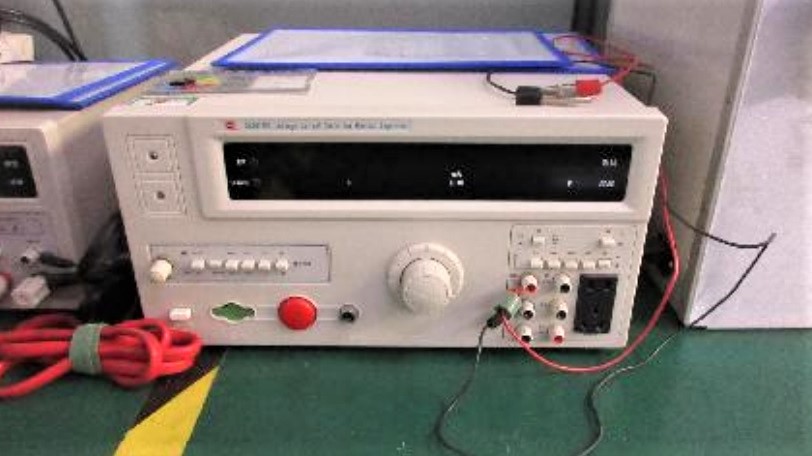
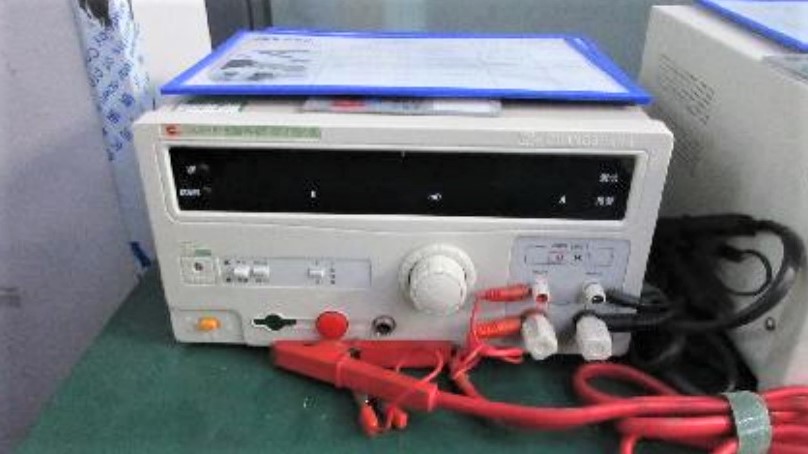
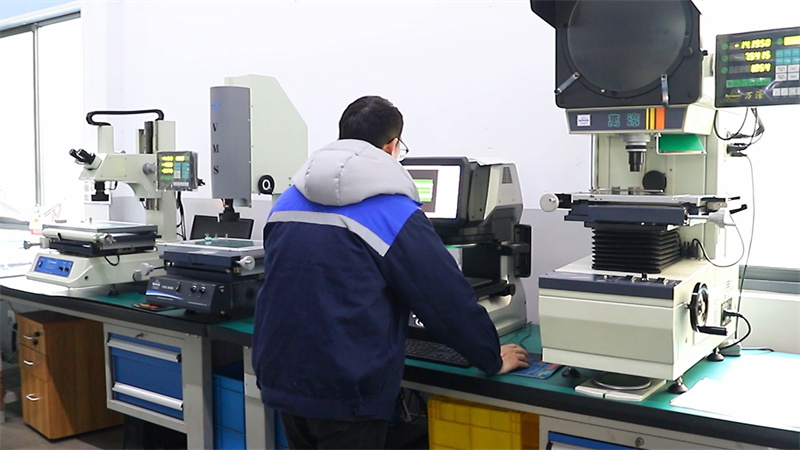
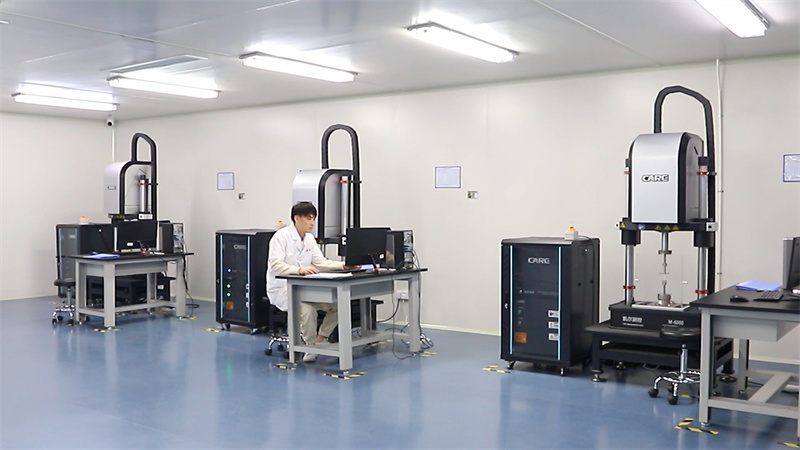
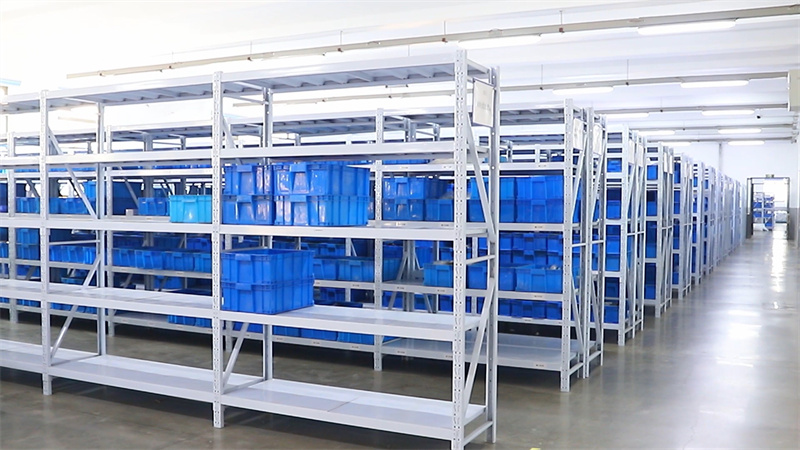
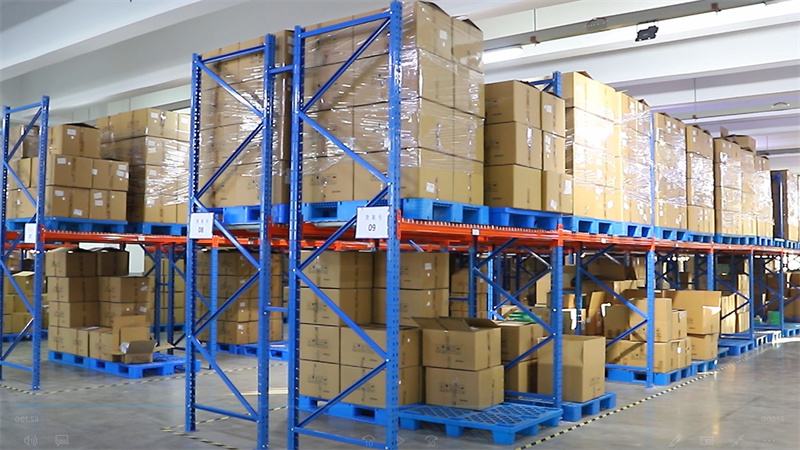
We are dedicated to the research, development, production, and sales of orthopedic implants and tools. In the continuous process of design updates, we strive for excellence, meticulously crafting each product. Below is the hardware backbone of our ISO 9001 and ISO 13485 certified facilities.

Quality and integrity first, striving for excellence, and pursuing the highest standards.
A professional R&D team and long-term technical exchanges with leading hospital experts ensure that our products function to their fullest potential. Our factory has passed ISO 9001 and ISO 13485 certifications. Our products exceed all international quality and safety standards, including CE and FDA certifications. For many years, our products have been exported to more than 70 countries and regions in Europe, America, Africa, and Southeast Asia.
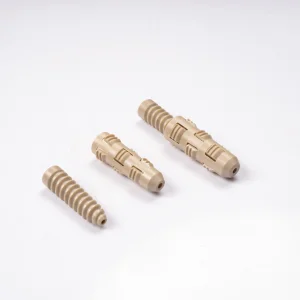
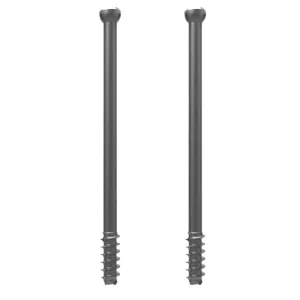
Engineered to resolve complex orthopedic fractures, our cannulated compression screws offer distinct structural configurations. Understanding the mechanical differences is key for clinicians seeking high fixation stability:
| Technical Parameter | Titanium Alloy (Ti-6Al-4V ELI) | Stainless Steel (316LVM) | Clinical Application Benefit |
|---|---|---|---|
| Elastic Modulus (GPa) | 110 | 200 | Titanium matches human bone closer, reducing stress shielding. |
| Corrosion Resistance | Excellent (Passive TiO2 film) | High | Crucial for humid, tropical environments like Vanuatu. |
| Tensile Strength (MPa) | 860 | 740 | Prevents intraoperative shear failure during high torque insertion. |
| Guide Wire Precision | Standardized ±0.01mm | Standardized ±0.01mm | Ensures concentric drilling, eliminating lateral bone damage. |
The insertion of a surgical cannulated screw involves a strict sequential protocol. First, a guide wire is drilled percutaneously into the fracture zone under C-arm fluoroscopy. This visual feedback ensures correct trajectory and length alignment. Following wire placement, a cannulated drill bit is fed over the guide wire to create the pilot channel. Finally, the screw is driven home. The integration of self-tapping cutting flutes near the distal tip eliminates the need for separate pre-tapping, preserving trabecular bone density and enhancing initial purchase.
Exporting orthopedic hardware to island nations like Vanuatu presents complex distribution paths. The atmospheric conditions demand double-bagged, sterile packaging using medical-grade Tyvek to prevent gas exchange and maintain barrier properties during ocean transit. Our shipping channels feature temperature-controlled tracking to ensure materials arrive in pristine surgical-ready status, minimizing sterilization delays for local hospitals.
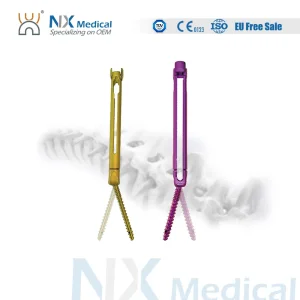
Explore our expanded collection of spinal, trauma, and sports medicine fixation solutions engineered for demanding clinical requirements.
Get immediate professional answers to frequently asked technical and commercial queries concerning surgical imports to Vanuatu.
 Daher Orthopedic Implants