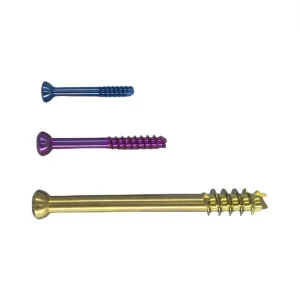
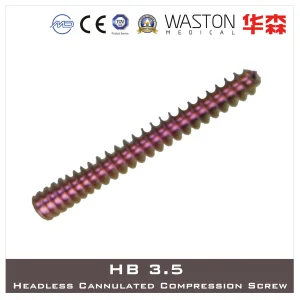
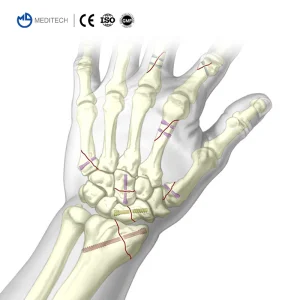
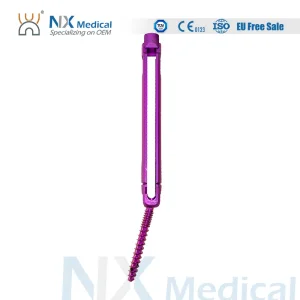
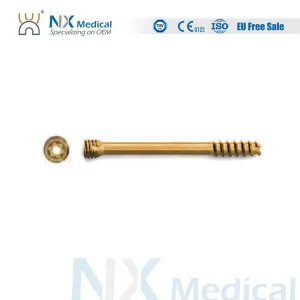
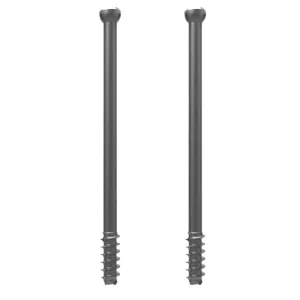
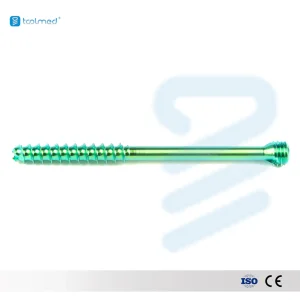
Engineered with micro-precision hollow core design to facilitate guide-wire insertion, ensuring anatomical alignment in minimally invasive trauma surgeries.
Trinidad and Tobago, as one of the most industrialized nations in the Caribbean region, supports a dual-tiered healthcare system consisting of public hospitals (governed by the Regional Health Authorities, or RHAs) and a rapidly expanding private medical sector. Major healthcare hubs, including the Eric Williams Medical Sciences Complex (EWMSC) in Mt. Hope, the Port of Spain General Hospital, and the San Fernando General Hospital, manage a substantial volume of orthopedic trauma cases annually. These clinical centers cater not only to the domestic population of Trinidad and Tobago but also act as regional referral centers for neighboring CARICOM states, including Grenada, St. Vincent, and Guyana.
The industrial and energy-based economy of Trinidad, centered around the Point Lisas Industrial Estate and offshore petroleum installations, contributes to a specific profile of high-impact occupational trauma. Fractures of the tibial plateau, femoral neck, and talus, along with severe hand and foot crush injuries, represent a significant portion of emergency surgeries. Consequently, the demand for precise internal fixation implants—specifically titanium cannulated screws—has intensified. Advanced clinical settings require implants that combine high biomechanical stability with surgical efficiency to decrease overall operating room time and accelerate patient rehabilitation.
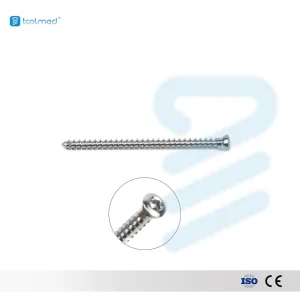
Cannulated screws represent a landmark advancement in orthopedic internal fixation. The core feature of these implants is their hollow center (cannulation), which allows them to be inserted over a pre-placed guide wire. This mechanism offers several critical clinical advantages over solid bone screws:
For international buyers, medical distributors, and surgical procurement managers in Trinidad and Tobago, sourcing orthopedic implants requires absolute assurance of quality, biocompatibility, and mechanical reliability. Our production line operates under a strict quality management system certified to ISO 9001 and ISO 13485 standards, complying with both CE and FDA requirements.
Our raw materials consist exclusively of implant-grade titanium alloys (typically Ti-6Al-4V ELI / ASTM F136) and high-quality surgical stainless steel (316LVM / ASTM F138). Titanium is the material of choice due to its excellent strength-to-weight ratio, low elastic modulus (which mitigates stress shielding), and outstanding corrosion resistance in biological environments—a crucial property for implants utilized in the tropical, humid environment of the Caribbean islands.
Why hospital networks and medical device distributors in Port of Spain trust our manufacturing pipeline.
Fully certified under ISO 13485, CE, and FDA frameworks. Each cannulated screw batch is fully traceable from raw bar stock to finished sterile medical packaging, ensuring patient safety.
Utilizing Ti-6Al-4V ELI (Extra Low Interstitial) alloys to yield superior fatigue limit, ultimate tensile strength, and bio-inertness within bone structures.
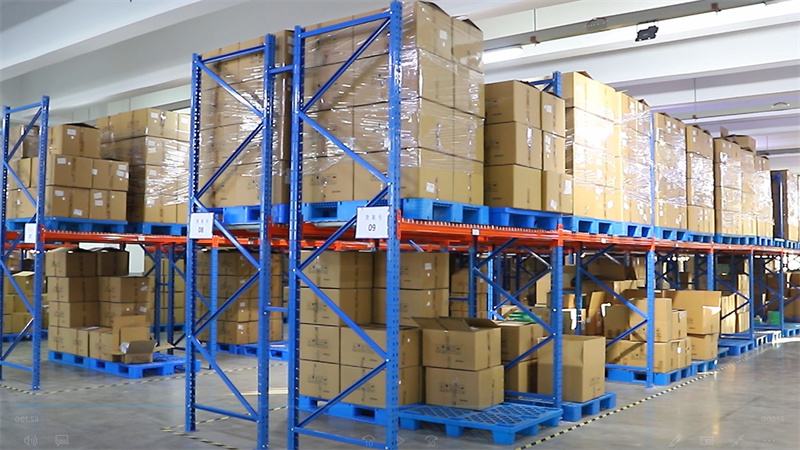
Established cold-chain and standard sterile shipping routes directly serving the Port of Port of Spain and Piarco International Airport, minimizing customs clearance times.
Our research and development team, in collaboration with leading clinical experts, has designed our orthopedic cannulated screw lines to address the key failure modes of traditional implants. By focusing on mechanical geometry and material science, we offer implants that deliver superior performance in the operating room.
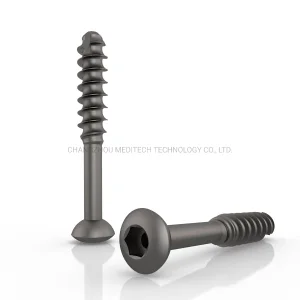
Surgical environments require speed and reliability. Our screws feature self-tapping cutting flutes that carve a precise mating thread in the bone as they are inserted. This self-drilling and self-tapping design reduces the need for separate pre-drilling and tapping steps, which can lead to thermal necrosis of the surrounding bone tissue. The sharp thread entry design reduces the insertion torque while ensuring high purchase strength in both cancellous and cortical bone.
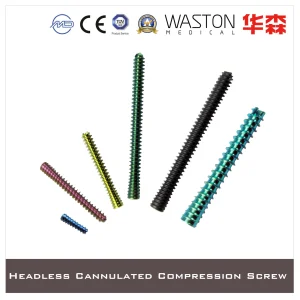
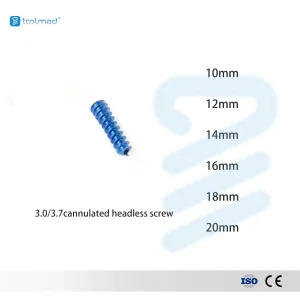
For intra-articular fractures (such as scaphoid, radial head, or osteochondral fractures), protruding screw heads can damage opposing articular cartilage. Our Headless Compression Screws (HCS) feature a dual-thread design where the leading and trailing threads have different pitches. As the screw is advanced, the difference in pitch compresses the fracture line mechanically, drawing the bone fragments together. The headless profile allows the screw to be buried beneath the joint cartilage, preserving articular function.
To improve biological integration, the titanium screws undergo a controlled anodic oxidation process. This surface treatment thickens the natural titanium oxide layer, enhancing corrosion resistance and creating a micro-textured surface that supports osteoblast attachment and osteointegration. It also allows color-coding of the screws (e.g., green for 4.0mm, blue for 6.5/7.3mm) for easier surgical identification.
Navigating the import regulations of Trinidad & Tobago requires a reliable manufacturer who can supply comprehensive technical documentation. The Chemistry, Food and Drugs Division (CFDD) of the Ministry of Health in Trinidad requires detailed dossiers, including Certificates of Free Sale, ISO certifications, and biocompatibility reports (ISO 10993). We supply a complete regulatory packet with every shipment to ensure a smooth customs clearance process. We also support local distributors in CARICOM with clinical training guides, surgical instrumentation kits, and hands-on workshops to build technical expertise among regional orthopedic surgeons.
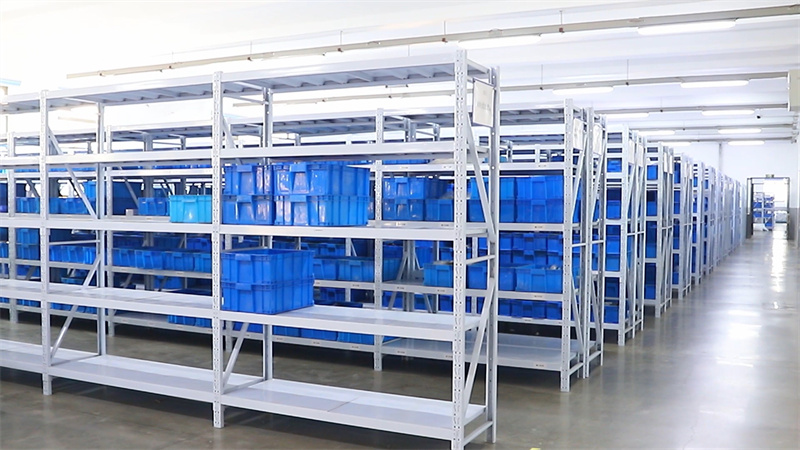
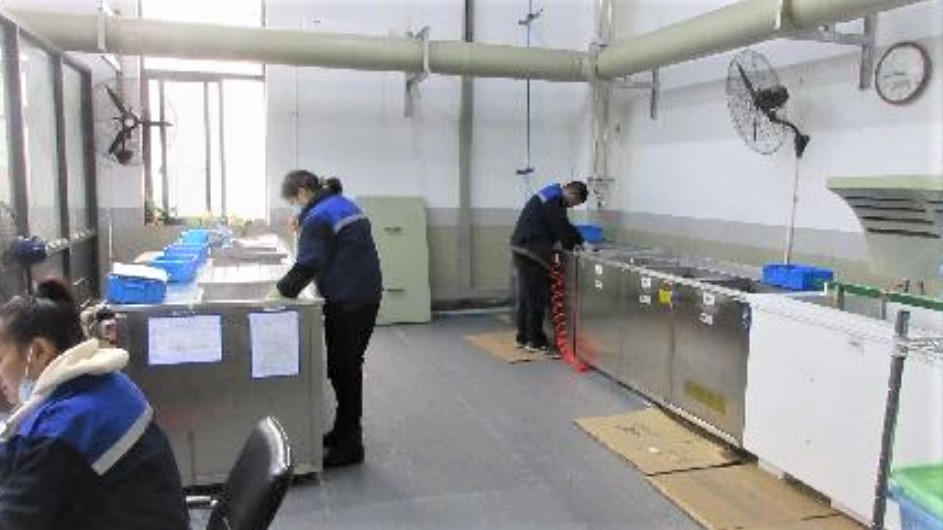
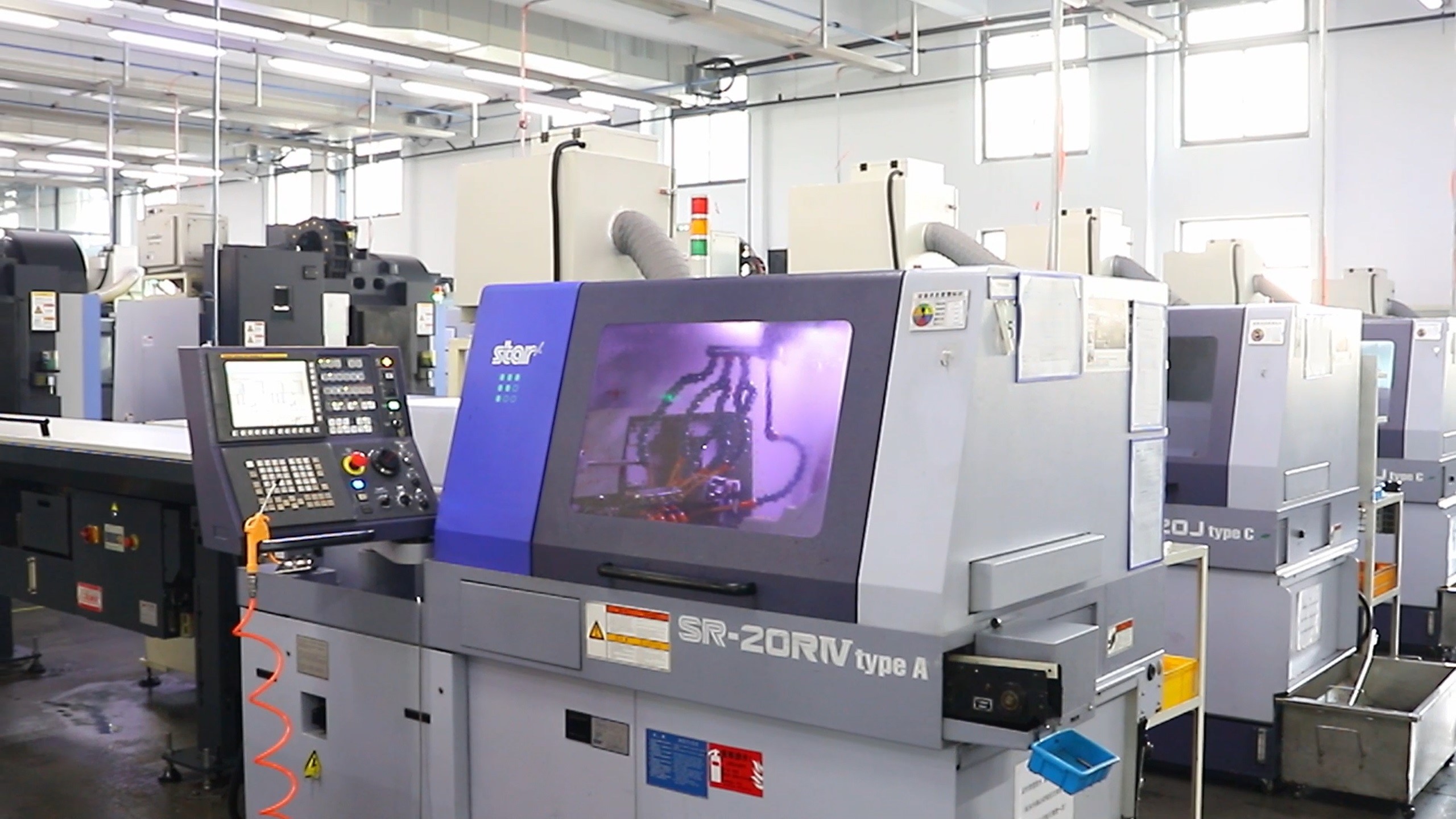
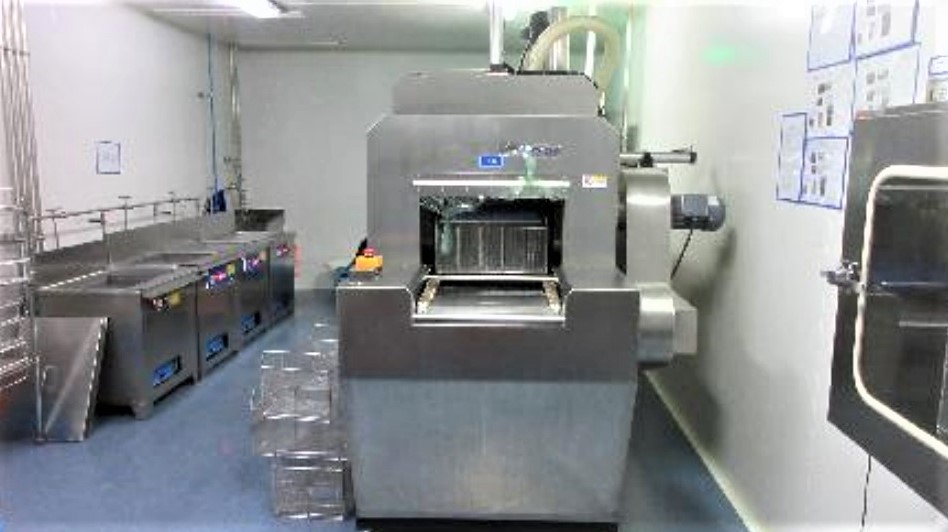
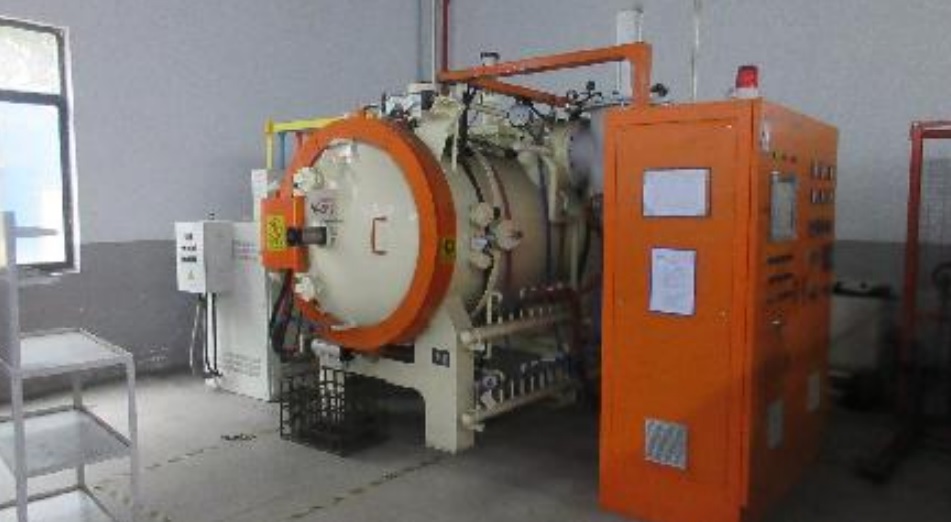
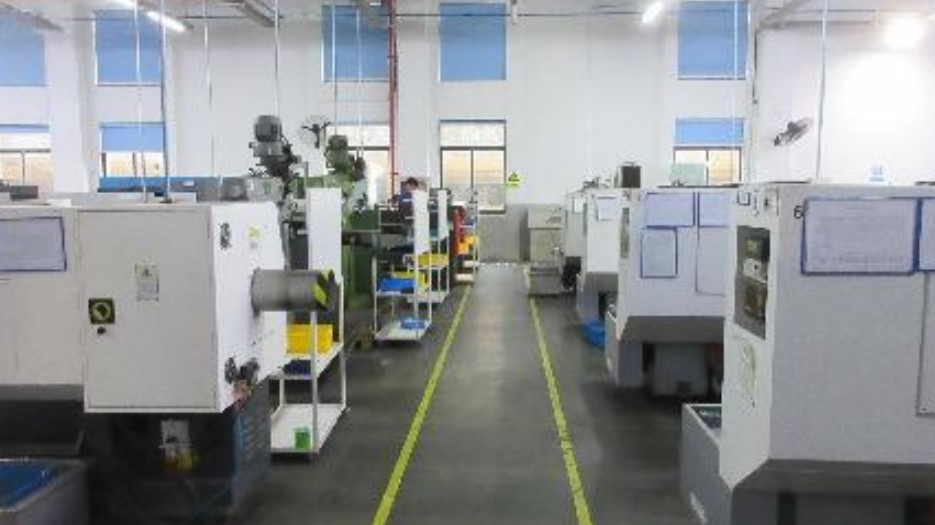
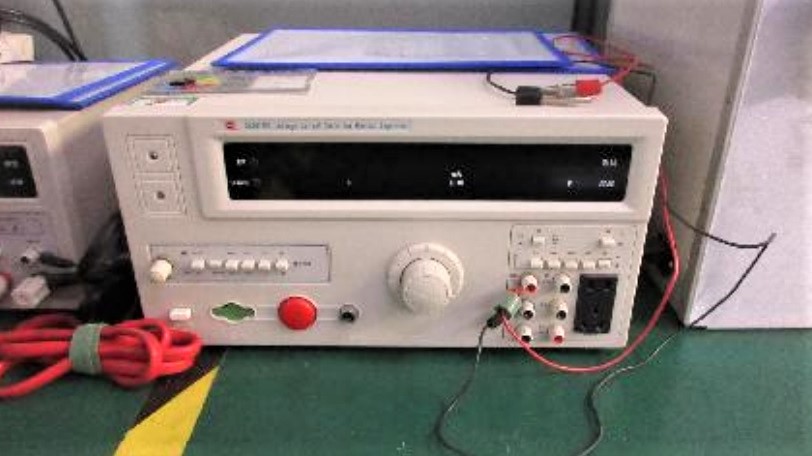
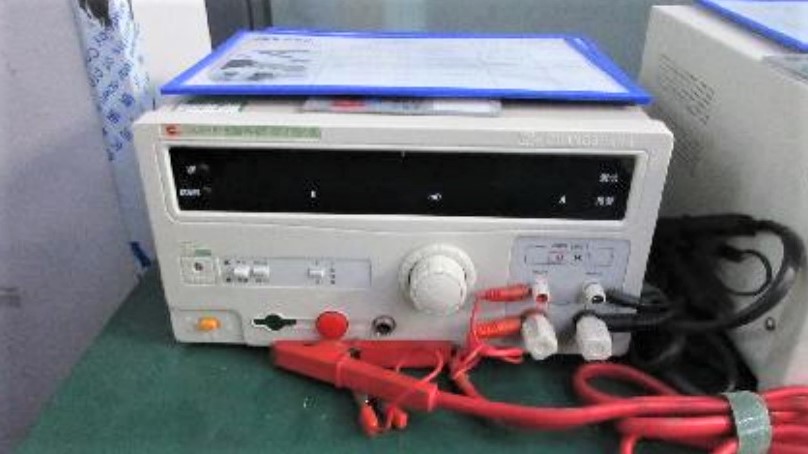
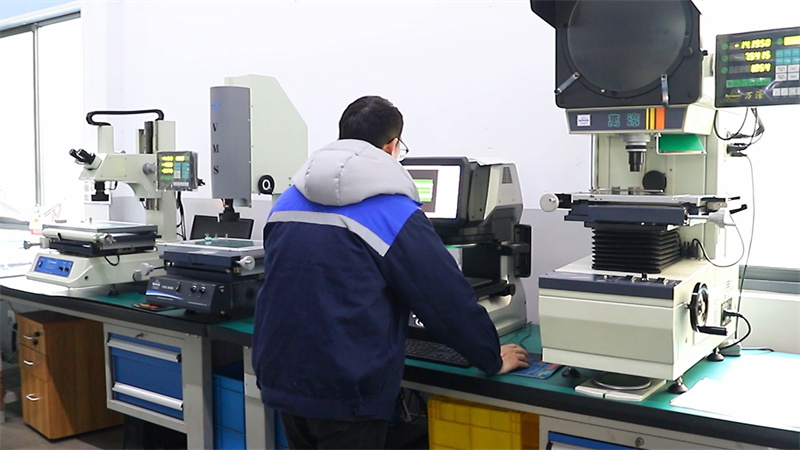
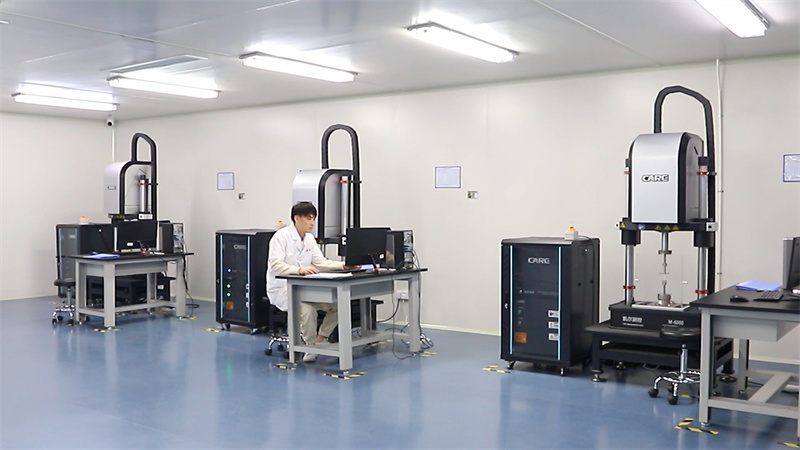
Employing cutting-edge industrial machinery and testing equipment to guarantee orthopedic implant structural integrity.

The field of internal bone fixation is shifting from traditional inert metals toward smart, bio-responsive, and bioabsorbable materials. This transformation aims to reduce long-term implant presence, mitigate cold-sensitivity and stress shielding, and eliminate the need for secondary surgeries to remove hardware. Our product research roadmap focuses on two primary areas:
Magnesium (Mg) alloys represent a promising development in absorbable implant technology. Magnesium degrades naturally in the body via corrosion, releasing magnesium ions that promote osteogenesis and bone healing. This process avoids the localized inflammatory reactions sometimes caused by polymeric implants (such as PLLA). Our upcoming generation of Mg-based cannulated screws will match the mechanical strength of titanium during the critical 8–12 week healing window, and then gradually resorb, leaving a naturally repaired bone pathway.
Using Electron Beam Melting (EBM) and Direct Metal Laser Sintering (DMLS), we are developing cannulated screws with porous structural shafts. These porous channels mimic the cellular structure of trabecular bone, encouraging rapid bone ingrowth directly into the screw body. This technology improves early torsional resistance and secures implant placement in osteoporotic bone, which is a major concern in geriatric trauma care.
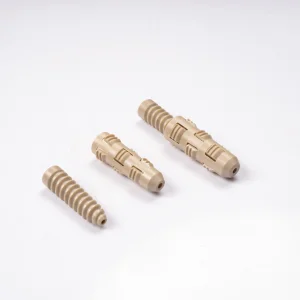
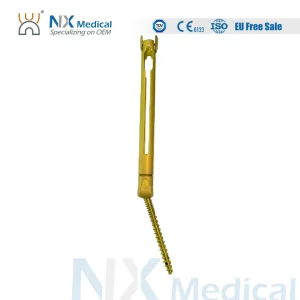
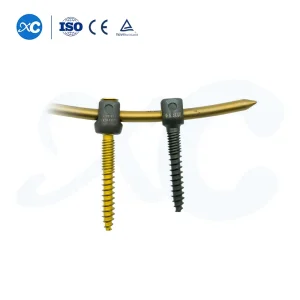
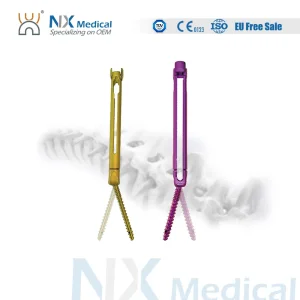
Discover our comprehensive collection of self-tapping, compression, and bone-cement injectable spinal and trauma fixation screws.
Technical support, regulatory information, and shipping details for distributors and medical staff in Trinidad and Tobago.
Our cannulated screws are manufactured from implant-grade Titanium Alloy (Ti-6Al-4V ELI) conforming to ASTM F136 standards, and high-performance Medical Stainless Steel conforming to ASTM F138. Titanium is preferred for most Caribbean regional settings due to its superior corrosion resistance in warm, humid coastal regions.
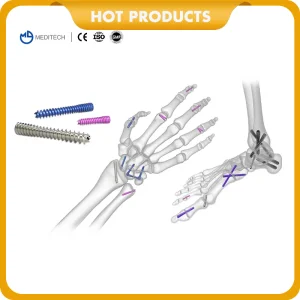
We supply a comprehensive range of diameters including micro sizes (2.0mm, 2.5mm, 3.0mm) for hand and foot reconstruction, medium sizes (4.0mm, 4.5mm) for ankle and forearm trauma, and large sizes (6.5mm, 7.3mm) with partially or fully threaded configurations for femoral neck fixation. Custom options are also available for specific clinical applications.
We provide all documentation required by the Chemistry, Food and Drugs Division (CFDD) of the Ministry of Health in Trinidad, including ISO 13485 and ISO 9001 certificates, CE Certificates of Conformity, and Free Sale Certificates. Each shipment includes full lot traceability to support regional tracking and quality assurance.
Standard air freight shipments to Piarco International Airport generally arrive within 7 to 10 working days after order processing. Bulk maritime shipments directed to the Port of Port of Spain or the Port of Point Lisas average 25 to 35 days, depending on shipping line scheduling.
We offer both sterile-packaged implants (sterilized via Gamma irradiation under ISO 11137) and non-sterile options. Non-sterile screws are intended to be cleaned and autoclaved in local hospital central sterile processing departments (CSSD) before surgical use.
 Daher Orthopedic Implants