Premium implant systems and surgical solutions manufactured using advanced CNC techniques and medical-grade titanium.
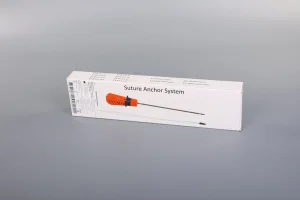
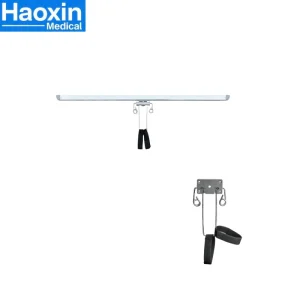
An authoritative analysis on raw material metallurgy, manufacturing tolerances, international compliance frameworks, and procurement metrics for global healthcare vendors.
“We are dedicated to the research, development, production, and sales of orthopedic implants and tools. In the continuous process of design updates, we strive for excellence, meticulously crafting each product. Our quality control philosophy: Quality and integrity first, striving for excellence, and pursuing the highest standards.”
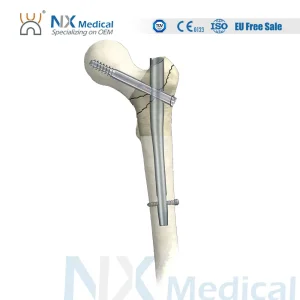
Procuring orthopedic implants, intramedullary locking nails, and external fixators requires strict technical evaluation. B2B procurement managers from healthcare chains, distributor consortiums, and national healthcare systems look beyond pricing. They prioritize manufacturing traceability, dynamic fatigue-life metrics, and raw material purity.
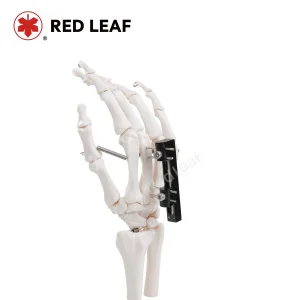
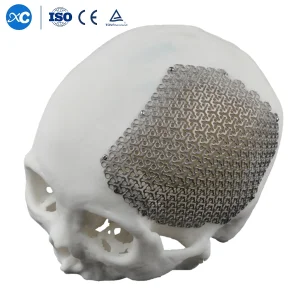
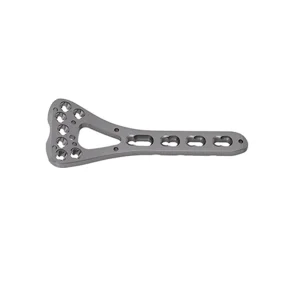
In trauma care, structural failure can lead to severe surgical revisions, legal liabilities, and compromised patient health. Sourcing custom OEM trauma systems requires deep verification of mechanical compatibility. The interface tension, biomechanical pullout forces, and thread pitch tolerances of locking screws must match anatomical bone densities. We solve these procurement challenges by delivering micro-engineered designs. These range from 3D cloud-shape cranial meshes to distal radius locking plate systems.
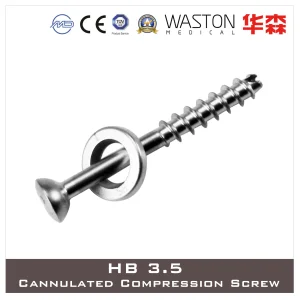
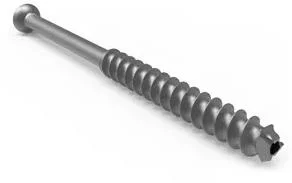
The biomechanical success of orthopedic trauma plates, cannulated compression screws, and spinal implants depends on metallurgy. As a top exporter, we use premium raw materials to ensure clinical efficacy and avoid bone resorption or tissue reactions.
| Material Classification | Biomechanical Profile | Primary Clinical Application Areas |
|---|---|---|
| Titanium Alloy (Ti-6Al-4V ELI / Grade 5) | Extreme strength-to-weight ratio, low elastic modulus approaching cortical bone, superb osseointegration. | Intramedullary femoral interlocking nails, bone plates, maxillofacial mesh implants. |
| Medical Grade Stainless Steel (316LVM) | High ultimate tensile strength and fatigue limit, vacuum arc remelted for ultra-low impurities. | Temporary external fixators, pediatric orthopedic screws, emergency Ilizarov rods. |
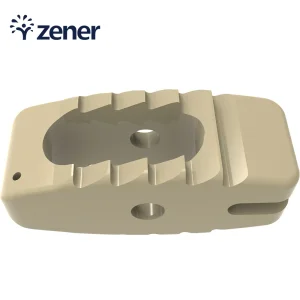
| High Performance PEEK Polymer | Radiolucent profile allowing X-ray visualization, elastic properties close to human bone tissue. | Spinal interbody fusion cages, lumbar spacers, specialized surgical instrument components. |
Our production techniques modify the surface finish of orthopedic implants to improve clinical results. We use Type II Anodization to create a bio-inert surface oxide layer. This prevents metallic ion release and improves thread durability in load-bearing titanium locking screws. We also apply micro-blasted textures to spinal cages to promote bone growth, securing stable long-term fusion.
National healthcare systems and private hospital consortiums need adaptable trauma systems that perform under pressure. For civilian emergency departments, field hospitals, or military medical organizations, implant modularity is essential.
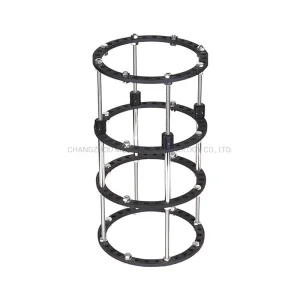
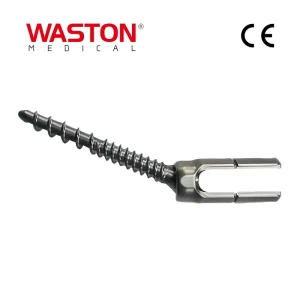
Our OEM and ODM development processes turn surgical concepts into market-ready implants. By partnering with leading hospital experts and clinical orthopedic surgeons, we maintain a design feedback loop. Whether creating customized pedicle screw systems for spine surgery or modular external ring fixators for complex tibial fractures, we handle the entire process from computer-aided design (CAD) to mass production.
Every implant is processed through advanced machinery to ensure high dimensional accuracy and clean surface finishes.
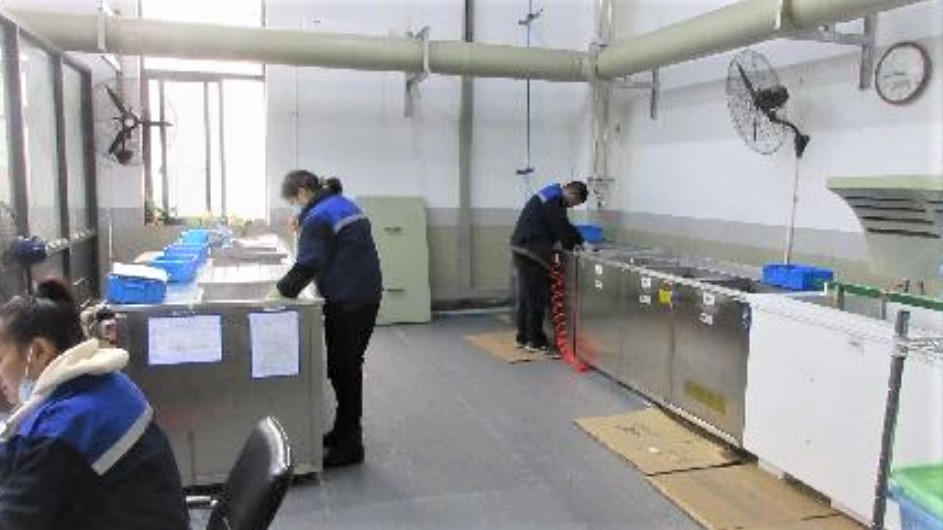
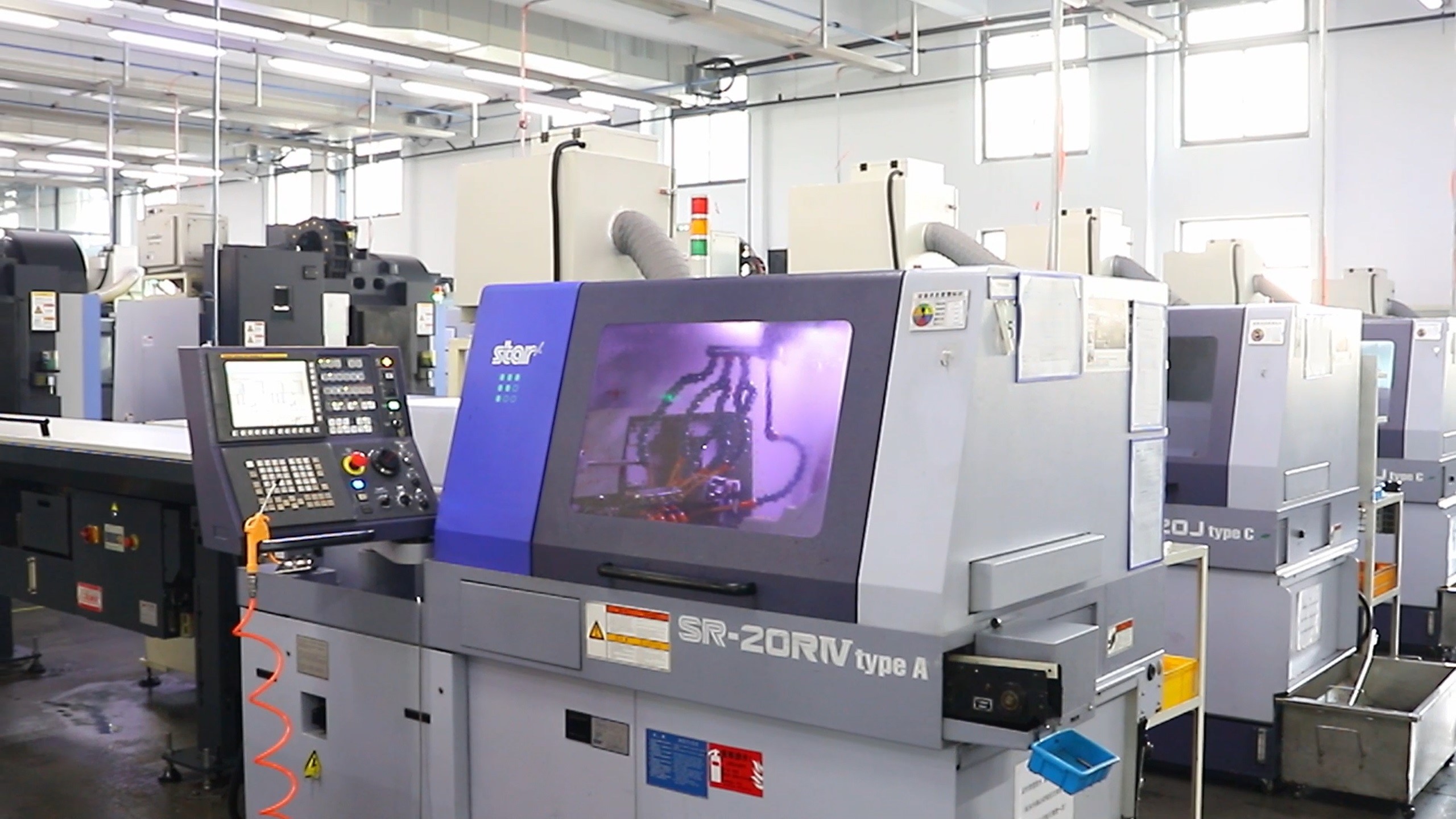
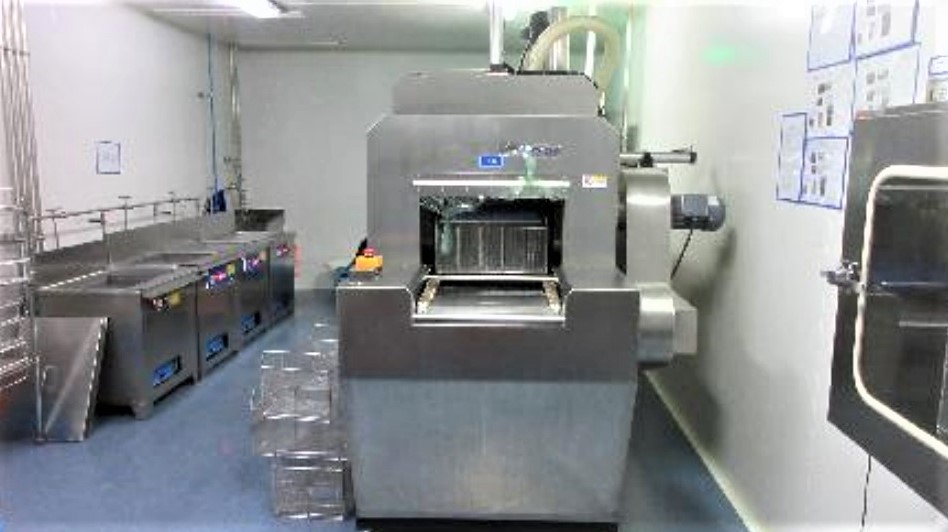
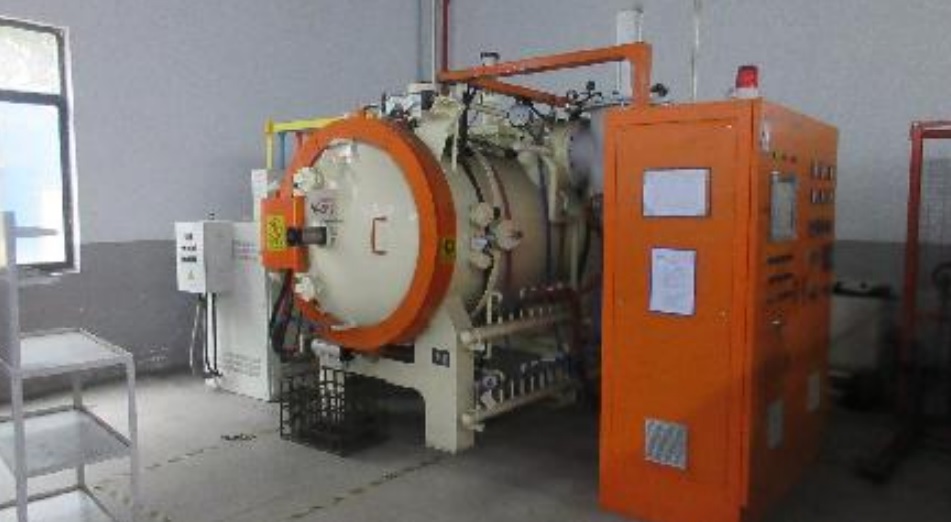
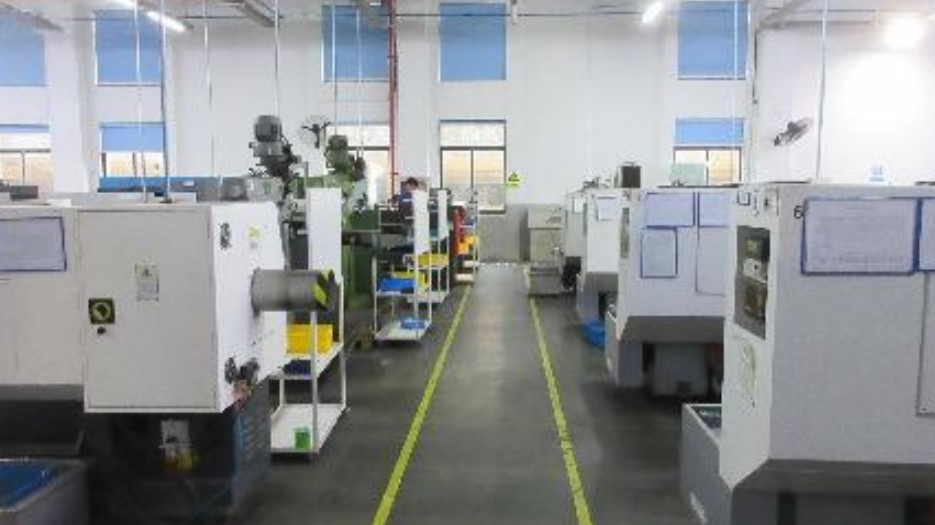
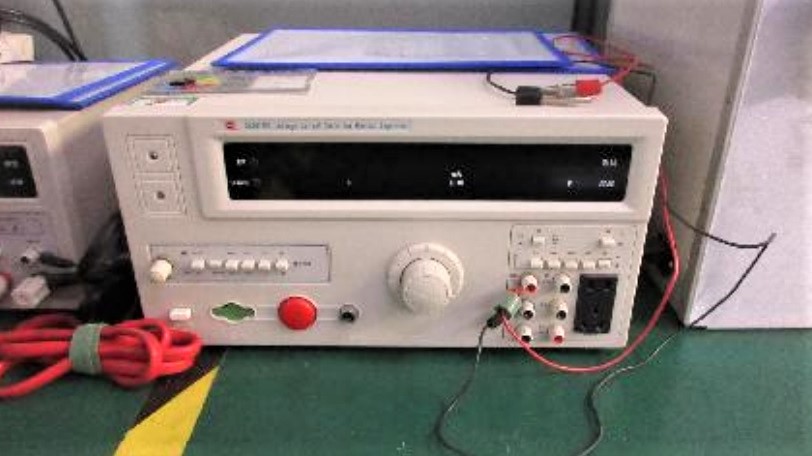
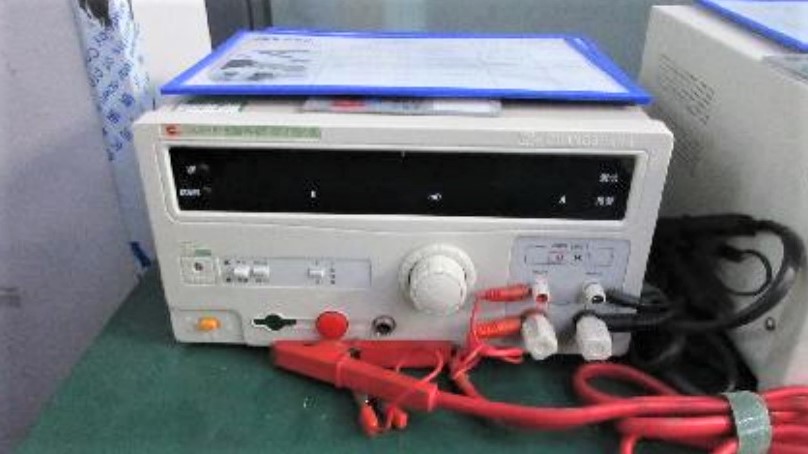
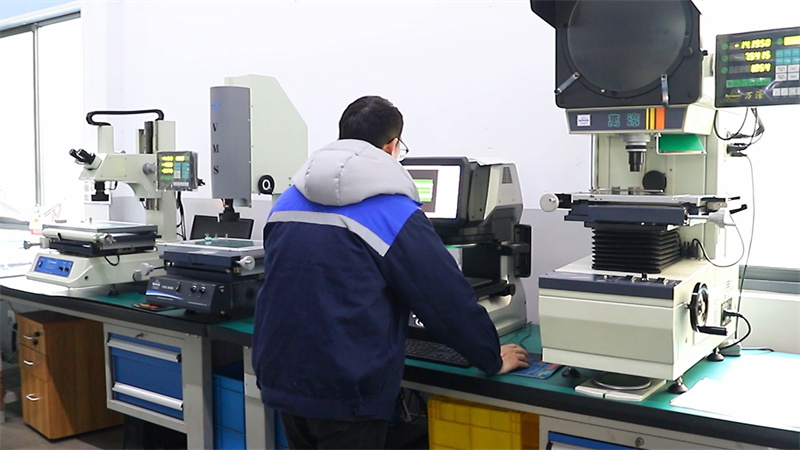
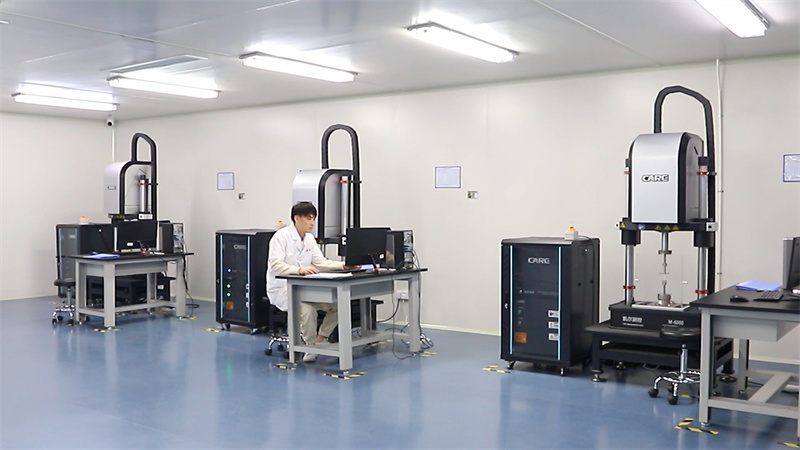
Our ISO 9001 and ISO 13485 certified facilities utilize high-precision testing apparatus to simulate real physiological forces. This guarantees that all exported lots exceed international standards including CE and FDA.
The future of orthopedic trauma care is moving toward responsive and bio-friendly materials. Our technical roadmap focuses on integrating dynamic healing technologies into our standard trauma product line:
Developing custom 3D printed trabecular structures that mimic natural bone porosity. This accelerates cell proliferation and improves mechanical fixation.
Developing bio-absorbable magnesium fixation pins and screws. These implants dissolve naturally after bone healing, avoiding the need for a second removal surgery.
Integrating micro-sensors into external fixator rods. These sensors monitor load distribution in real-time, helping clinicians track bone healing progress.
Exporting life-critical medical devices to over 70 countries requires a strong regulatory framework. In European markets, transitioning to the Medical Device Regulation (EU MDR 2017/745) calls for strict technical documentation and clinical follow-ups. In the United States, obtaining FDA 510(k) clearance demands extensive biomechanical testing. Our team manages these processes to keep products compliant in Europe, the Americas, Africa, and Southeast Asia.
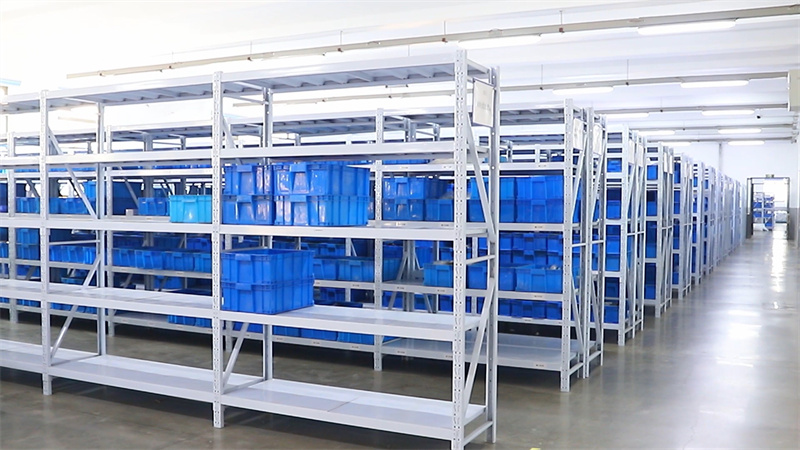
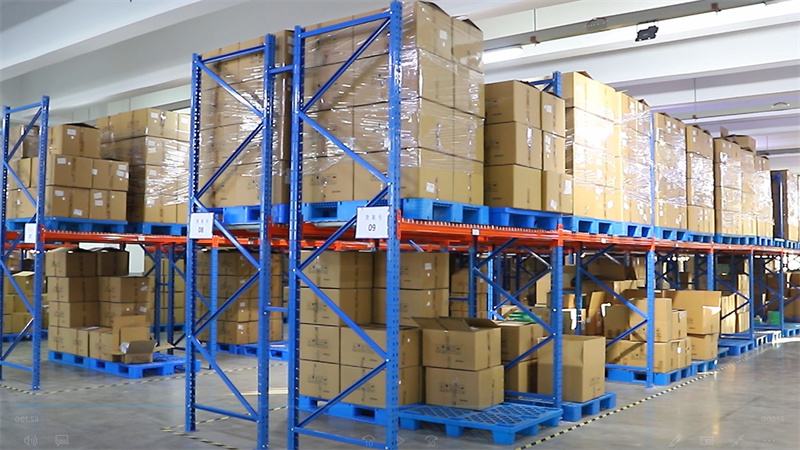
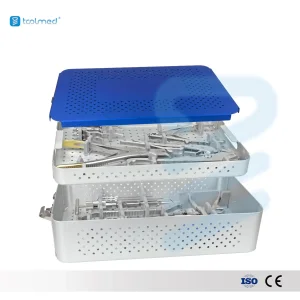
Our quality assurance workflow guarantees traceability down to the raw titanium ingot. Each production lot comes with chemical composition certificates, ultrasonic inspection reports, and sterilization test records. We also offer customizable surgical instrument kits to match local clinical preferences, helping our distribution partners simplify hospital purchasing workflows.

Answers to critical design, metallurgical, and regulatory questions from healthcare distributors and procurement managers.
High-durability orthopedic implants, cannulated screws, and instrument kits for clinical applications.
 Daher Orthopedic Implants