Medical-Grade Sterilization Trays & Cassette Solutions. Engineered for Hospital-Grade Performance, Compliant with FDA, CE & ISO 13485 Standards.
Explore our top orthopedic implants, structural fasteners, and surgical organizers custom-tailored for sterilization trays and trauma systems.
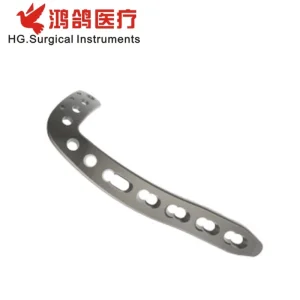
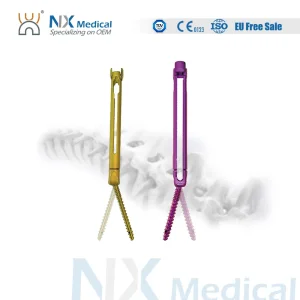
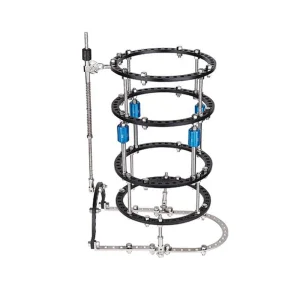
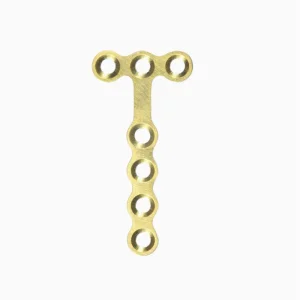
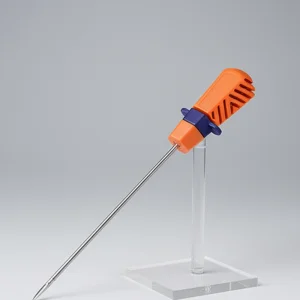
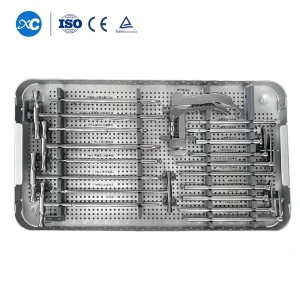
In modern clinical environments, the efficiency of operating theatres, infection control, and surgical instrument integrity are intimately linked with sterilization and delivery system design. Surgical trays, also known as sterilization cassettes or instrument containment systems, serve as the lifeblood of sterile processing departments (SPD) and surgical suites worldwide. They are not merely storage boxes; they are highly engineered medical devices that must withstand mechanical wear, high-pressure steam autoclaving, and harsh chemical sterilization, all while keeping delicate micro-instruments and orthopedic implants secure.
As a leading OEM/ODM surgical trays factory and exporter, we recognize the increasing global demand for customized, lightweight, and durable instrument organizers. This white paper details the technical landscape, material advancements, custom manufacturing solutions, and regulatory environments that orthopedic device manufacturers, hospital chains, and global distributors must navigate when sourcing surgical instrument trays.
“Excellence in surgical tray manufacturing requires a holistic understanding of sterilization chemistry, ergonomics, and material sciences. Every bracket, perforation, and latch impacts patient safety and surgical workflow efficiency.”
The surgical tray industry is undergoing a structural paradigm shift driven by technological advances and clinical requirements:
Developing high-performance surgical trays requires utilizing materials that withstand extreme sterilization procedures while remaining biocompatible. We source and process only premium-grade materials:
Medical-Grade Radel® PPSU (Polyphenylene Sulfone): This high-temperature thermoplastic is ideal for complex molded grids, bracket systems, and transparent lids. It offers outstanding impact resistance and can endure repeated steam sterilization (autoclave cycles at 134°C) without losing color, transparency, or structural flexibility.
Anodized Aluminum (5000 and 6000 Series): Preferred for its exceptional strength-to-weight ratio and rapid thermal transfer properties. Anodization produces a non-porous oxide coating that increases corrosion resistance and allows for color-coding (e.g., gold for 3.5mm systems, blue for 4.5mm systems).
Surgical-Grade Titanium and Stainless Steel: Utilized for high-wear components like locking mechanisms, hinges, and heavy-duty inserts. These metals ensure the tray remains securely locked during transportation and sterilization cycles.
For medical device manufacturers (OEMs), the surgical tray is the primary physical interface between their orthopedic implants and the orthopedic surgeon. A poorly designed tray can undermine the perceived quality of a premium implant system. Our OEM/ODM customization services ensure that:
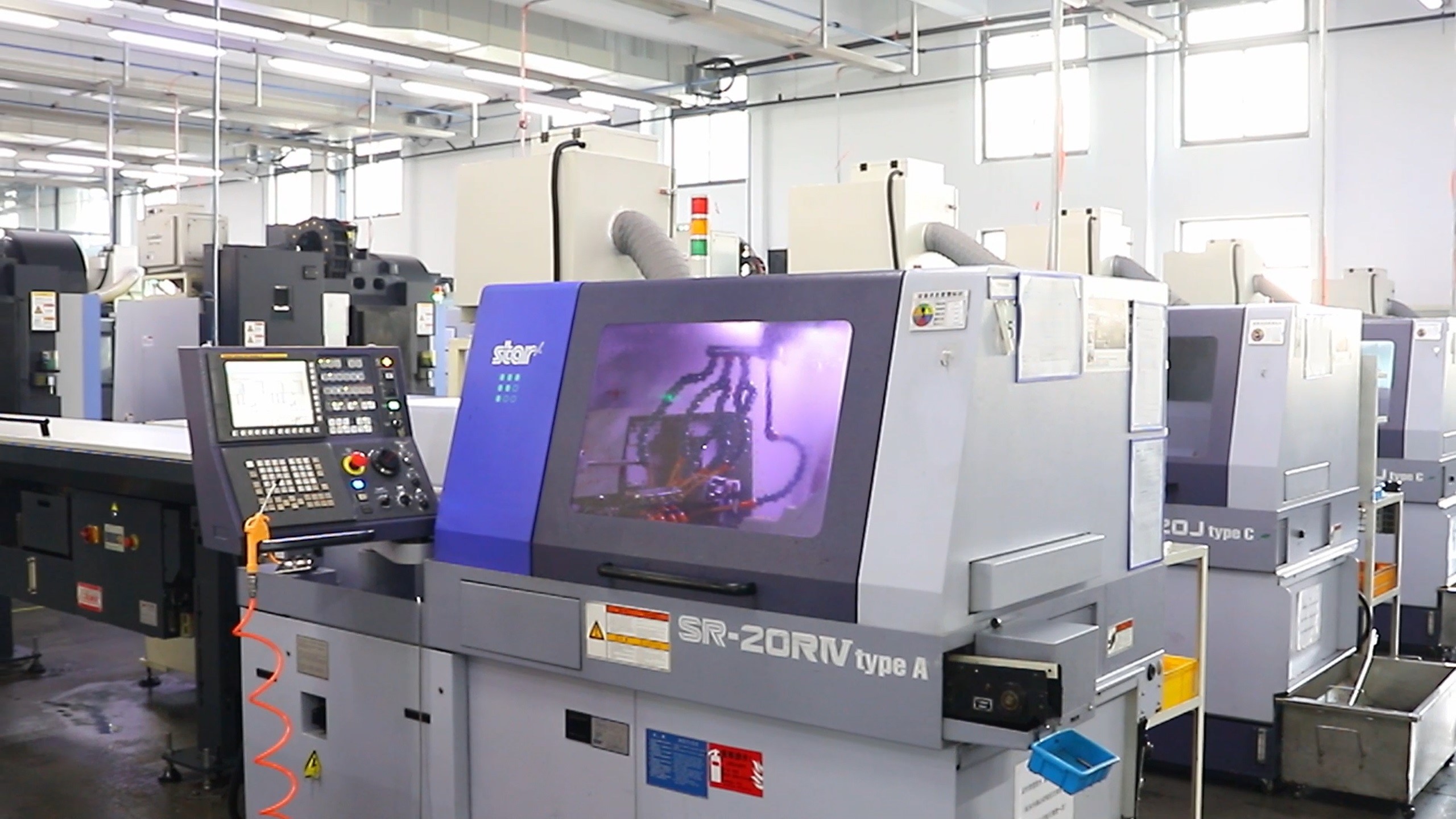
Our factory is equipped with advanced machining and testing technologies to guarantee tight tolerances (down to ±0.02 mm) and consistent product finishes. Here is a look at the machinery and quality check units deployed in our facility:

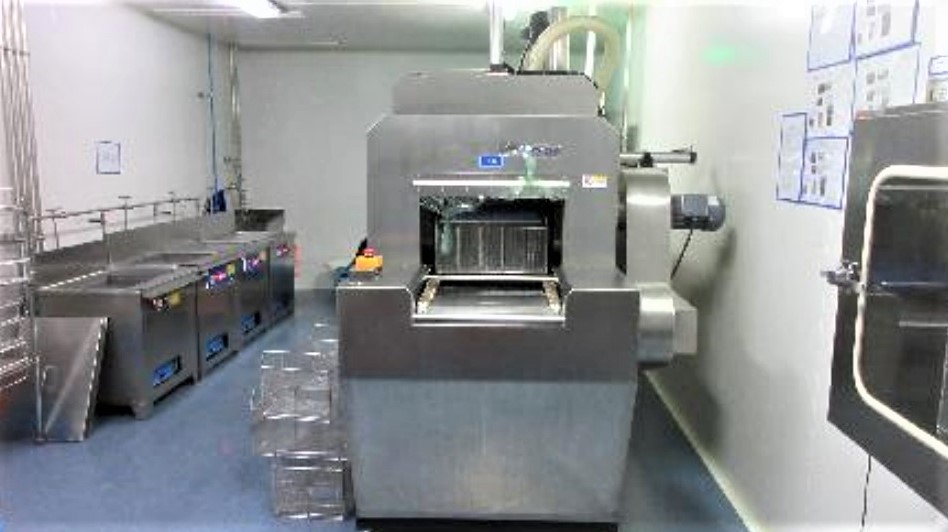
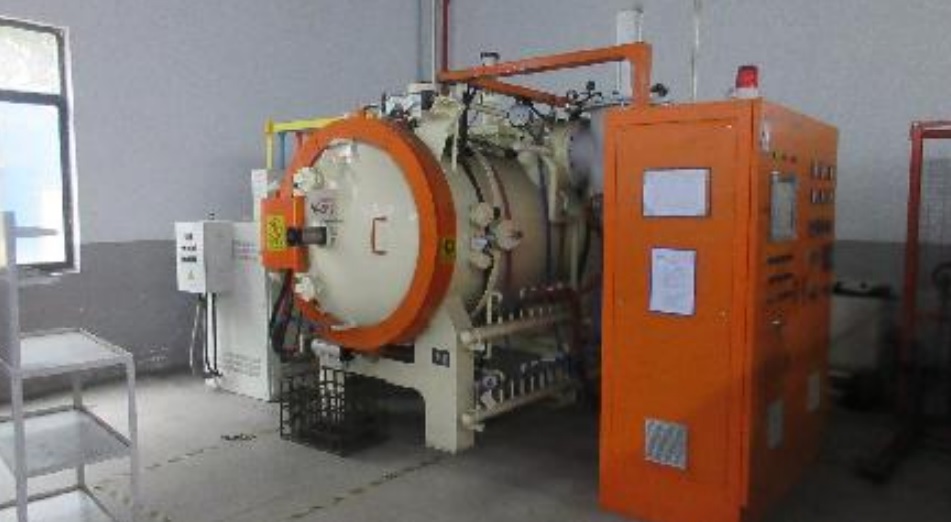
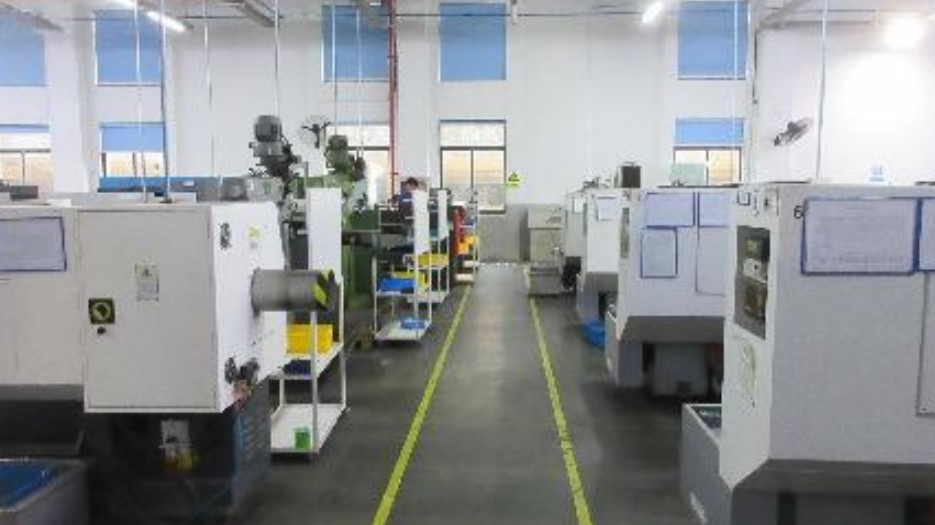
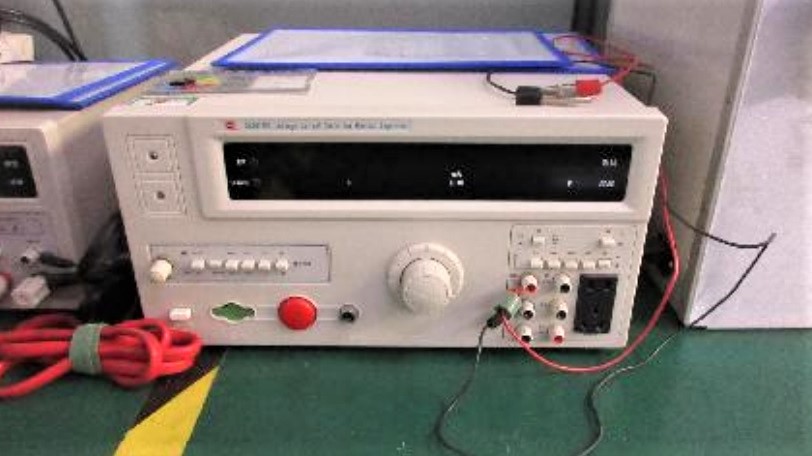
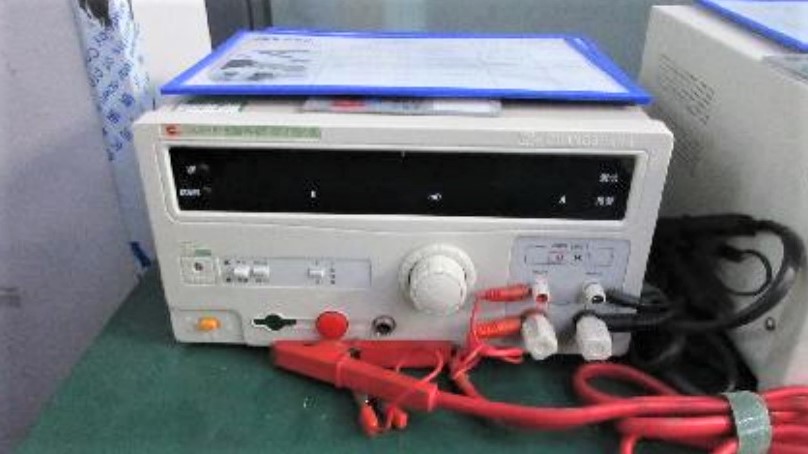
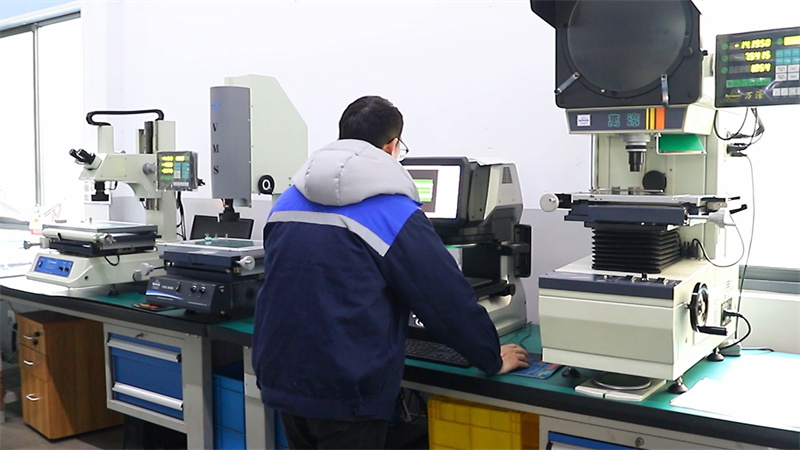
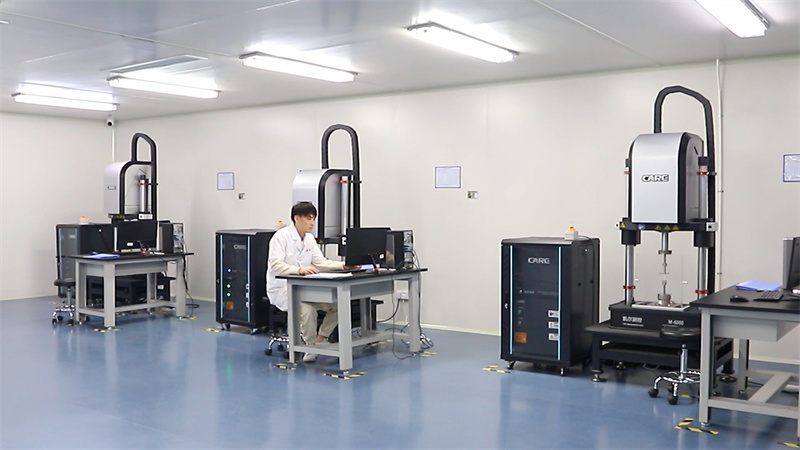
As a premium orthopedic and surgical solutions exporter, we deploy a comprehensive testing regime matching European MDR and US FDA class II validation standards.
For large-scale medical group procurement managers and orthopedic device exporters, international logistics compliance is vital. Our legal and regulatory affairs team is dedicated to offering localized registration support globally. Whether you require a CE Technical File under Medical Device Regulation (MDR 2017/745), FDA 510(k) submission assistance, or compliance documentation for individual regional ministries of health (such as COFEPRIS in Mexico, ANVISA in Brazil, or SFDA in Saudi Arabia), we prepare structured regulatory dossiers.
In addition, we practice robust risk mitigation strategies. From safety-stock warehouses to dual-sourcing raw materials (e.g., direct-mill contracts for aluminum and Radel® PPSU resins), we ensure that your product delivery remains uninterrupted by geopolitical shifts or supply-chain shocks.
The future of sterilization management lies in smart integration and eco-friendly manufacturing. Our technology roadmap focuses on three core areas:
Find technical and logistical answers regarding custom tray manufacturing, sterilization parameters, and regulatory compliance.
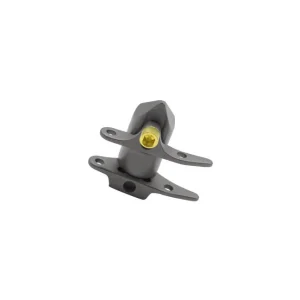
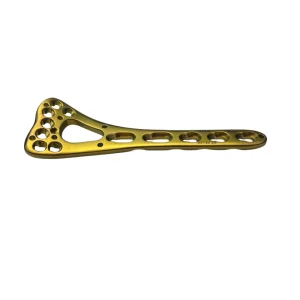
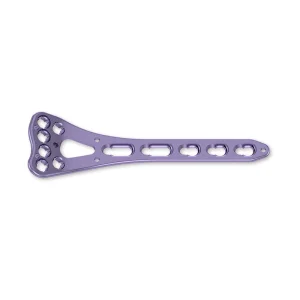
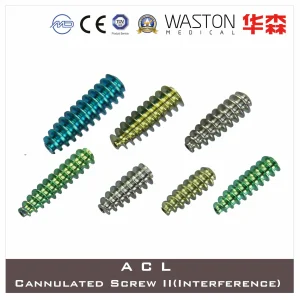
Our complete product range of orthopedic implants, external fixators, and precision screws optimized for sterilization tray assembly.
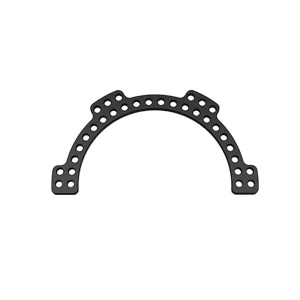
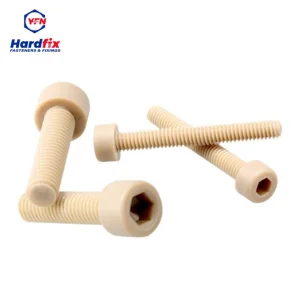
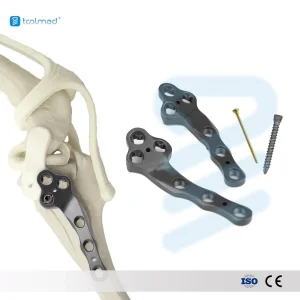
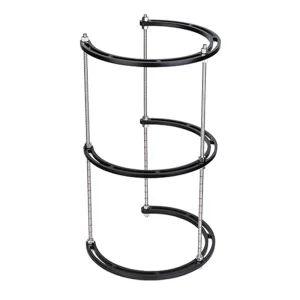
 Daher Orthopedic Implants