Daher Orthopedic Implants
Biocompatibility and Advanced Implant Metallurgy
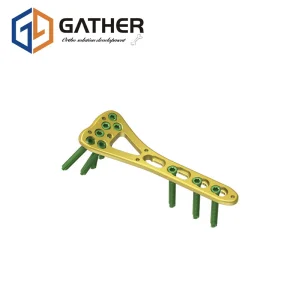
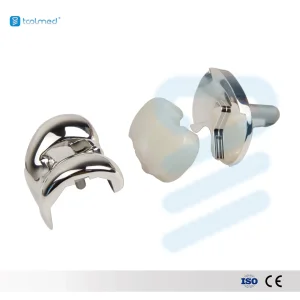
Surgical success relies heavily on implant metallurgy. Our engineering workflows utilize high-grade Ti-6Al-4V ELI (Grade 23) and non-magnetic 316L stainless steel. These materials are selected for their mechanical properties, corrosion resistance, and cytocompatibility. For joint reconstruction and trauma fixation, titanium alloy provides a lower modulus of elasticity compared to stainless steel, closely mimicking human cortical bone and reducing bone resorption risks.
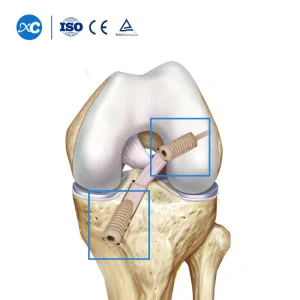
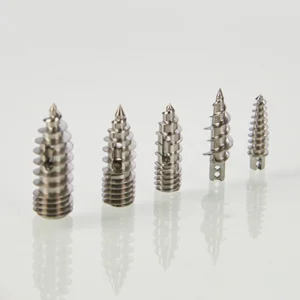
Additionally, the deployment of engineering polymers like PEEK (Polyetheretherketone) in suture anchors and interference screws offers radiolucency. This allows surgeons to assess post-operative healing on imaging systems without artifact interference.
| Implant Material | Elastic Modulus (GPa) | Tensile Strength (MPa) | Key Medical Applications |
|---|---|---|---|
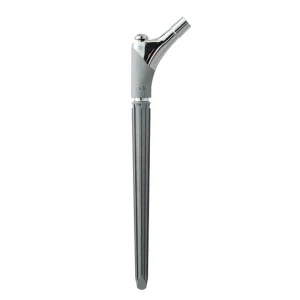
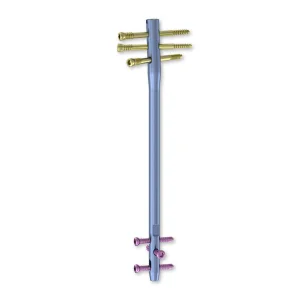
| Ti-6Al-4V ELI (Grade 23) | 110 - 114 | ≥ 860 | Locking plates, intramedullary nails, hip stems |
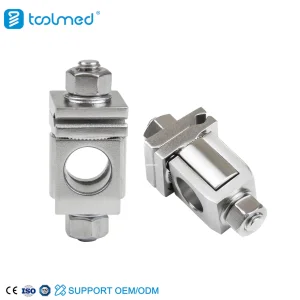
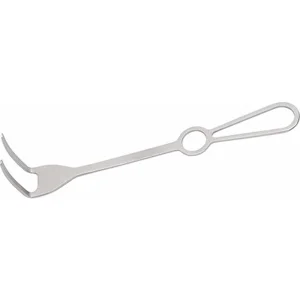
| 316L Stainless Steel (ASTM F138) | 190 - 200 | ≥ 490 | External fixators, bone screws, surgical instruments |
| PEEK (Polyetheretherketone) | 3.5 - 4.0 | 90 - 100 | Interference screws, spinal cages, anchor systems |
Biomechanical Stability in Trauma Fixation
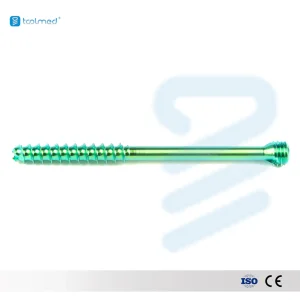
Osteosynthesis kit design must account for dynamic shear forces. Our multi-axial locking plate systems are designed to balance rigid and dynamic fixation. Standard bone screws pull the plate against the bone to create friction, whereas locking screws lock into the plate itself, creating a fixed-angle construct. This mechanism protects periosteal vascularization and supports early patient mobilization, particularly in osteoporotic bone fractures.