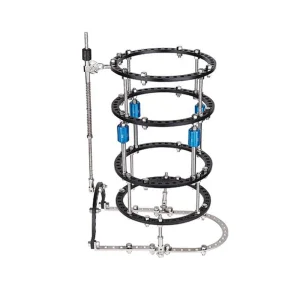
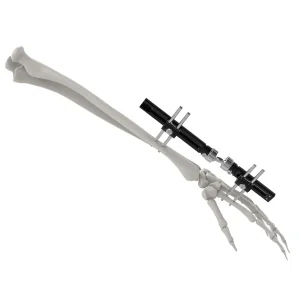
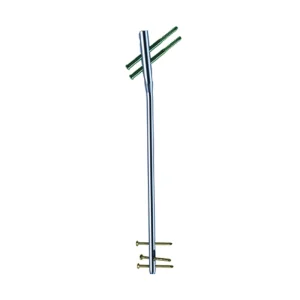
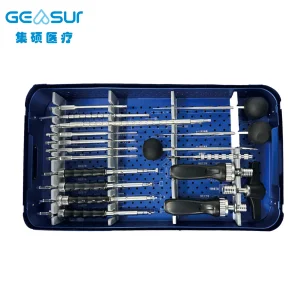
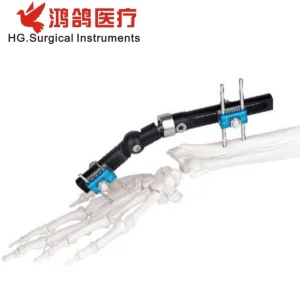
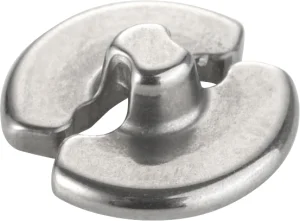
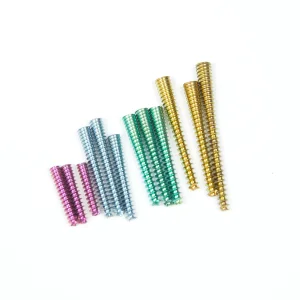
In the evolving landscape of orthopedic trauma, Linear External Fixators represent a critical intersection of biomechanical stability and surgical efficiency. As a leading CE Certified Linear Fixators Factory, we recognize that modern fracture management requires more than just rigid stabilization; it demands a biological approach that promotes secondary bone healing through controlled micromotion.
Our commitment to excellence is reflected in our original philosophy: "Quality and integrity first, striving for excellence, and pursuing the highest standards." This isn't just a corporate slogan—it is the engineering foundation of every medical device we produce.
Linear fixators are increasingly preferred for their ability to be applied via percutaneous techniques, significantly reducing soft tissue trauma and surgical site infection (SSI) rates compared to open reduction internal fixation (ORIF).
The convergence of linear and circular (Ilizarov) systems allows surgeons to customize frames for complex periarticular fractures, combining the simplicity of linear rods with the multi-planar control of rings.
Transitioning from traditional stainless steel to high-tensile Grade 5 Titanium (Ti6Al4V) and PEEK components to improve MRI compatibility and reduce stress-shielding effects on the healing bone.
Integration with 3D imaging and preoperative planning software ensures precise pin placement and frame orientation, optimizing the mechanical axis of the limb post-trauma.
Purchasing departments in multi-national hospital groups and government health agencies face the challenge of balancing high clinical outcomes with cost-containment. Our factory provides a comprehensive solution that addresses these macroeconomic pressures:
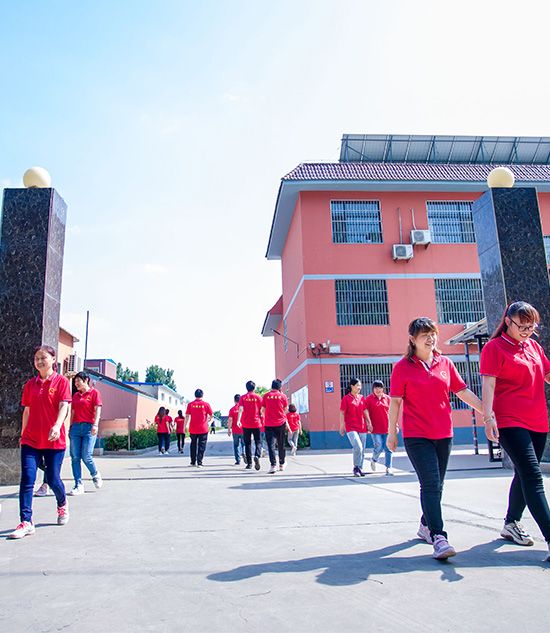
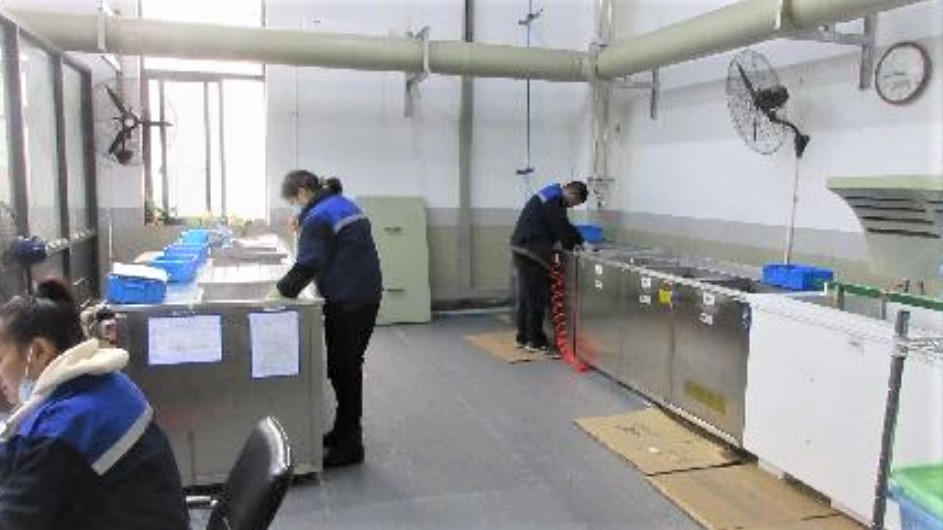
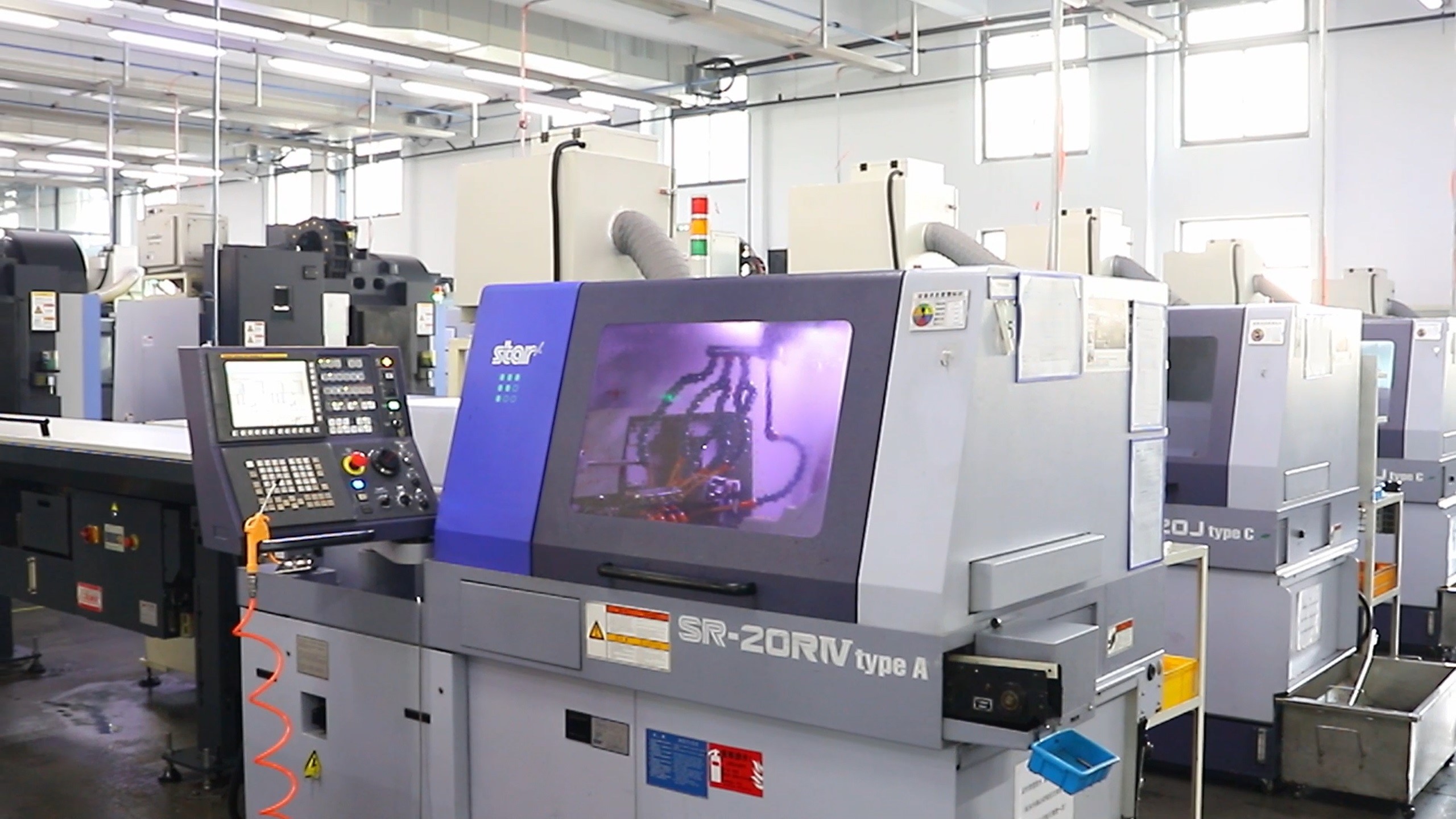
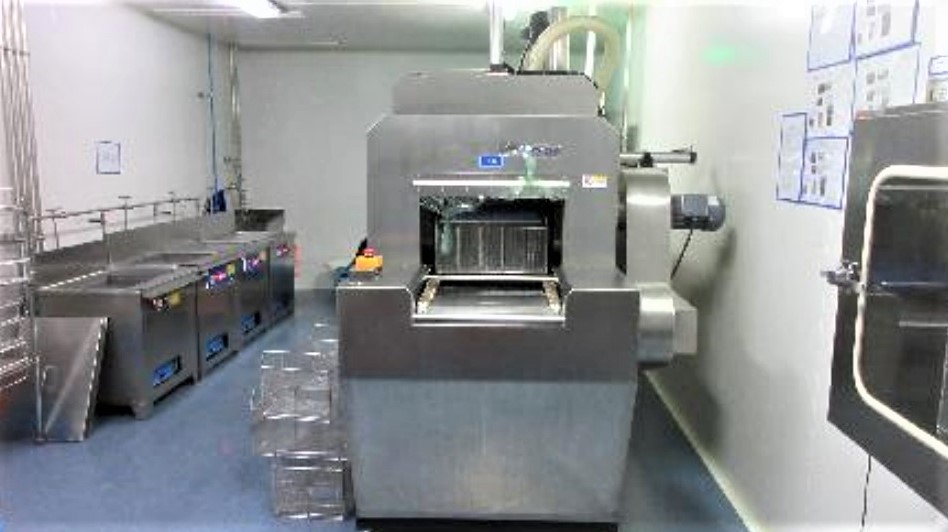
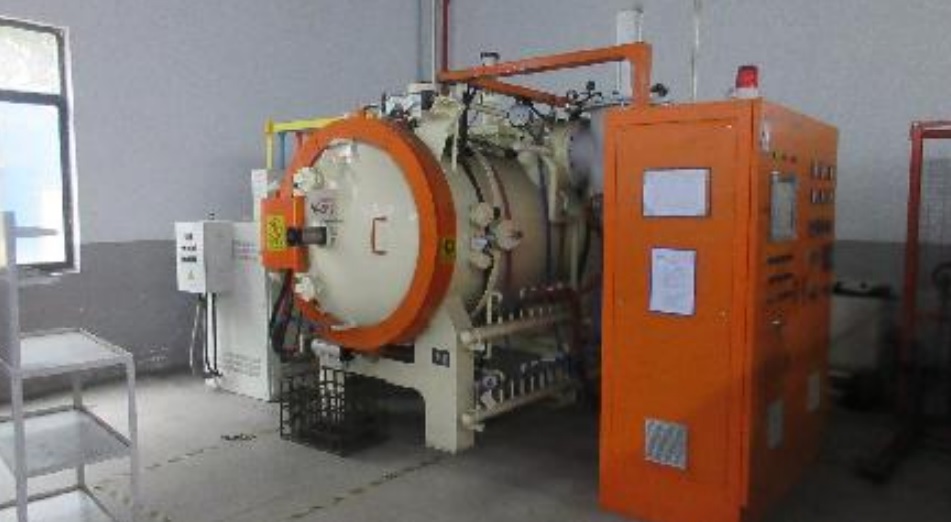
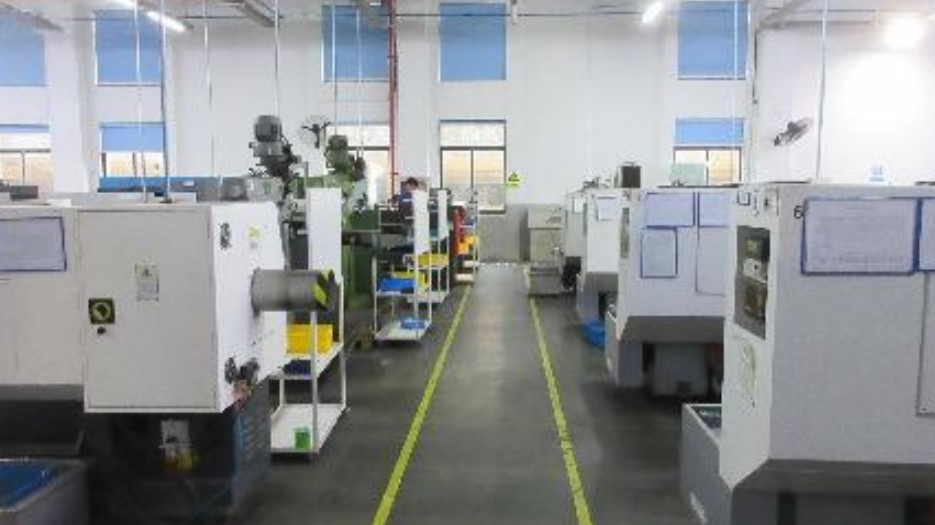
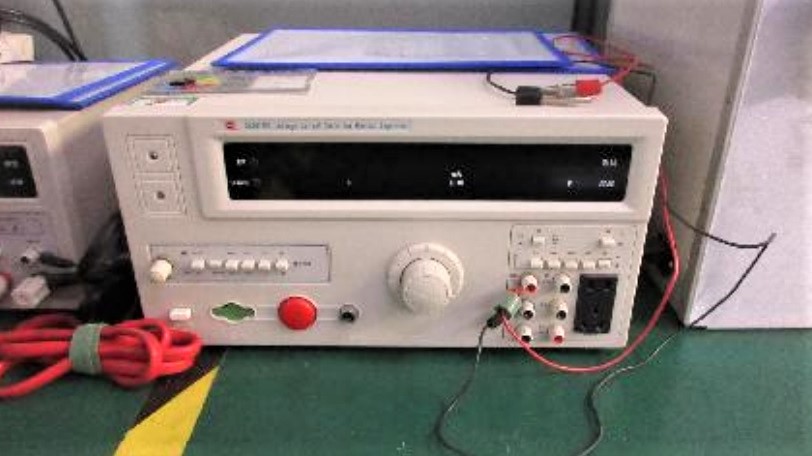
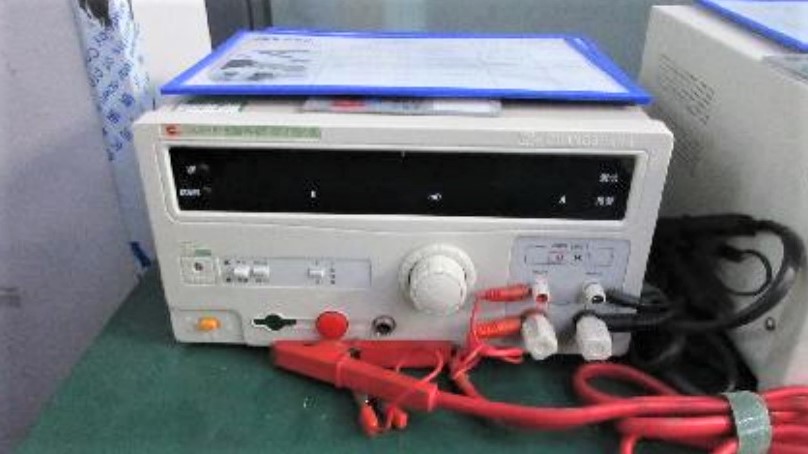
Our state-of-the-art facility is the heart of our innovation. We utilize advanced German and Japanese machinery to achieve tolerances within microns.
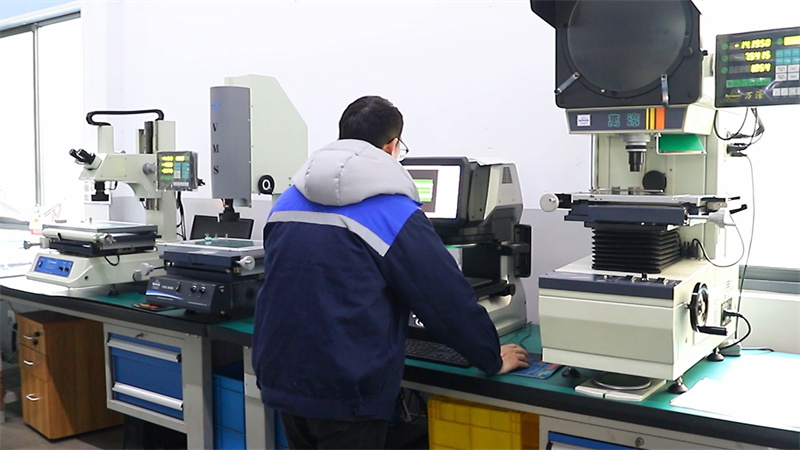
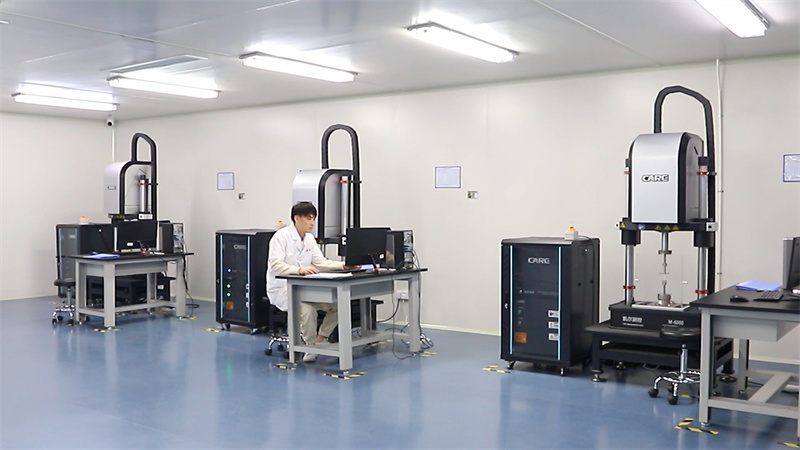
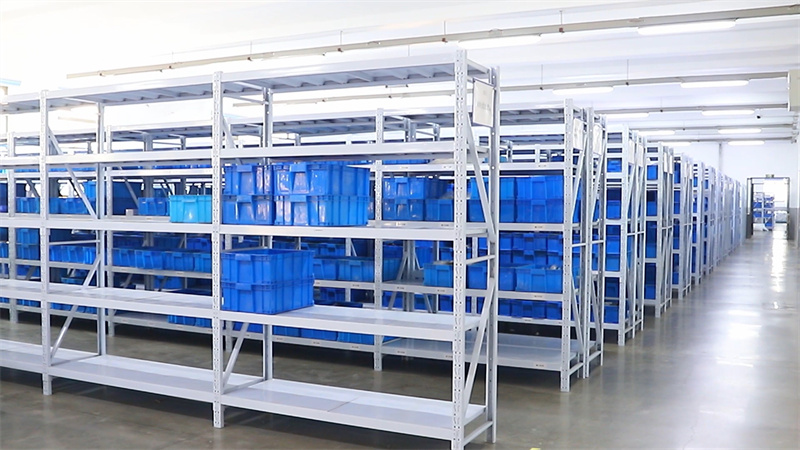
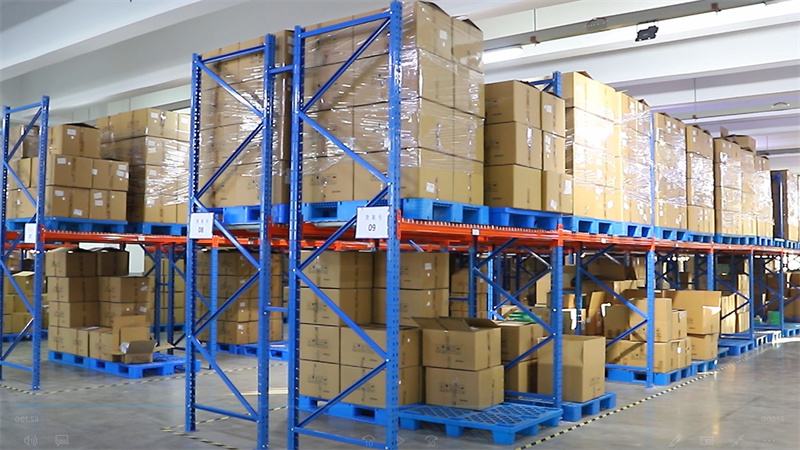
We are researching the embedding of strain gauges within linear rods to monitor real-time bone healing and weight-bearing progress.
Development of magnesium-alloy pins that reduce the need for secondary removal surgeries in pediatric trauma cases.
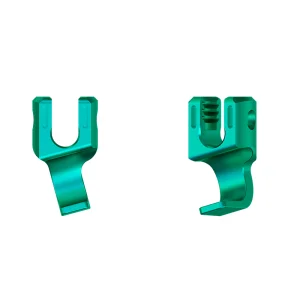
Customizing clamp designs via SLS 3D printing to accommodate unique anatomical deformities and complex non-unions.
As a professional R&D team with long-term technical exchanges with leading hospital experts, we ensure our products function to their fullest potential. Our factory has passed ISO 9001 and ISO 13485 certifications. We go beyond basic requirements, adhering to the strict European Medical Device Regulation (MDR) standards.
Localized Support: We don't just ship boxes. We offer clinical training, surgical technique guides, and local technical representative support in over 70 countries across Europe, America, Africa, and Southeast Asia. Your trust is the greatest recognition of our service.
 Daher Orthopedic Implants