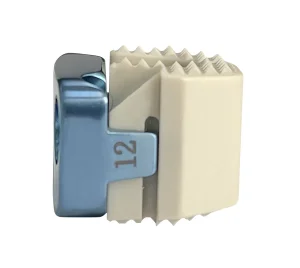
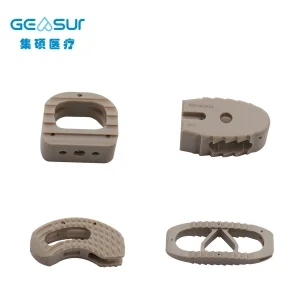
In the domain of modern sports medicine, particularly during anterior cruciate ligament (ACL) and posterior cruciate ligament (PCL) reconstructions, the selection of internal fixation devices directly dictates patient rehabilitation velocity and long-term joint stability. Interference screws serve as the mechanical cornerstone, securing soft-tissue tendon autografts, allografts, or bone-patellar tendon-bone (BTB) constructs within bone tunnels. The fundamental bioengineering goal is to match or exceed the physiological pull-out forces encountered during early mobilization phases, reducing graft slippage and minimizing the risk of micro-motion that hampers osseointegration.
Historically, titanium alloy interference screws established the gold standard due to their outstanding tensile strength and biocompatibility. However, with the advent of advanced polymers like Polyetheretherketone (PEEK) and bioabsorbable composites containing Tricalcium Phosphate (TCP) or Hydroxyapatite (HA), clinical practices have shifted toward optimizing material-graft interactions. Our engineering research focuses on eliminating the "stress shielding" effect, promoting osteoconductive growth, and mitigating joint laxity.

Engineered for high-demand, load-bearing locations, our titanium alloy interference screws provide exceptional stiffness, a low coefficient of friction, and superior mechanical interlocking capabilities. Chemically treated to support passive oxide layer generation for enhanced osseointegration.
For radiolucent demands, PEEK provides an elastic modulus highly comparable to cortical bone, drastically reducing the stress-shielding effect. This polymer permits clear MRI and CT imaging during post-operative patient follow-ups, presenting zero artifact interference.
The cutting-edge solution for temporary fixation. The composite bio-absorbs gradually within 18–24 months, transferring mechanical stress steadily to the regenerating bone. Tricalcium Phosphate (TCP) inclusions trigger native bone deposition, preventing persistent empty screw tunnels.
We are dedicated to the research, development, production, and sales of orthopedic implants and tools. In the continuous process of design updates, we strive for excellence, meticulously crafting each product. Our quality control philosophy dictates: Quality and integrity first, striving for excellence, and pursuing the highest standards.
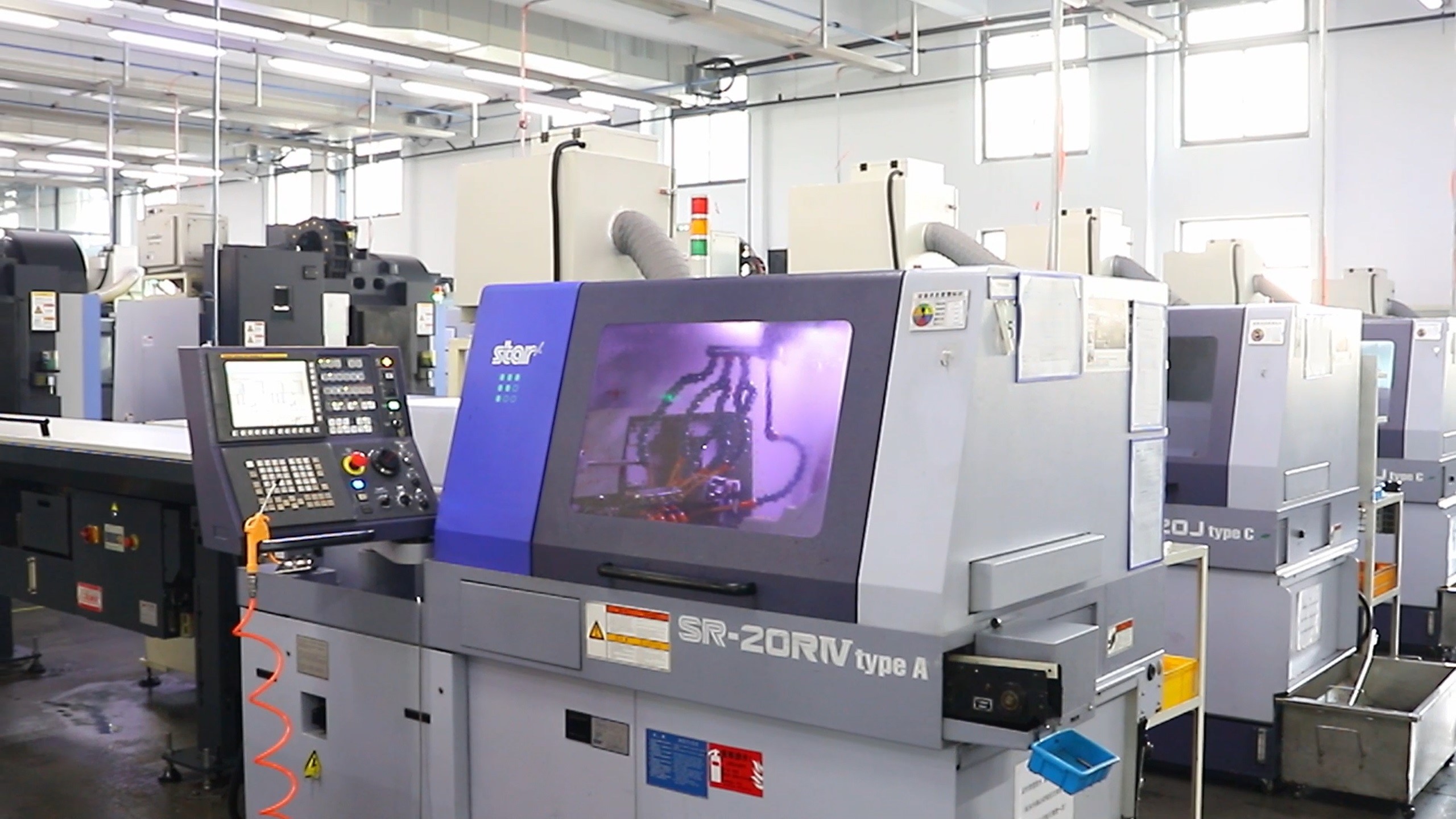
Our facility houses state-of-the-art CNC machining setups, cleanroom packaging, and high-performance biomechanical simulators. Backed by a professional R&D team and long-term technical exchanges with leading hospital experts, we ensure our implants perform to their maximum potential under surgical loads.
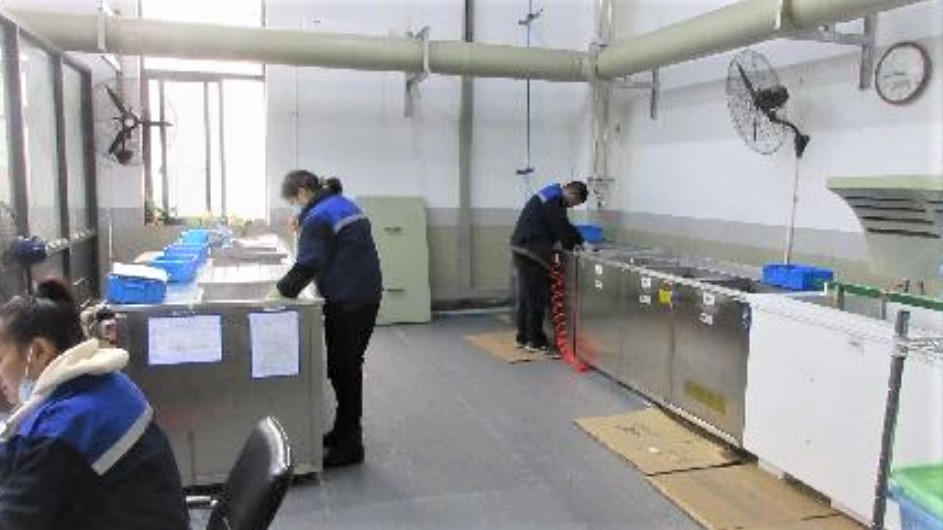
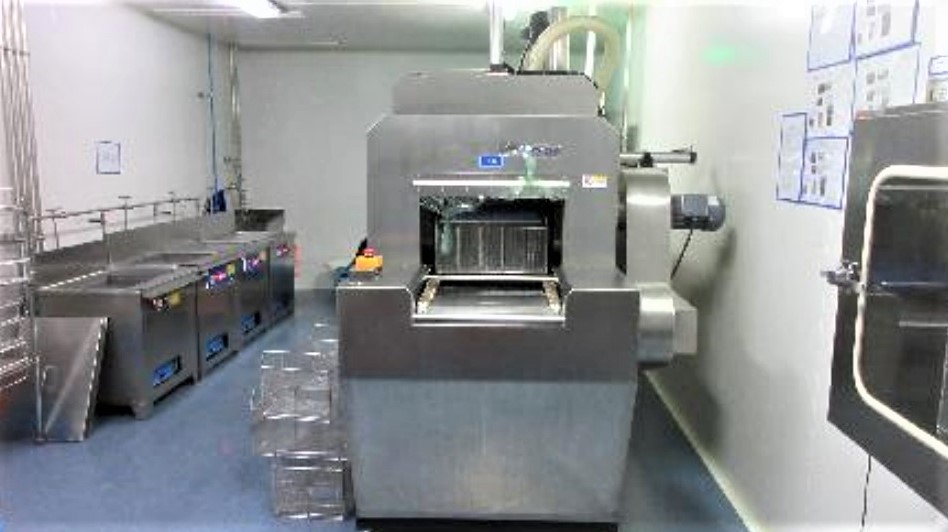
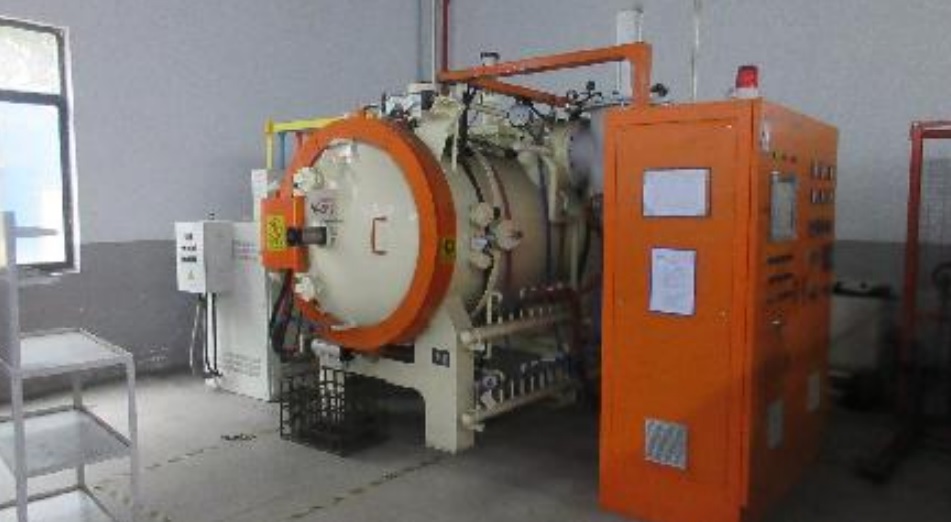
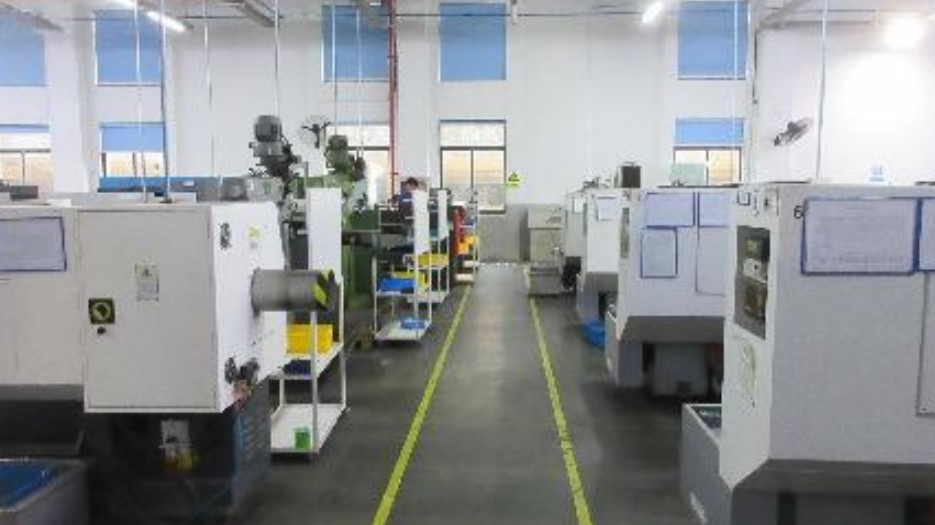
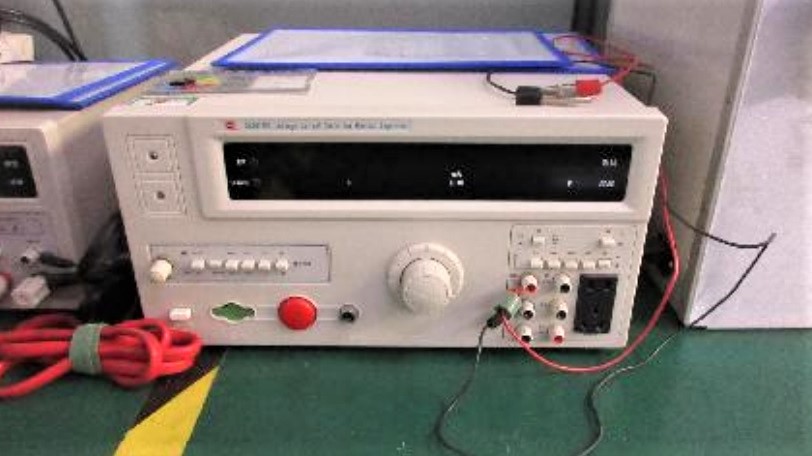
Navigating the medical device registration framework requires verified clinical safety portfolios. Our factory operations proudly comply with both ISO 9001 and ISO 13485 systems. Additionally, our implant categories hold direct clearances across international regions including the CE mark and FDA registrations, granting smooth entry to market sectors in Europe, North America, the Middle East, and Asia.
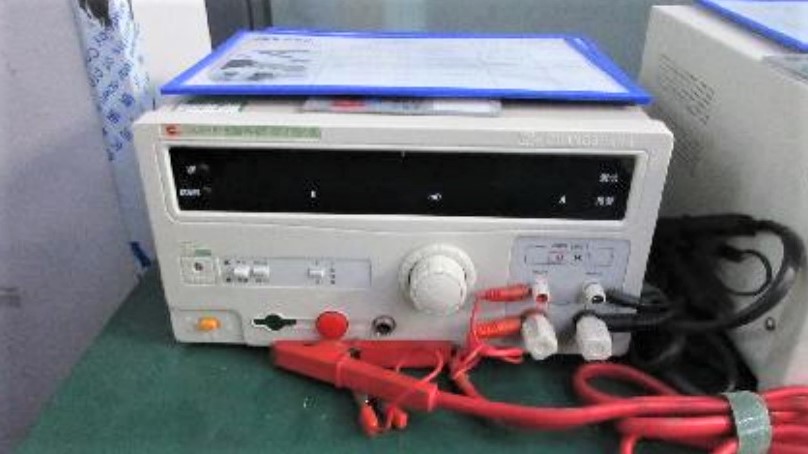
Each interference screw batch undergoes comprehensive physical-chemical profiling. This includes structural density verification, mechanical torque limits, and residual oxide checks. For bioabsorbable materials, we monitor degradation constants to align with expected skeletal remineralization timelines. This scientific discipline guarantees that medical centers receive secure, predictable implants.
When looking for OEM partners, hospitals and distributors evaluate specific manufacturing variables. Below is our baseline performance chart for standard sports medicine designs:
| Parameter | Titanium Alloy | PEEK Polymer |
|---|---|---|
| Tensile Yield | 860 MPa | 97 MPa |
| Elastic Modulus | 110 GPa | 3.6 GPa |
| MRI Safety | Conditional | Artifact Free |
| Osseointegration | High (Oxidation) | Modifiable (HA coating) |
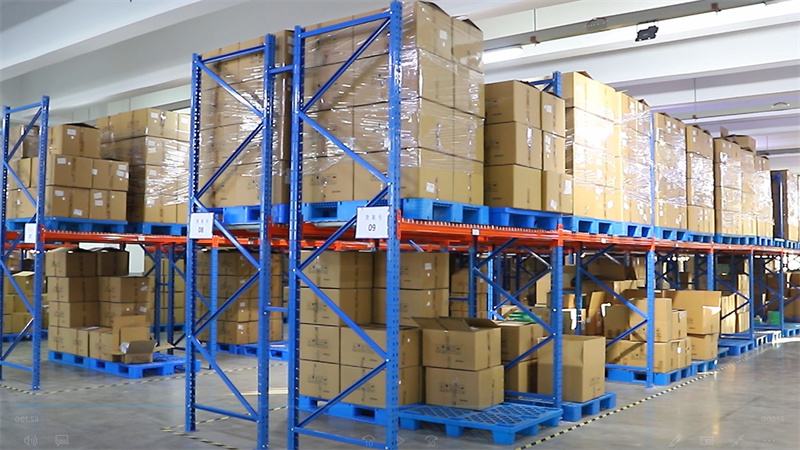
We offer robust logistics channels for overseas medical groups and GPOs. Our shipments utilize shock-resistant, validated protective barrier systems. Each product reaches your facility sterile-packed, retaining a long, worry-free shelf life.
With complete control over our design software, our engineers configure customized thread geometries, drive interfaces (such as star-drive or hexalobe), and specialized lengths. Perfect for adapting to specific regional clinical practices.
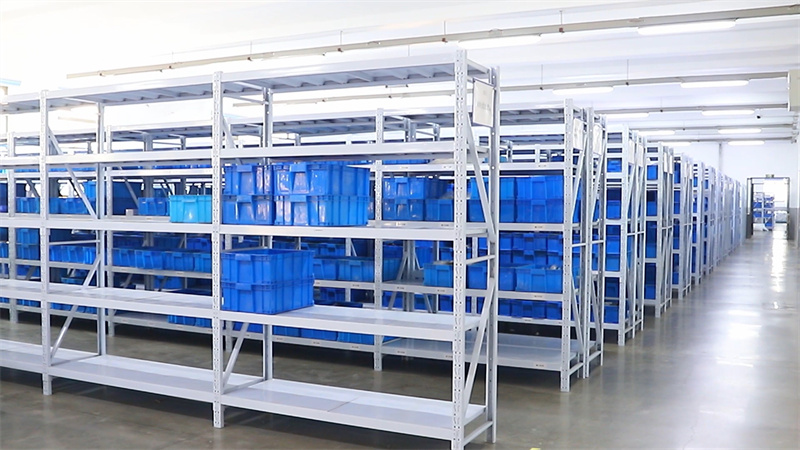
Every single batch of titanium bar or raw PEEK granules is cataloged and trace-coded. In compliance with strict FDA and MDR regulations, we offer full history reports detailing raw materials, production settings, and inspection logs.
Our fabrication plant maintains certifications in ISO 9001 and ISO 13485 quality systems. Additionally, our sports medicine range holds both European CE (MDR) certification and US FDA registrations, ensuring compliance with global regulatory guidelines.
PEEK matches bone modulus to prevent stress shielding and enables artifact-free MRI scans. Titanium offers higher tensile strength and is ideal for major ligament reconstructions where load requirements are extreme.
Our designs utilize rounded thread peaks and flat drive interfaces. This geometry secures the graft into the bone tunnel while shielding tender soft-tissue constructs from laceration.
Yes. We provide comprehensive OEM/ODM options. Our engineering teams can adjust diameters (from 5mm to 11mm), lengths, and drive sockets (including Star and Hexalobe patterns) to align with your surgical instrument sets.
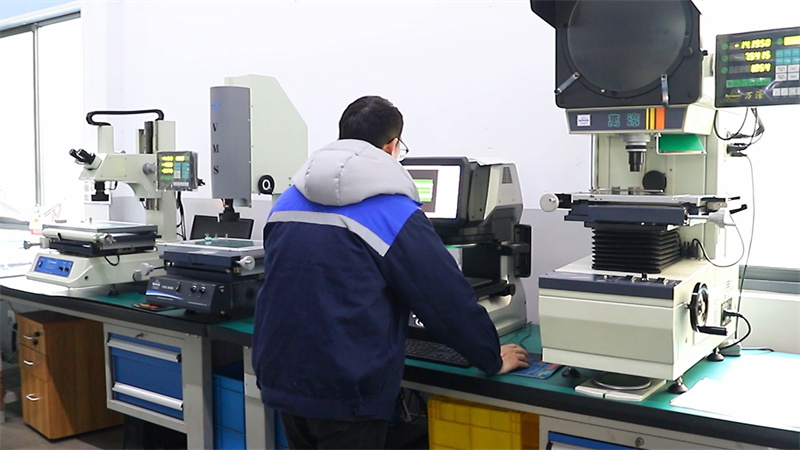
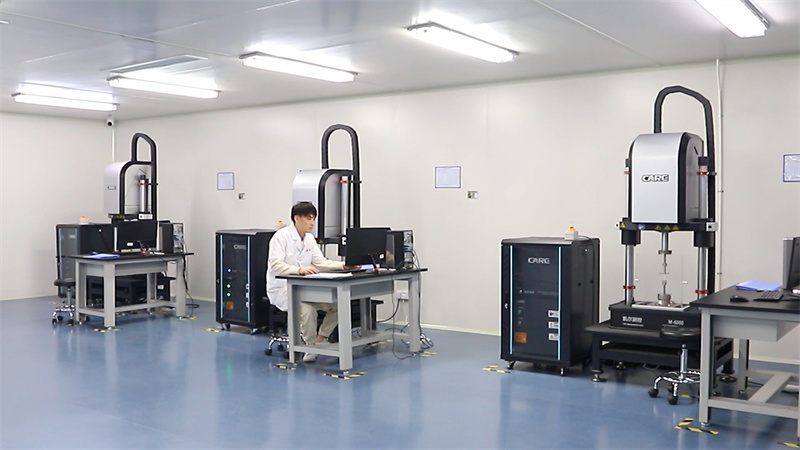
Every production batch undergoes structural checks, visual inspections on dynamic image testers, and stress verification using our Electromagnetic Dynamic Mechanics Test System. This guarantees flawless performance inside the OR.
Standard inventory items ship within 7 to 15 business days. Custom engineering configurations and OEM products generally require 30 to 45 days, which includes the creation of tooling, production runs, and EO sterilization cycles.
 Daher Orthopedic Implants