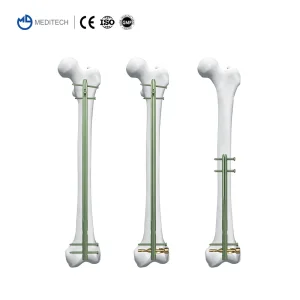
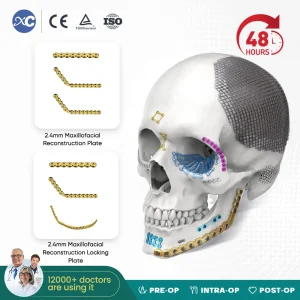
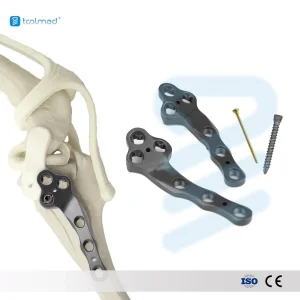
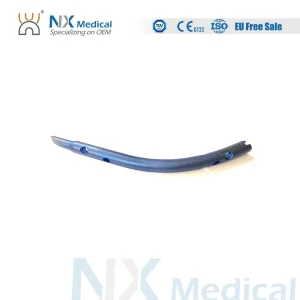
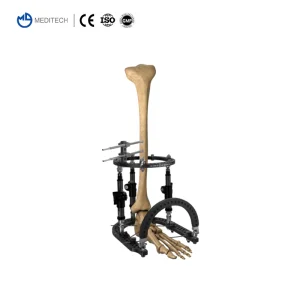
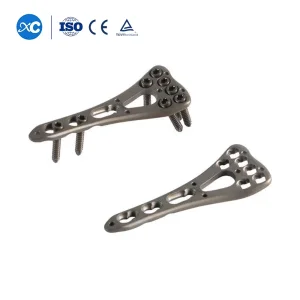
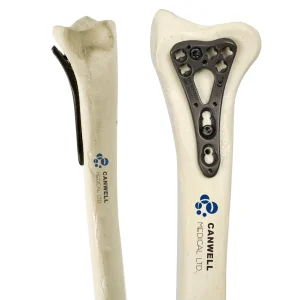
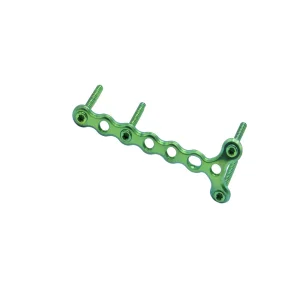
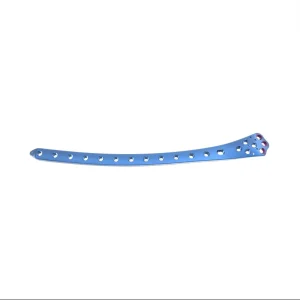
The global orthopedic market has witnessed a significant paradigm shift toward locking compression plate (LCP) systems. Tibial locking plates are now the gold standard for treating complex proximal and distal tibial fractures. Unlike traditional plates, locking plates create a "fixed-angle construct," which provides superior stability in osteoporotic bone or multi-fragmentary fractures.
Statistically, the rising incidence of road traffic accidents and the aging global population have surged the demand for durable trauma implants. Market analysts project a steady growth in the orthopedic fixation sector, particularly in emerging economies across Southeast Asia, Latin America, and Africa. As a leading China Wholesale Tibial Locking Plate Factory, we are positioned at the heart of this supply chain, delivering high-performance medical devices that bridge the gap between affordability and cutting-edge technology.
Our industrial focus remains on the "Biological Internal Fixation" philosophy, which prioritizes preserving the blood supply to the bone. By utilizing limited contact designs, our plates minimize periosteal damage, facilitating faster patient recovery and reduced clinical complications.
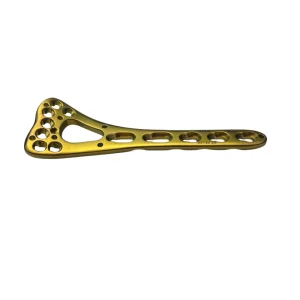
The trend is moving away from generic plates toward anatomically pre-shaped designs that reduce the need for intraoperative bending, ensuring a better fit for the tibial plateau and shaft.
Shift from stainless steel to high-grade Titanium Alloy (Ti6Al4V ELI). This provides excellent biocompatibility, a lower modulus of elasticity, and is MRI compatible.
Modern tibial locking plates are designed for Minimally Invasive Surgery (MIS) or MIPO techniques, featuring low-profile heads and tapered tips for easy percutaneous insertion.
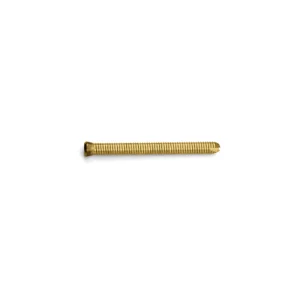
Surgeons worldwide prioritize mechanical reliability and surgical versatility. Procurement departments in modern hospitals look for implant systems that offer a comprehensive range of screw sizes (e.g., 3.5mm and 4.5mm) and plate lengths to handle diverse patient anatomies.
For medical device exporters and distributors, regulatory compliance (CE, FDA, ISO) is non-negotiable. Furthermore, they require a stable supply chain that offers competitive wholesale pricing without compromising on the precision of the locking mechanism. Our factory addresses these needs by maintaining large inventories and providing full documentation for international registration.
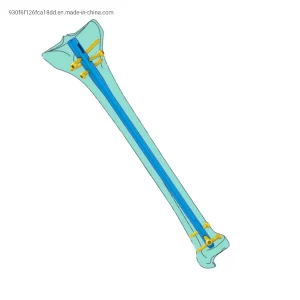
We understand that localized application scenarios differ; for instance, trauma centers in urban areas may require advanced suprapatellar tibial nails, while general clinics might focus on standard locking compression plates. Our portfolio covers the entire spectrum of tibial trauma care.
Our facility utilizes advanced CNC machining centers and automated polishing lines to ensure every tibial plate meets micron-level tolerances.
Passed ISO 9001 and ISO 13485 certifications. We implement 100% traceability for all raw materials and finished implants.
Exporting to 70+ countries across Europe, America, Africa, and Southeast Asia. We provide customized packaging and OEM/ODM services.
Corporate Mission: We are dedicated to the research, development, production, and sales of orthopedic implants and tools. In the continuous process of design updates, we strive for excellence, meticulously crafting each product. Our quality control philosophy: Quality and integrity first, striving for excellence, and pursuing the highest standards.
A professional R&D team and long-term technical exchanges with leading hospital experts ensure that our products function to their fullest potential. Our professional team is dedicated to serving every customer. Your trust is the greatest recognition of our service. We will rely on high-quality products and continuously launch new marketable products based on market demand, achieving mutual benefit and win-win results with our customers.
When selecting a wholesale supplier for tibial locking plates, it is crucial to understand the biomechanical advantages our products offer. Tibial plateau fractures, often caused by high-energy axial loading, require implants that can resist varus collapse. Our proximal tibial locking plates feature diverging and converging screw patterns that provide a "rafting" effect to support the subchondral bone.
Furthermore, the dynamic compression capability in the shaft portion of our locking plates allows surgeons to achieve absolute stability when needed, or relative stability to promote secondary bone healing via callus formation. This flexibility is essential for trauma surgeons dealing with varying fracture patterns.
As a prominent China Exporter of Orthopedic Implants, we ensure that our plates are manufactured from biocompatible Titanium alloy, which has a higher fatigue strength compared to traditional stainless steel. This is particularly important for weight-bearing bones like the tibia, where the implant must withstand repeated stress cycles during the healing process.
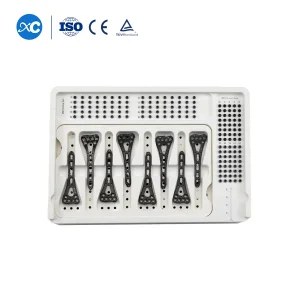
Our commitment extends beyond just the product. We provide comprehensive surgical instrument sets designed specifically for our locking systems, ensuring that every screw engages perfectly with the plate, preventing cross-threading and ensuring a secure lock. This holistic approach is why clinics and medical distributors globally choose our factory as their primary source for tibial fixation solutions.
 Daher Orthopedic Implants