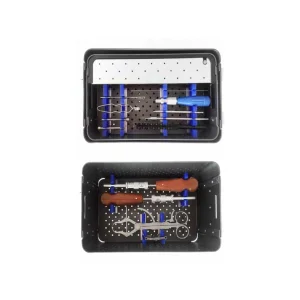
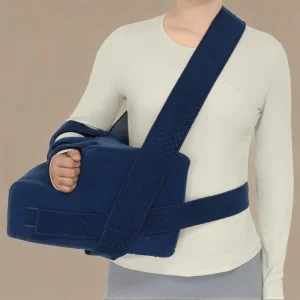
Explore our internationally certified precision implants, fixation devices, and specialized surgical instrument suites.
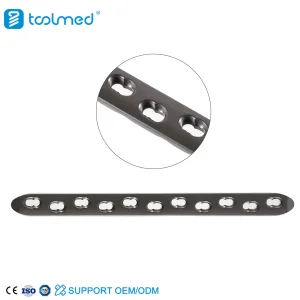
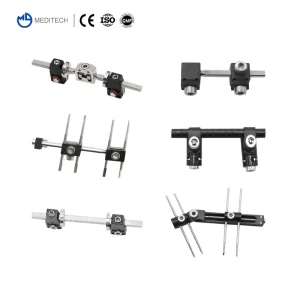
Countries Exported
13485 & 9001 Certified
CE & FDA Standard Compliant
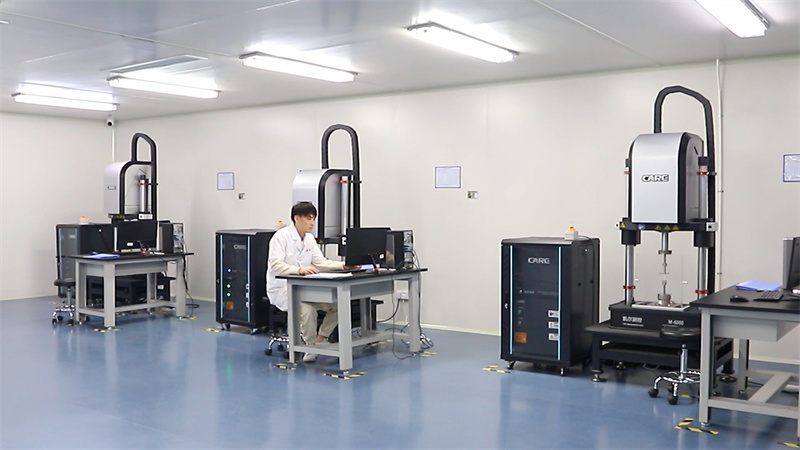
Cleanroom Standards
A comprehensive analysis of global clinical trends, biomaterial synthesis, and international quality framework standards.
The global orthobiologics market is experiencing a profound paradigm shift driven by demographic aging, an increasing incidence of musculoskeletal disorders, and breakthroughs in reconstructive surgery. At the nexus of this revolution are CE Certified Bone Grafts, playing an indispensable role in spinal fusion, trauma recovery, dental implantology, and joint arthroplasty. Bone grafting serves as the foundational scaffolding that guides cellular proliferation, osteogenesis, and vascularization, enabling surgeons to reconstruct complex skeletal defects.
"Our dedication to the research, development, production, and sales of orthopedic implants and tools underpins a core philosophy: Quality and integrity first, striving for excellence, and pursuing the highest standards. By exchanging technical insights with leading hospital experts, we ensure our biomechanical solutions interface seamlessly with native bone microstructures."
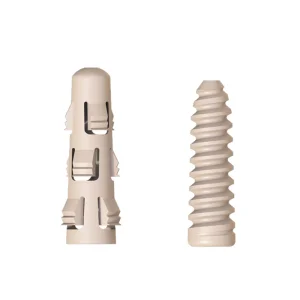
Modern bone grafting relies on a diverse catalog of biomaterials, categorized into autografts, allografts, and synthetics. Synthetics—particularly calcium phosphates, bioactive glasses, and polymer matrices—have garnered immense commercial traction due to their unlimited supply, elimination of donor site morbidity, and minimal transmission risk of zoonotic pathogens. For manufacturers, obtaining the CE Mark (under the rigorous EU Medical Device Regulation 2017/745) serves as the definitive hallmark of biocompatibility, mechanical resilience, and predictable degradation profiles.
Our collaborative research indicates that the optimization of osteoconductive structures requires precise control over micro-porosity (100–500 micrometers) to facilitate osteoblast migration. As factories adopt advanced additive manufacturing and sintering techniques, synthetic grafts are increasingly infused with osteoinductive signals (such as BMP-2) or customized to fit patient-specific defects, establishing a new frontier in personalized healthcare.
Navigating the complex landscape of regulatory compliance, international supply chain dynamics, and volume purchasing requirements.
For medical device distributors, healthcare groups, and GPOs (Group Purchasing Organizations) across Europe, the Americas, and Asia, sourcing orthobiologics is no longer a simple transactional purchase. Procurement departments operate under strict regulatory scrutiny, requiring suppliers to demonstrate robust documentation, traceable raw material streams, and comprehensive post-market surveillance (PMS) strategies. Crucial parameters driving global purchasing decisions include:
Adherence to ISO 13485 (Medical Devices Quality Management Systems) and valid CE/FDA clearances are absolute barriers to entry in major medical markets.
Matching the resorption rate of the synthetic bone graft with the natural osteogenesis rate to avoid premature mechanical failure under load-bearing scenarios.
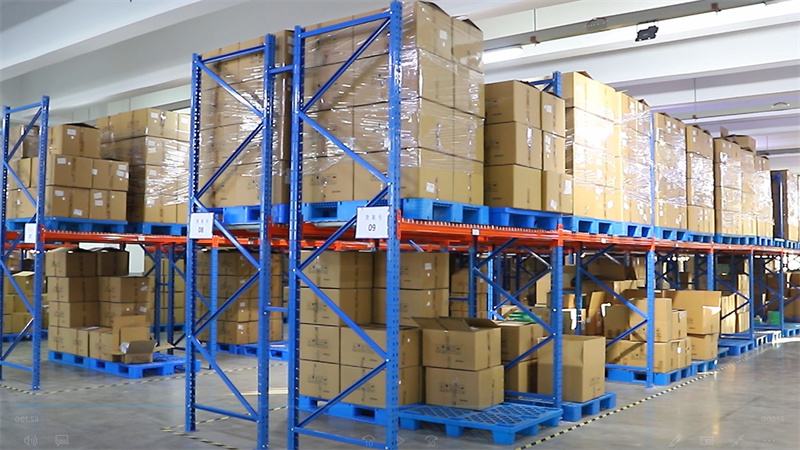
Consistent, high-volume production output, sterily-packed delivery structures, and agile customization channels for OEM/ODM clients.
With the implementation of the European MDR, many legacy manufacturers have exited the market due to the high cost of compliance, leading to a consolidation of suppliers. Enterprise buyers are now looking toward established, highly integrated Asian manufacturing clusters that offer advanced production capacities and robust regulatory profiles to fill this gap.
Combining precision automation, rigorous cleanroom protocols, and end-to-end quality controls to deliver superior cost-efficiency.
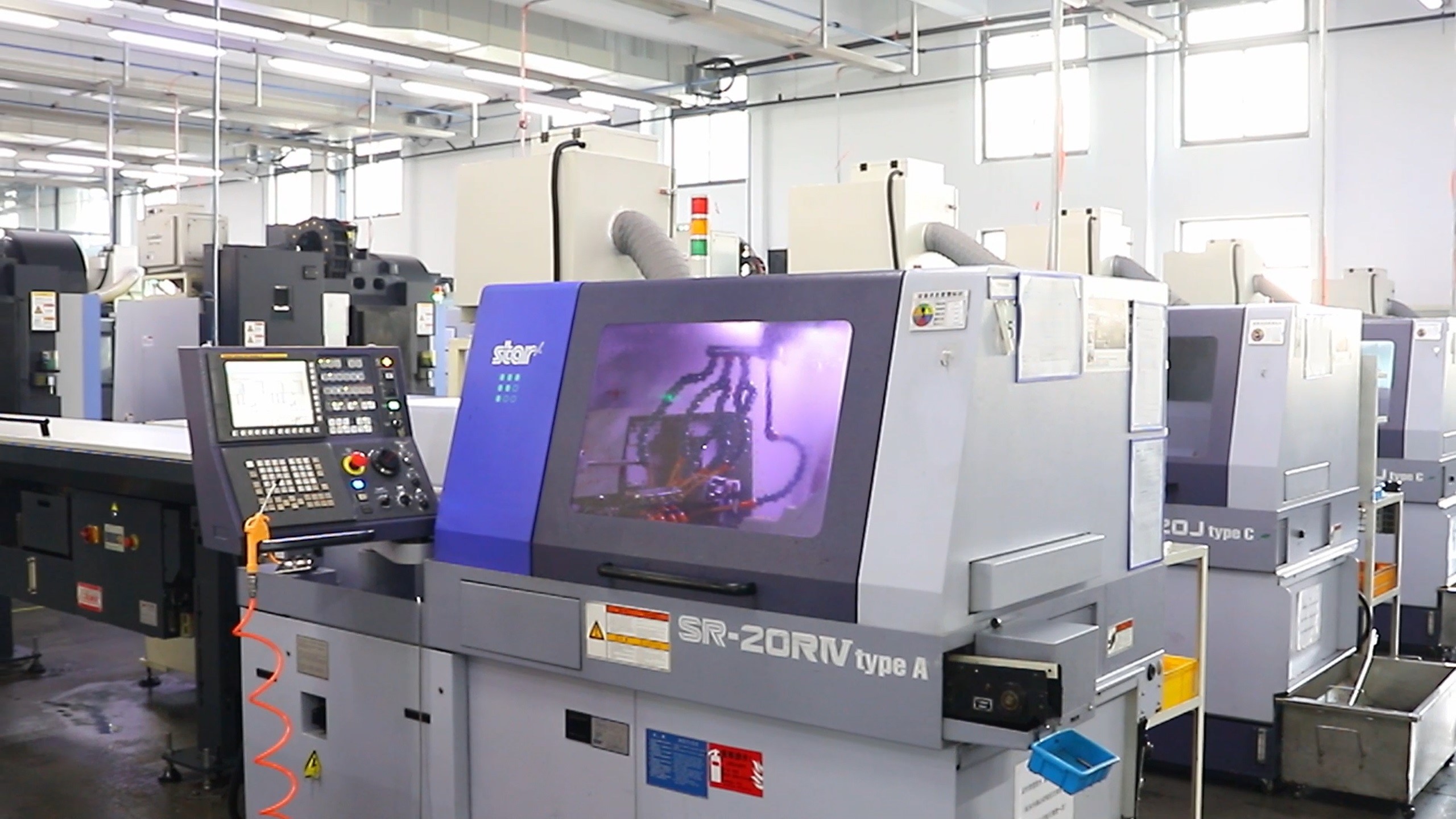
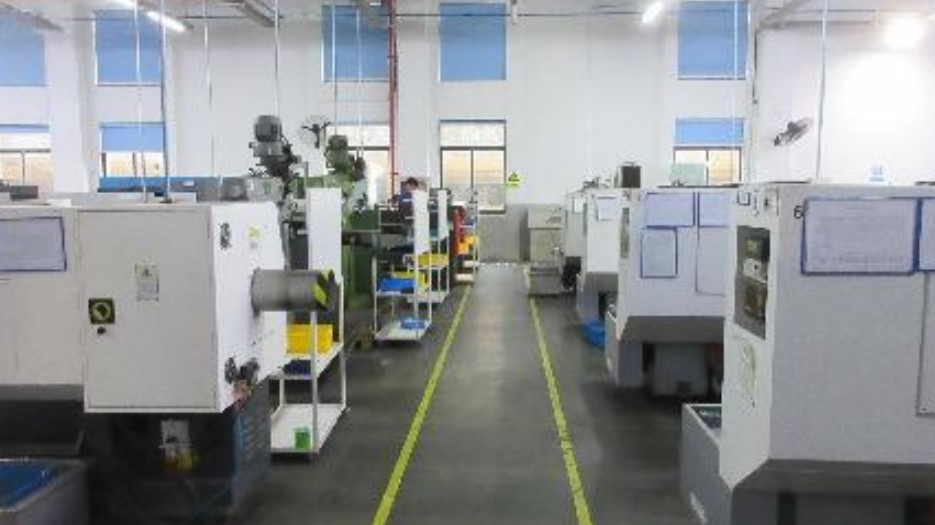
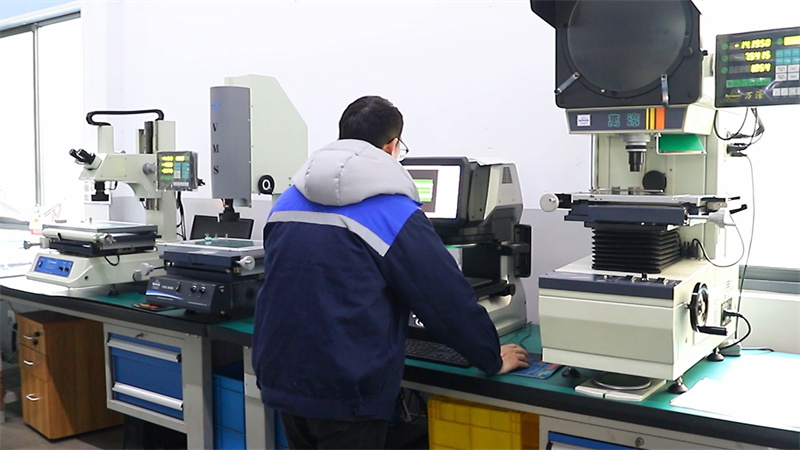
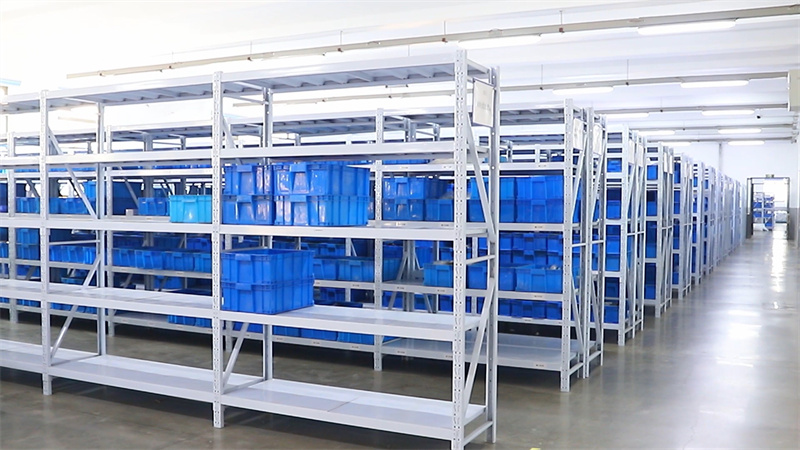
The transformation of China's medical manufacturing sector under the "Industry 4.0" paradigm has redefined the global competitive landscape. Leading Chinese orthopedic factories have transcended basic machining, investing heavily in state-of-the-art automated systems, digital twin production tracking, and advanced cleanroom standards (ISO Class 5 and Class 7) to meet global demand.
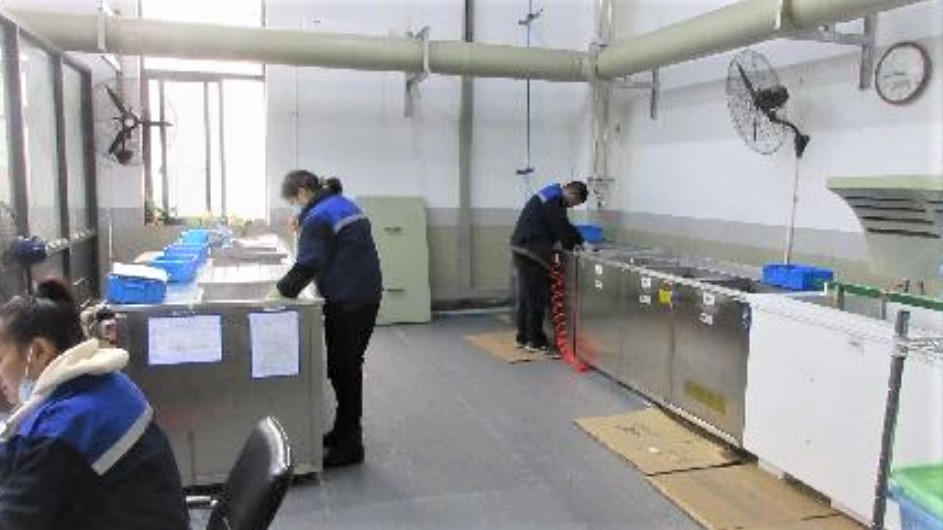
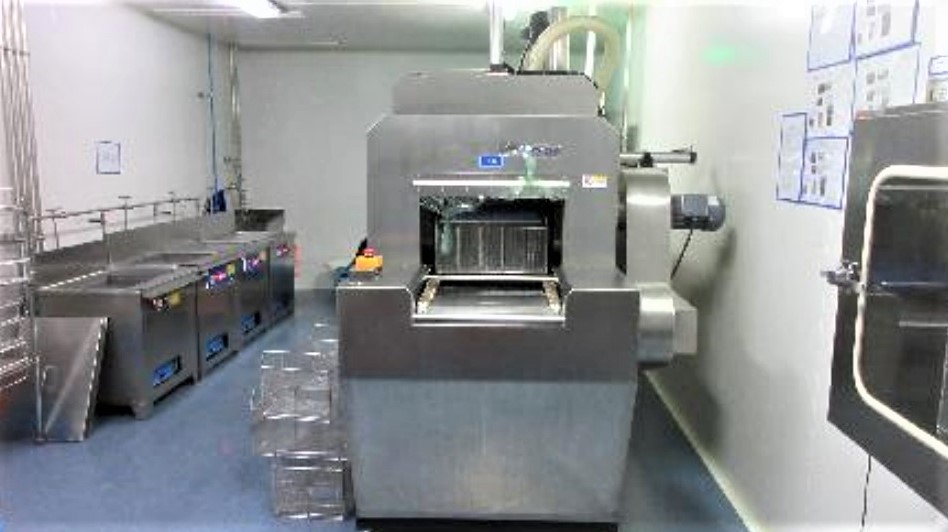
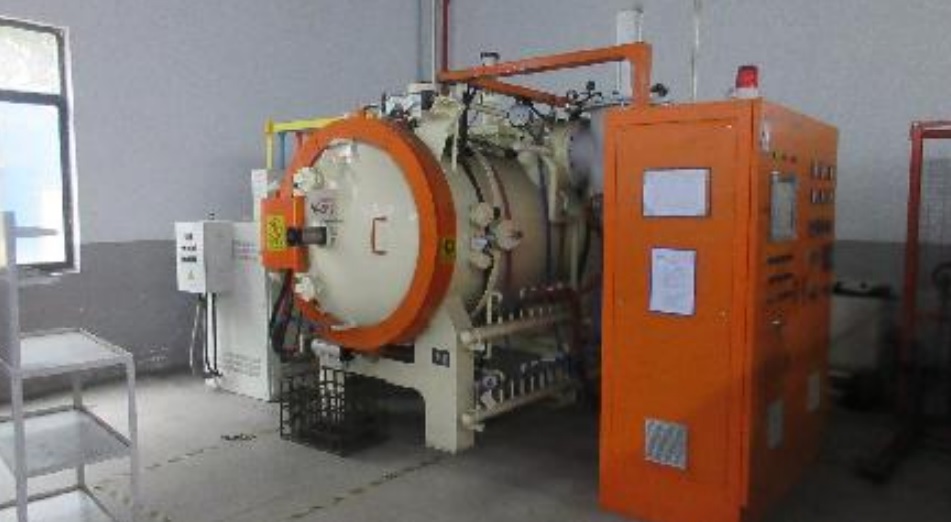
This integration of smart logistics and automated CNC centers ensures that every batch of bone grafts, titanium implants, and surgical instruments exhibits unparalleled dimensional consistency. By managing raw materials, milling, sintering, ultrasonic cleaning, and sterilization testing under a single quality control framework, Chinese manufacturers achieve a high-reliability model that mitigates supply chain risks for international clients.
Our long-term partnerships with leading clinical experts ensure our products function to their fullest potential. Exporting to over 70 countries in Europe, America, Africa, and Southeast Asia, we bridge the gap between academic clinical research and scaled manufacturing efficiency.
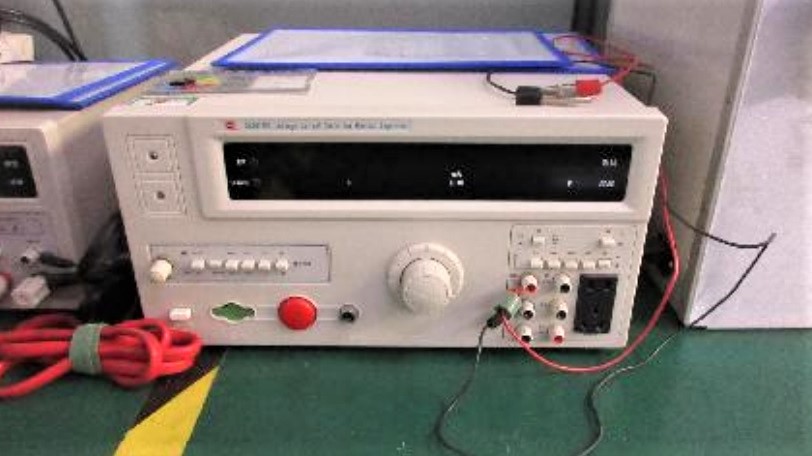
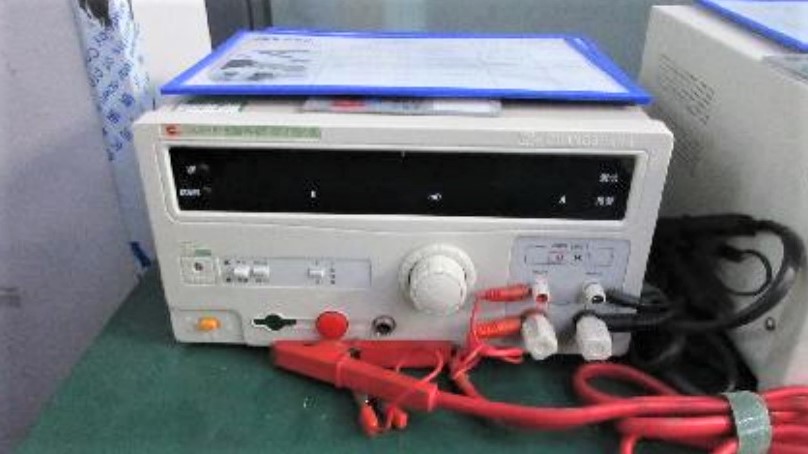
An inside look at our advanced manufacturing lines, high-precision carving equipment, and rigorous mechanical testing laboratories.

From complex maxillofacial reconstructions to veterinary orthopedic procedures, exploring how bone grafts interface with active surgical hardware.
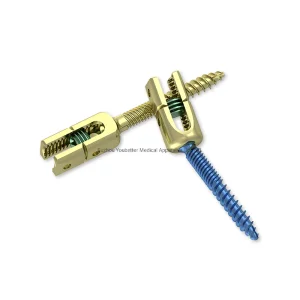
In spinal arthrodesis, synthetic bone grafts are packed into PEEK or titanium cages to facilitate segment fusion. Combined with our Pedicle Screw System, these grafts provide long-term structural stability while facilitating progressive bone remodeling across the spinal column.
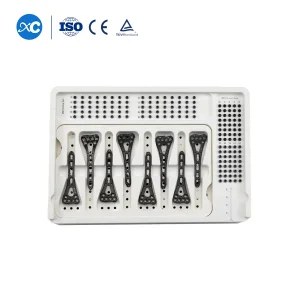
Complex diaphyseal fractures require both structural stabilization and osteogenesis-inducing biomaterials. Locking compression plates (LCP), such as the Femur LCP, are coupled with bioactive bone grafts to bridge extensive cortical gaps, accelerating vascularization and callus formation.
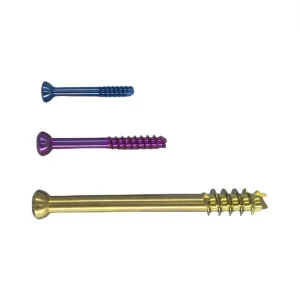
Modern veterinary medicine increasingly mirrors human clinical standards. Small dog joint replacements and orthopedic repair systems demand miniaturized implants, bone screws, and specialized bone graft matrices tailored to the unique biomechanics and bone healing kinetics of canine anatomy.
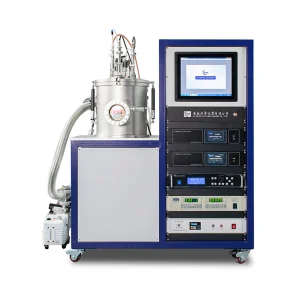
The success of bone graft integration is highly dependent on the surface chemistry of the adjacent orthopedic implants. Applying magnetron sputtering PVD coatings to implant metals improves biocompatibility and osteointegration. This surface modification layer minimizes direct metallic ion release while providing an optimal micro-topography for bone graft material adhesion and vascular ingrowth.
Expert insights on regulatory compliance, material specifications, and manufacturing capabilities.
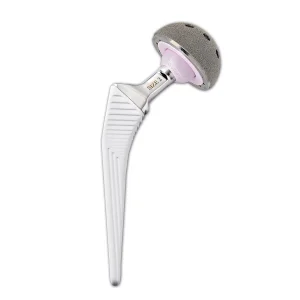
Browse our selection of specialized orthopedic replacements, veterinary prosthetics, and metallurgical finishing systems.
 Daher Orthopedic Implants