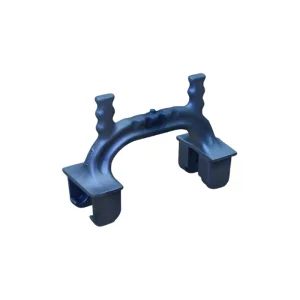
Rail Shoulder, Casting Shoulder and Weld-on Shoulder

Still deciding? Get samples of $ !
Request Sample

Product Description

Basic Specifications

Model NO.
BS EN 1563
Type
Shoulder
Materials
Qt500
Package
Pallet
Specification
Railway Standard
Origin
China
HS Code
730240
Capacity
500,000 Pieces/Year

Product Description

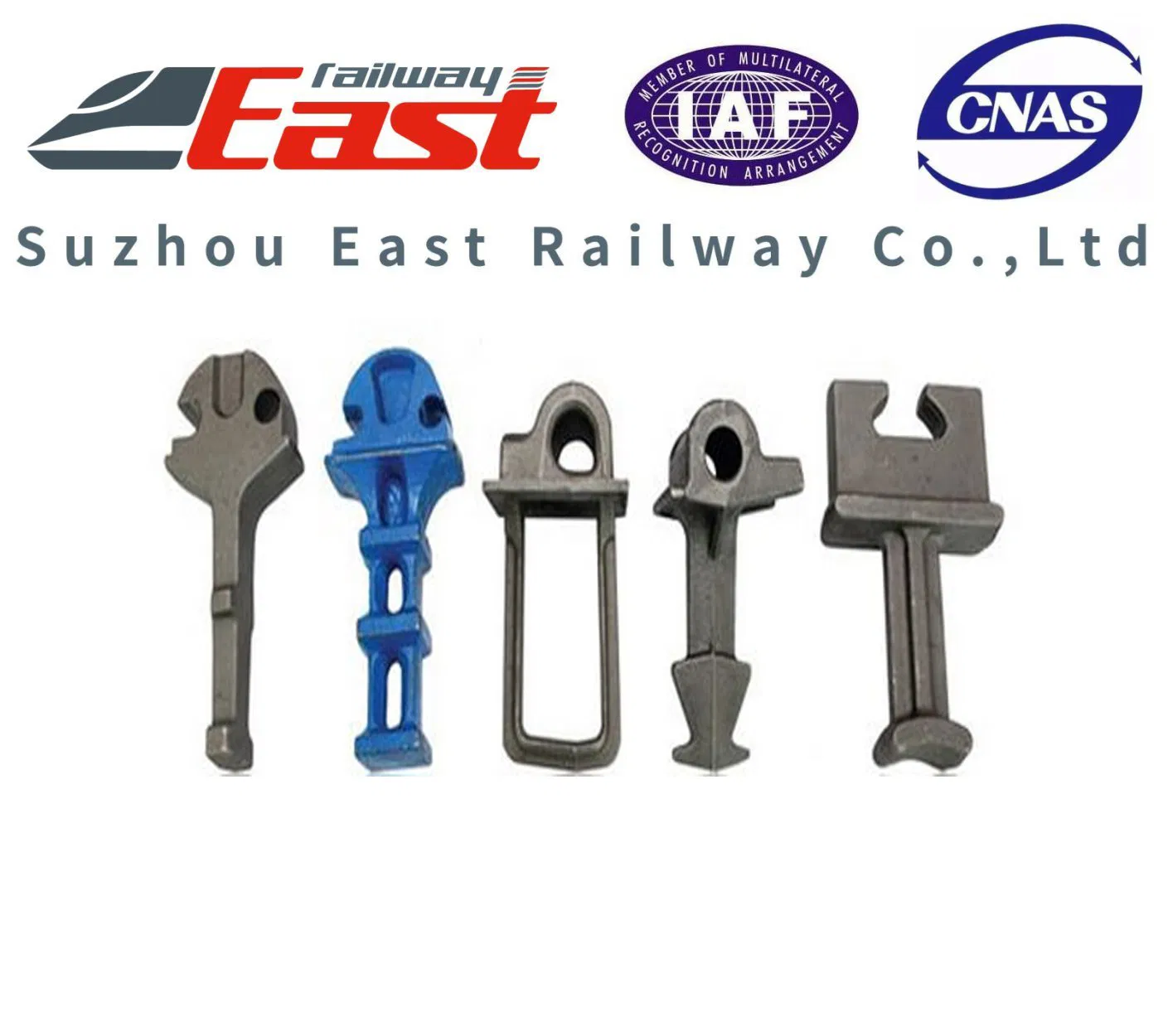
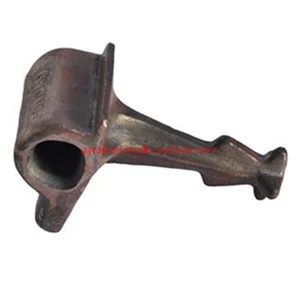
A rail shoulder is a pre-inserted item in the concrete sleepers, suitable for both single stem and twin stem types. It is specifically designed to fix elastic rail clips, particularly e-clips, within the fastening system. We specialize in producing two primary types of rail shoulders: cast-in shoulders and weld-on shoulders.

Casting Rail Shoulders

Cast-in Shoulders are manufactured through iron casting. These components are pre-embedded into concrete sleepers and work in conjunction with elastic clips to secure the rail. Material options include M.C.I. (malleable iron) and S.G.C.I. (spheroid graphite iron). Standard compliance includes GB/T 1348-1988, NF EN 1563, ISO1038, DIN 1693, JIS G5502, and BS EN 1563.

Weld-on Shoulders

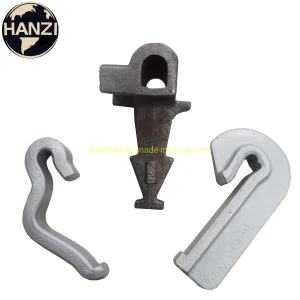
Weld-on shoulders are produced via hot forging. These are utilized in locations where standard sleepers are not easily applied, requiring the shoulders to be welded onto flat steel base plates. This method facilitates the fabrication of rail retaining units on both steel ties and base plates, typically following AREMA standards. They are compatible with Pandrol style clips ranging from 30lbs to 113lbs.

Special Rail Shoulders

Produced by hot forging using low or mid-carbon steel, these shoulders are used alongside rail clip bolts and specialized rail clips to ensure secure rail fastening.

Rail Shoulder Type A
Rail Shoulder Type B

Technical Overview & Components

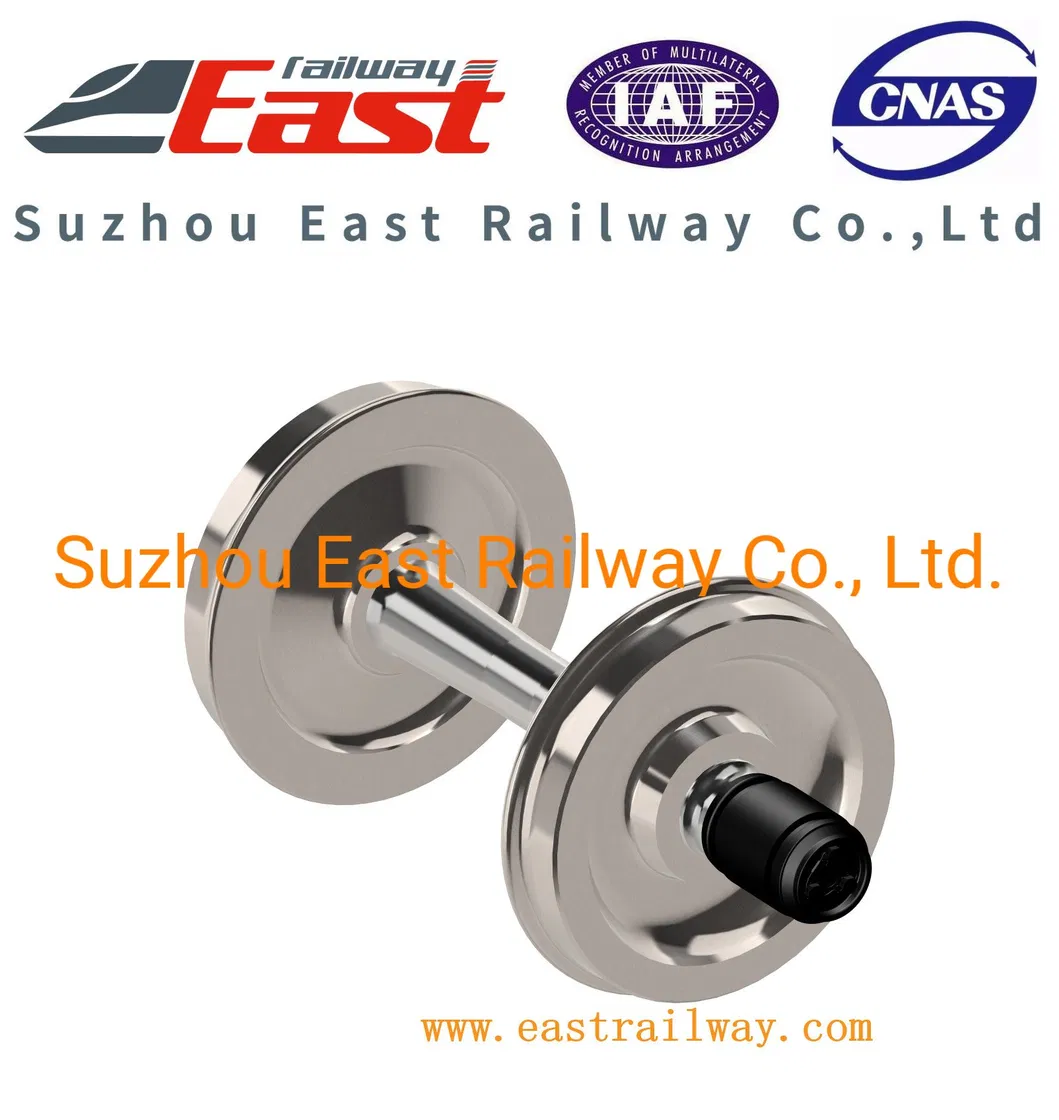
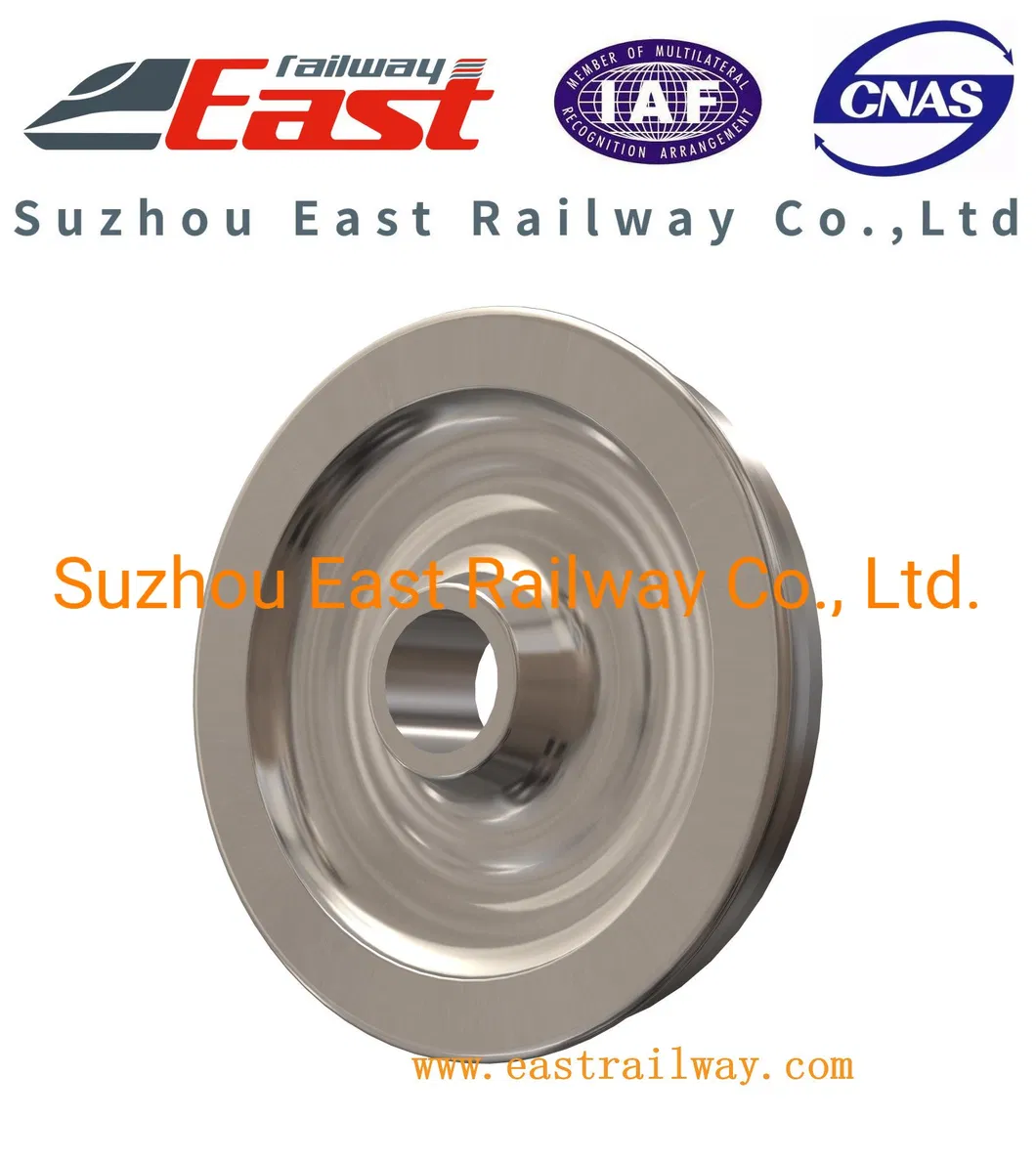
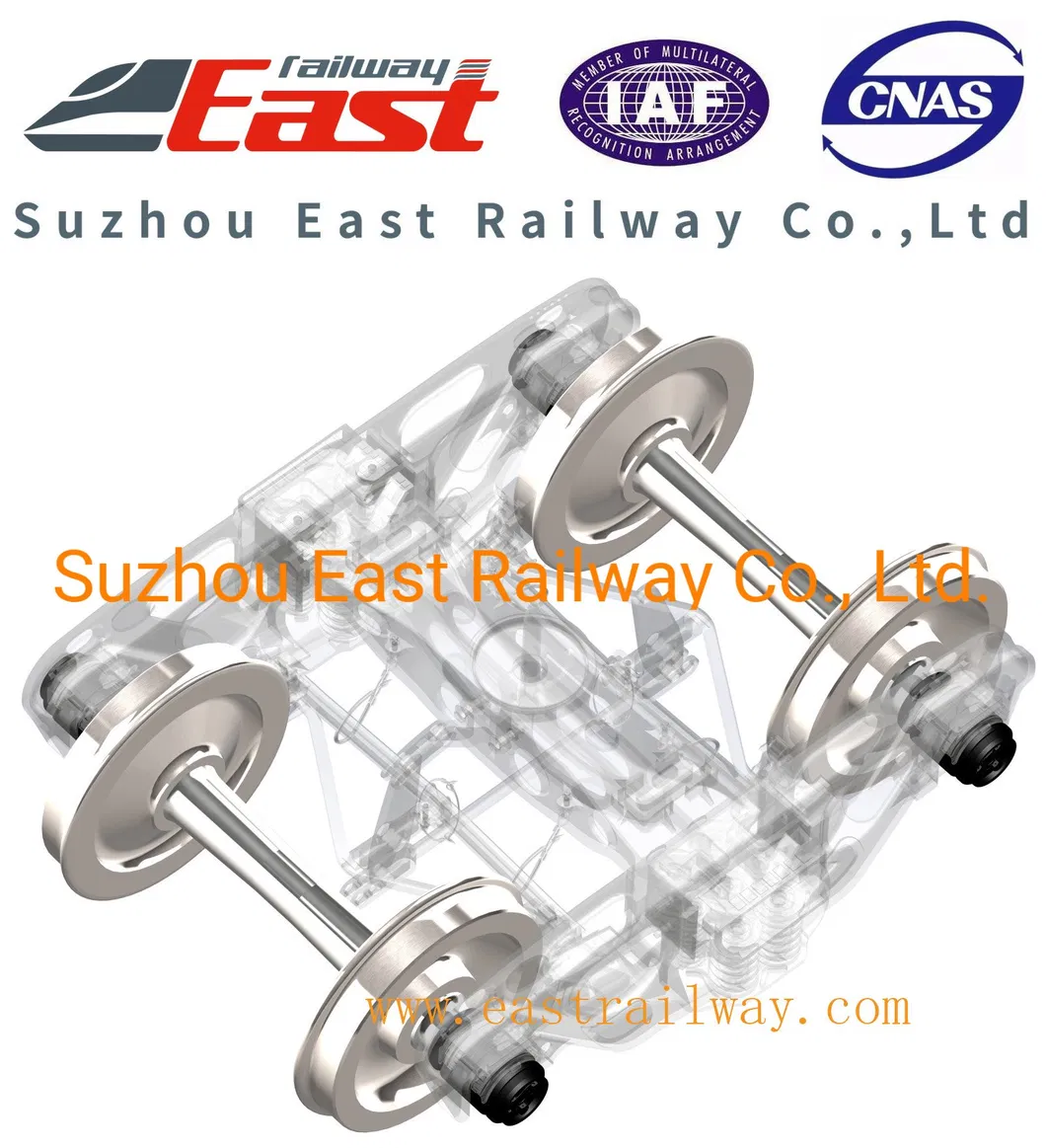
Railway wheel sets are critical components of the railway bogie, serving as the most essential spare parts in the industry. A standard wheel set comprises two wheels, one axle, and two bearings. Depending on application requirements, additional parts such as gears, brake discs, and axle boxes may be integrated.
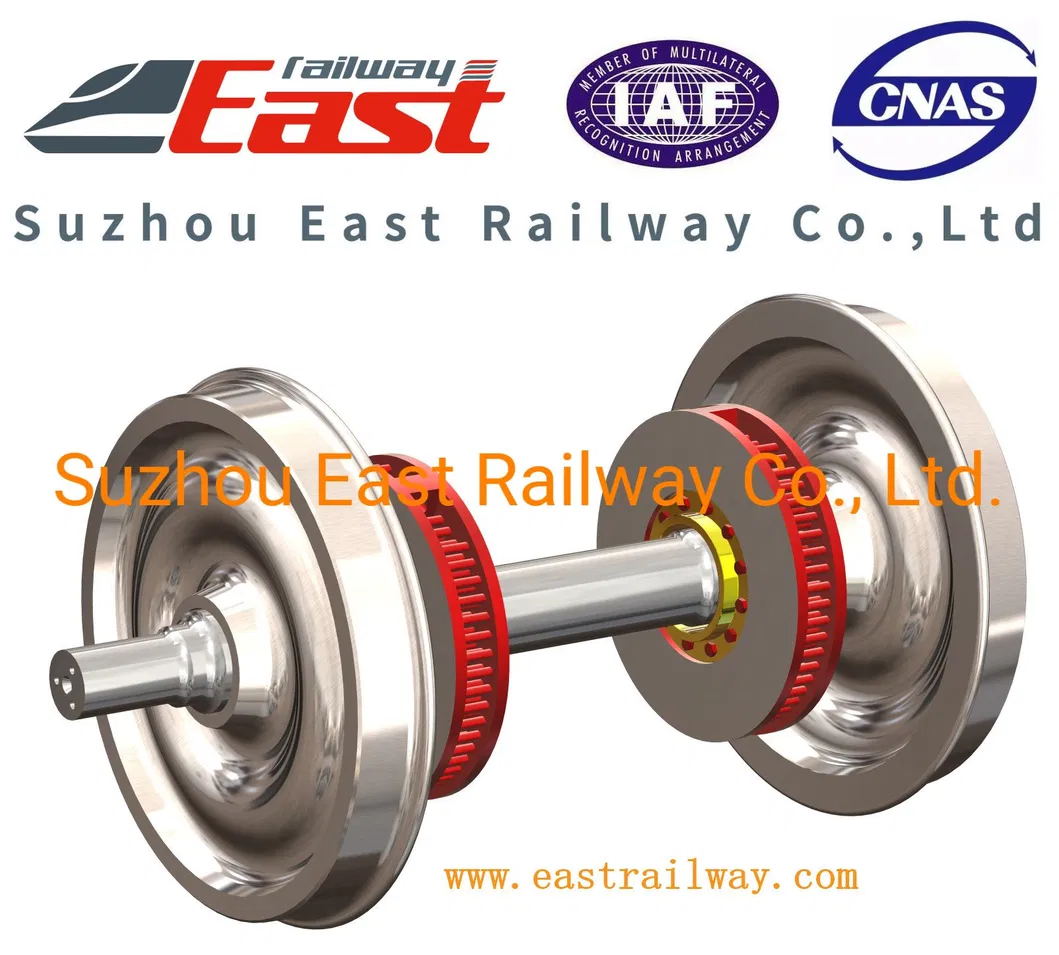
Component Diagram 1
Component Diagram 2
Module Parts
BogieSide frame / Bolster
Center plate / Wedge
Adapter / Stopper key
Wearing plate / Fastener
Air Brake SystemValves and piping
Draft Gear SystemCoupler / Knuckle / Yoke
Draft gear / Draft key
Striker / Control rod

International Standards

  • TB/T 1718: Railway vehicle wheelset installation requirements
  • UIC 813: Technical specifications for tractive and trailing stock
  • BS 5892-6: Specification for traction and trailing stock wheelsets
  • EN 13260: Wheelsets and bogies product requirements
  • JIS E4504: Quality requirements for railway rolling stock
Wheel Set Photo 1
Wheel Set Photo 2

Global Expertise & Supply

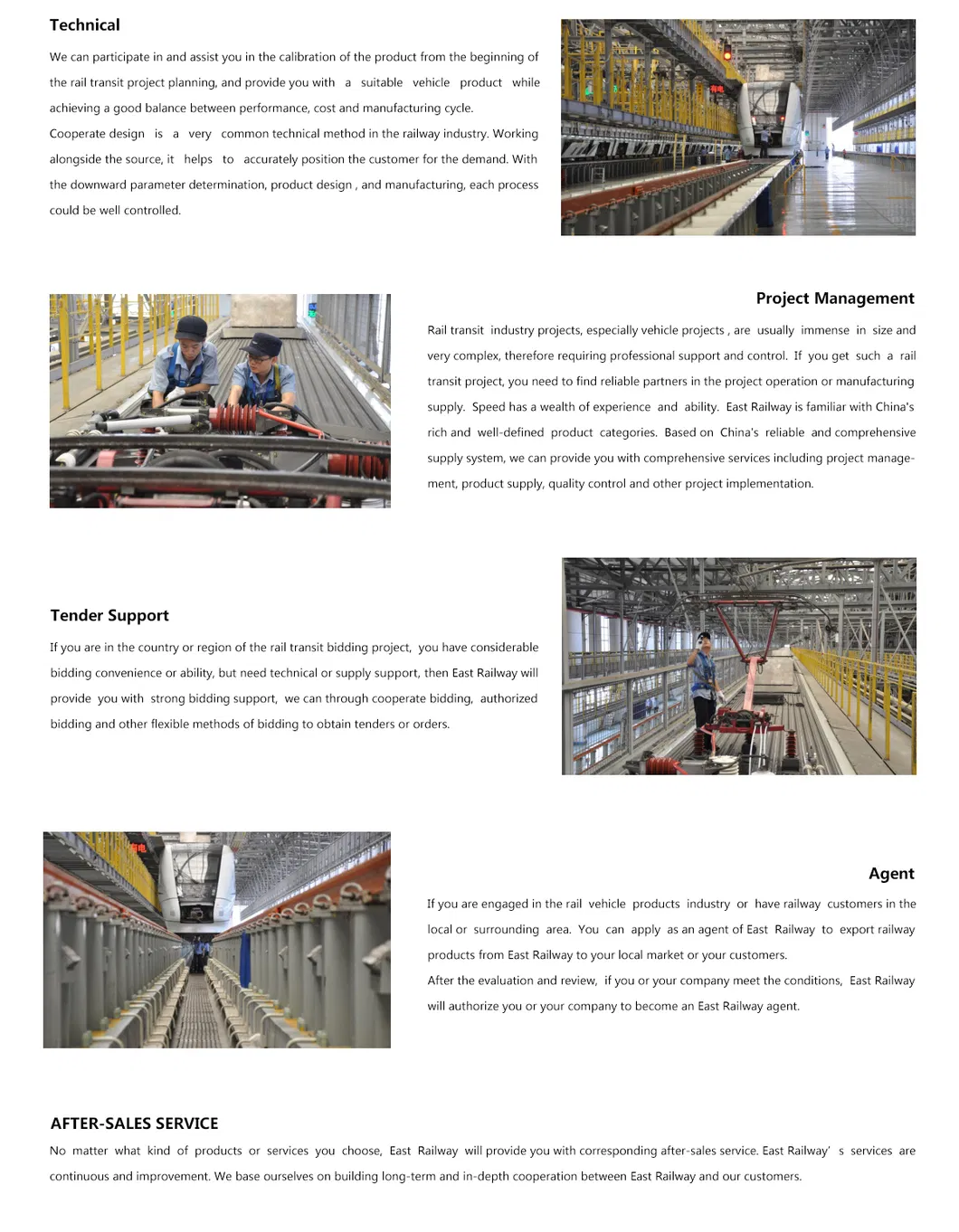
Specializing in the supply and design of components, complete passenger carriages, freight wagons, and spare parts for the global railway market. Our engineering and management teams possess extensive experience in international railway projects.

  • Comprehensive inventory of products from leading manufacturers.
  • Expertise in project management, maintenance, and system integration.
  • Global shipping capabilities with time-sensitive delivery focus.
  • Custom configuration based on vehicle and bogie performance parameters.
Supply Chain 1
Supply Chain 2
Service Chart

Frequently Asked Questions

Q1: What is the primary function of a rail shoulder?
A rail shoulder is pre-embedded in concrete sleepers to provide a secure anchoring point for elastic rail clips, ensuring the rail remains fixed within the fastening system.
Q2: What materials are used in cast-in rail shoulders?
They are typically made from Malleable Cast Iron (M.C.I.) or Spheroid Graphite Cast Iron (S.G.C.I.), with material grades like QT500, QT600-3, and ZG35 also available.
Q3: When should a weld-on shoulder be used instead of a cast-in type?
Weld-on shoulders are used when standard sleepers cannot be easily applied, allowing the shoulders to be welded directly onto flat steel base plates or steel ties.
Q4: Are your railway components manufactured to international standards?
Yes, all products comply with major international standards including UIC 813, BS EN 1563, AREMA, and DIN 1693 to ensure global interoperability.
Q5: What parts are included in a full railway wheel set?
A standard set includes two wheels, one axle, and two bearings, but can be customized with gears and brake discs based on specific locomotive or wagon requirements.
Q6: Do you provide parts for freight wagon maintenance?
Yes, we provide a full range of bogie components, draft gear systems, and air brake parts specifically designed for long-term freight wagon operation and replacement.

Related Products