Surgical tools, system batteries, and implants engineered to meet international orthopedic standards, optimized for Montenegrin clinics and diagnostic operations.

Montenegro's healthcare ecosystem, overseen by the Ministry of Health and powered by the Health Insurance Fund (FZO - Fond za zdravstveno osiguranje), is undergoing a pivotal modernization phase. With key referral centers such as the Clinical Center of Montenegro (KCCG) in Podgorica and the historical specialty hub—the "Vaso Ćuković" Special Hospital for Orthopedics, Neurosurgery, and Neurology in Risan, there is an escalating local demand for advanced total joint arthroplasty (TJA) solutions. The intersection of an aging demography and a growing regional reputation for medical tourism along the Adriatic coast has pushed joint reconstruction capacity limits to new heights.
Historically, Balkan medical institutions depended heavily on legacy European suppliers, leading to high cost structures and procurement bottlenecks. By importing direct-from-manufacturer high-performance Total Hip Replacement (THR) and Total Knee Replacement (TKR) systems, Montenegrin healthcare operators can significantly compress wait times. As Montenegro aligns its internal drug and medical device standards with the European Union's strict MDR (Medical Device Regulation 2017/745), importing organizations and local distributors require manufacturers who can guarantee not only competitive pricing but absolute bio-compatibility, documented traceabilities, and long-term implant survival rates.
Additionally, the geographic configuration of Montenegro—ranging from the coastal regions to the rugged northern highlands—requires highly durable orthopedic materials. Heavy-duty physical lifestyles, combined with hereditary joint dysplasia prevalent in Southeastern Europe, demand cementless titanium stems featuring robust hydroxyapatite (HA) coatings that facilitate rapid osseointegration. This ensures that patients, from active workers to senior citizens, achieve swift post-operative rehabilitation and return to function.
In the highly sensitive market of medical devices, supply chain vulnerability can compromise patient safety. The global healthcare logistics crisis emphasized the need for agile, technologically integrated production centers. Our manufacturing philosophy addresses this vulnerability through Factory 4.0 automation, establishing complete vertical integration of orthopedic implant production. By managing everything from raw titanium bar preparation to final cleanroom packaging internally, we eliminate third-party delays and preserve cost efficiency.
Our facility is engineered to run on advanced CNC five-axis milling centers and automated finishing paths. These technologies ensure that complex geometries, such as the anatomical curvature of cementless femoral stems or the precise locking mechanisms of acetabular cups, are produced with micron-level consistency. For Montenegro’s healthcare providers, who often experience localized budget constraints, our direct supply model cuts out unnecessary distribution layers. This provides premium, CE-certified implants at a sustainable unit cost that complies with public hospital bidding frameworks.
Furthermore, our logistics framework is geared towards reliable international transit. Recognizing the customs and import procedures of Montenegro (which lies outside the EEA but strictly follows EU safety guidelines), we supply comprehensive documentation, including detailed Certificate of Conformity (CoC) reports, material mill run analysis, and validated sterilization records. This documentation facilitates rapid clearance at the Port of Bar or Podgorica Airport, preventing clinical scheduling delays.
Utilizing certified Ti-6Al-4V ELI (medical grade titanium alloy) and high-strength Cobalt-Chromium-Molybdenum alloys to prevent aseptic loosening and mechanical fatigue.
Integrating rough vacuum plasma-sprayed titanium and hydroxyapatite (HA) coatings to optimize secondary biological anchorage inside the proximal femur.
Cleanroom packaging and EO (Ethylene Oxide) or Gamma sterilization protocols conforming strictly to ISO 11137 and ISO 11135 guidelines.
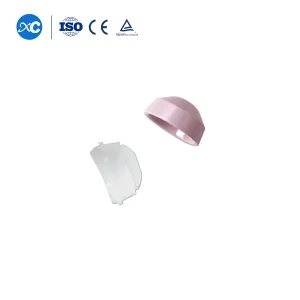
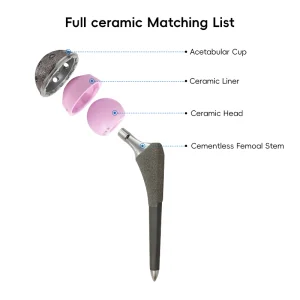
Total Hip Arthroplasty (THA) success hinges on tribology—the science of friction, wear, and lubrication at the articulating interface. Modern orthopedic protocols require wear-resistant bearings to avoid osteolysis caused by polyethylene debris. Our manufacturing portfolio focuses on advanced bearing combinations, including:
For Montenegro's orthopedic specialists, the ability to tailor material combinations based on patient profiles (e.g., choosing a cementless titanium stem paired with a ceramic-on-XLPE interface for a younger patient in Podgorica) ensures optimal, personalized treatment. This approach reduces long-term revision arthroplasty rates, easing the financial burden on the state healthcare fund.
Adhering to our core philosophy: "Quality and integrity first, striving for excellence, and pursuing the highest standards." Look inside our ISO 9001 and ISO 13485 certified facilities.
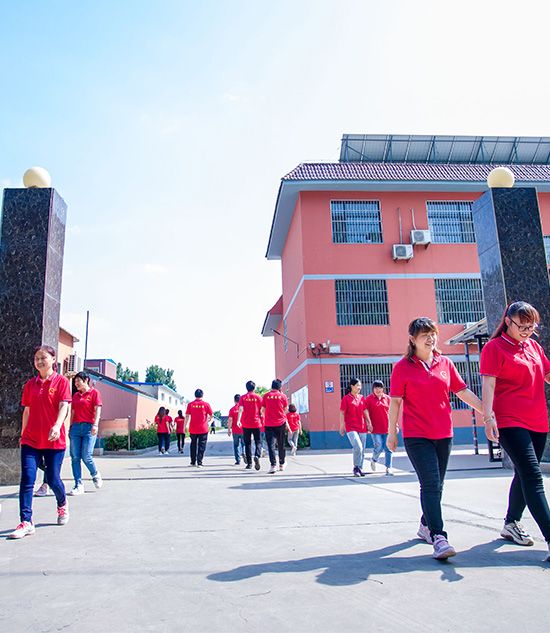
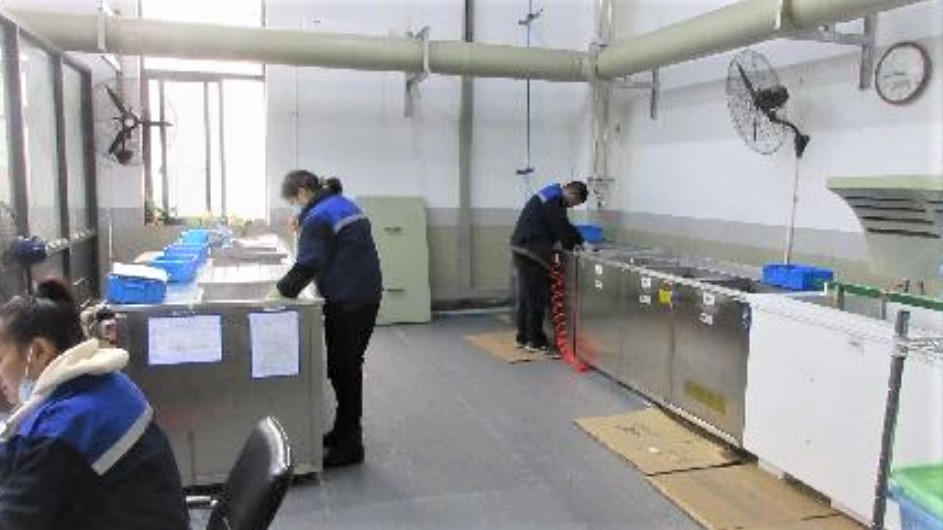
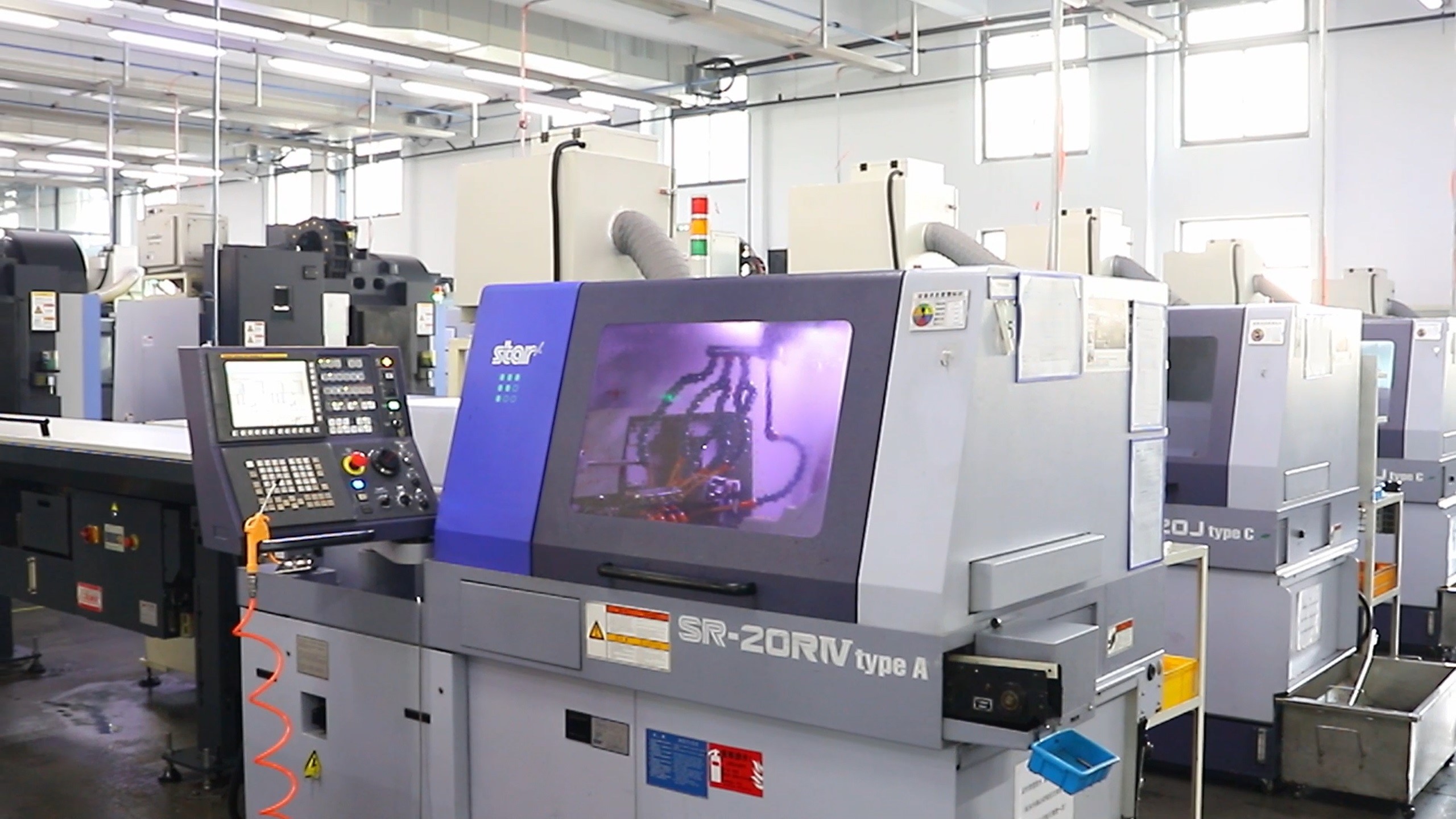
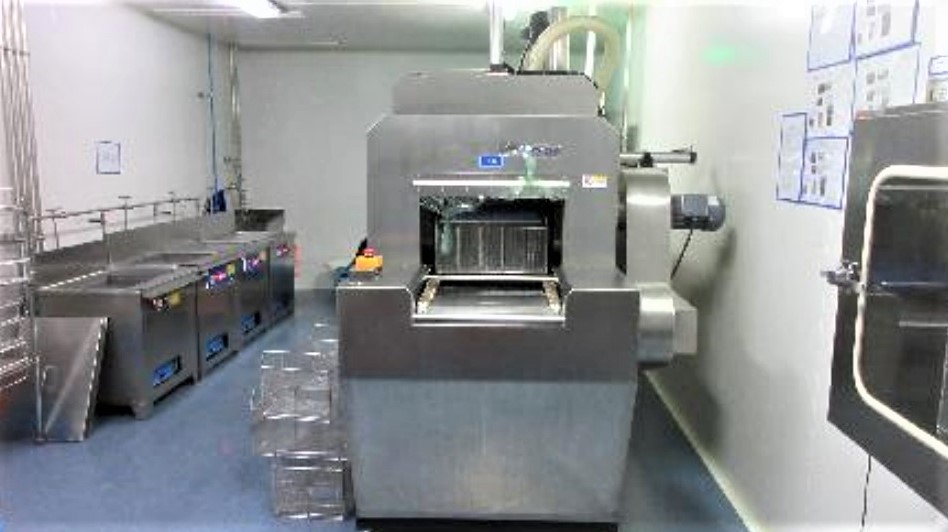
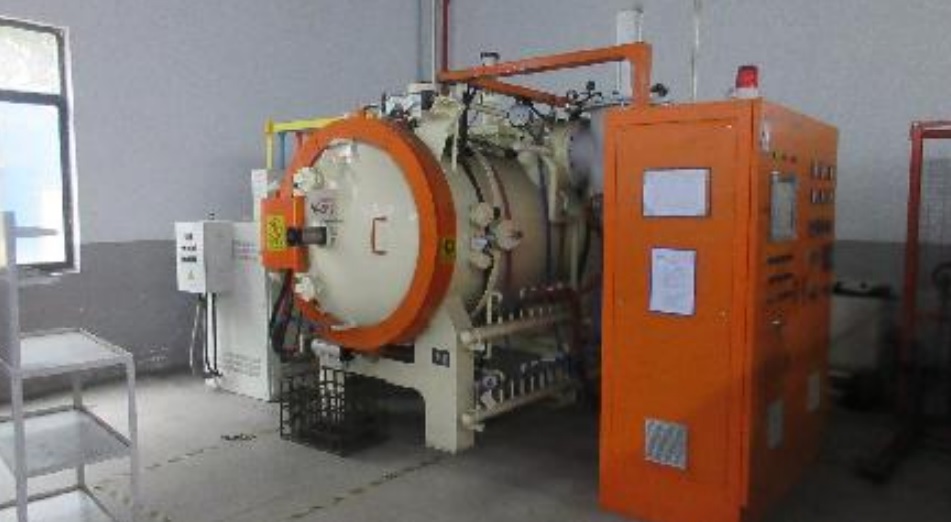
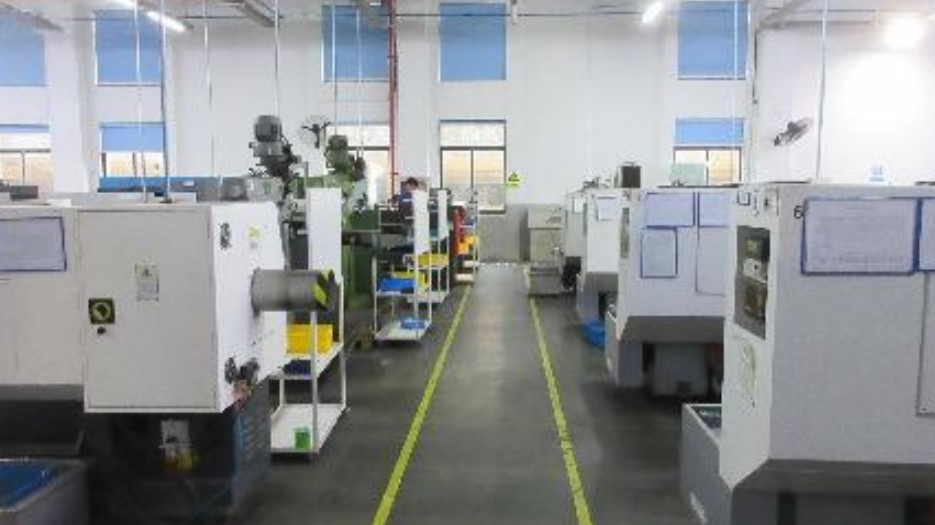
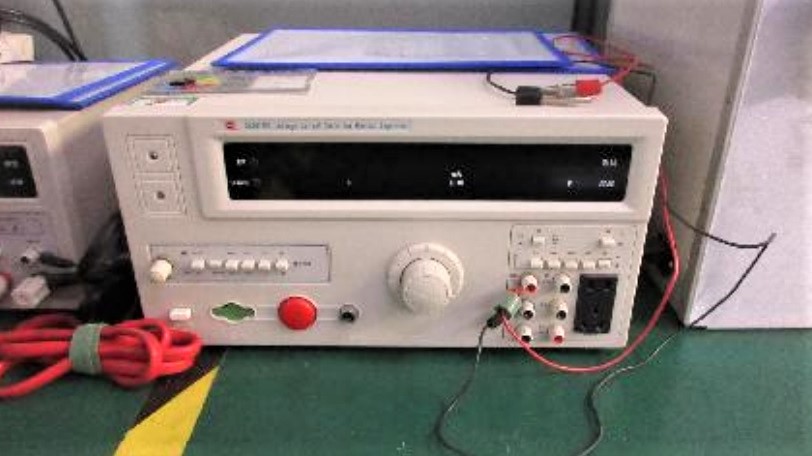
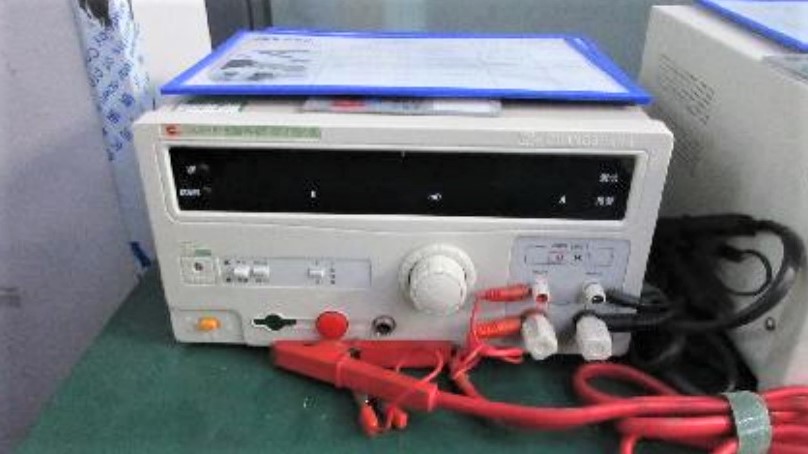
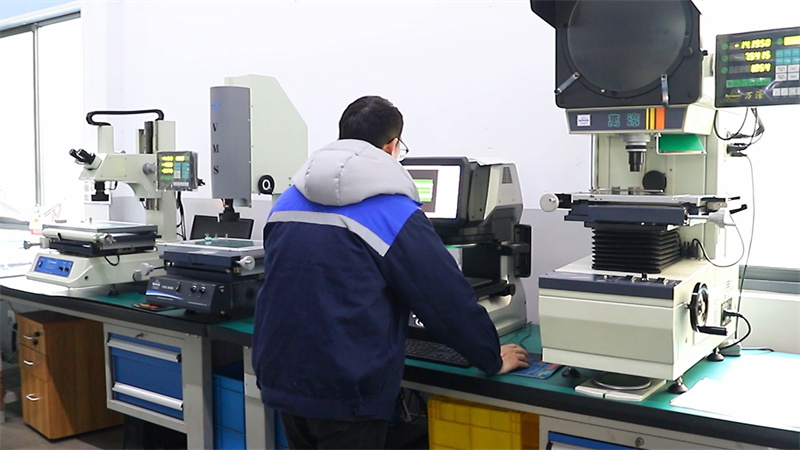
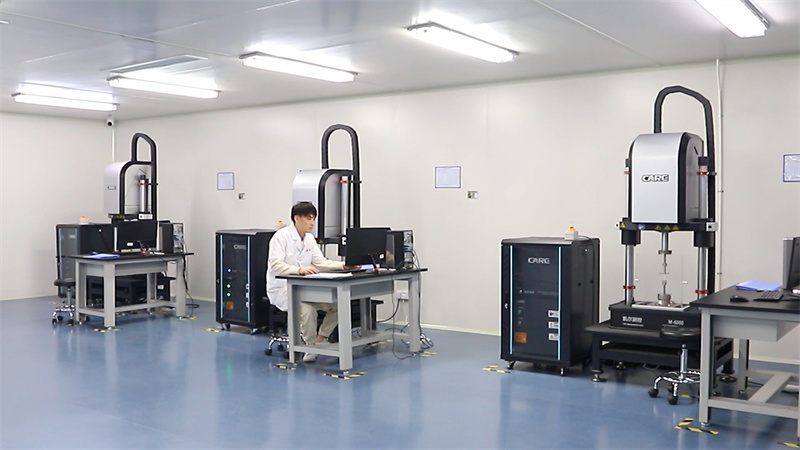
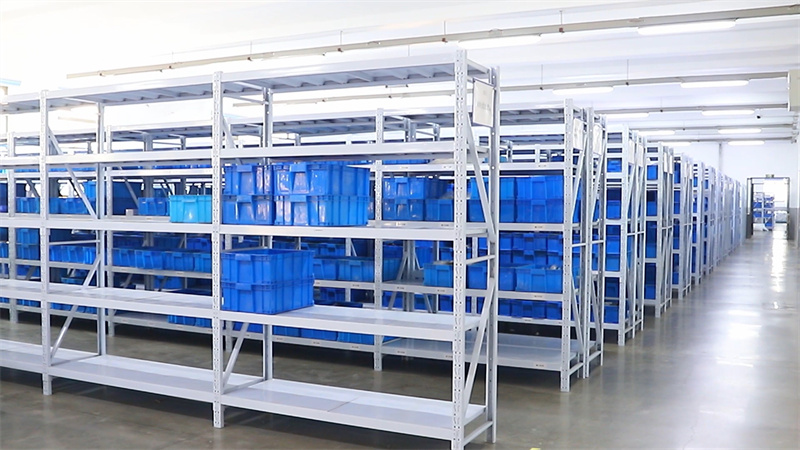
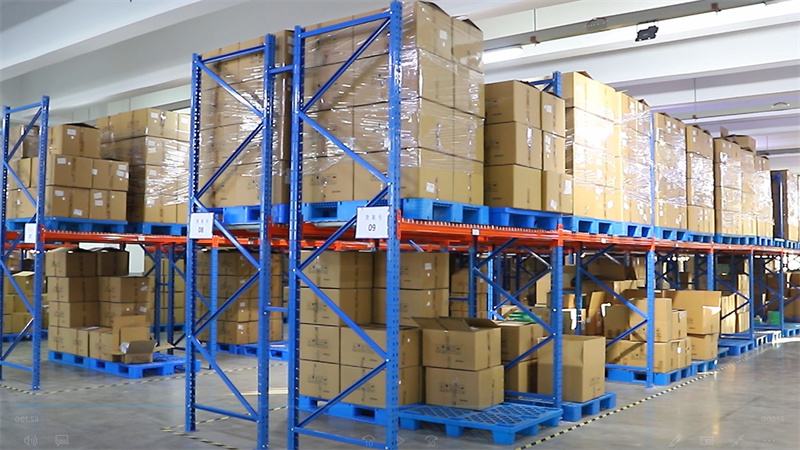
A professional R&D team and long-term technical exchanges with leading hospital experts ensure that our products function to their fullest potential. Our factory has passed ISO 9001 and ISO 13485 certifications. Our products exceed all international quality and safety standards, including CE and FDA certifications. For many years, our products have been exported to more than 70 countries and regions in Europe, America, Africa, and Southeast Asia.
Our professional team is dedicated to serving every customer. Your trust is the greatest recognition of our service. We will rely on high-quality products and continuously launch new marketable products based on market demand, achieving mutual benefit and win-win results with our customers.
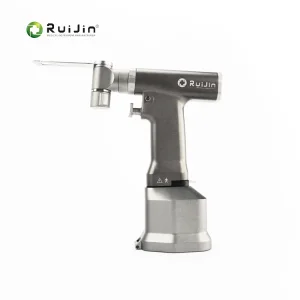
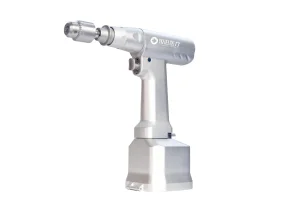
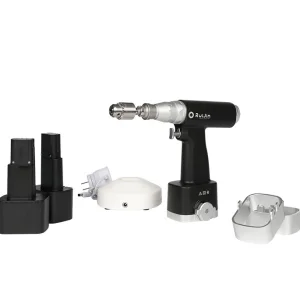
Our comprehensive range of hip systems, orthopedic power saws, and veterinary reconstruction components, certified for clinical implementation in Montenegro.
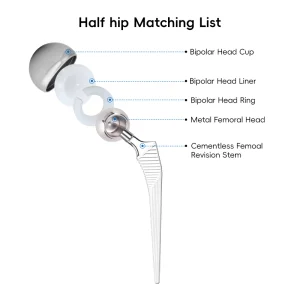
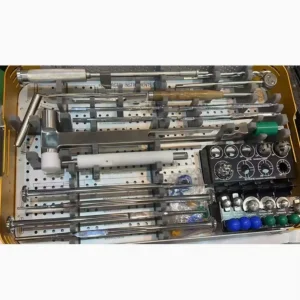
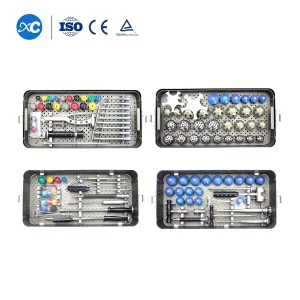
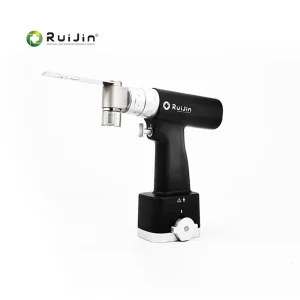
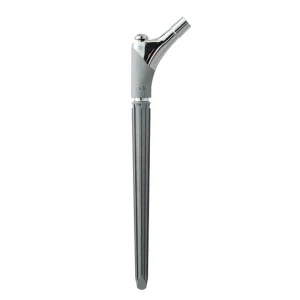
In Montenegro's coastal and mountain towns, degenerative joint disease is a primary contributor to reduced mobility. Our cementless titanium alloy hip systems, incorporating an advanced press-fit design with a double-tapered shape, deliver immediate rotational stability. This reduces micro-motion, allowing Montenegrin surgeons to safely initiate early post-operative mobilization and weight-bearing protocols.
Developmental Dysplasia of the Hip (DDH) presents unique anatomical challenges, often requiring specialized revision tools. By utilizing modular femoral stems and smaller cup profiles designed for structural deficiencies, surgical teams at Risan Hospital can execute reliable reconstructions, even in cases of severe pelvic bone loss.
Modern veterinary medicine in Podgorica has experienced growing demand for specialized small-animal arthroplasty. Large canine breeds often suffer from severe hip dysplasia. Our veterinary THR systems scale human-grade titanium implant technologies down to canine anatomical dimensions, offering veterinarians a long-term alternative to femoral head ostectomies.
Essential information for medical distributors, clinical procurement committees, and orthopedic surgeons operating in Montenegro and neighboring Balkan states.
 Daher Orthopedic Implants