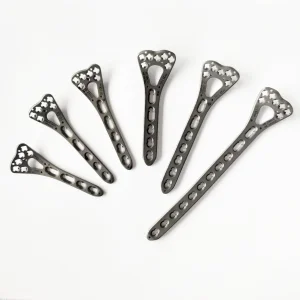
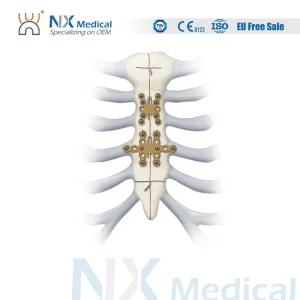
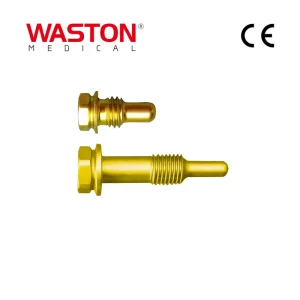
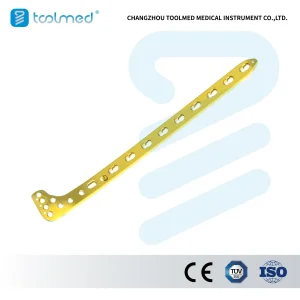
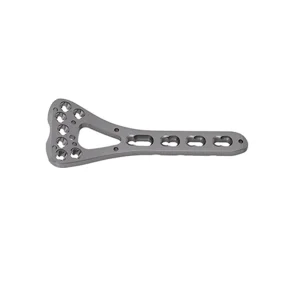
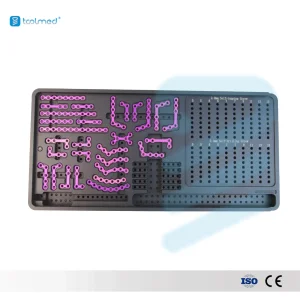
Advanced locking compression systems designed for anatomical reconstruction and stable fixation in clinical practices across Maputo, Beira, and Nampula.
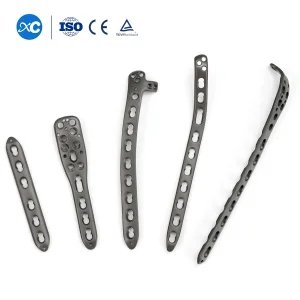
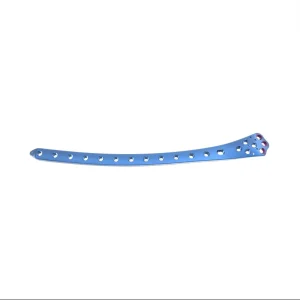
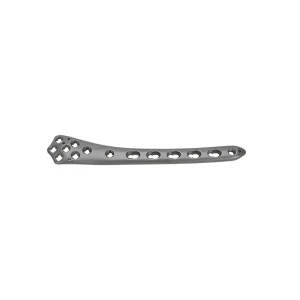
Analyzing the surgical infrastructure, clinical pain points, and distribution networks in East Africa.
The healthcare infrastructure in Mozambique is undergoing a significant transformation. Led by the Ministry of Health (Ministério da Saúde - MISAU), public healthcare providers, and private clinical networks, the country is actively expanding its surgical capacities. Central reference facilities, including the Hospital Central de Maputo (HCM), Hospital Central da Beira, and Hospital Central de Nampula, act as critical epicenters for advanced trauma surgeries, joint reconstructions, and pediatric orthopedic care.
However, importing medical devices into Mozambique involves navigating distinct logistical and regulatory challenges. Distributors and procurement officials must balance strict budgetary allocations with the non-negotiable need for biological safety and mechanical durability. Traditional bone plates and standard dynamic compression plates (DCP) are rapidly being replaced by variable-angle locking systems. These systems prevent hardware loosening under axial loads, rendering them ideal for osteoporotic patients and complex periarticular fractures.
By establishing direct channels with a verified ISO 13485 and CE-certified manufacturer, Mozambican distributors, private hospital groups, and humanitarian purchasing agencies can bypass expensive intermediary markups. This ensures a consistent supply of sterile, high-purity medical-grade titanium (Grades 5 and Ti-6Al-4V ELI) and surgical stainless steel (316L) implants across the nation's provinces.
Navigating the shift toward value-based procurement, biocompatibility standards, and localized clinical challenges.
The global market for orthopedic implants is witnessing rapid expansion, driven by advancements in materials science, biomechanical engineering, and an aging global population. Historically, standard non-locking bone plates relied entirely on friction between the plate and the bone to achieve stability. In modern clinical settings, this approach has been largely superseded by locking screw technologies. A threaded connection between the screw head and the matching plate hole creates a fixed-angle construct, offering superior mechanical stability and preservation of the underlying periosteal blood supply.
For international procurement organizations, the focus has shifted toward high-performance materials. Titanium Alloy (Ti-6Al-4V ELI) stands as the industry benchmark due to its exceptional strength-to-weight ratio, high fatigue resistance, and superior biocompatibility. It integrates seamlessly with bone tissue, reducing foreign-body reactions and lowering the risk of secondary revision surgeries. Additionally, 316L Surgical Stainless Steel remains a cost-effective, high-stiffness alternative favored for specific load-bearing long-bone applications.
In developing economies, procurement models emphasize not just unit cost, but the *total cost of care*. Frequent implant failures, screw breakage, or implant-associated osteomyelitis due to sub-standard alloys drain hospital resources. Savvy procurement teams prioritize manufacturers who offer complete orthopedic packages: anatomically pre-contoured plates, self-tapping and self-drilling locking/non-locking screws, and matching surgical instrumentation sets (including torque-limiting screwdrivers, drill guides, and depth gauges) to guarantee seamless operating theater execution.
Countries Exported
CE & FDA Compliant
13485 Certified Factory
Medical Grade Titanium
Uncompromising quality control and high-volume advanced manufacturing for international distribution.
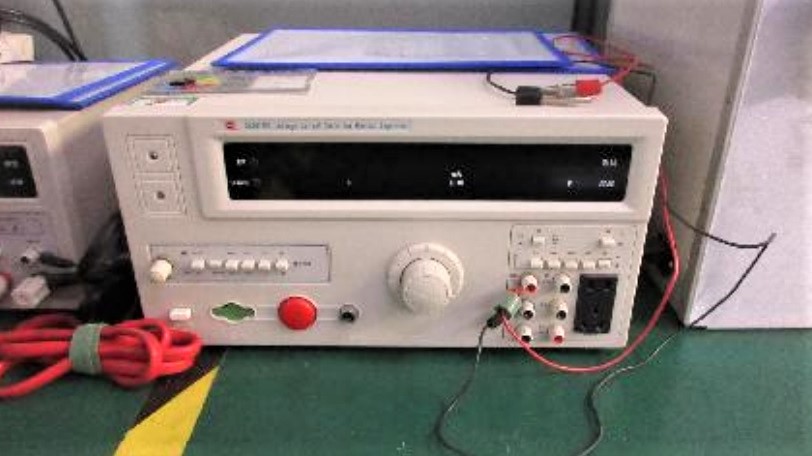
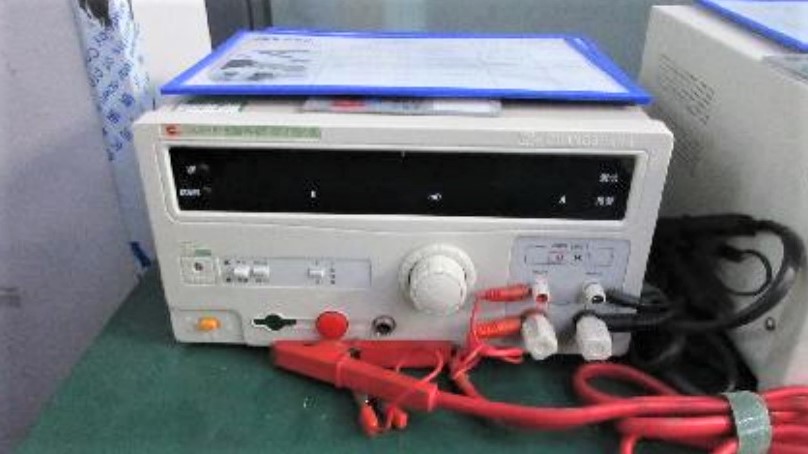
Our production philosophy centers on quality and integrity first, striving for excellence and pursuing the highest international standards. Supported by a professional R&D team and long-term technical exchanges with leading hospital experts, we ensure that our products function to their fullest clinical potential. Our factory is fully certified under ISO 9001 and ISO 13485, and our orthopedic implants meet or exceed CE and FDA standards.
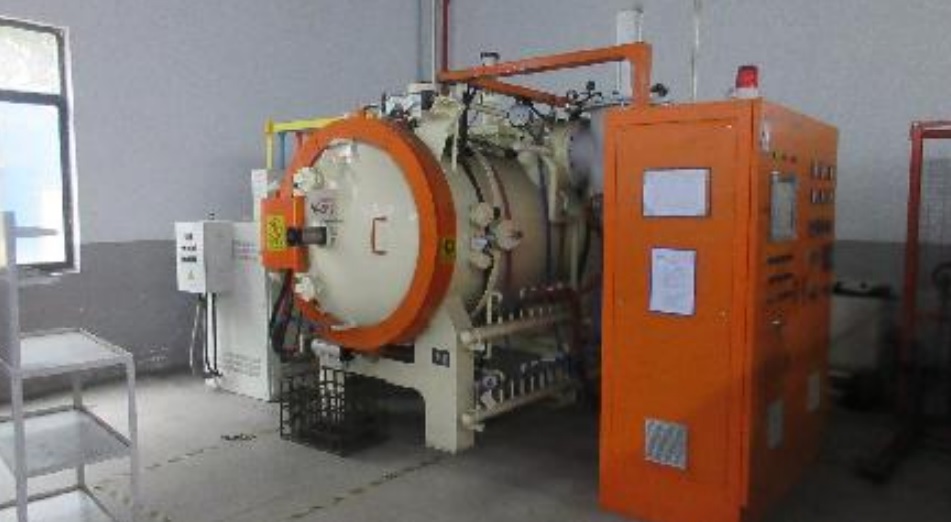
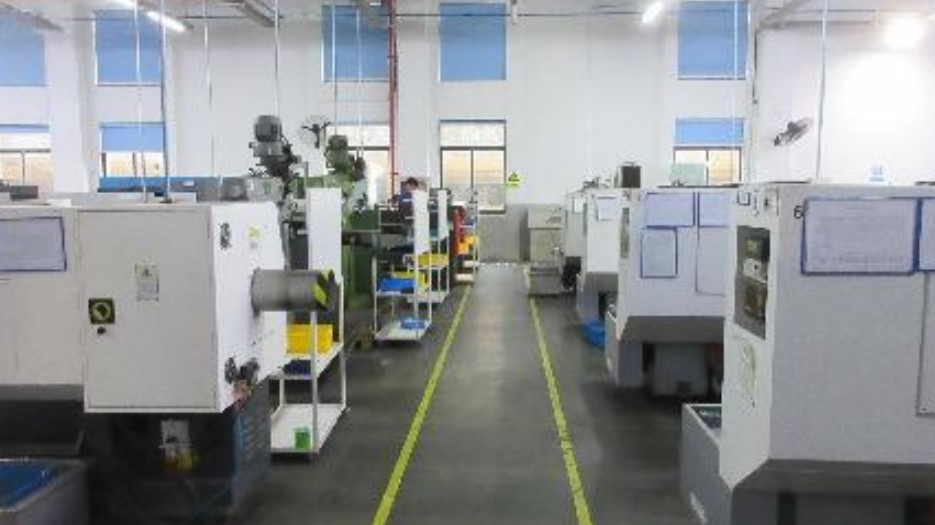
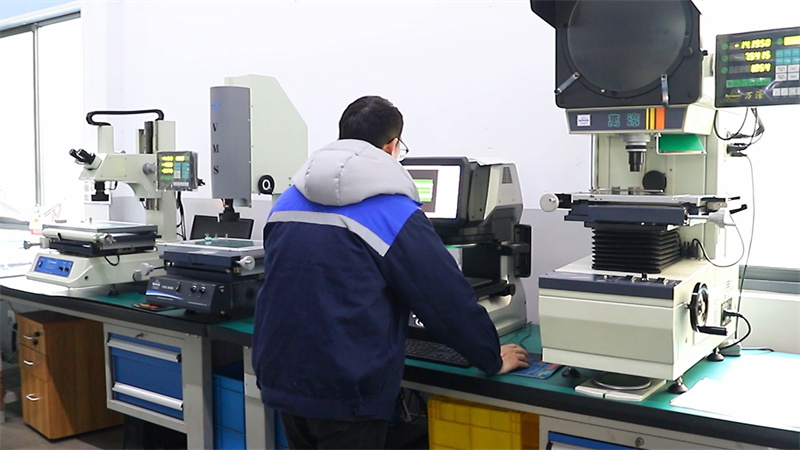
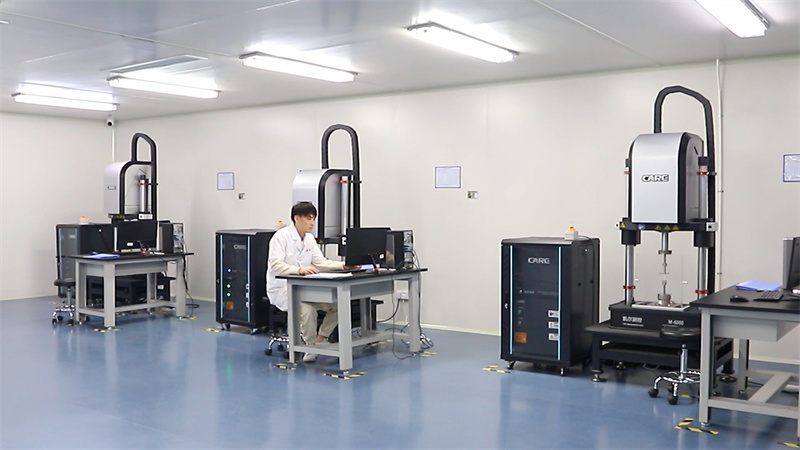
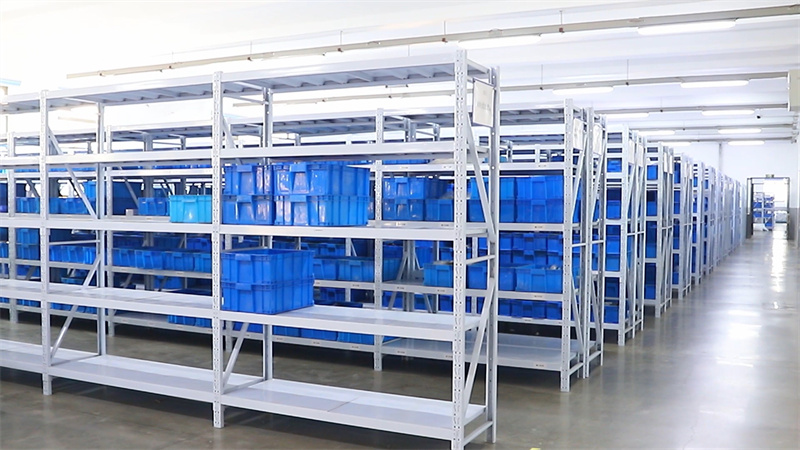
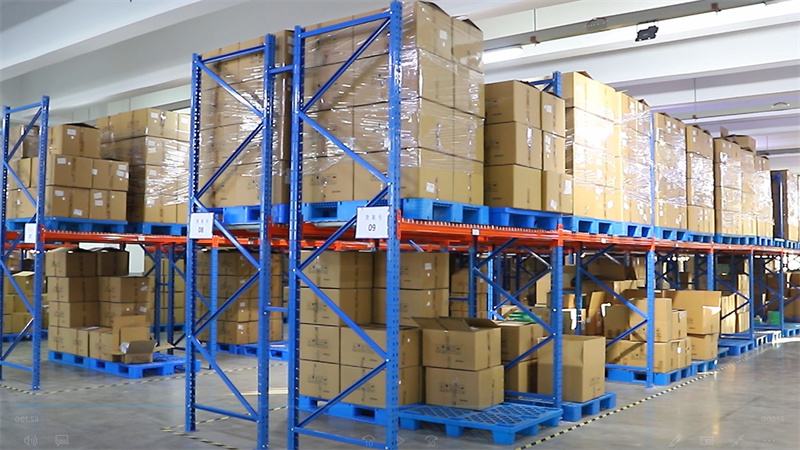
Operating a Factory 4.0 infrastructure, we utilize digital controlled lathes, CNC carving machines, and automated surface treatments to guarantee sub-micron tolerances. Our integrated supply chain allows us to maintain consistent material traceabilities from raw titanium ingots to finished sterile implant kits, shielding partners in Mozambique from global logistical bottlenecks.
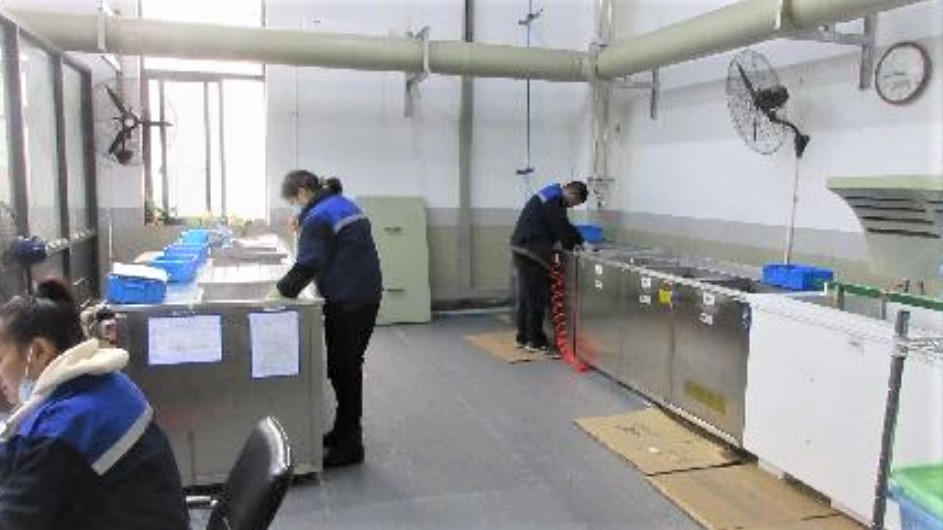
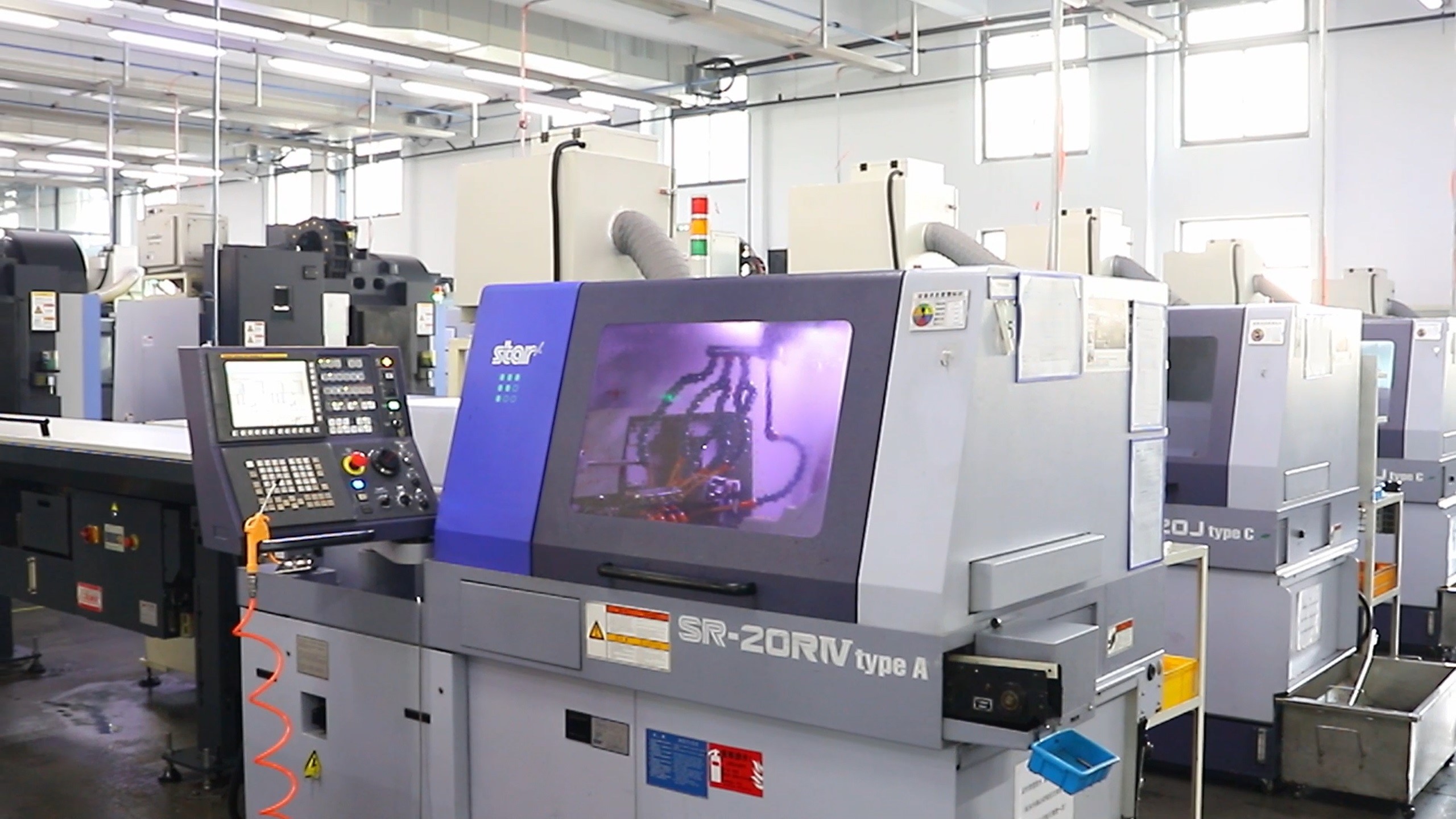
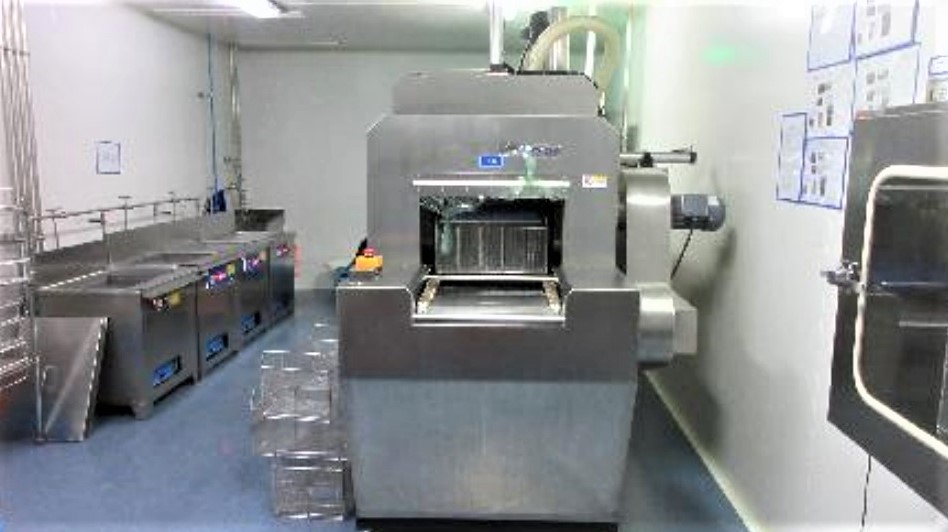
Targeted orthopedic solutions engineered to match specific fracture profiles and patient needs.
Clinical conditions within Mozambique's major metropolitan and rural zones require adaptable implant configurations:
Premium trauma and reconstructive implants engineered for long-term clinical safety and stability.
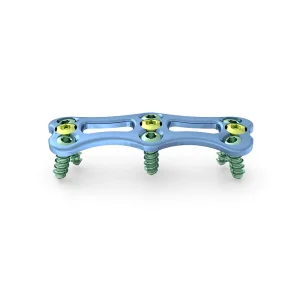
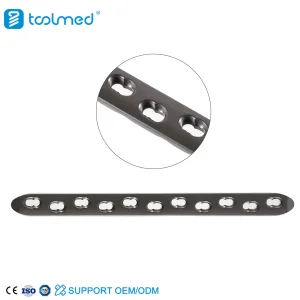
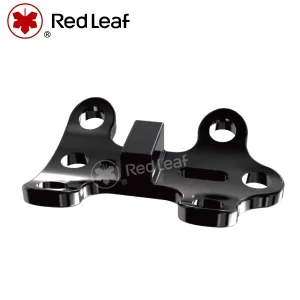
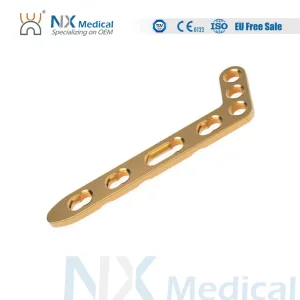
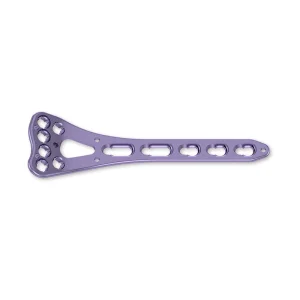
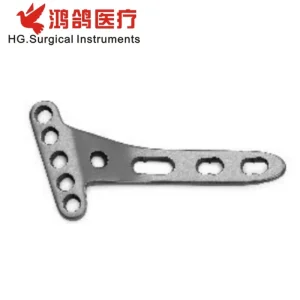
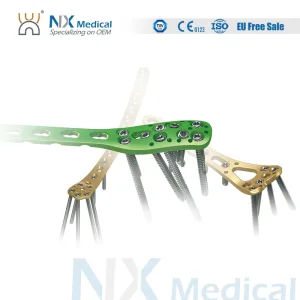
Crucial guidance for importers, distributors, and orthopedic surgeons sourcing medical implants for Mozambique.
 Daher Orthopedic Implants