Engineered for absolute anatomical conformity, these specialized locking plates are optimized to address immediate critical fixation requirements across emergency clinical networks in Roseau and beyond.
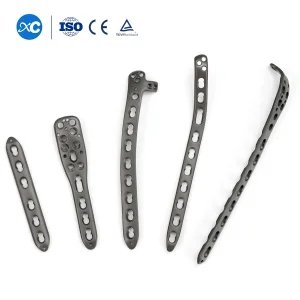
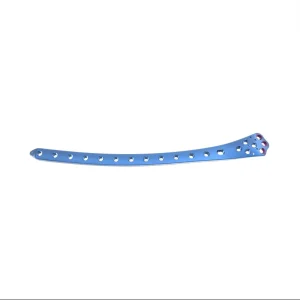
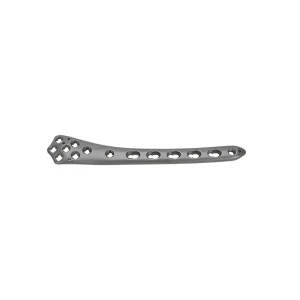
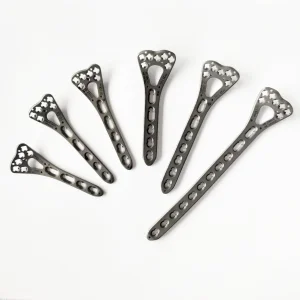
The Commonwealth of Dominica presents a unique and geographically challenging environment for trauma care and orthopedics. Due to its mountainous terrain, winding highways, and active outdoor industries—ranging from agriculture to eco-tourism—injuries to the skeletal system represent a substantial clinical challenge. In particular, complex articular fractures, high-energy tibial fractures, and upper limb trauma require precise internal fixation to minimize disability and prevent long-term functional impairment.
As a leading orthopedic manufacturer, we focus on delivering highly optimized locking plate and screw systems designed specifically to address these challenges. By incorporating advanced metallurgy (specifically Grade 5 and Grade 23 Titanium) and variable-angle technology, our products ensure that orthopedic surgeons in Dominica have the tools necessary to achieve stable fixation, even in osteopenic bone or complex multi-fragmentary fractures.
Supporting international healthcare systems and clinical trials across more than 70 countries.
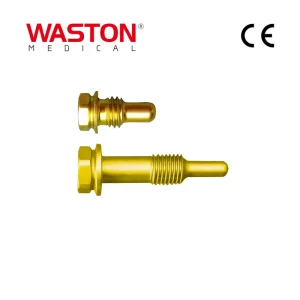
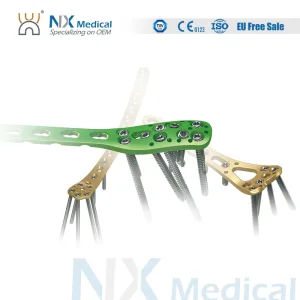
Modern osteosynthesis relies heavily on the mechanical advantages offered by locking plates. Unlike traditional non-locking plates, which require friction between the plate and the bone to achieve stability, locking plates act as internal fixators. In an internal fixator system, the screws thread directly into the plate, locking their angle relative to the plate. This design provides several distinct biological and mechanical advantages:
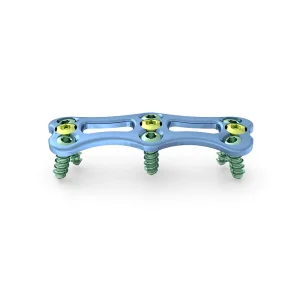
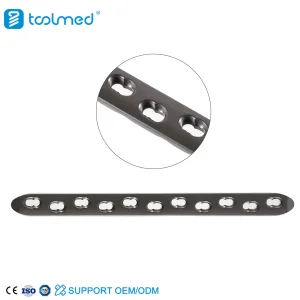
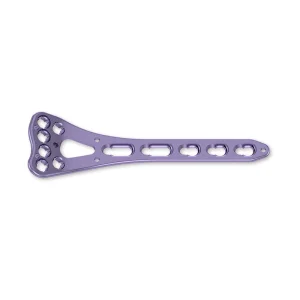
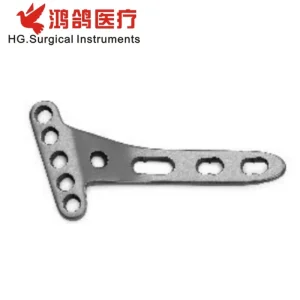
Our Locking Plates feature meticulously engineered pre-contoured profiles that match the typical human anatomy. This reduces the need for intraoperative contouring, saving valuable surgical time and minimizing mechanical stresses within the titanium plate that can occur during manual bending. The low-profile design also reduces soft-tissue irritation, which is especially vital in locations with minimal soft-tissue coverage, such as the distal radius, distal tibia, and clavicle.
In humid, tropical marine environments like Dominica, implant corrosion resistance is a key design consideration. Our orthopedic trauma systems are constructed from premium biocompatible medical alloys, primarily Ti-6Al-4V ELI (Extra Low Interstitial) and pure Titanium (Grades 1-4) in compliance with ASTM F136 and ISO 5832-3 standards.
To further enhance performance, we utilize advanced surface oxidation systems. Type II and Type III anodization processes increase the wear resistance of our plates and allow color-coding of locking holes and screws, helping operating room scrub technicians identify screw sizes and instrument sets swiftly during high-pressure trauma surgeries.
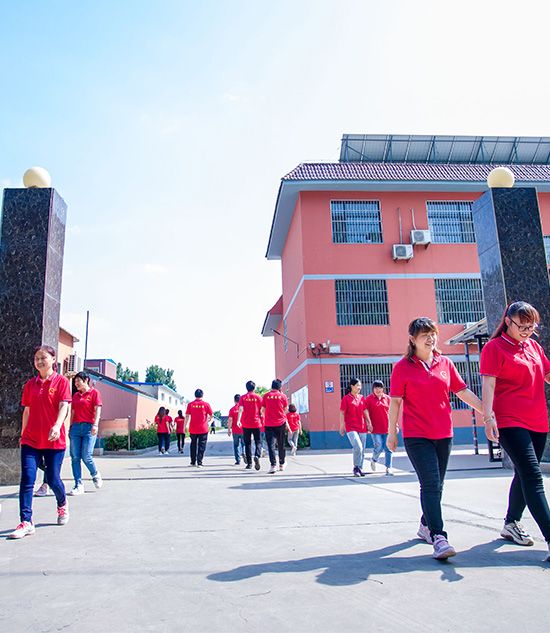
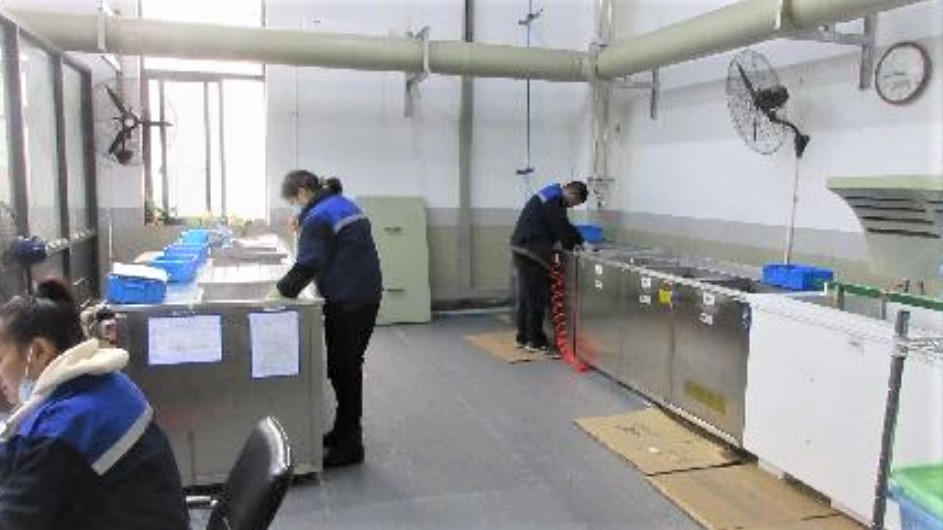
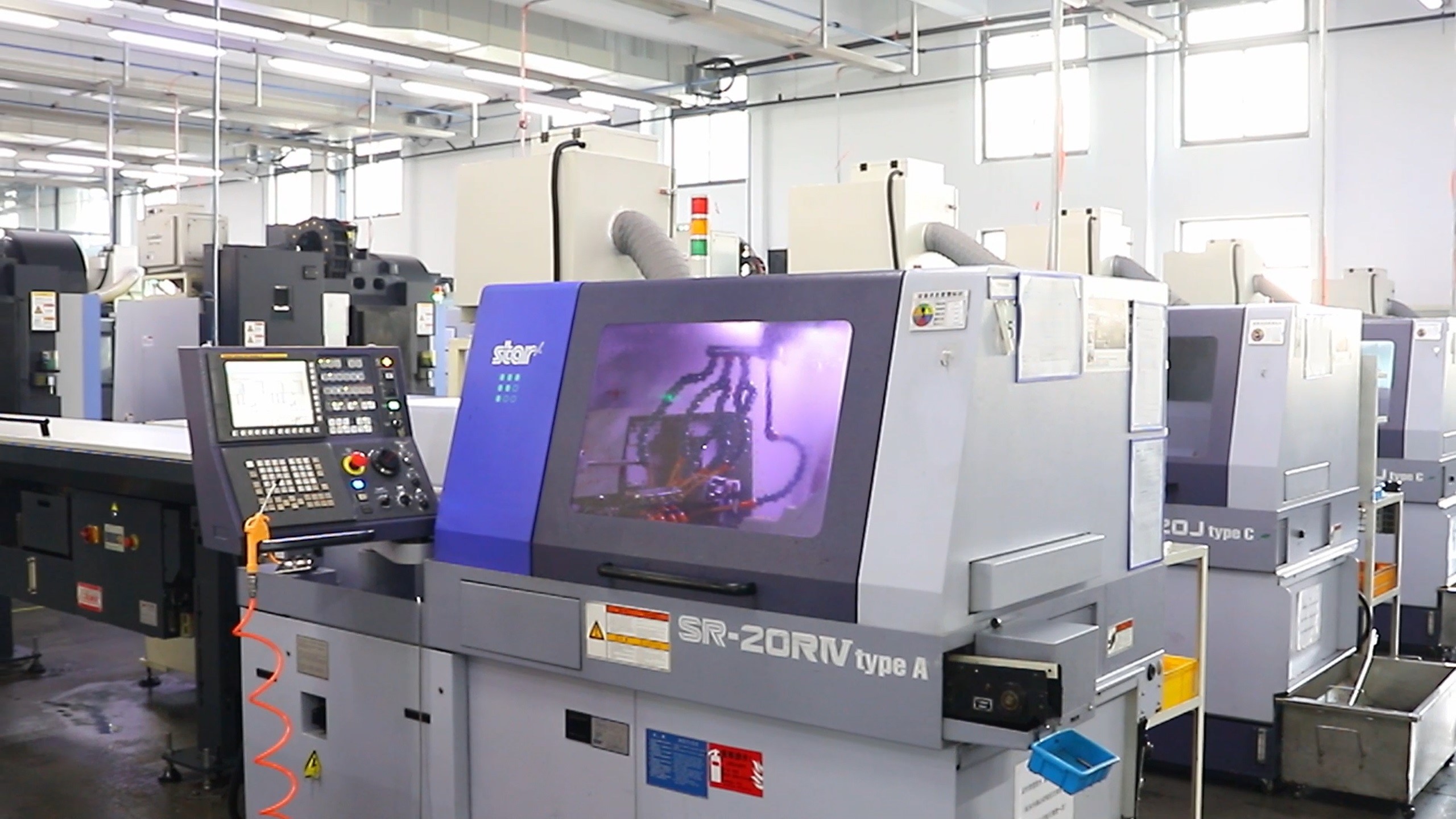
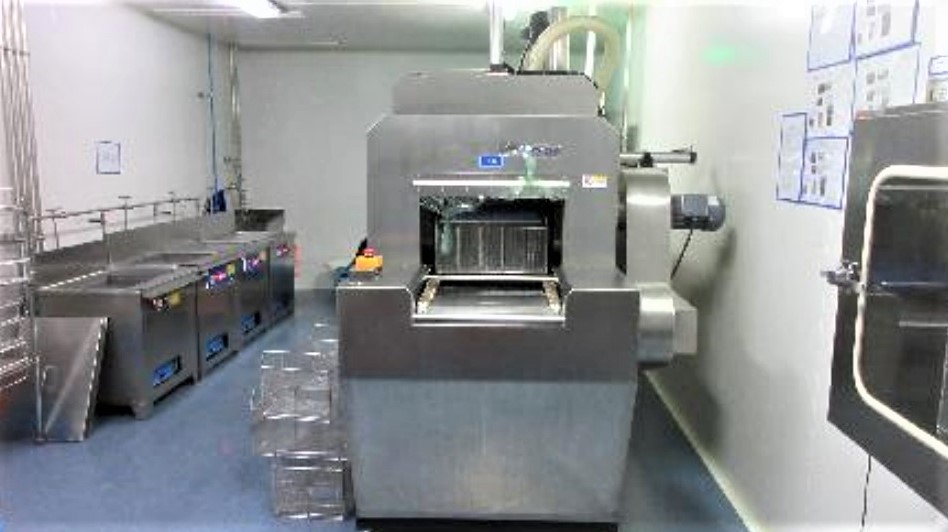
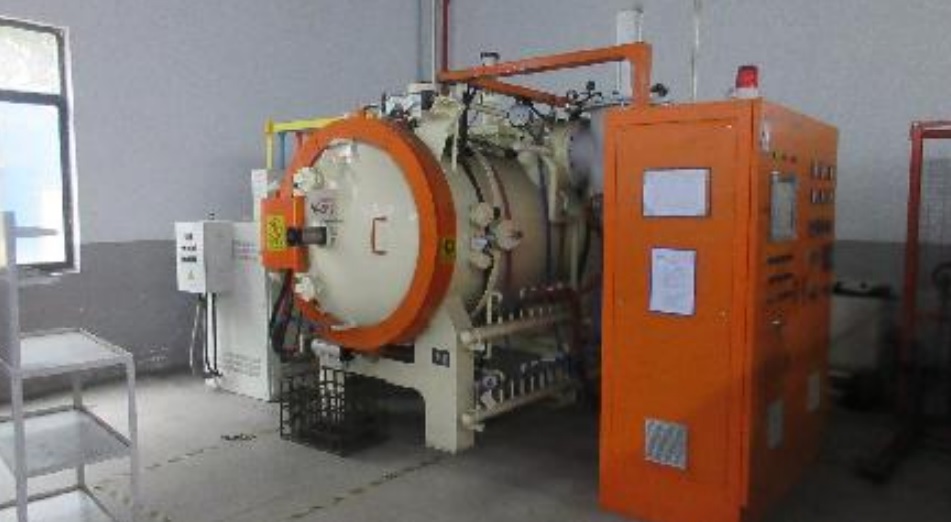
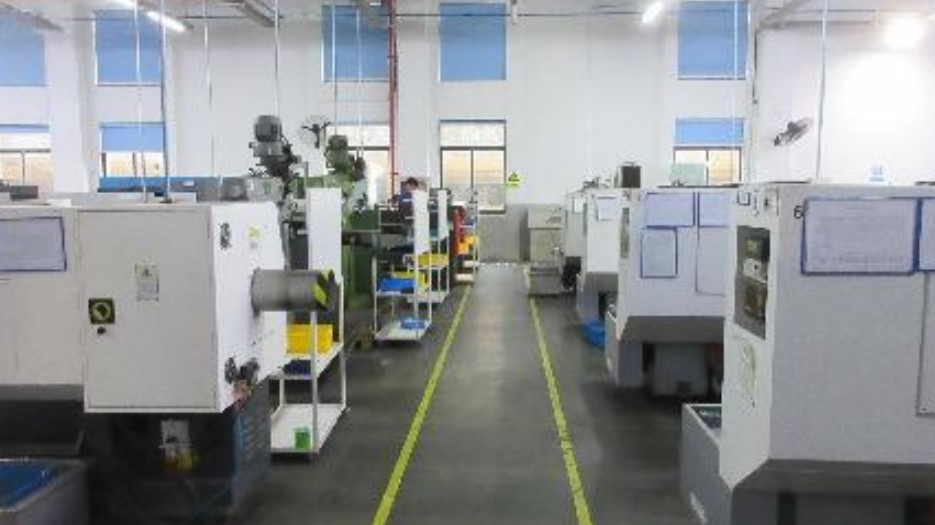
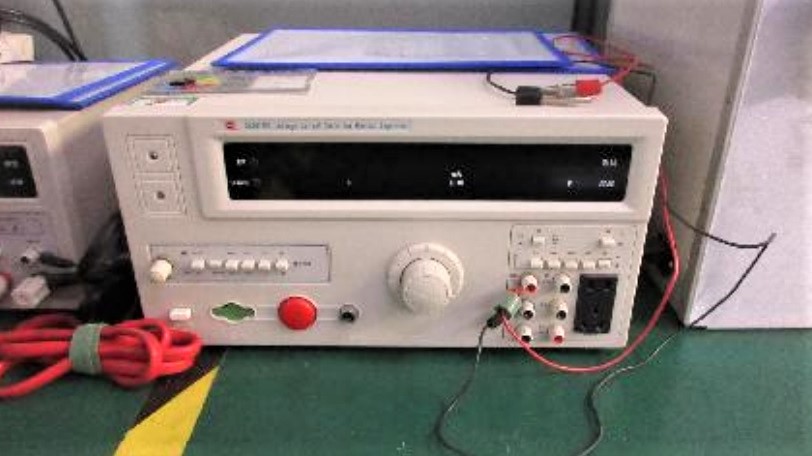
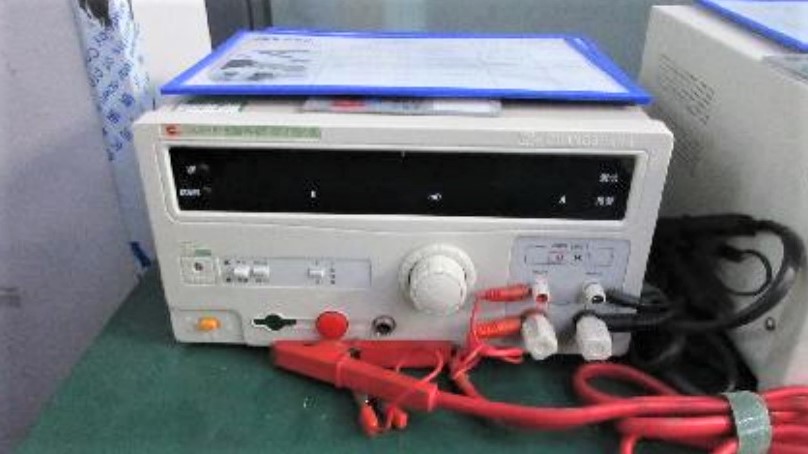
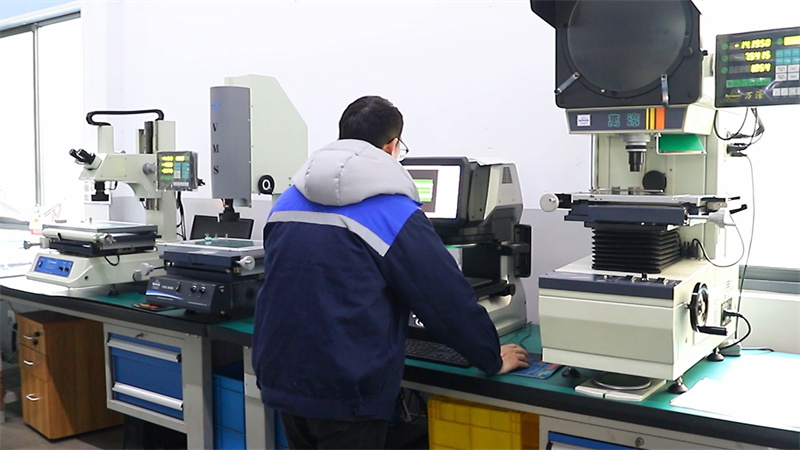
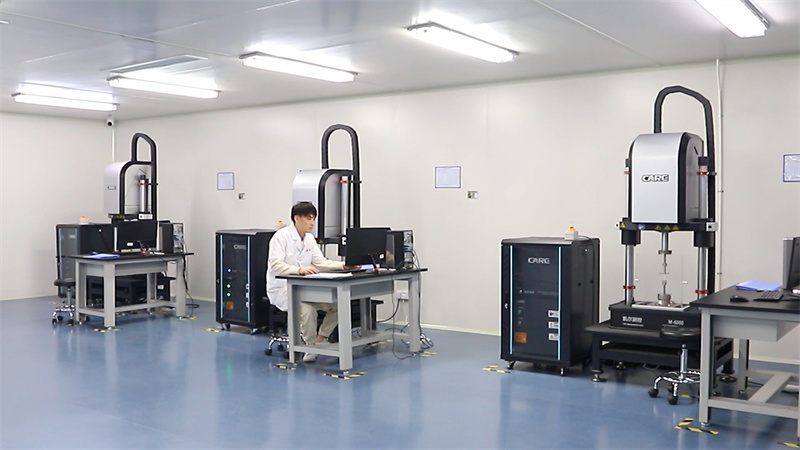
We operate under a strict "Quality and Integrity First" philosophy. Our facility leverages high-precision CNC machinery and rigorous mechanical test systems to ensure every trauma plate meets CE and FDA standards.
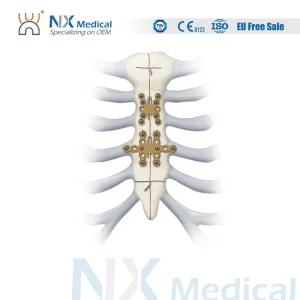
Broadening our therapeutic offerings with robust systems designed for neurosurgical, cardiothoracic, and complex diaphyseal trauma reconstruction.
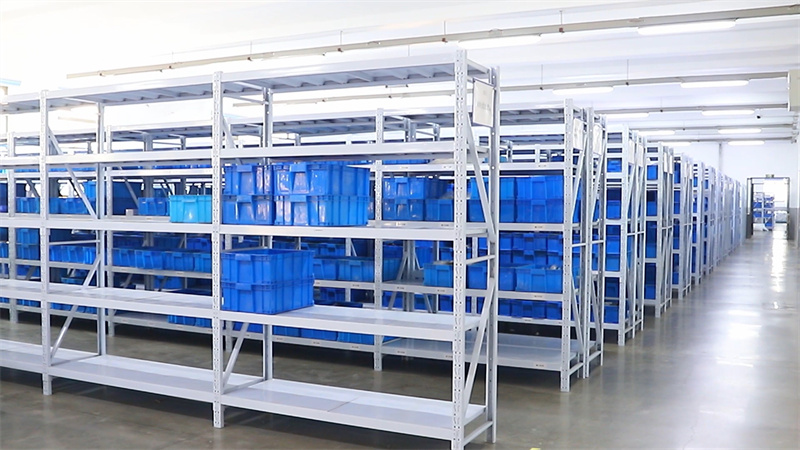
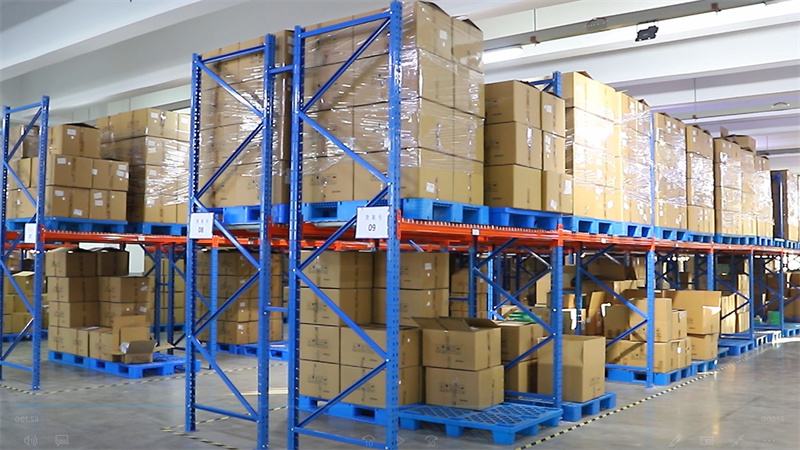
In critical medical sourcing, the strength of the manufacturing supply chain is directly linked to patient safety. Small markets like Dominica often encounter challenges such as shipping delays, customs clearance bottlenecks, and stocking deficits. By consolidating high-efficiency production lines in our ISO-certified facilities in China, we address these challenges directly.
This streamlined supply chain ensures that hospital storage levels remain stable throughout the year, shielding them from unexpected supply chain issues caused by natural disasters or shipping disruptions in the Caribbean.
Combining state-of-the-art materials engineering with a robust distribution model customized for the Caribbean region.
Full CE and FDA regulatory compliance guarantees that all plates and screws fulfill the strict requirements of international health safety standards.
Type II/III anodization produces a bio-inert layer, minimizing bone-plate friction while providing clear color coding to aid surgical teams.
Engineered hermetic packaging protects sterileness, protecting against air humidity and temperature shifts common to maritime zones.
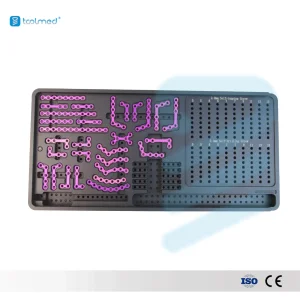
A reliable implant requires an equally reliable instrument set. We supply comprehensive surgical kits alongside our locking plates and screws. These kits are packed with color-coded drill guides, depth gauges, torque-limiting screwdrivers, and trial templates. Utilizing quality instruments ensures the screw-to-plate locking mechanism is tightened to exact specifications, preventing over-tightening or thread damage during surgery.
Additionally, we maintain a flexible manufacturing schedule that allows us to produce customized anatomical configurations or custom sizes for complex clinical cases, providing surgeons in Dominica with solutions tailored to their patient's specific anatomy.
Find direct answers to common questions about international shipping, regulatory approvals, and implant metallurgy.
Explore our comprehensive range of specialized locking plates, covering osteotomy, tibia fixation, and distal radius reconstruction systems.
 Daher Orthopedic Implants