Our premier intramedullary nail systems designed for optimal biomechanical stability, reduced recovery times, and precise surgical application in Lima's leading public and private medical facilities.
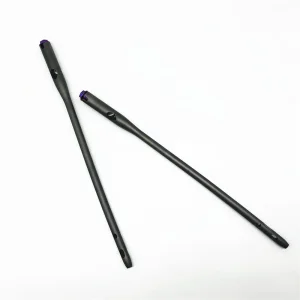
As the primary demographic and clinical hub of Peru, Metropolitan Lima faces unique healthcare challenges. According to statistical research from institutions such as MINSA (Ministerio de Salud) and EsSalud, vehicular incidents along major arterial roads (like the Pan-American Highway) and dense urban construction sites contribute to high rates of long-bone diaphyseal fractures. Consequently, hospitals such as Hospital Nacional Arzobispo Loayza and Hospital Edgardo Rebagliati Martins see a continuous influx of patients requiring advanced intramedullary osteosynthesis.
Historically, orthopedic distributors in Peru relied on highly complex, expensive European or North American supply chains. Our manufacturing ecosystem directly bridges this gap. By offering direct access to premium, ISO 13485-certified titanium tibial and femoral nails, we enable Peruvian medical providers to deliver elite trauma care at a highly sustainable cost structure.
Exploring the metallurgical, biomechanical, and structural requirements of modern intramedullary nailing systems.
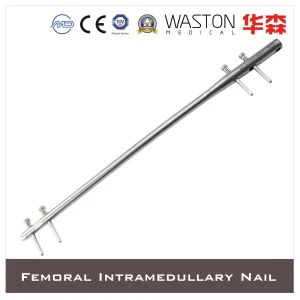
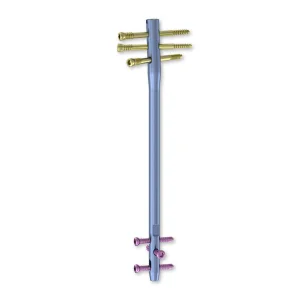
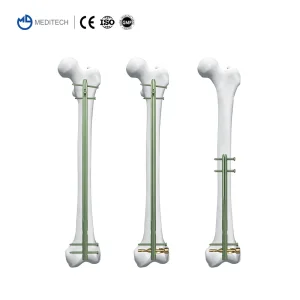
Intramedullary (IM) nailing stands as the gold standard for stabilizing diaphyseal fractures of the femur, tibia, and humerus. By acting as an internal splint, the nail shares the structural loads with the surrounding bone, allowing for early weight-bearing and functional recovery. Achieving these biological goals requires high-grade materials and state-of-the-art CNC carving.
Our manufacturing philosophy focuses on the optimization of stiffness matching. If an implant is excessively rigid, stress shielding occurs, delaying bone healing and inducing local resorption. Conversely, inadequate stiffness yields construct failure and non-union. To resolve this, we leverage highly specialized materials:
Provides optimal fatigue strength and a lower elastic modulus closer to cortical bone, reducing the risk of stress shielding.
Utilized for specific clinical setups where high initial structural stiffness and superior ductility are prioritized.
Our oxidation process produces a controlled titanium oxide passive film, ensuring excellent biocompatibility.
Importing surgical devices into Peru requires compliance with the regulations of the General Directorate of Medicines, Supplies and Drugs (DIGEMID). We support our local distributors by providing complete documentation packages, including ISO 13485 certification, CE markings, free sale certificates (FSC), and comprehensive metallurgical analysis reports. Our team works hand-in-hand with regulatory agencies in Peru to guarantee streamlined logistics clearance at the Jorge Chávez International Airport, avoiding surgical schedule disruptions.
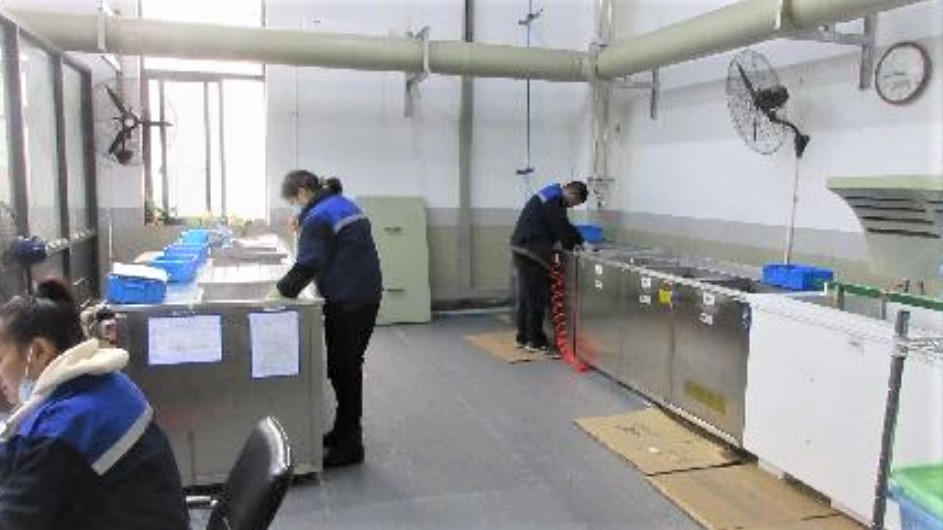
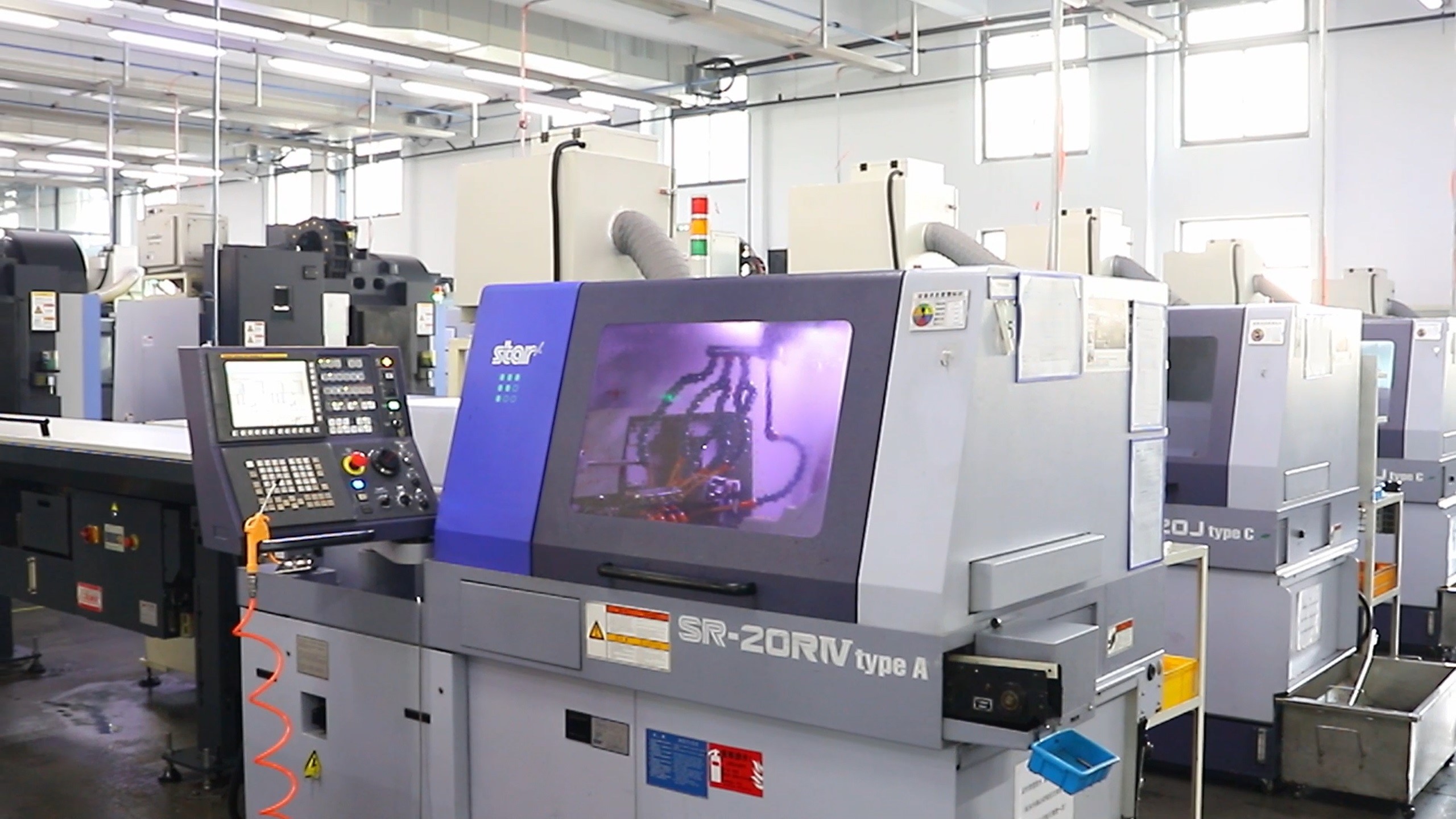
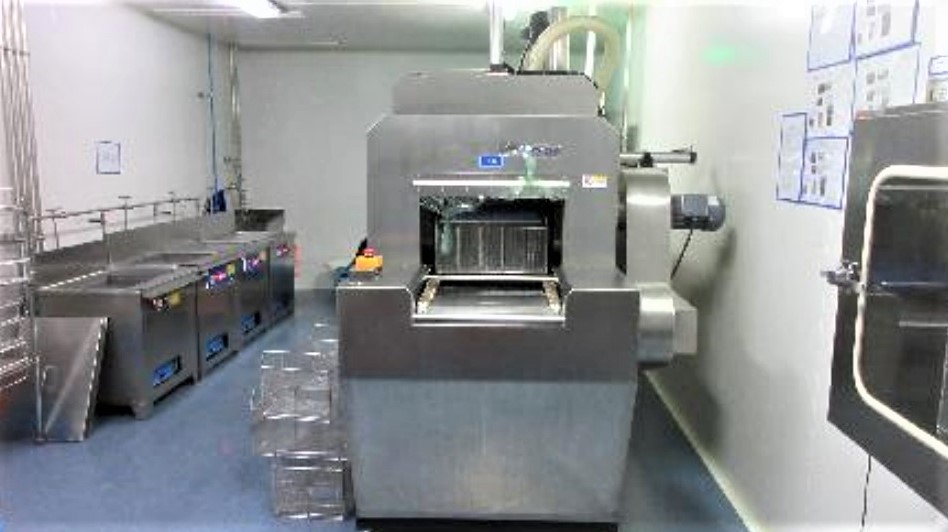
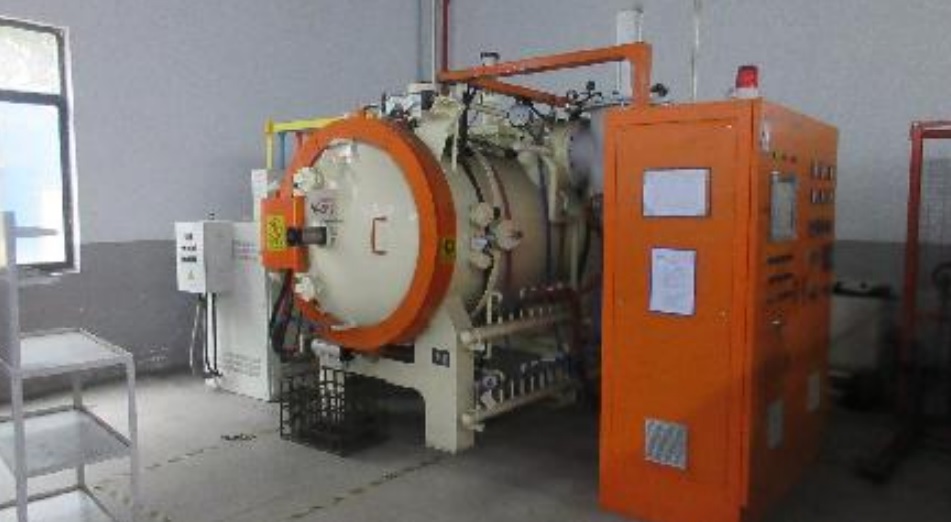
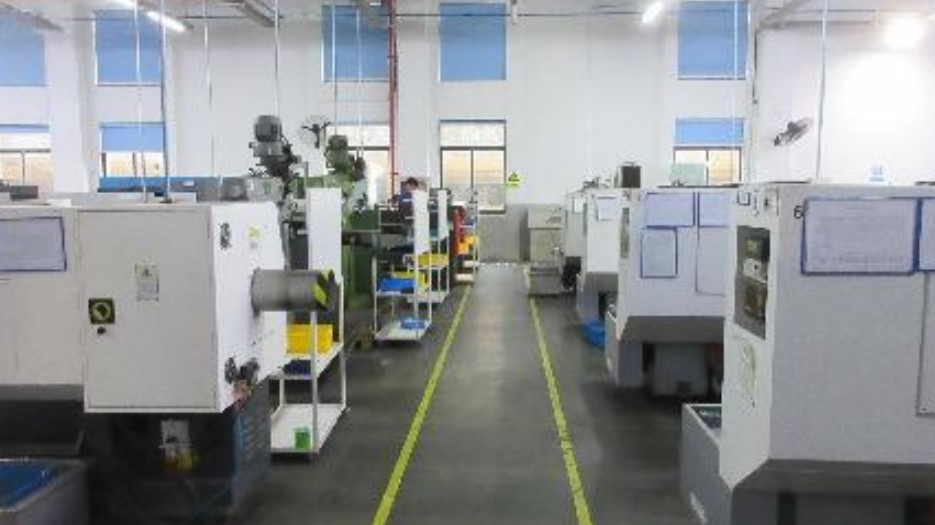
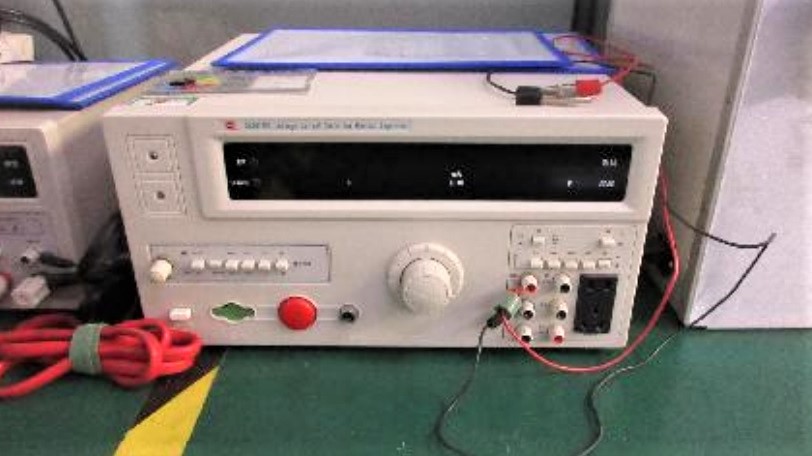
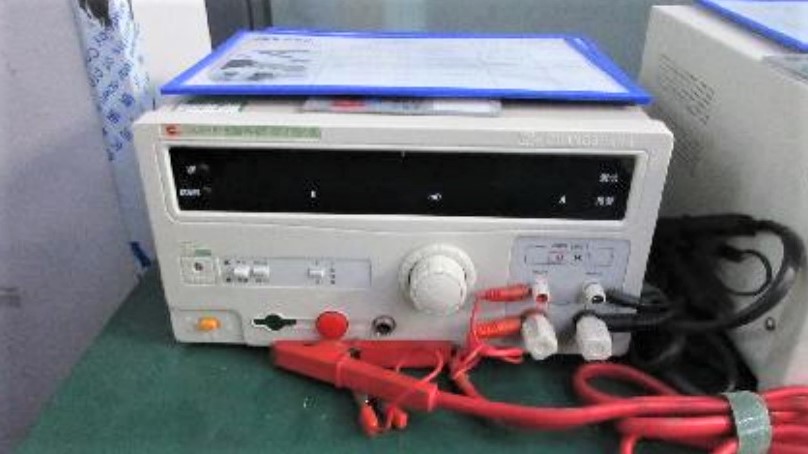
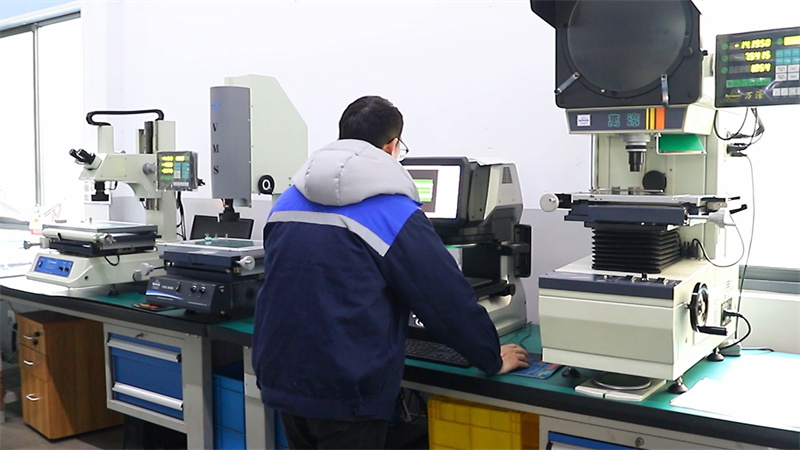
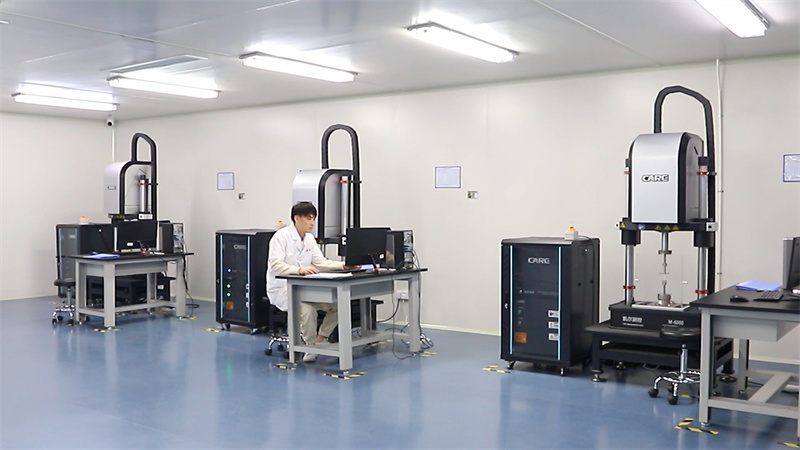
Precision-engineered production pathways dedicated to producing high-tolerance orthopedic instrumentation and implants.
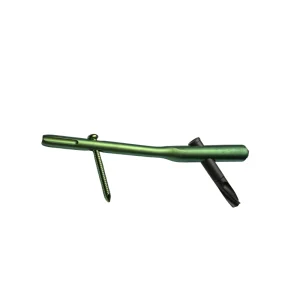
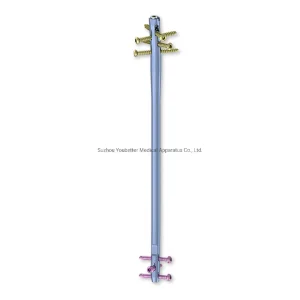
For tibial fractures, surgical access has transitioned toward the suprapatellar approach. Placing the knee in semi-extension helps alignment by neutralizing muscle pull, particularly in proximal third fractures. Our *Titanium Suprapatellar Tibial Intramedullary Nail* is specifically configured to facilitate this approach, featuring specialized cannulated insertion instrumentation that prevents mechanical damage to the patellofemoral joint cartilage.
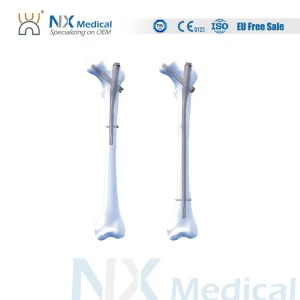
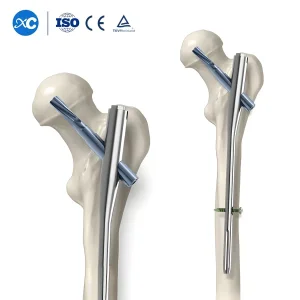
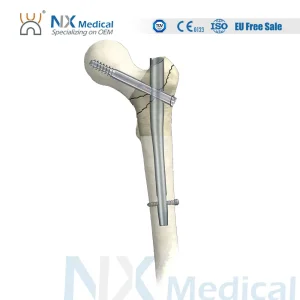
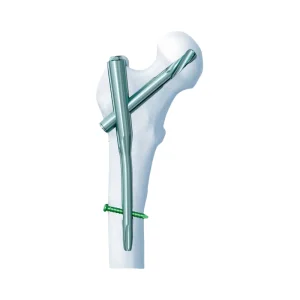
For proximal femoral fractures, the *Proximal Femur Interlocking Intramedullary Nail (PFNA)* is engineered with a helical blade mechanism. Unlike traditional locking screws, this blade compacts the cancellous bone of the femoral head, substantially increasing resistance against cut-out in osteoporotic bone—a critical concern among aging populations in metropolitan centers.
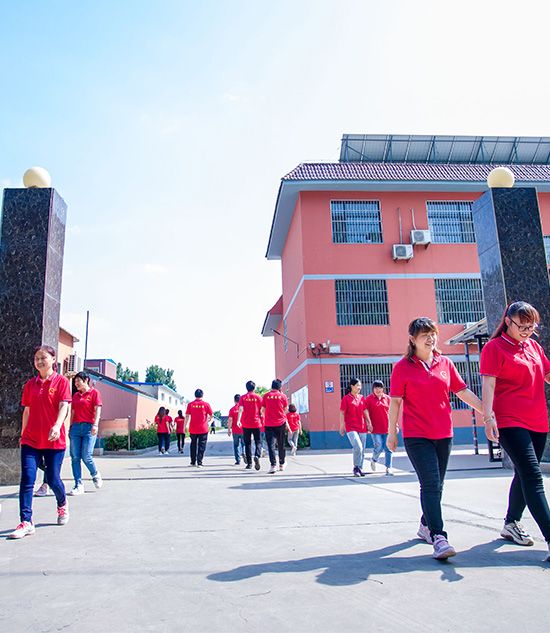
Our quality control philosophy remains firm: Quality and integrity first, striving for excellence, and pursuing the highest standards. With a professional R&D team working in close technical exchanges with leading hospital experts, we ensure that our products function to their fullest potential under complex clinical scenarios. Our manufacturing facility maintains ISO 9001 and ISO 13485 certifications. Exporting to over 70 countries throughout Europe, America, Africa, and Southeast Asia, our products fulfill and exceed safety benchmarks worldwide, including CE and FDA compliance frameworks.
Explore our complete product portfolio containing proximal, distal, and interlocking solutions for multi-site trauma management.
Whether you are an established medical distributor in Peru or a hospital procurement manager in Lima, we offer OEM support, customized sizing charts, and full documentation to streamline your regulatory imports.
Send Inquiry NowKey information regarding importation, registration, and biomechanical parameters of our intramedullary nail systems.
Our manufacturing plant operates under a strict ISO 13485 quality management system. Our products have CE marking and FDA clearance. For distributors in Lima, we provide all required documentation, including Certificates of Free Sale (CFS), analytical test reports, and raw material certificates to secure registration with DIGEMID.
We provide two distinct configurations for femur stabilization: standard dynamic locking screw setups and advanced helical blade options (PFNA). The helical blade mechanism is optimal for osteoporotic patients, as it compacts the bone structure instead of cutting it, maximizing cut-out prevention.
Titanium alloys (specifically Ti-6Al-4V ELI) offer superior fatigue limits and a lower modulus of elasticity than stainless steel, reducing stress shielding. However, we also manufacture 316LVM stainless steel nails to accommodate surgeons who require higher stiffness profiles for specific fracture configurations.
The suprapatellar approach maintains the knee joint in a semi-extended position. This simplifies alignment and reduces proximal fragment displacement caused by muscle pull, resulting in shorter operating times and improved surgical outcomes.
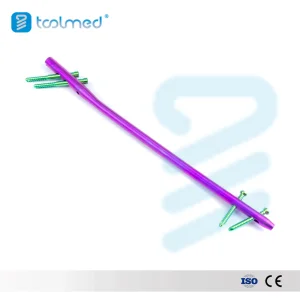
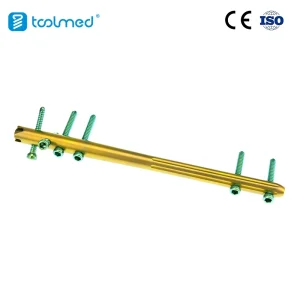
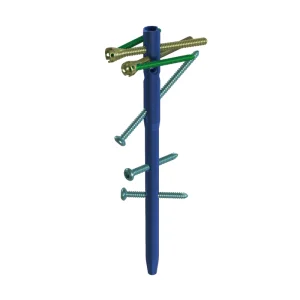
Color variations (blue, green, gold) are achieved through a specialized electrochemical anodizing process. This process forms a biocompatible titanium oxide layer without applying external pigments or dyes, ensuring high safety and implant stability.
For standard catalogue sizes, products are prepared and shipped within 15–20 days. Bulk production or OEM requests require a 30–45 day lead time, depending on configuration complexity and order volume.
 Daher Orthopedic Implants