Engineered for minimal invasive approaches to minimize hospital stay times in Pacific island clinical facilities.
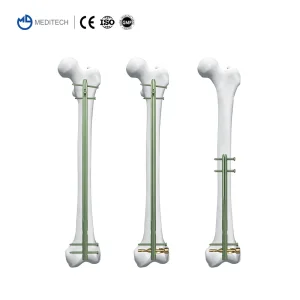
Offers a minimally invasive entry path to decrease joint line damage. Perfect for knee arthrosis protection in regional Kiribati clinics.
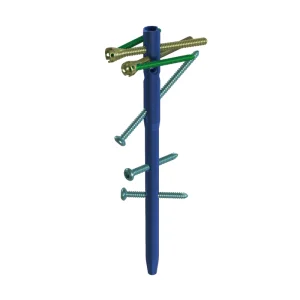
Pre-bent design tailored for proximal and distal interlocking fixation to deliver rotational stability in upper extremity trauma.
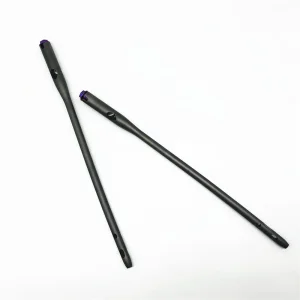
Highly optimized Proximal Femoral Nail Antirotation (PFNA) system designed for geriatric femoral neck fracture treatments.
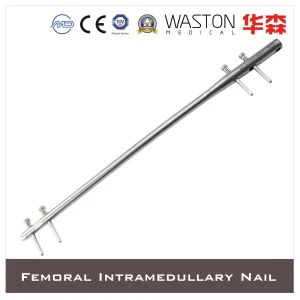
Available in biocompatible Grade 5 Titanium or 316L Stainless Steel to support complex midshaft femoral shaft osteosynthesis.
As an equatorial Pacific island nation spanning over 3.5 million square kilometers of ocean space, Kiribati faces unique demographic and logistical hurdles in medical delivery. Key hospitals in Tarawa, such as Tungaru Central Hospital, and outlying clinics require premium orthopedic trauma implants that can endure complex transportation channels and the harsh tropical marine climate.
The atmospheric salinity in island nations presents severe challenges for inventory storage. Standard stainless steel implants, if not stored in highly regulated climates, carry higher risk profiles over long periods. As a premium manufacturer, we supply Grade 5 Titanium (Ti-6Al-4V ELI) intramedullary nails, which demonstrate unparalleled corrosion resistance, high fatigue strength, and reduced stiffness to prevent stress shielding, ensuring superior healing outcomes under isolated conditions.
The orthopedic community is witnessing a major paradigm shift toward minimally invasive osteosynthesis. In the treatment of long bone diaphyseal fractures, intramedullary nails have superseded plate-and-screw fixations, showing superior load-sharing mechanics and preserving periosteal blood supply.
The transition toward suprapatellar tibial nailing is a primary example of this clinical evolution. In traditional infrapatellar insertion, patients are prone to anterior knee pain caused by microtrauma to the patellar tendon and fat pad. The suprapatellar technique inserts the nail in a semi-extended position, stabilizing the knee and ensuring precise anatomical alignment. This approach is highly effective in low-resource environments since it minimizes intraoperative fluoroscopy demands.
How our advanced smart manufacturing facilities secure supply stability and precision engineering for global medical buyers.
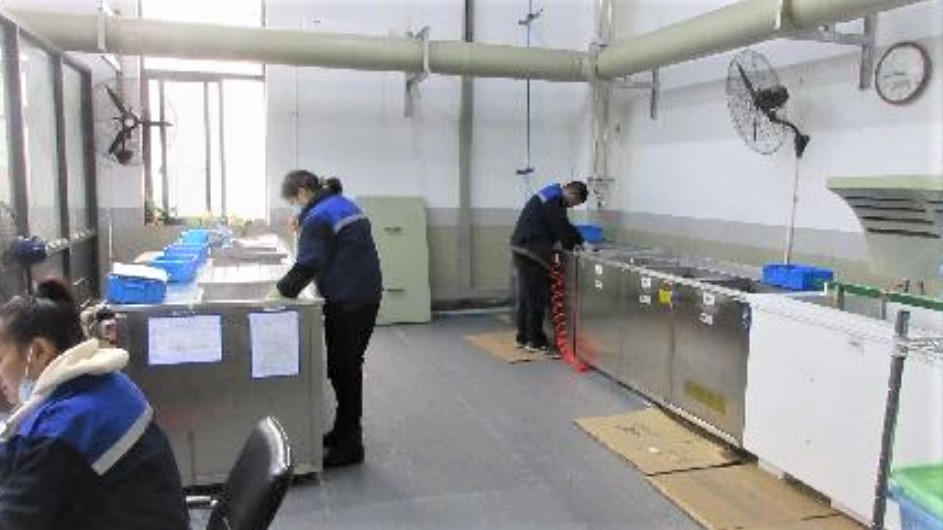
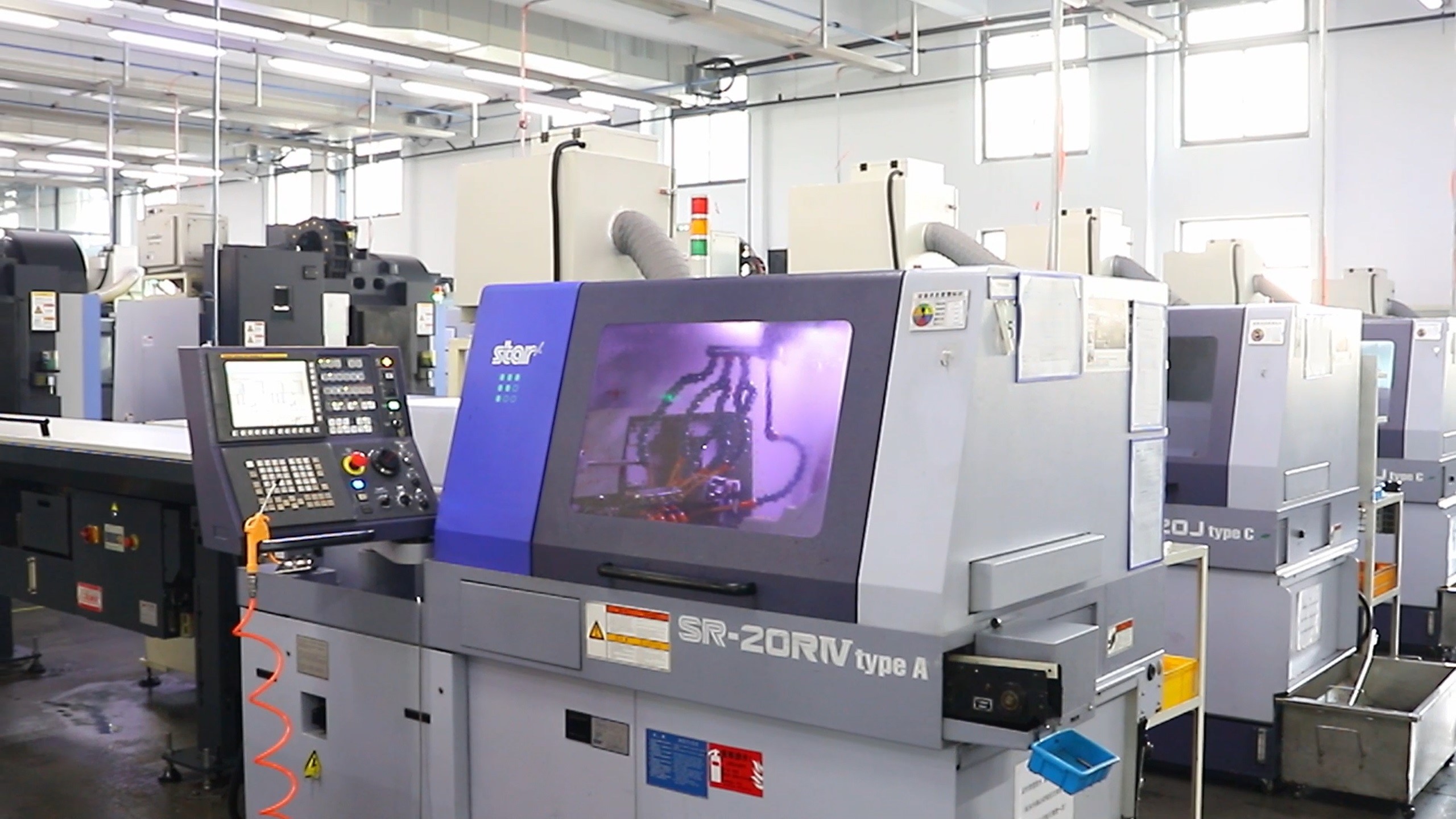
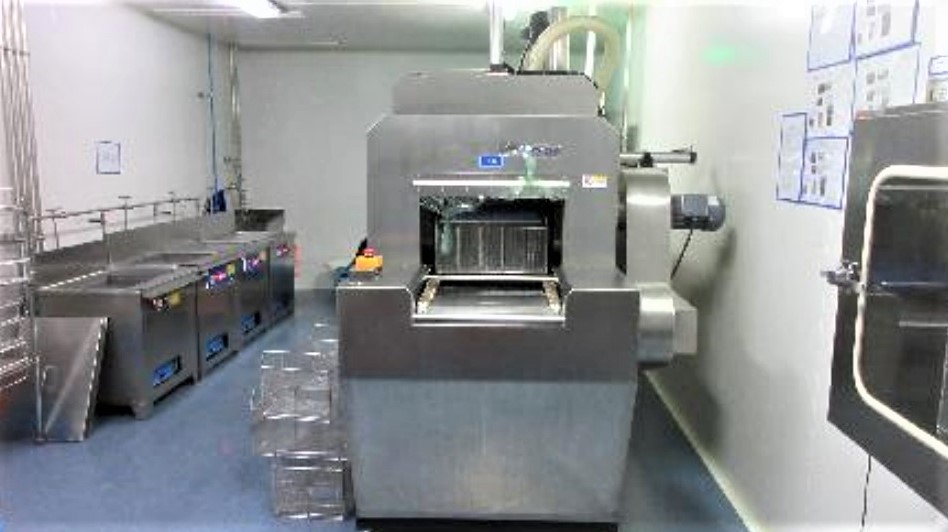
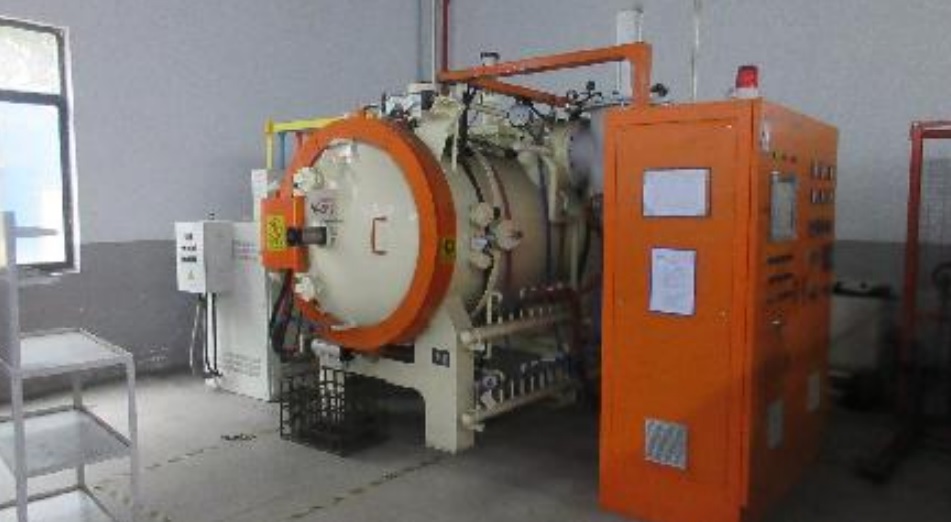
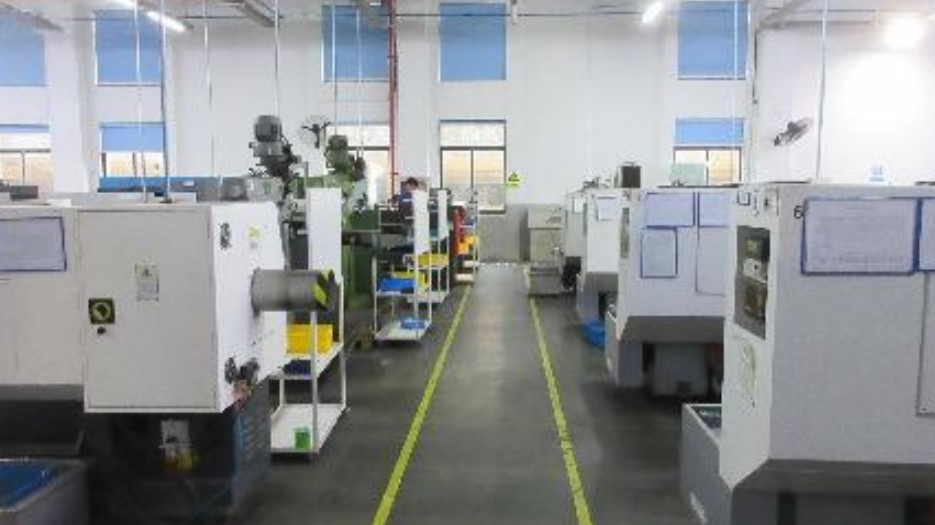
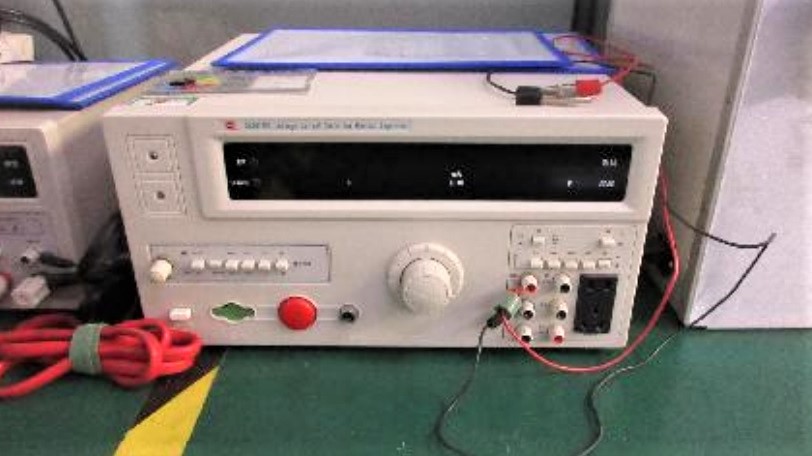
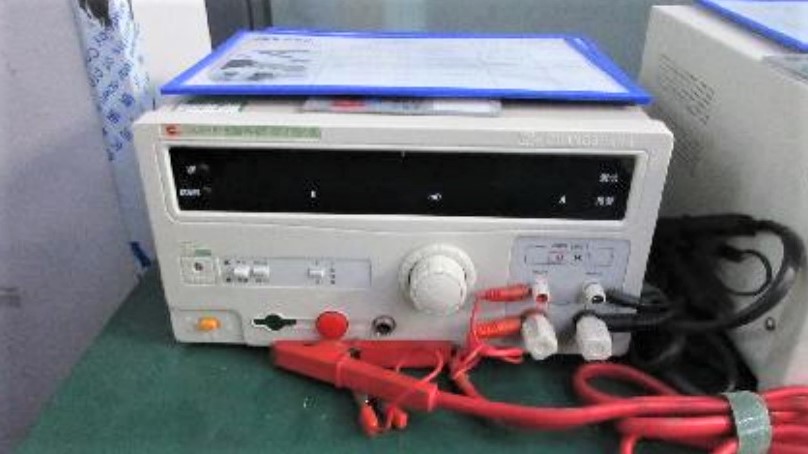
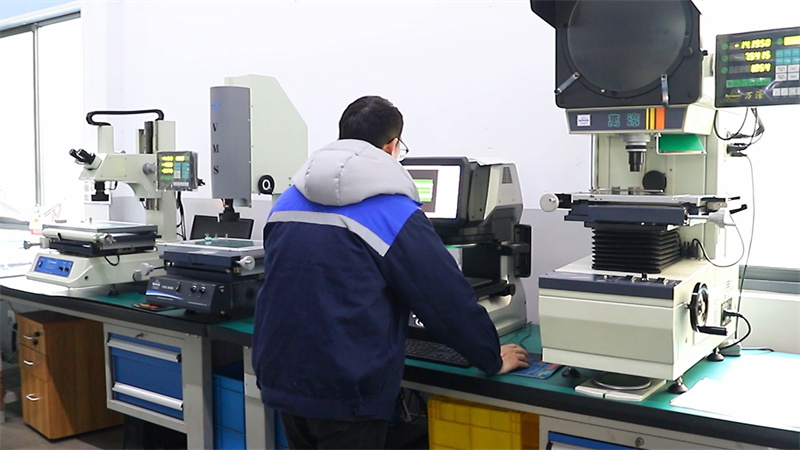
Our manufacturing ecosystem features an end-to-end integration of Swiss CNC carving systems, automated heat treatment, and precision biomechanical validation testing. In the orthopedic sector, dimensional variations of even a fraction of a millimeter can lead to implant failure or surgical complications. By relying on fully closed-loop digital manufacturing, our factory guarantees consistent batch-to-batch precision.
We are dedicated to the research, development, production, and sales of orthopedic implants and tools. In the continuous process of design updates, we strive for excellence, meticulously crafting each product. Our quality control philosophy: Quality and integrity first, striving for excellence, and pursuing the highest standards. A professional R&D team and long-term technical exchanges with leading hospital experts ensure that our products function to their fullest potential.
Our factory has passed ISO 9001 and ISO 13485 certifications. Our products exceed all international quality and safety standards, including CE and FDA certifications. For many years, our products have been exported to more than 70 countries and regions in Europe, America, Africa, and Southeast Asia.
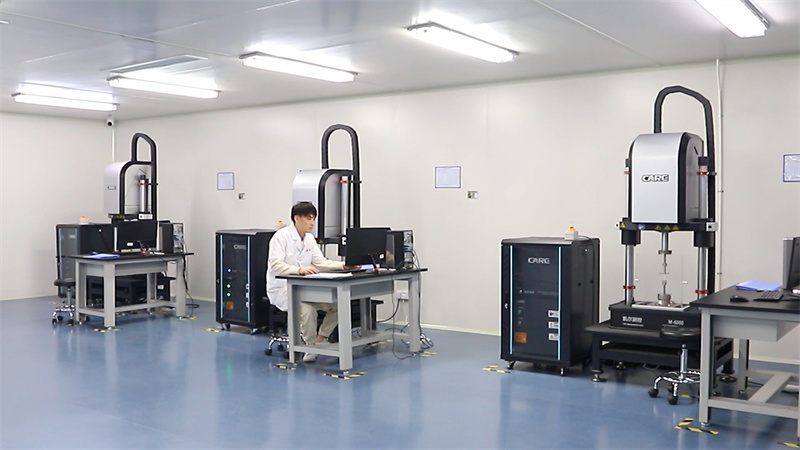
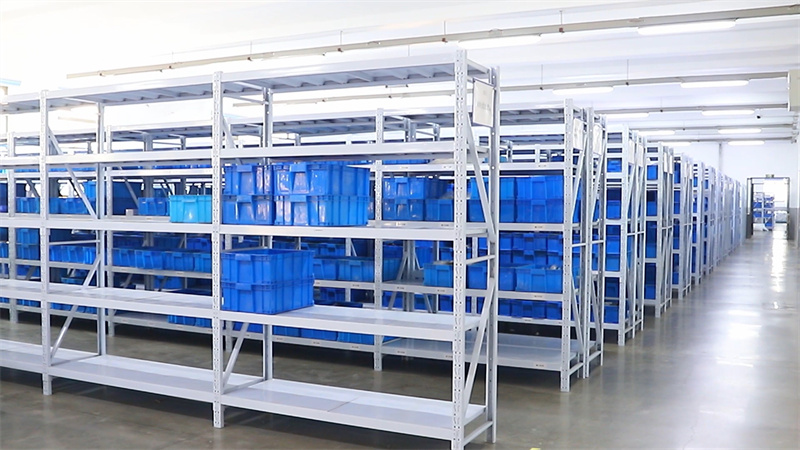
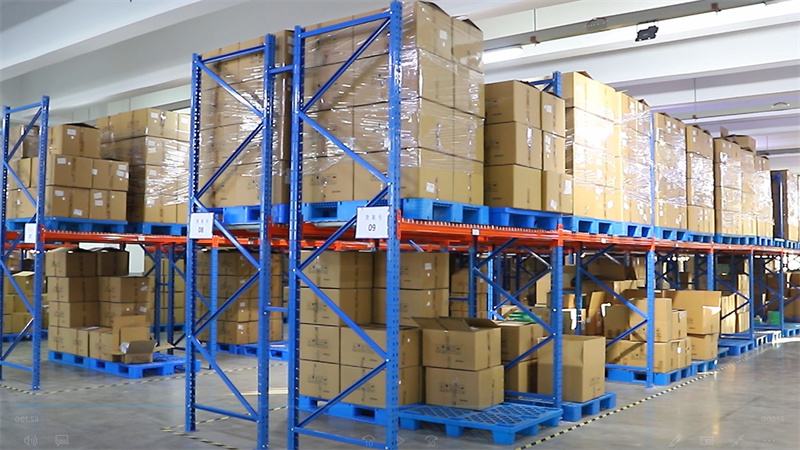
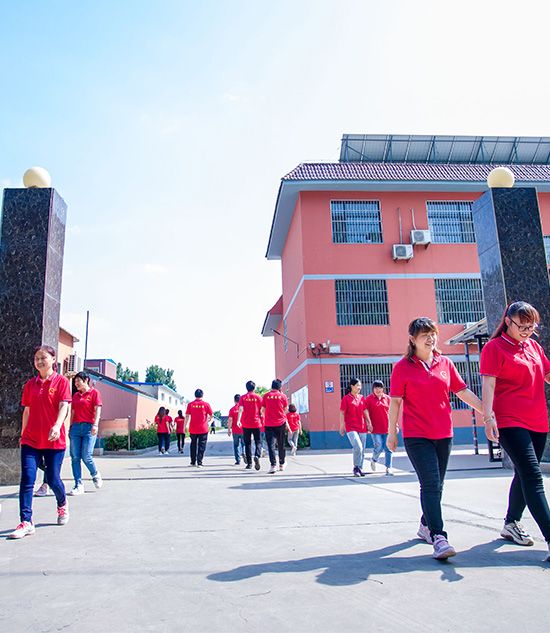
Our complete trauma portfolio, ensuring optimal clinical selection for both lower and upper limb extremity reconstructive surgeries.
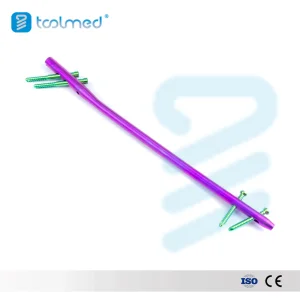
Engineered with anatomical curvature angles to support diverse femur skeletal systems in human patients.
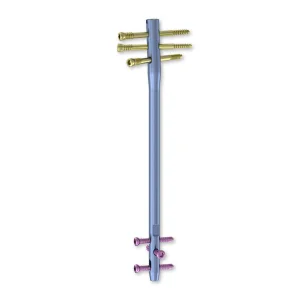
Color-coded anodized surfaces allow surgeons to instantly identify different diameters and lengths under operating room lights.
Enhanced corrosion-resistant surface coatings, protecting structural integrity during storage in high-salinity island settings.
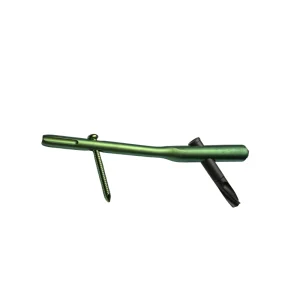
Provides excellent rotational stability in femoral fractures, designed specifically to address challenges in osteoporotic bone.
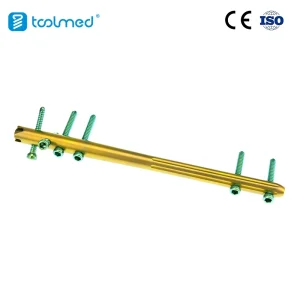
Retrograde insertion method, optimized to treat supracondylar fractures of the distal femur.
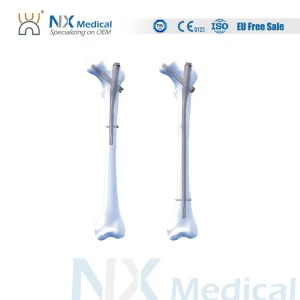
Combines multi-axis locking screws with premium metals, ensuring optimal fracture site support.
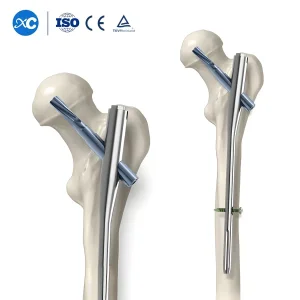
Gamma geometry design, improving weight distribution across the femoral neck and shaft.
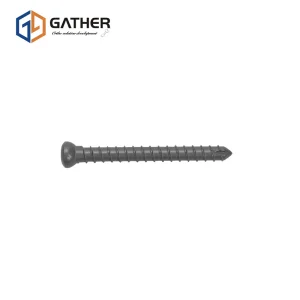
Cost-efficient trauma solution providing reliable surgical performance for state hospital budgets.
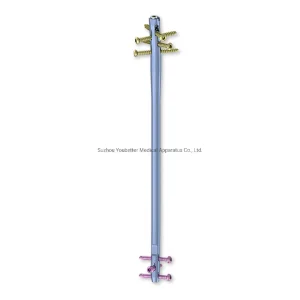
Equipped with a blade locking system to maximize bone purchasing power in loose proximal humeral heads.
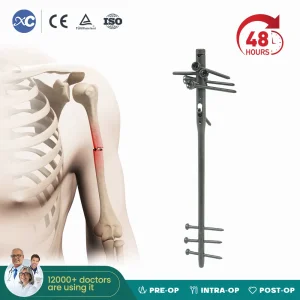
Multi-lock capability designed to secure multi-part fractures of the humerus shaft.
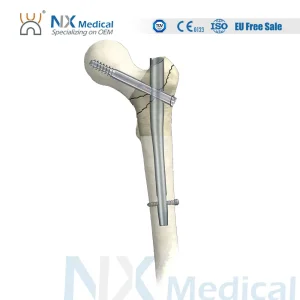
Heavy-duty interlocking structure optimized to handle severe motor vehicle crash traumas.
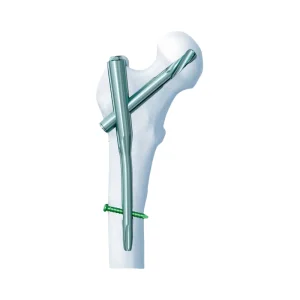
Top-tier clinical assembly combining PFNA nails and dynamic locking options for fast patient mobilization.
For orthopedic surgeons operating in high-moisture tropical islands like Kiribati, surgical site infection (SSI) is a key concern. Biocompatible titanium alloys are preferred as they form a protective titanium dioxide (TiO₂) passivation layer upon contact with oxygen, preventing ionic release and minimizing bacterial adhesion compared to standard steel.
Furthermore, the lower modulus of elasticity of titanium (approx. 110 GPa) aligns closely with human cortical bone (approx. 15-30 GPa). This balance helps prevent stress-shielding, an implant-related bone resorption process that can occur if the device absorbs too much kinetic load.
Our intramedullary nails are designed with multi-planar distal interlocking holes to allow dynamic or static locking configurations. This enables surgeons to customize mechanical stability based on the healing stage of the fracture.
In our factory, all titanium nails undergo advanced anodization surface processes. Anodization thickens the protective oxide layer and produces distinct structural colors. Since we do not use chemical pigments, there is no risk of toxicity or paint peeling inside the intramedullary canal.
The color-coding system helps surgical personnel quickly choose the right nails and matching locking bolts during surgery. This streamlines procedures, reduces anesthesia time, and improves overall surgical efficiency.
Quality and Integrity First: Every raw material batch is fully tracked via medical spectrochemical certificates. This ensures that every implant delivered to Kiribati hospitals matches top global orthopedic safety regulations.
In-depth technical answers regarding materials, certifications, shipping procedures, and localized product adaptation.
Ensure your hospital or medical distribution network in Kiribati has constant access to top-tier, ISO-compliant orthopedic implants. Get in touch with our engineering team for detailed technical information and direct factory pricing.
 Daher Orthopedic Implants