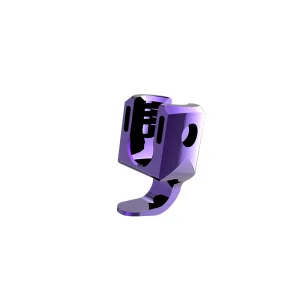
In the rapidly evolving landscape of orthopedic surgery, suture anchors have emerged as pivotal instruments for restoring joint stability. These specialized stabilization devices are designed to securely anchor soft tissues—such as tendons, ligaments, and labral structures—directly to bone. From arthroscopic rotator cuff repairs to minimally invasive labral reconstructions of the shoulder and hip, the biomechanical integrity of the suture anchor determines the long-term success of the surgical intervention and the patient’s subsequent rehabilitation timeline.
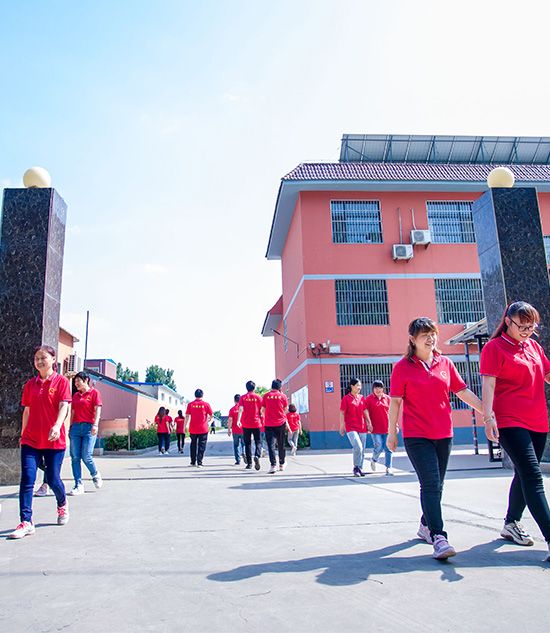
As a premier research, development, and production facility, we are dedicated to pushing the boundaries of orthopedic design. Our commitment goes beyond manufacturing; we focus on the entire lifecyle of implant technology. Through deep collaboration with leading clinical experts, our product architecture addresses real-world operating room challenges, including mechanical failure, suture slippage, insertional torque demands, and biological compatibility.
Our core operating paradigm relies on a tri-pillar framework: precision engineering, validated clinical efficacy, and rigorous quality control. The modern surgical environment demands devices that offer not only superior pull-out strength but also seamless compatibility with arthroscopic instrumentation. By optimizing thread pitch patterns, optimizing eyelet geometries, and choosing state-of-the-art materials, our suture anchor systems deliver optimal primary fixation stability.
We are dedicated to the research, development, production, and sales of orthopedic implants and tools. In the continuous process of design updates, we strive for excellence, meticulously crafting each product. With long-term technical exchanges with leading hospital experts, we ensure that our products function to their fullest potential in challenging surgical settings.
Polyether ether ketone (PEEK) represents the clinical gold standard for non-absorbable polymer anchors, matching the elastic modulus of cortical bone while avoiding artifact distortion during postoperative MRI scans. Concurrently, medical-grade Titanium Alloys (Ti-6Al-4V ELI) continue to serve key applications where maximal pull-out resistance is required under high-load biomechanical parameters.
The transition toward bioabsorbable materials—primarily utilizing Polylactic-co-glycolic Acid (PLGA) combined with Osteoconductive agents like Beta-Tricalcium Phosphate (β-TCP) or Hydroxyapatite (HA)—represents a major paradigm shift. These biocomposites slowly hydrolyze over time, facilitating progressive bone ingrowth and complete physiological replacement of the implant channel.
Representing the future of minimally invasive joint reconstruction, All-Suture Anchors present an ultra-low profile design (typically 1.5mm to 1.8mm in diameter). Constructed purely from Ultra-High-Molecular-Weight Polyethylene (UHMWPE) and polyester, they deploy beneath the cortical bone, minimizing bone removal and preserving critical native anatomy.
Looking forward, the integration of bioactive coatings onto both PEEK and biocomposite skeletons is the key focus of our current R&D pipeline. By modifying the surface structure at the nanoscale, we aim to accelerate bone-to-anchor integration. Surface microporosities simulate the osteoblast-friendly microenvironment, prompting earlier cellular attachment and reducing the occurrence of localized inflammatory responses.
Future design profiles will incorporate self-punching mechanism advancements, minimizing the steps required for arthroscopic insertion. Additionally, we are optimizing suture eyelet geometry to reduce suture abrasion during knot-tying and tensioning sequences, ensuring that the interface between the implant core and the suture thread remains completely free of stress concentrations.
Whether performing arthroscopic rotator cuff repairs, Bankart reconstructions, or SLAP lesion repairs, our suture anchors offer customized thread designs for both soft cancellous bone and dense cortical bone. These configurations optimize torque conversion during insertion, ensuring secure primary mechanical stability.
With the rise of hip arthroscopy, low-profile suture anchors are critical to preventing joint space disruption. In knee procedures, our anchor systems facilitate stable medial collateral ligament (MCL) repairs and lateral extra-articular tenodesis, restoring kinematics and preventing graft degradation.
Small joint procedures require micro-sized anchors with high pullout values. Our specialized solutions for Achilles tendon repairs and UCL reconstructions of the hand provide surgeons with high-strength anchors, maintaining fixation integrity under extreme physiological stresses.
Our Quality Control Philosophy: Quality and integrity first, striving for excellence, and pursuing the highest standards. Explore the high-technology machinery powering our production facilities.
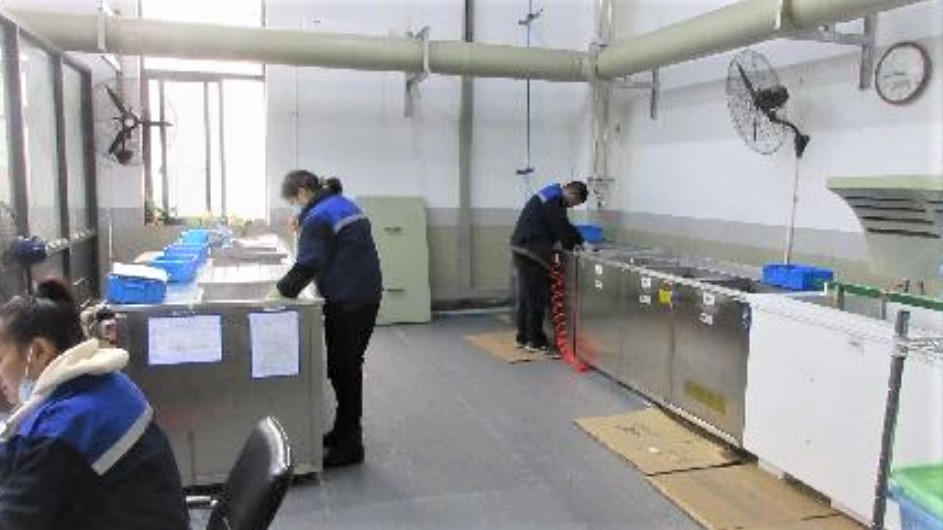
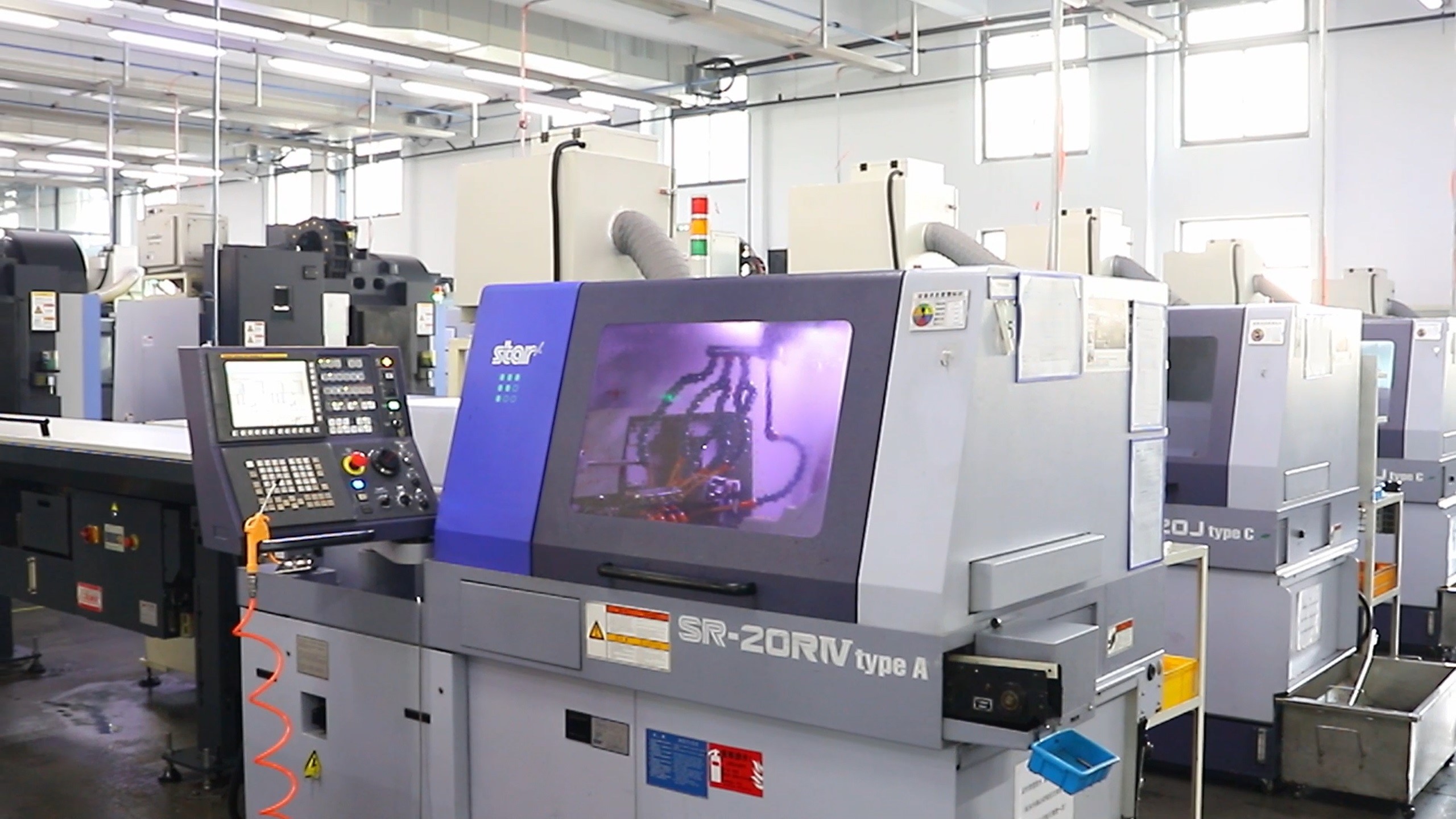
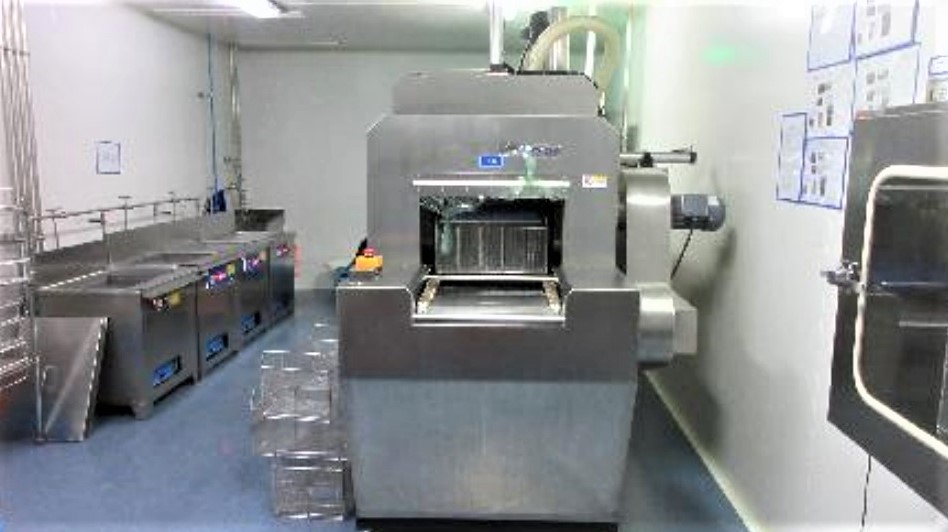
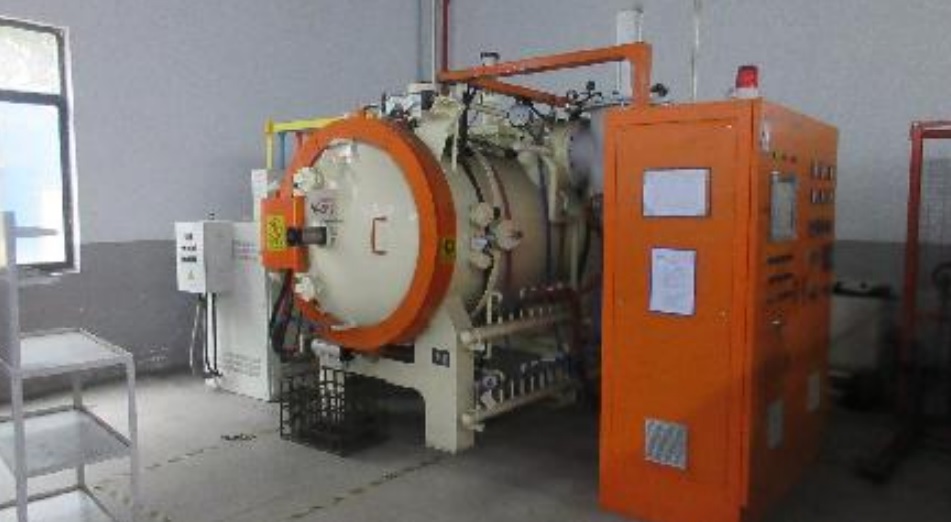
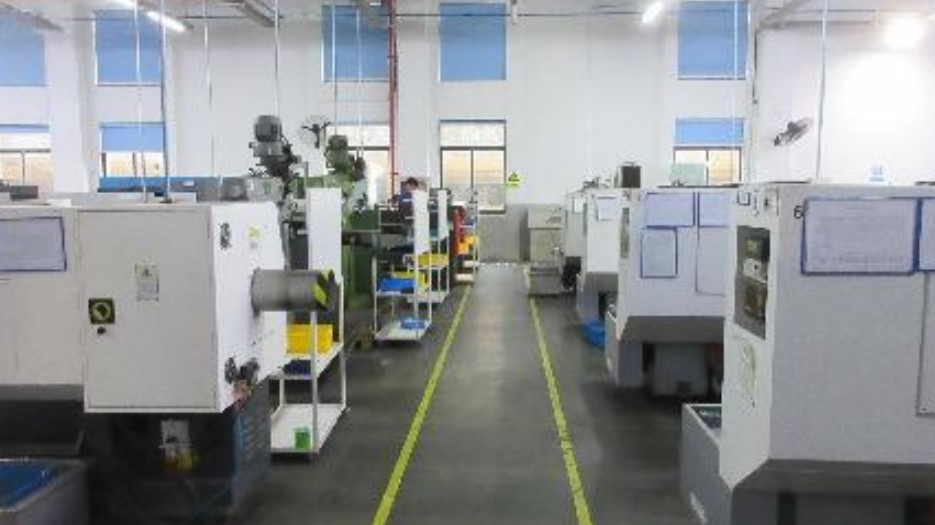
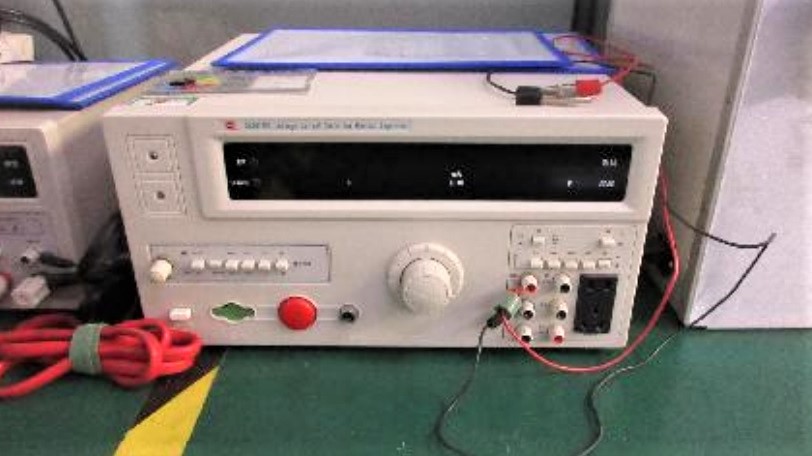
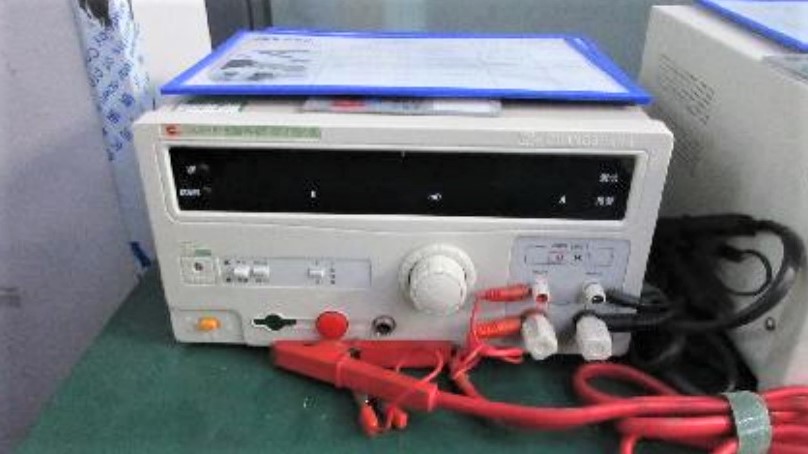
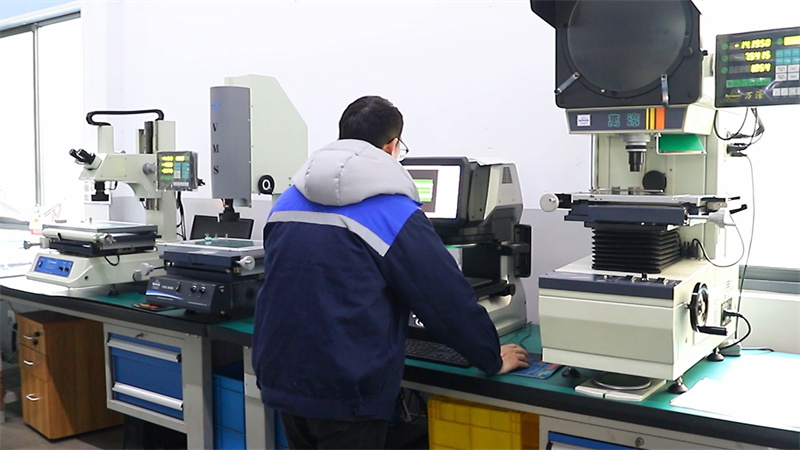
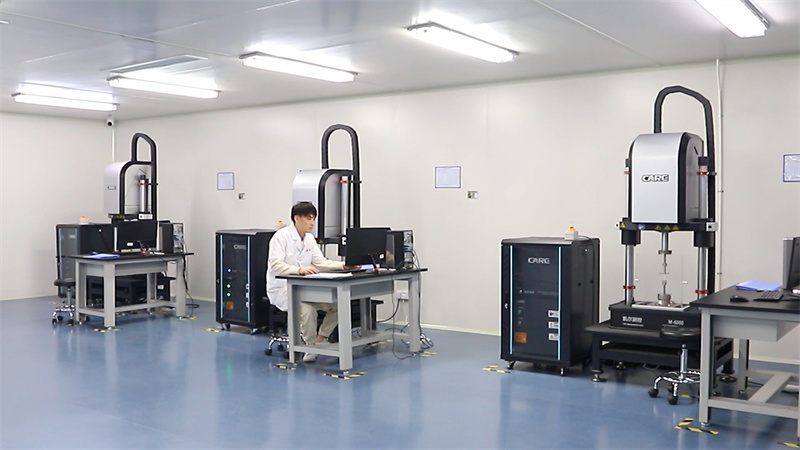
By implementing Factory 4.0 principles, we integrate automated precision machining with digital quality inspections. Utilizing high-end CNC Carving Machines and Digital Controlled Lathes, we consistently meet tight tolerances within ±0.005mm. Automated systems handle part transfers through multi-stage Ultrasonic Cleaning Dryers and Vacuum Tempering Furnaces, minimizing human error and batch-to-batch variations.
We enforce strict biological safety and sterilization verification, utilizing class-10,000 cleanrooms and testing infrastructure like Leakage Current Testers, Earth Resistance Testers, and Electromagnetic Dynamic Mechanics Test Systems. This combination of advanced technologies ensures every suture anchor and orthopedic implant exceeds safety requirements before packaging.
Hospital networks and multinational distributors require medical implants that balance clinical performance with economic feasibility. Our manufacturing base in China delivers significant cost advantages through streamlined supply chain integration, raw material relationships, and automated mass production. This strategy helps partners lower acquisition costs while maintaining the material purity and mechanical standards required for class III medical devices.
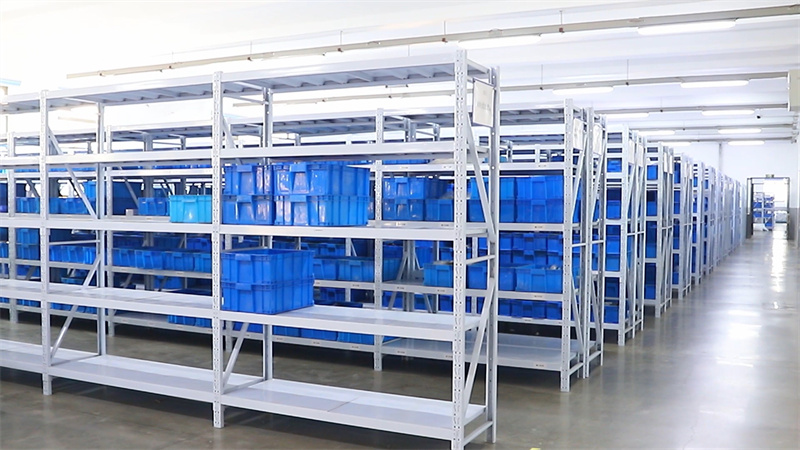
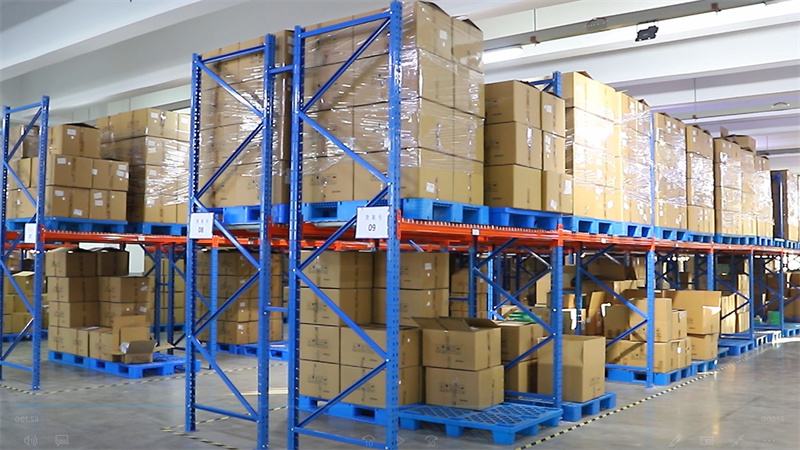
By collaborating with our team, medical device firms transition from transactional purchasing to dynamic partnerships. We support flexible scheduling, raw material reservations, and buffer inventory management to insulate our clients from volatile global shipping and logistics challenges.
Each market has distinct surgical preferences, regulatory environments, and mechanical challenges. Our dedicated engineering team provides end-to-end OEM and ODM support. Whether you need custom thread designs for soft osteoporotic bone or specific packaging configurations, our factory translates raw clinical specifications into ISO-compliant products.
Our validation protocol encompasses full design freeze, FEA stress simulation, prototype generation, and mechanical pull-out testing. This structured approach helps customers secure CE and FDA approvals efficiently, shortening the time-to-market for new surgical product lines.
Our production facilities operate strictly under ISO 9001 and ISO 13485 quality management systems. Every process step, from incoming titanium bar validation to sterilization validation, is recorded and auditable to ensure safety and quality control.
Our products exceed all international quality and safety standards, including CE and FDA certifications. We maintain active compliance documentation to streamline registration processes with local health ministries worldwide.
With an export network covering more than 70 countries in Europe, America, Africa, and Southeast Asia, we handle complex international customs procedures, hazardous materials management, and climate-controlled shipping requirements.
Pull-out strength depends on bone mineral density, the anchor's outer thread diameter, and pitch configuration. Coarse, deeper threads are optimized for cancellous bone regions, whereas fine threads perform better in thin cortical zones. The insertion angle relative to the soft tissue pull direction (deadman's angle) also plays an important role in biomechanical stability.
PEEK provides non-absorbable stability with an elastic modulus close to cortical bone, and does not degrade in the body. Bioabsorbable biocomposites (such as PLGA combined with β-TCP) slowly degrade over several months, allowing natural bone tissue to replace the implant site and leaving no permanent foreign bodies behind.
Our anchors feature polished eyelets with smooth radii, preventing abrasive stress concentrations. Additionally, we use Ultra-High-Molecular-Weight Polyethylene (UHMWPE) braided sutures, which provide high tensile strength and knot security during arthroscopic procedures.
For OEM/ODM projects, the process begins with technical design validation, followed by prototype rendering and biomechanical testing. Production timelines vary based on batch size and registration requirements, but our automated facilities maintain a structured workflow to meet partners' commercial release schedules.
Our professional team is dedicated to serving every customer. Your trust is the greatest recognition of our service. We will rely on high-quality products and continuously launch new marketable products based on market demand, achieving mutual benefit and win-win results with our customers.
 Daher Orthopedic Implants