Explore our top-tier precision orthopedic devices designed to restore structural stability, promote fusion, and enhance biomechanical load distribution.
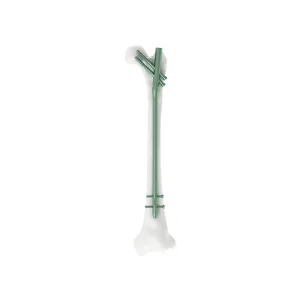
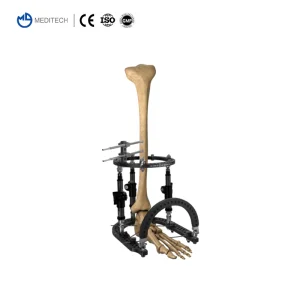
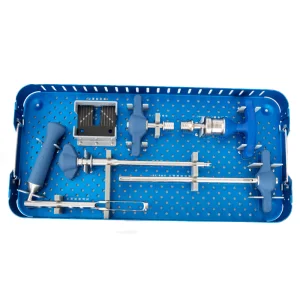
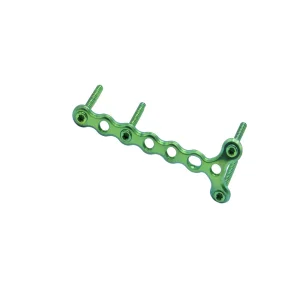
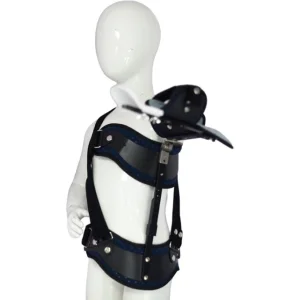
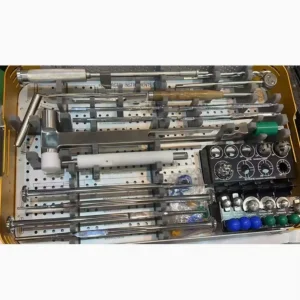
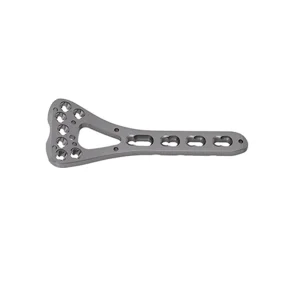
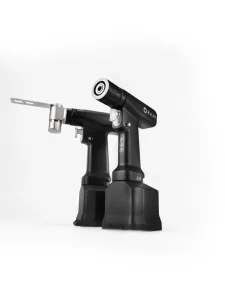
“We are dedicated to the research, development, production, and sales of orthopedic implants and tools. In the continuous process of design updates, we strive for excellence, meticulously crafting each product to secure biocompatibility, structural stability, and superior clinical outcomes.”
Modern spinal reconstructive surgery is an exacting discipline. Implants such as pedicle screws, rods, crosslinks, and interbody cages must withstand dynamic, multi-directional physical loads while remaining completely biocompatible. Spinal pathologies—ranging from degenerative disc diseases and structural scoliosis to acute vertebral trauma—require precise mechanical responses. High-strength titanium alloys (primarily Grade 5, Ti-6Al-4V ELI) and PEEK (Polyetheretherketone) polymers have emerged as the foundational materials of modern spine systems. These materials balance the necessary mechanical modulus to mitigate stress shielding while providing superior osteointegration surfaces.
As a specialized global manufacturer, we manage the delicate balance between structural rigidity and biological compatibility. Through rigorous finite element analysis (FEA) and dynamic fatigue testing, our products are engineered to mimic native spinal biomechanics, minimizing postoperative implant failure, subsidence, or osteolysis.
Successfully navigating global medical device markets requires strict adherence to localized regulatory frameworks. In orthopedic supply chains, certificates are not mere formalities; they are critical markers of patient safety and clinical reliability. Our manufacturing facilities are fully certified under ISO 9001 and ISO 13485, establishing a standardized framework for quality management specific to medical device manufacturing.
For access to critical markets in the Americas and Europe, our product lines carry full CE and FDA compliance clearances. We work closely with regional distributors, providing comprehensive documentation packages, including Class IIb technical files, clinical evaluation reports (CERs), and localized validation scripts for sterilization protocols. Whether dealing with ethylene oxide (EO) sterilization setups or autoclave-ready instruments, our support teams facilitate seamless market entry, regulatory registration, and hospital procurement approvals.
Fully compliant with medical device manufacturing protocols, ensuring complete traceability and consistent quality across every batch of implants.
We supply full technical dossiers, safety profiles, and clinical trial evaluations required for smooth FDA 510(k) and European MDR filings.
Providing specialized validation for non-sterile and sterile packaging setups, maintaining safety thresholds up to clinical point-of-use.
Leveraging advanced industrial clusters, rapid product iteration, and cost-efficient raw material sourcing to deliver clinical-grade products.
The production of complex medical implants relies heavily on integrated industrial ecosystems. By anchoring our manufacturing base in China's premier advanced medical device clusters, we streamline the entire production lifecycle. This integration connects raw material selection (sourcing high-purity medical titanium rods and medical-grade PEEK) directly with advanced multi-axis CNC machining, specialized anodizing, and cleanroom packaging.
This concentration of specialized technologies minimizes intermediate shipping delays and reduces production costs. Consequently, we provide significant cost savings to international distributors without compromising material purity or mechanical tolerances. Furthermore, our rapid R&D prototyping cycles allow us to adapt to clinical design updates and customized requests far quicker than traditional Western manufacturers.
Our quality control philosophy: "Quality and integrity first, striving for excellence, and pursuing the highest standards." Underpinned by state-of-the-art testing equipment.
Our production facility is equipped with high-precision manufacturing tools and testing systems, ensuring each component meets strict orthopedic standards. Advanced CNC carving machines allow us to produce complex geometric shapes, while our dynamic mechanics test systems verify fatigue resistance before any implant is released.

A professional R&D team and long-term technical exchanges with leading hospital experts ensure that our products function to their fullest potential.
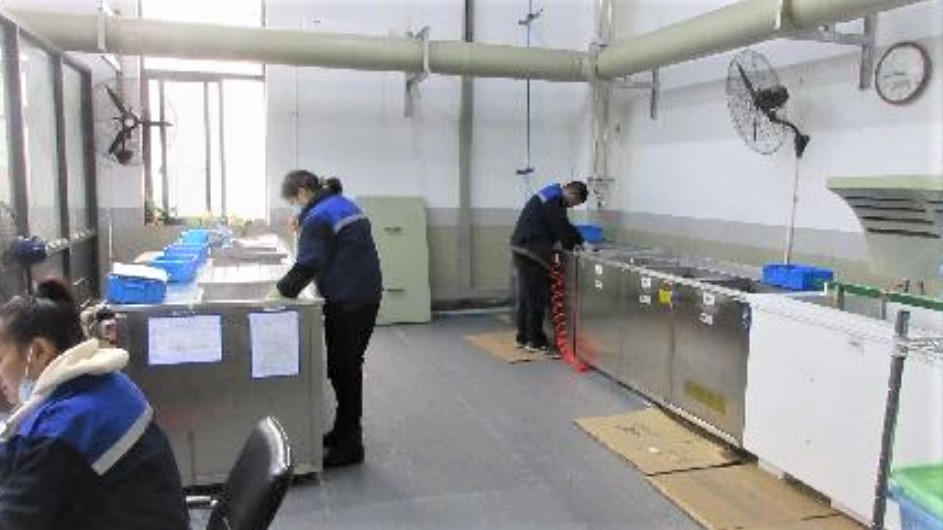
Creates uniform oxide layers on titanium surfaces, improving corrosion resistance and bone-bonding characteristics.
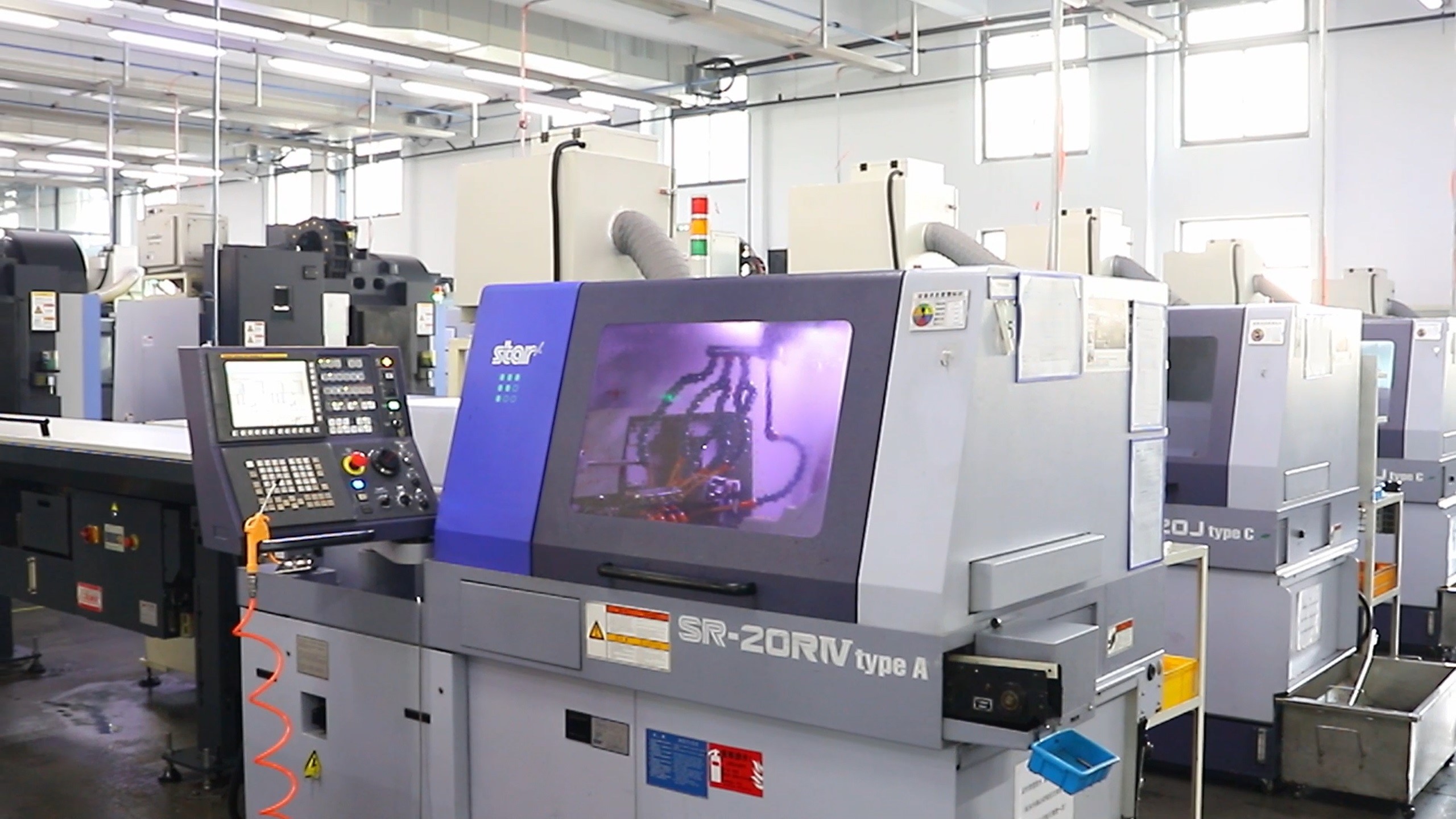
Enables automated carving of intricate thread designs and custom pedicle screw heads with high accuracy.
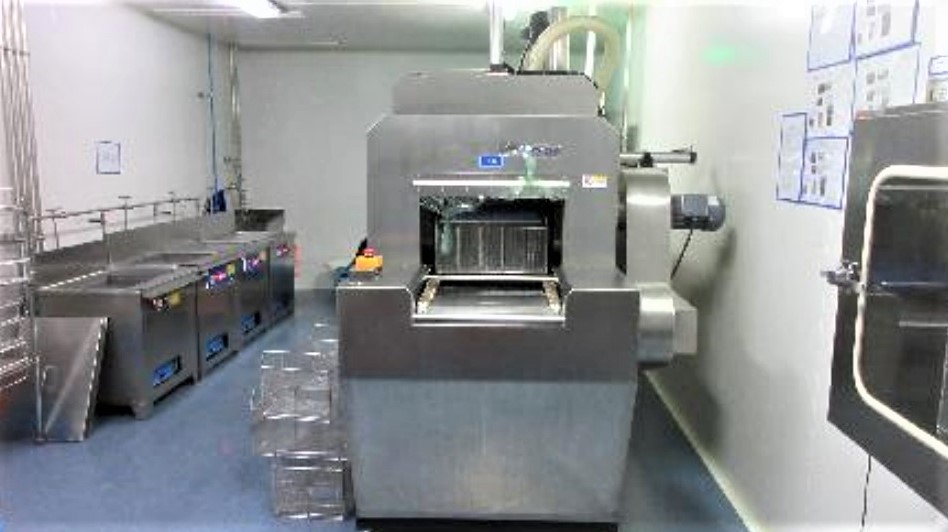
Uses ultrasonic cavitation to remove microscopic debris, grease, and dust before cleanroom packaging.
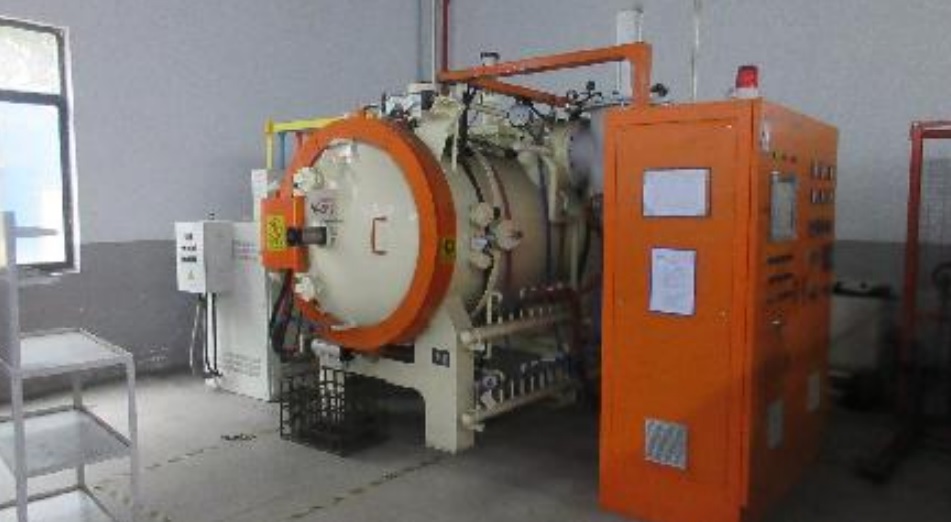
Applies precise thermal treatments under vacuum to relieve internal material stresses, improving metal fatigue life.
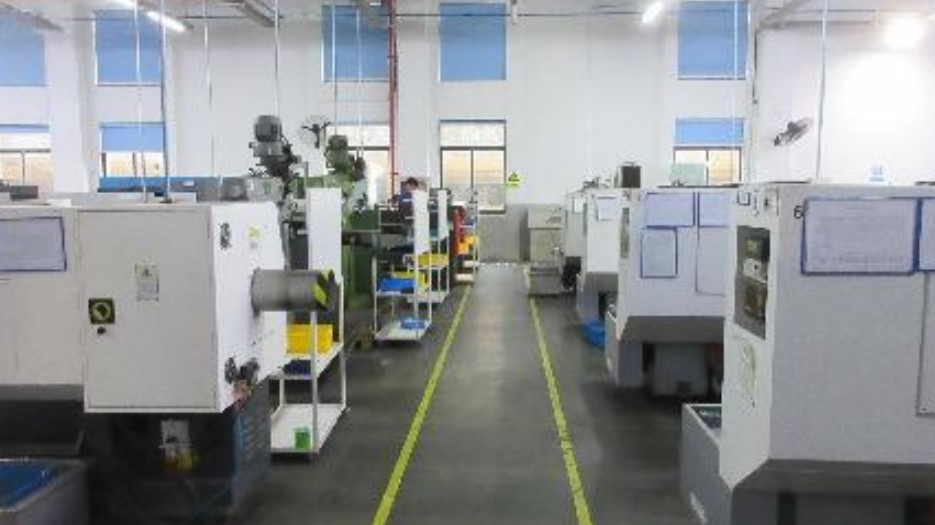
Turns raw implant billets into highly uniform surgical rods and cylindrical pins under precise program control.
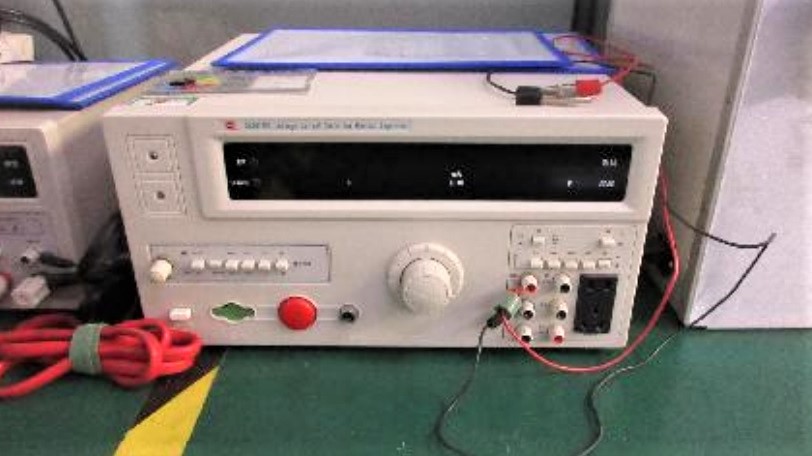
Tests the electrical insulation of powered surgical instruments, ensuring safe operation in clinical environments.
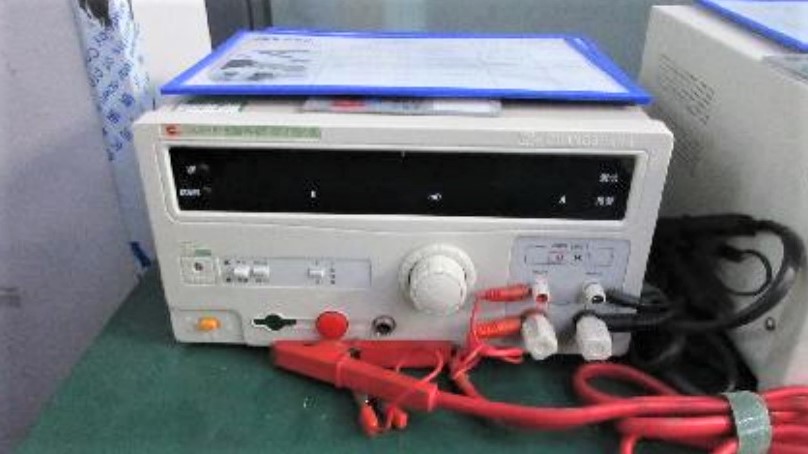
Verifies grounding safety paths in active surgical systems, protecting both medical staff and patients.
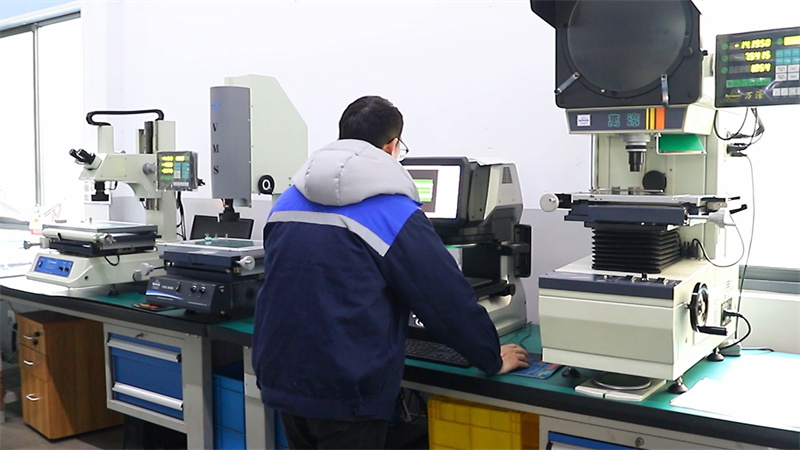
Uses non-contact optical measurements to inspect critical implant thread pitches, verifying specifications against drawings.
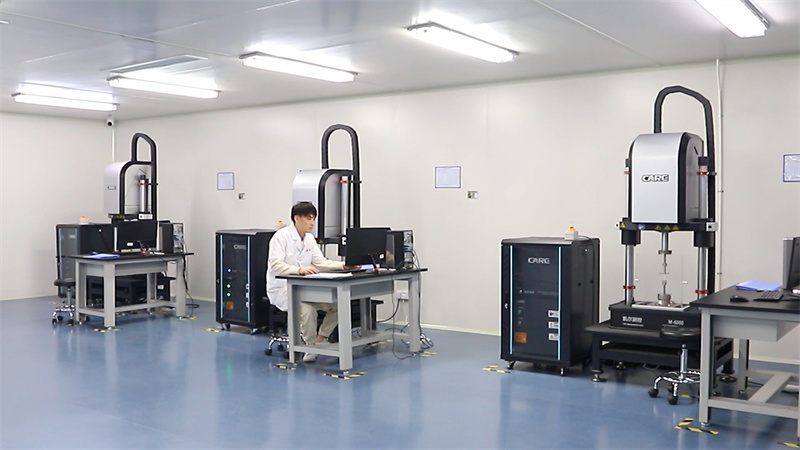
Simulates physiological movements to test the fatigue limits and bending resistance of spinal constructs.
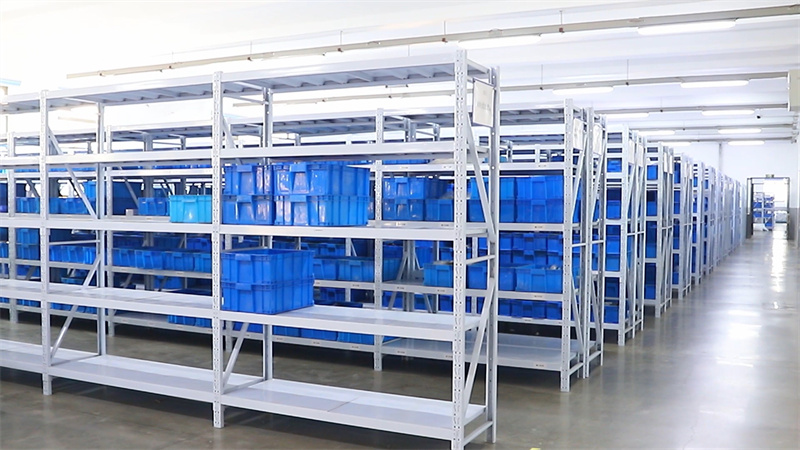
Ensures all component threads and locking mechanisms fit together smoothly before packaging.
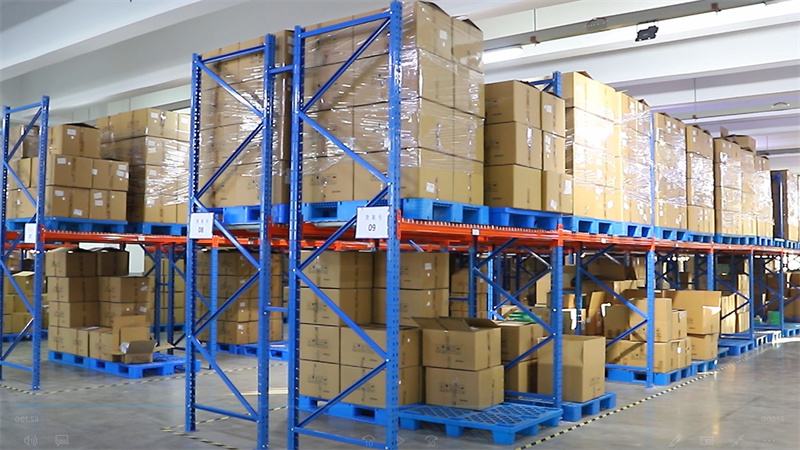
Smooths implant surfaces to minimize friction and prevent irritation of surrounding soft tissue.
Enterprise-level buyers, such as ministries of health, large hospital networks, and international medical supply companies, use strict evaluation criteria when selecting an orthopedic manufacturer. Sourcing teams look beyond base pricing, focusing on mechanical validation profiles, chemical verification, and long-term supply chain reliability.
Our quality management system provides complete documentation, including mill run sheets for raw metals, testing history for machined batches, and packaging validation reports. By maintaining complete control over our manufacturing processes, we satisfy these strict auditing requirements, enabling smooth procurement cycles and consistent product delivery.
The spinal implant industry is shifting toward materials and structures that actively promote bone growth. Key developments include:
Our product portfolio is engineered for clear clinical applications, helping surgeons match the right implant system to each patient's specific pathology:
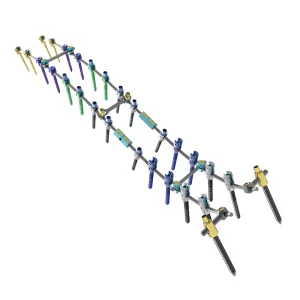
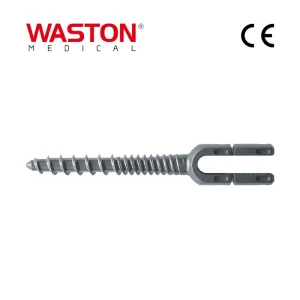
Our pedicle screws and rod systems provide rigid stabilization to support bone fusion in cases of degenerative disc disease, spinal stenosis, and spondylolisthesis.
High-strength titanium rods and locking plates offer the mechanical stability needed to stabilize fractures and reconstruct spinal alignment.
We apply our human-grade manufacturing standards to veterinary implants, offering specialized plates and joint systems for medium-to-large animals.
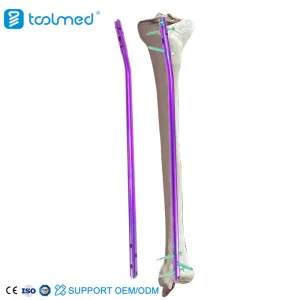
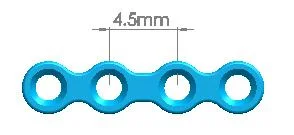
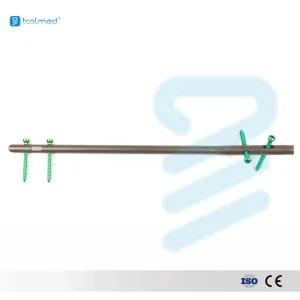
Browse our collection of orthopedic bone plates, intramedullary nails, and specialty hardware engineered for complex clinical procedures.
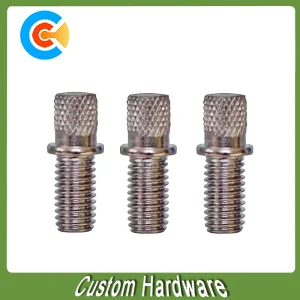
Answers to common technical, logistics, and compliance questions from medical device distributors and procurement teams.
 Daher Orthopedic Implants