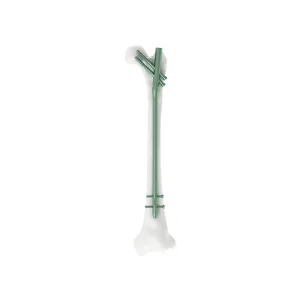
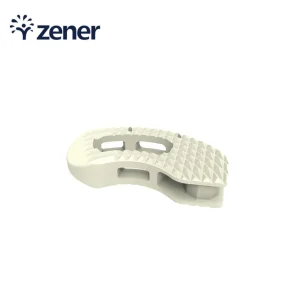
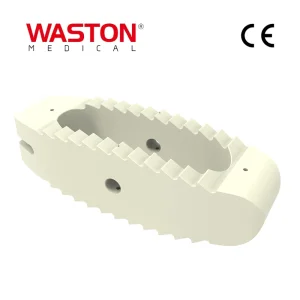
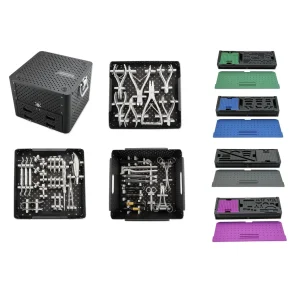
Pioneering standard-setting devices spanning sports medicine arthroscopy, trauma internal fixation, and general orthopedic surgical instruments.
Posterior Cruciate Ligament (PCL) reconstruction represents one of the most demanding procedures in sports medicine. Unlike the ACL, the PCL is subject to substantial gravitational forces and shear stresses that threaten graft stability during early mobilization. To prevent residual posterior laxity, secure fixation at both the tibial and femoral tunnels is crucial.
As a leading Chinese PCL Fixation Manufacturer and global exporter, our R&D initiatives focus on eliminating the "killer turn" stress concentration at the posterior tibial outlet. Through optimized pitch geometries and biomimetic surface modifications, our interference fixation solutions maintain biomechanical integrity under repetitive cyclic loading, ensuring anatomical restoration and long-term functional recovery.
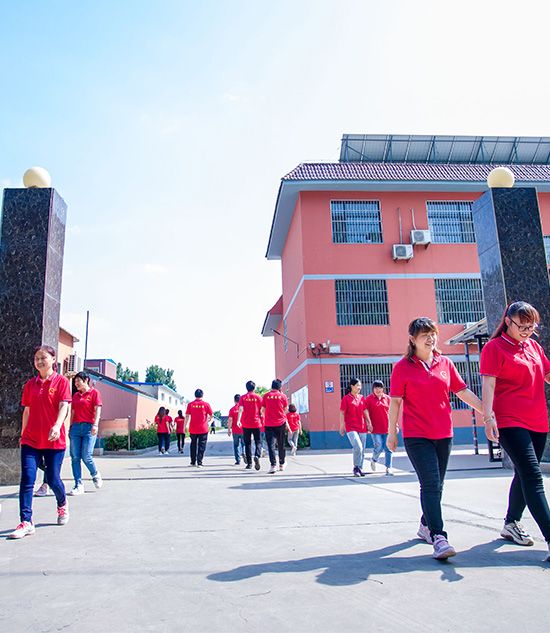
How clinical demand and advanced material science are reshaping the development of orthopedic fixation systems globally.
Engineering implants that meet the stringent anatomical and biomechanical criteria of both Western and Asia-Pacific surgical methodologies.
Modern sports medicine is moving away from metal implants toward radiolucent, bone-mimetic materials. Surgeons globally prefer Polyetheretherketone (PEEK) and bioabsorbable composites because they do not interfere with post-operative MRI scans and exhibit an elastic modulus close to human cortical bone. This reduces stress shielding and promotes healthier bone remodeling.
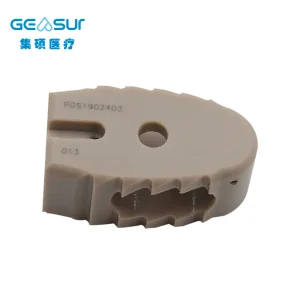
Our manufacturing facility meets this shift by offering both medical-grade Titanium Alloy (Ti6Al4V ELI) and PEEK-OPTIMA® implants. This provides surgical teams with flexible options tailored to individual patient anatomy, bone density, and fixation preferences.
Our manufacturing facility features advanced CNC machining and strict quality control instruments to ensure every implant meets demanding clinical tolerances.
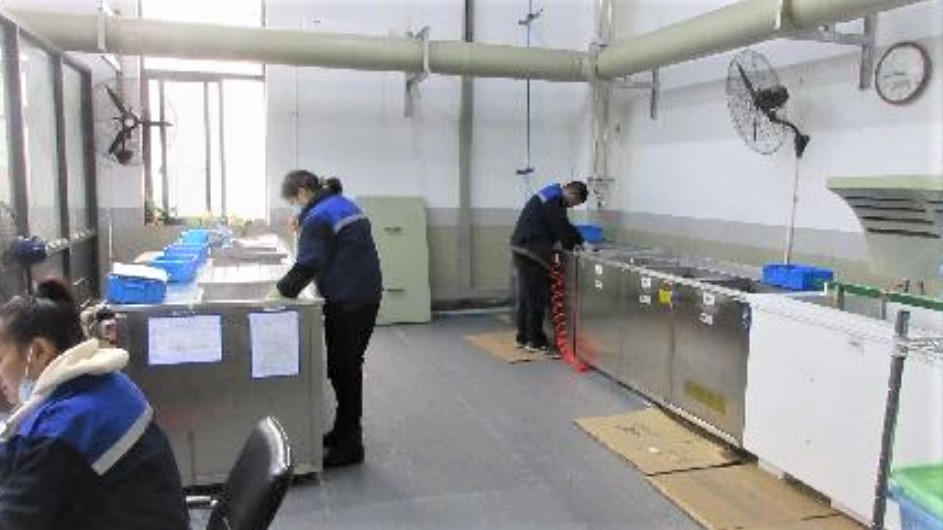
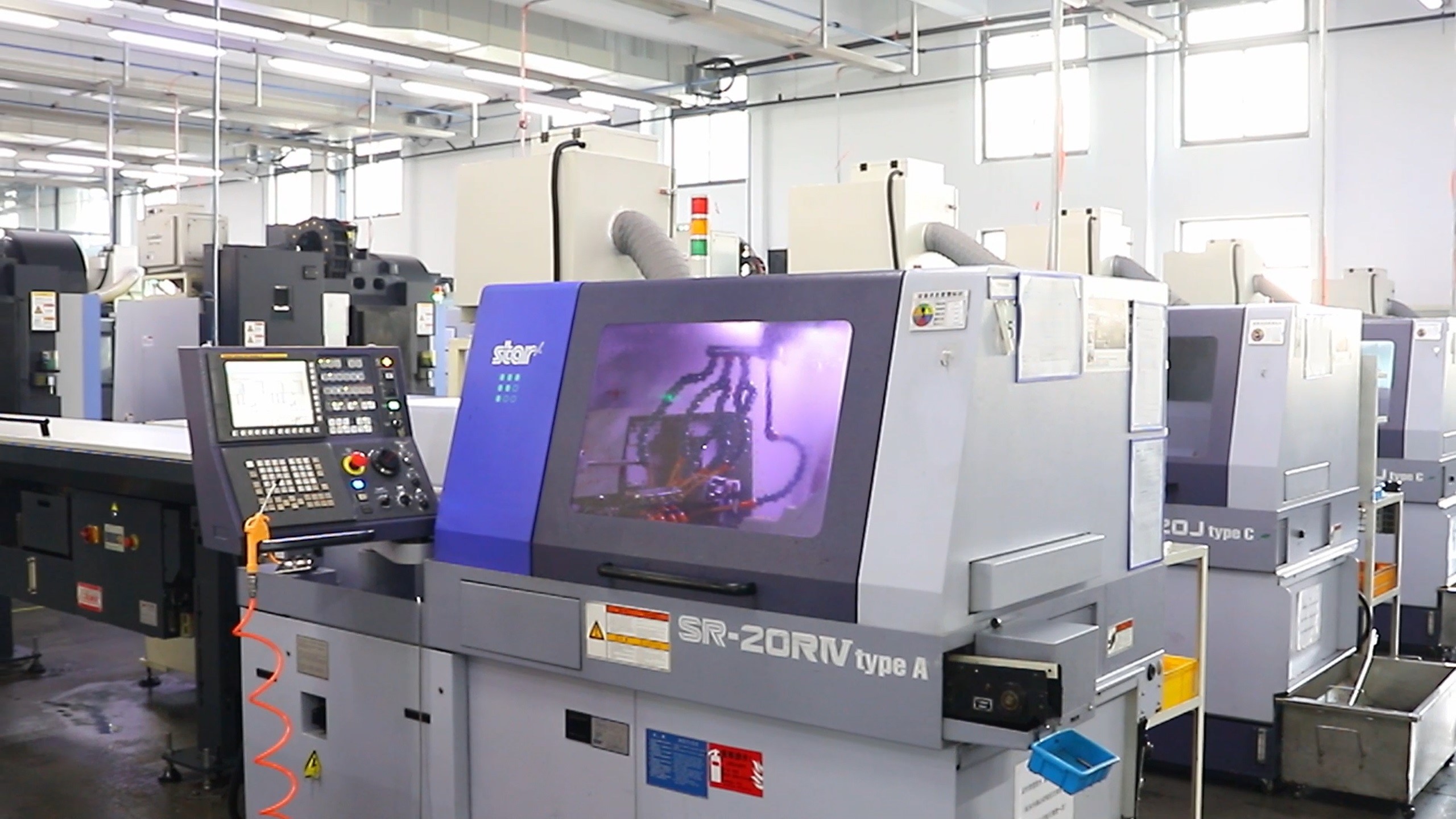
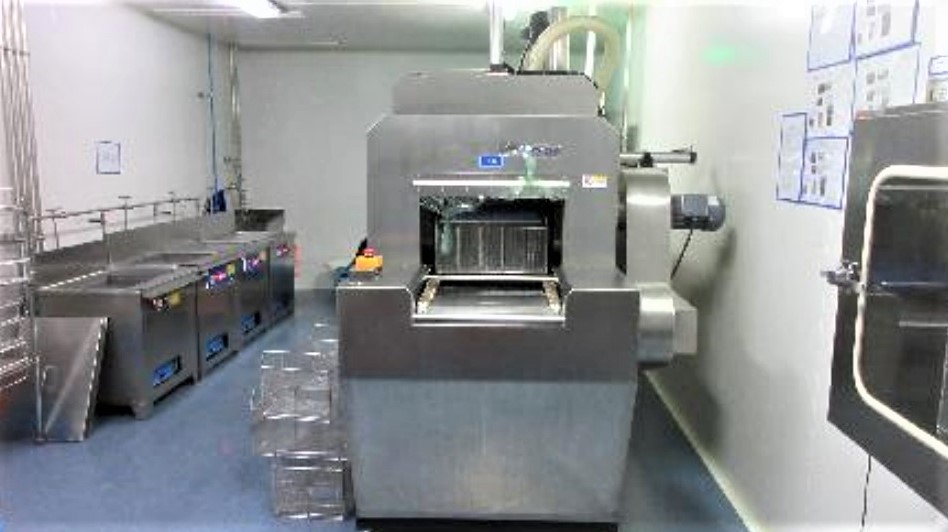
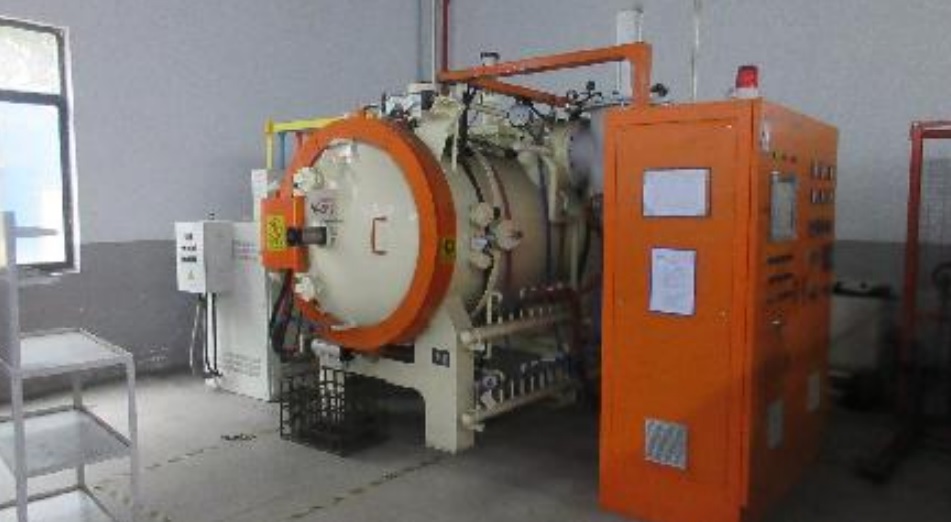
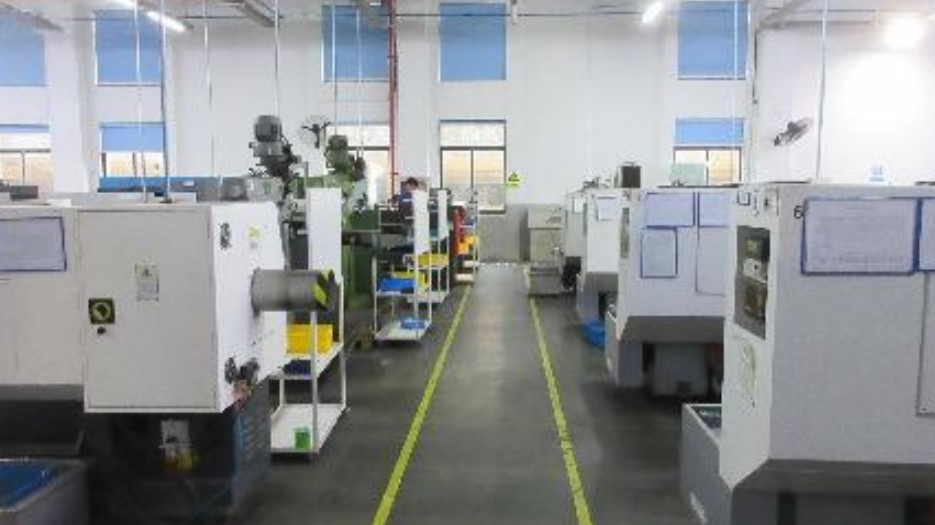
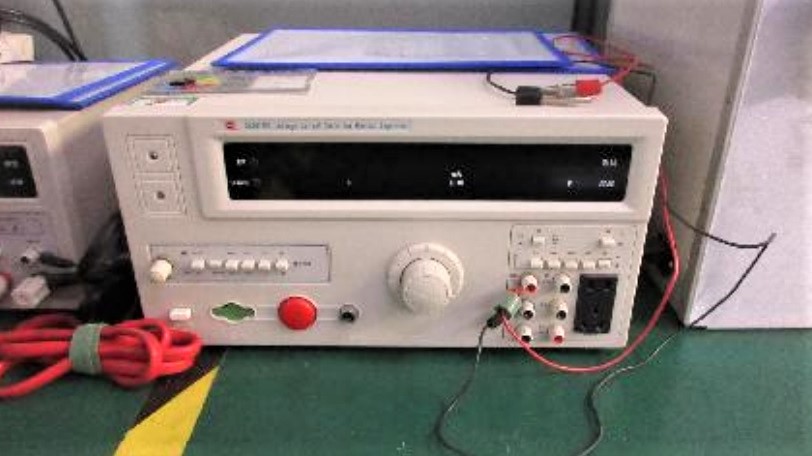
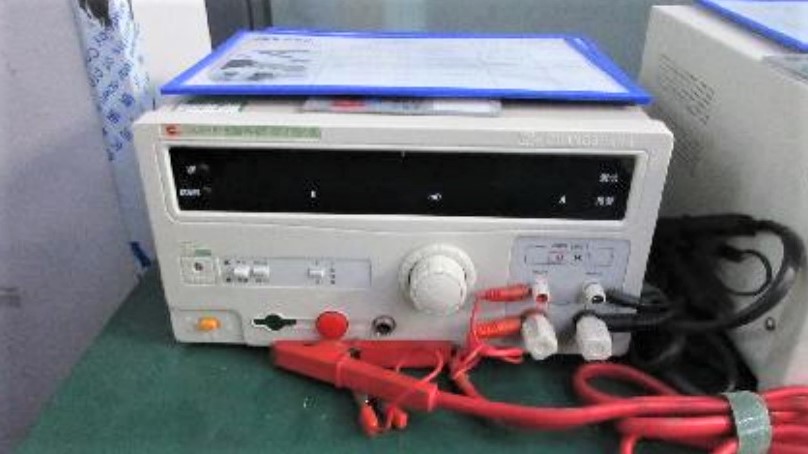
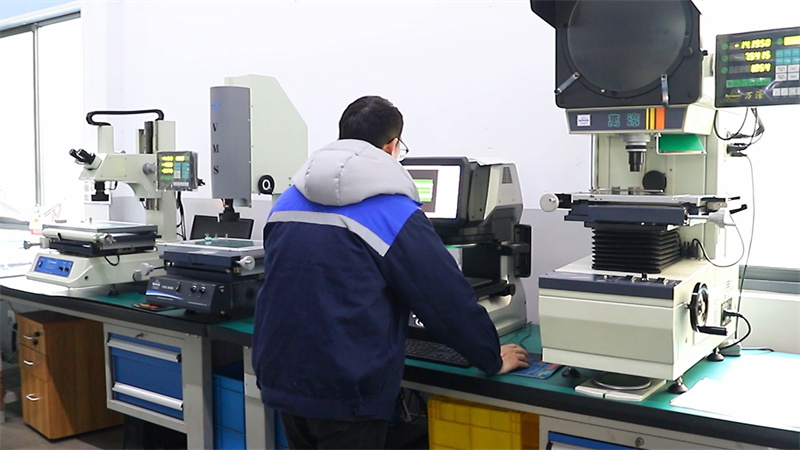
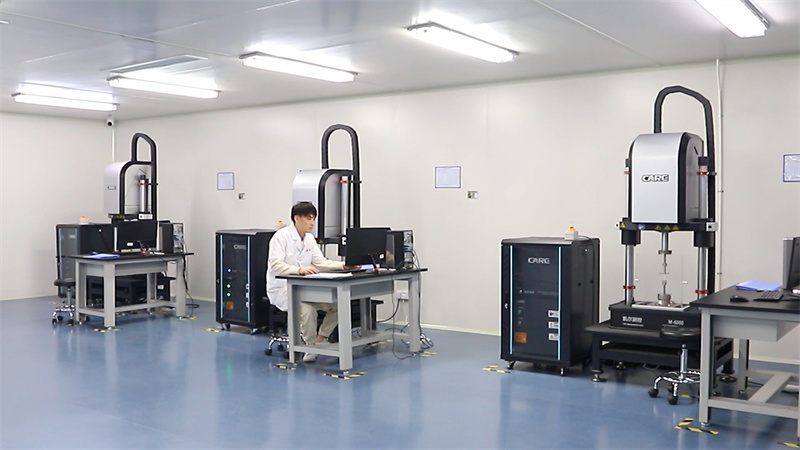
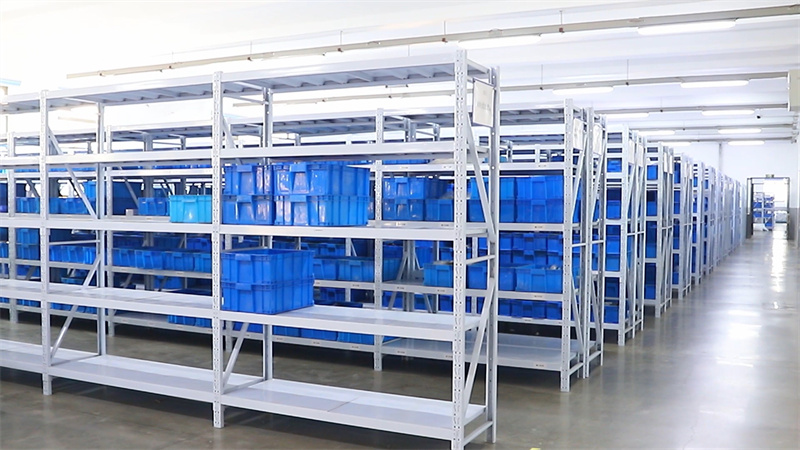
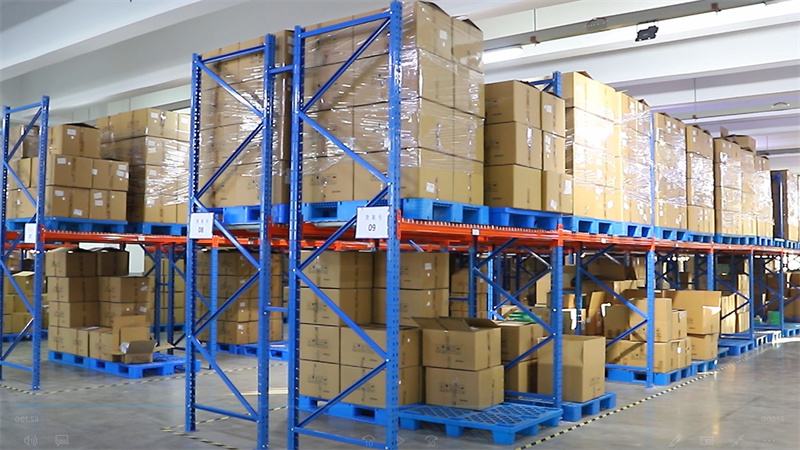
Our quality control philosophy is simple: Quality and integrity first, striving for excellence, and pursuing the highest standards. This vision is backed by rigorous certifications, including ISO 9001 and ISO 13485 compliance for medical device manufacturing. Our products meet international quality and safety criteria, aligning with CE and FDA frameworks to ensure safe performance in operating rooms worldwide.
We work closely with leading hospital experts and clinical research institutions. This ongoing technical exchange ensures our implants are optimized for realistic surgical environments, anatomical variations, and ease of use.
Validated clean room packaging ready for Ethylene Oxide (EtO) or Gamma sterilization protocols.
Verified on our Electromagnetic Dynamic Mechanics Test System under 1,000,000 load cycles.
Individual laser-etched serial numbers on all implants ensure complete raw material traceability.
Exporting to over 70 countries and regions in Europe, America, Africa, and Southeast Asia has taught us the importance of smooth logistical support. We assist our international partners with localized customs clearance documents, Certificate of Free Sale (CFS), and technical dossiers for local health authority registrations.
Whether you require OEM manufacturing, custom sizing, or bulk sterile packaging, our team provides reliable support, competitive lead times, and consistent product performance to protect your reputation in the local healthcare market.
Pioneering the next generation of implantable biomaterials and surgical approaches for arthroscopic joint reconstruction.
To improve healing at the graft-to-bone interface, our R&D team is working on bioactive coatings like Hydroxyapatite (HA) and magnesium-enriched polymer composites. These coatings help accelerate osteointegration within the bone tunnels, reducing the risk of micro-motion and long-term tunnel widening.
By mimicking the natural bone mineral matrix, these advanced interfaces encourage osteoblasts to deposit new bone directly onto the implant surface, creating a stronger biological bond.
We are expanding our product lineup to include 3D-printed, patient-specific surgical guides. By using pre-operative CT scans, surgeons can plan exact tibial and femoral tunnel placement, minimizing placement errors during complex double-bundle PCL reconstructions.
This integration of diagnostic imaging and manufacturing precision represents the future of personalized sports medicine.
Addressing critical technical, regulatory, and mechanical questions for orthopedic surgeons, purchasing directors, and global distributors.
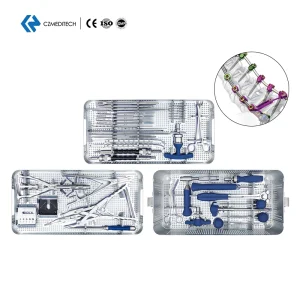
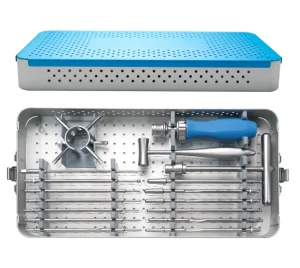
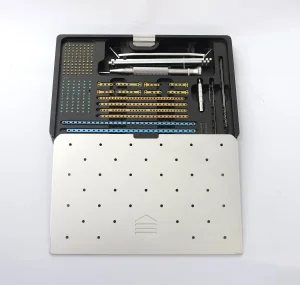
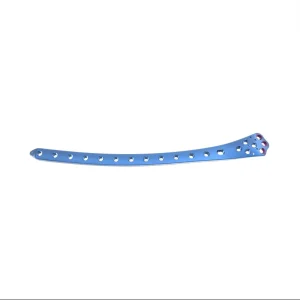
View our selection of specialized implants, arthroscopic screws, locking plates, and surgical system instrument kits.
 Daher Orthopedic Implants