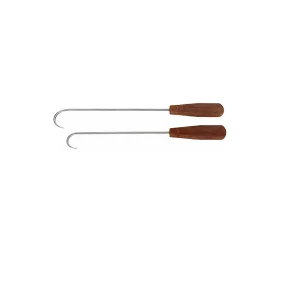
Exemplifying global clinical standards, our core product series delivers micro-engineered tolerances, medical-grade metallurgic purity, and ergonomic surgeon control.
A Strategic Whitepaper on OEM/ODM Manufacturing Excellence, Material Science, and Clinical Supply Chain Security.
The global orthopedic devices market is undergoing a significant paradigm shift driven by demographic aging, complex trauma trends, and the rapid adoption of minimally invasive surgeries (MIS). For B2B procurement officers, healthcare network executives, and international distributors, securing a reliable, ISO 13485-certified OEM partner is no longer just about cost mitigation—it is a critical strategy for regulatory compliance, product line expansion, and clinical safety.
Healthcare buyers today prioritize suppliers who offer more than generic hardware catalog listings. They require detailed insights into manufacturing technologies, biocompatibility validations, mechanical testing regimens, and trace documentation. Our business model is systematically designed to address these strict quality control requirements. By collaborating directly with clinical leaders and academic institutions, we align our product iterations with real-world operating room requirements.
Deploying specialized implant systems across complex surgical specialties.
Modern orthopedic surgery demands high specialization in mechanical performance. We provide comprehensive macro solutions categorized by primary surgical disciplines:
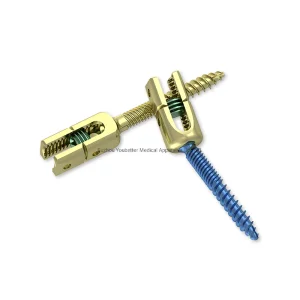
Our pedicle screw systems and posterior titanium rods are designed with optimized thread pitches and low-profile profiles to minimize tissue irritation while providing maximum structural stability for multi-level vertebral fusion.
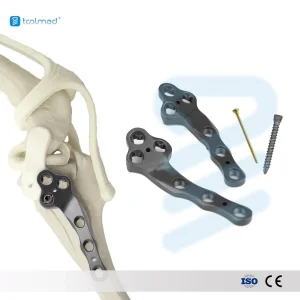
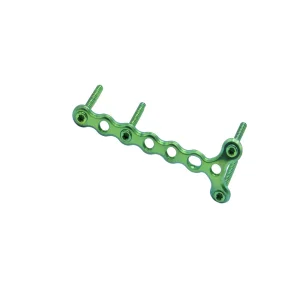
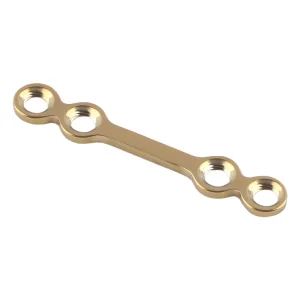
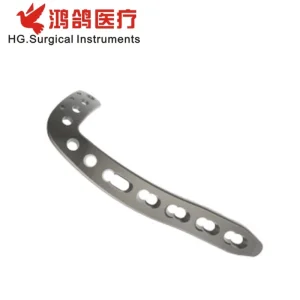
Offering anatomically pre-contoured locking plates for upper and lower extremities. The variable-angle locking holes permit customized screw placement, vital for managing comminuted osteoporotic fractures.
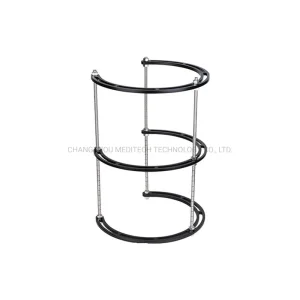
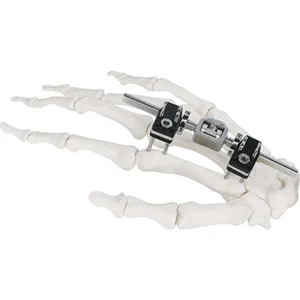
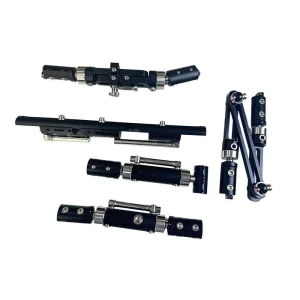
From modular Ilizarov external ring fixators to micro-scale joint-motion dynamic fixators, we enable surgeons to correct limb deformities, perform bone transport, and stabilize complex open soft-tissue injuries.
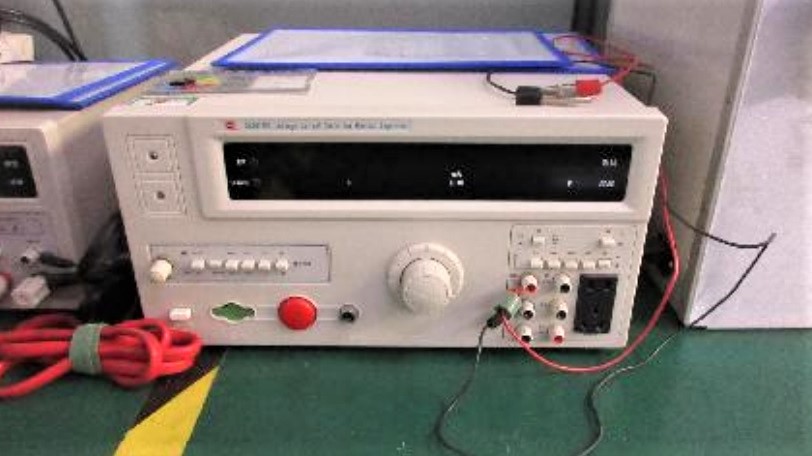
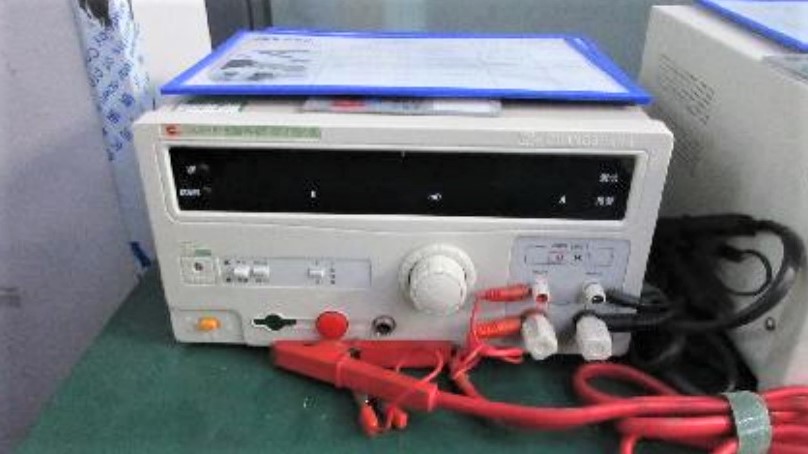
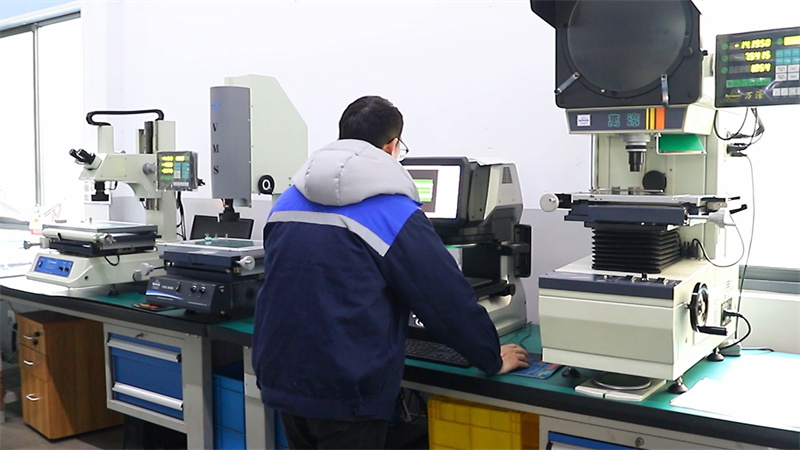
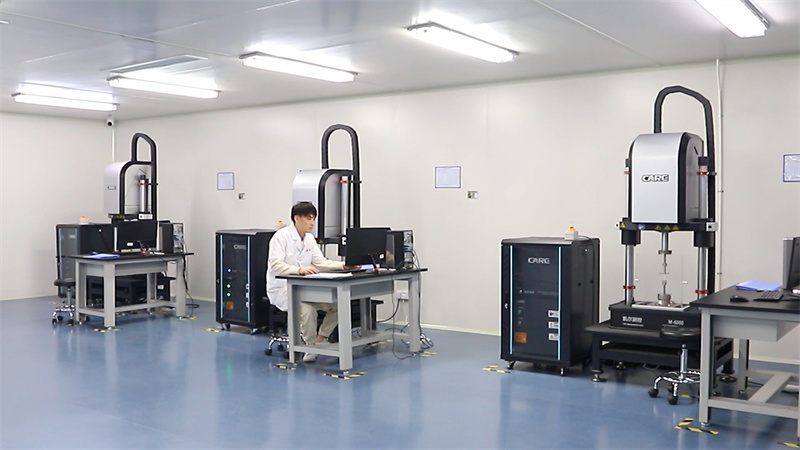
Investing in advanced machinery to ensure micron-level geometric precision and consistent structural reliability.

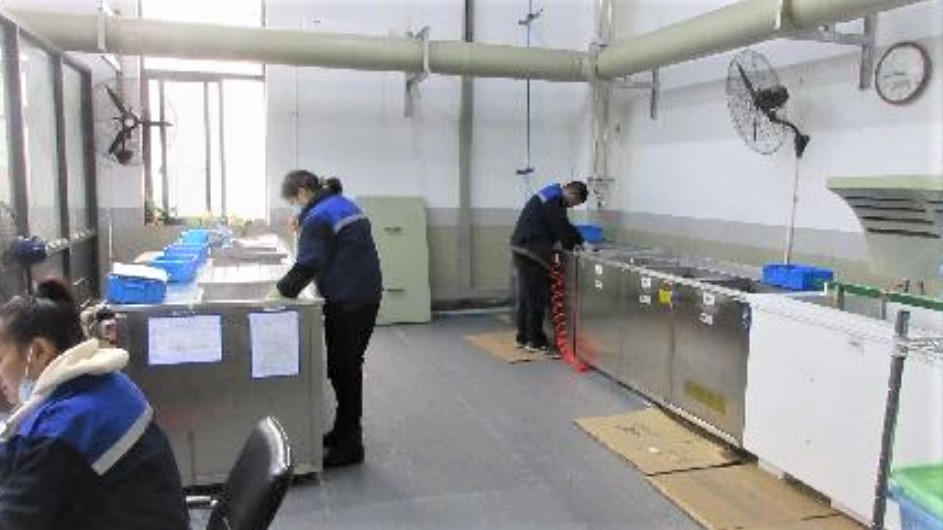
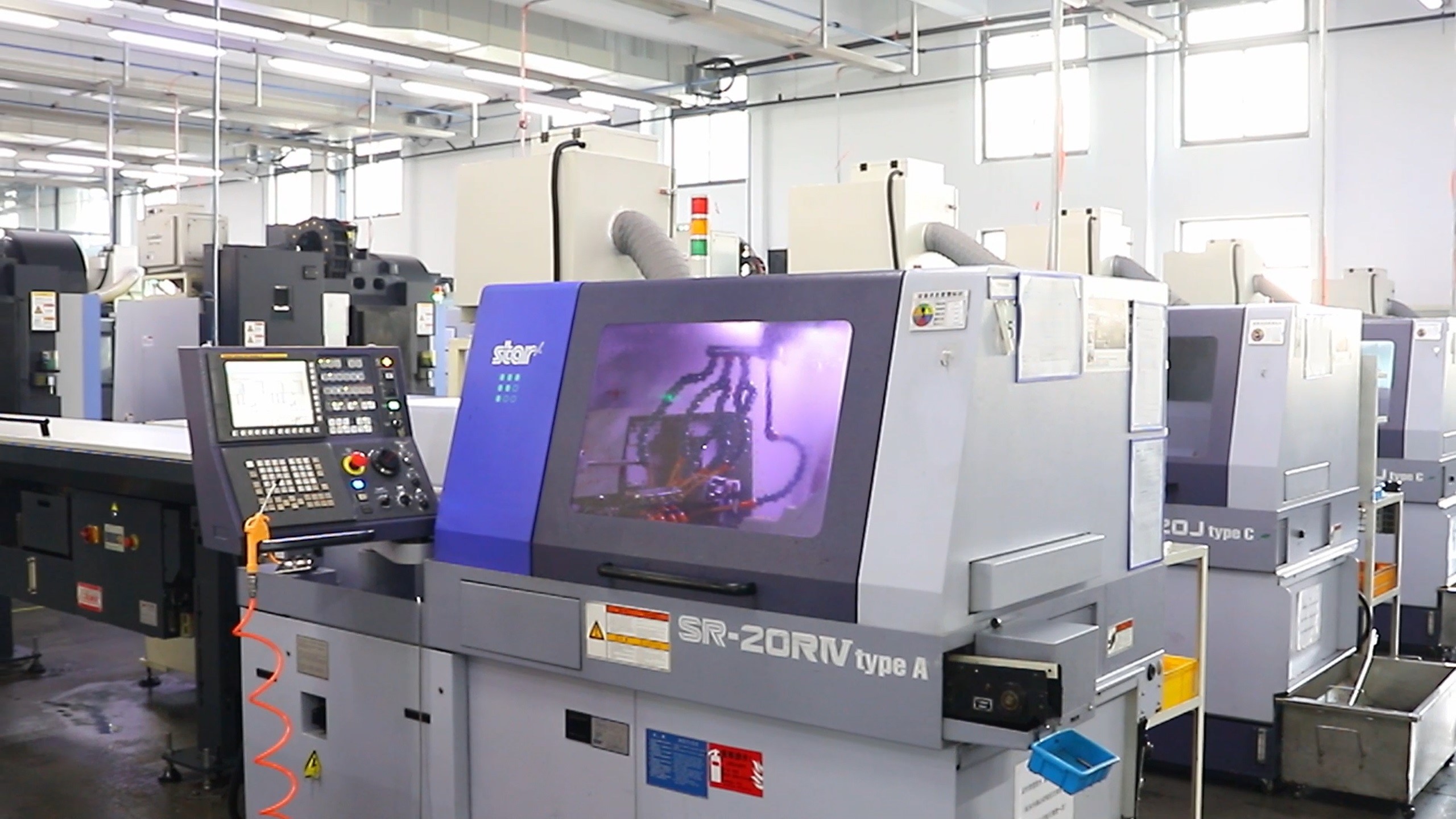
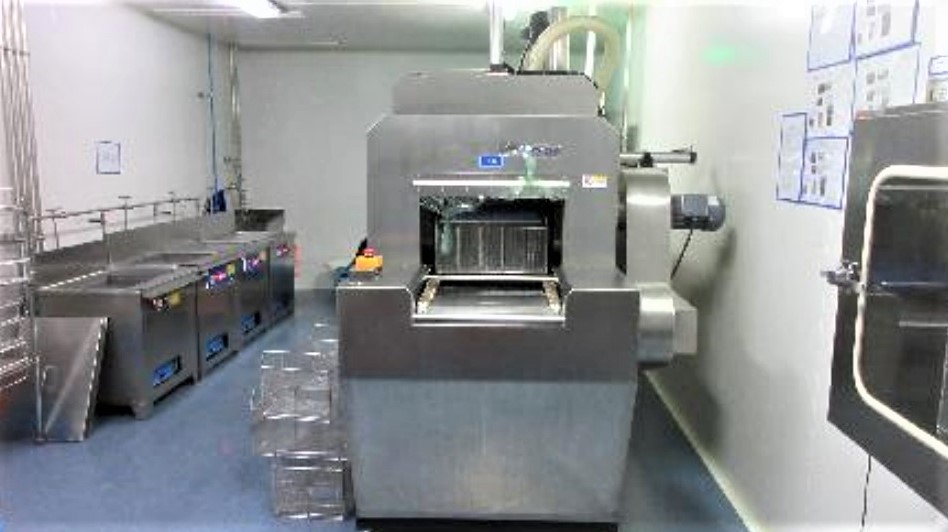

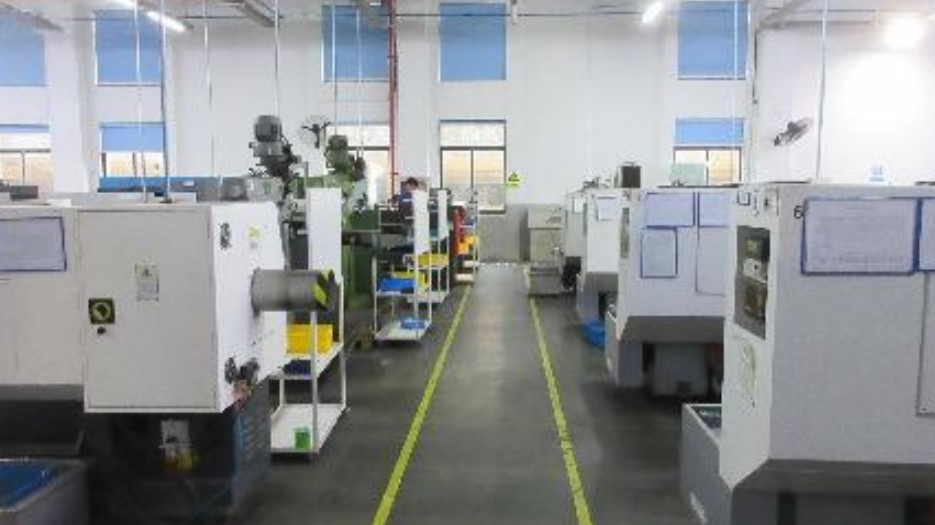
How advanced materials and next-generation engineering shape patient outcomes.
While Ti-6Al-4V ELI (Grade 23) and polyetheretherketone (PEEK) remain the industry baselines for biocompatibility and elasticity, the future lies in surface bio-activation. Our current R&D is focused on applying anodic oxidation coatings (such as color anodizing and micro-arc oxidation) to enhance the osseointegration properties of metallic implants. This process constructs a nanostructured titanium dioxide outer layer that resembles natural cancellous bone topography, encouraging faster osteoblast proliferation.
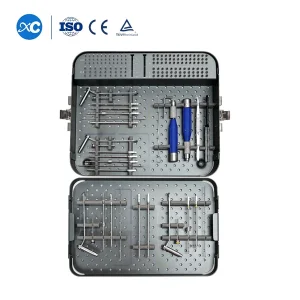
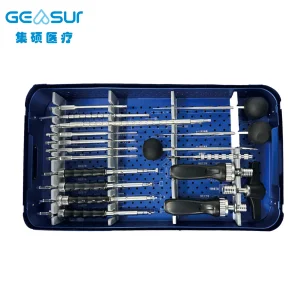
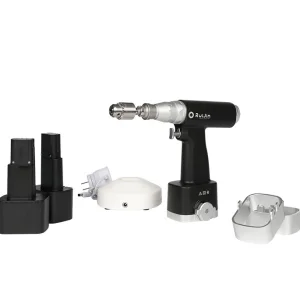
The modern operating room relies heavily on robotic-assisted orthopedic surgery. This trend demands strict tolerance limits. Instruments like pedicle screw drivers and bone drills must feature accurate spatial calibration arrays. Our CNC machining pathways operate within tolerances down to ±0.005mm. This ensures that when our tools are integrated with infrared optical tracking systems, they maintain alignment without registration drift.
Combining 3D laser-sintered porous surfaces with traditional subtractive CNC carving allows us to manufacture complex geometries. Our hybrid workflow yields implants with highly solid load-bearing cores alongside porous regions designed to support bone ingrowth, balancing mechanical toughness with long-term biological fixation.
Navigating complex international certification requirements to guarantee stable global supply chains.
Entering international healthcare markets requires adherence to rigid regulatory standards. As a global exporter, we maintain high compliance metrics to streamline the approval process for our distribution partners:
Our quality management system is certified specifically for the design and manufacture of medical devices, ensuring continuous material traceability and strict cleanroom operations.
All implants and instrumentation kits conform to the European Medical Device Regulation guidelines, including comprehensive clinical evaluation reports (CER).
Supporting international partners with technical master files, biomechanical test data (ASTM F543/F1717), and raw material melt mill certificates for FDA clearance.
Through close collaborations with logistics agencies and medical device registrars, we export directly to more than 70 countries across Europe, the Americas, Africa, and Southeast Asia. We provide customized labeling, UDI (Unique Device Identification) barcoding, and sterilization verification reports (Gamma or ETO) to facilitate customs clearance and hospital integration.
Addressing standard technical queries from procurement officers, orthopedic surgeons, and distributors.
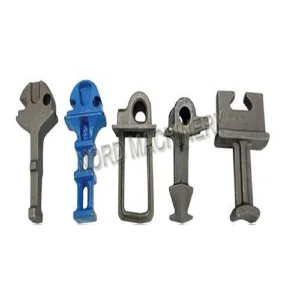
Explore more specialized surgical solutions and custom casting components from our manufacturing facilities.

 Daher Orthopedic Implants