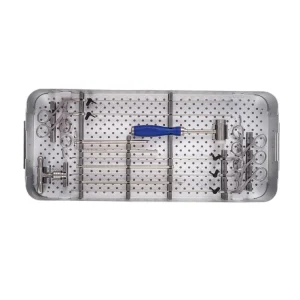
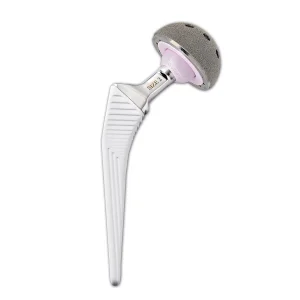
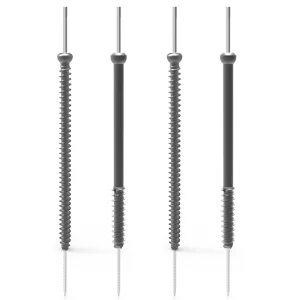
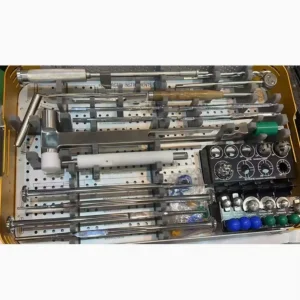
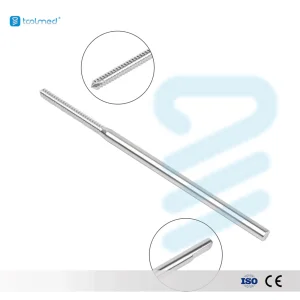
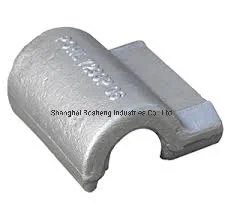
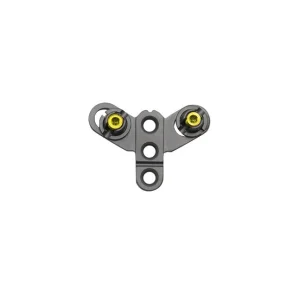
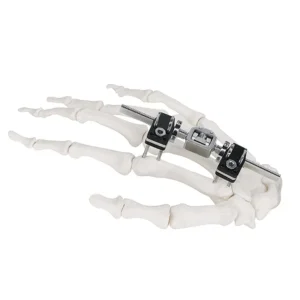
Explore our catalog of certified medical instruments, implant systems, and precision-engineered structural accessories.
In the field of regenerative medicine and soft tissue reconstruction, the clinical reliance on synthetic materials has transitioned towards biomimetic architectures. Biological meshes, sourced from porcine, bovine, or human donor tissues, represent the forefront of tissue remodeling. Unlike synthetic meshes, which prompt a chronic foreign-body reaction and lead to rigid scar tissue formation, biological meshes act as a temporary bioactive scaffold. They undergo enzymatic degradation while facilitating host cell migration, vascularization, and eventual replacement by functional native tissue.
China's top biological mesh manufacturers have refined cellular extraction technologies. Through optimized decellularization processes, manufacturers eliminate all antigenic cellular materials while preserving the complex three-dimensional extracellular matrix (ECM). This retains crucial collagen structures and growth factors, resulting in high mechanical strength and excellent biocompatibility. These parameters are essential for successful tissue regeneration in abdominal wall repair, plastic surgery, and pelvic reconstruction.
Decellularization processes remove cell remnants, achieving >99% DNA clearance to eliminate the risk of immunogenic rejection and graft failure.
Highly porous ECM architecture allows rapid host endothelial cell infiltration and microcapillary network establishment in vivo.
Retains native collagen cross-linking, providing multi-directional tensile support and resistance to early enzymatic breakdown.
The international demand for soft tissue reconstruction solutions is rising due to an aging global population, rising surgeries, and demand for non-synthetic options. Synthetic meshes are linked to chronic inflammation, shrinkage, and erosion, leading to regulatory warnings. Consequently, reconstructive surgeons are shifting toward biological solutions.
Historically, biological meshes were highly expensive due to specialized sourcing and proprietary decellularization steps in North America and Western Europe. However, China's biomedical industrial hubs have changed this dynamic. By combining automated biological processing with domestic tissue engineering research, China-based factories offer clinical-grade biological scaffolds at viable price points. This enhances supply chain reliability for healthcare distributors, clinical networks, and OEM implant providers globally.
Sourcing tissues from pathogen-free herds with complete electronic tracking records. All animal materials are collected under strict veterinary supervision to ensure biosecurity.
Utilizing enzymatic, chemical, and physical processing cycles. This step preserves the collagen backbone while removing cell membranes, genetic remnants, and lipid matrices.
Using chemical cross-linking agents or physical methods like DHT (dehydrothermal treatment). This regulates the in vivo degradation rate to match native tissue regeneration.
Applying low-temperature ethylene oxide (EO) or electron-beam irradiation. This ensures a sterility assurance level (SAL) of 10-6 without damaging the delicate ECM structure.
Biological meshes and scaffolds play a critical role in complex clinical scenarios. High contamination risks or infected fields often preclude the use of permanent synthetic materials. Our biological matrices offer specific clinical advantages in these key areas:
Designed for ventral, incisional, and parastomal hernia repairs in clean-contaminated and contaminated fields. The tissue-derived matrix supports rapid vascularization, allowing the body to naturally clear pathogens and reduce the risk of mesh infection.
Acellular dermal matrices (ADMs) provide internal coverage, mechanical support, and defined positioning for breast implants. This yields natural cosmetic contours and reduces the incidence of capsular contracture.
Provides biocompatible support for vaginal vault suspension and cystocele repairs, reducing vaginal extrusion risks linked to synthetic polymer sheets.
Strengthens reconstructed tendons and ligaments, promoting cellular growth at the repair site for improved long-term mechanical stability.
We are dedicated to the research, development, production, and sales of orthopedic implants and tools. In the continuous process of design updates, we strive for excellence, meticulously crafting each product.
Our quality control philosophy: Quality and integrity first, striving for excellence, and pursuing the highest standards.
A professional R&D team and long-term technical exchanges with leading hospital experts ensure that our products function to their fullest potential.
Our factory has passed ISO 9001 and ISO 13485 certifications. Our products exceed all international quality and safety standards, including CE and FDA certifications. For many years, our products have been exported to more than 70 countries and regions in Europe, America, Africa, and Southeast Asia.
Our professional team is dedicated to serving every customer. Your trust is the greatest recognition of our service. We will rely on high-quality products and continuously launch new marketable products based on market demand, achieving mutual benefit and win-win results with our customers.

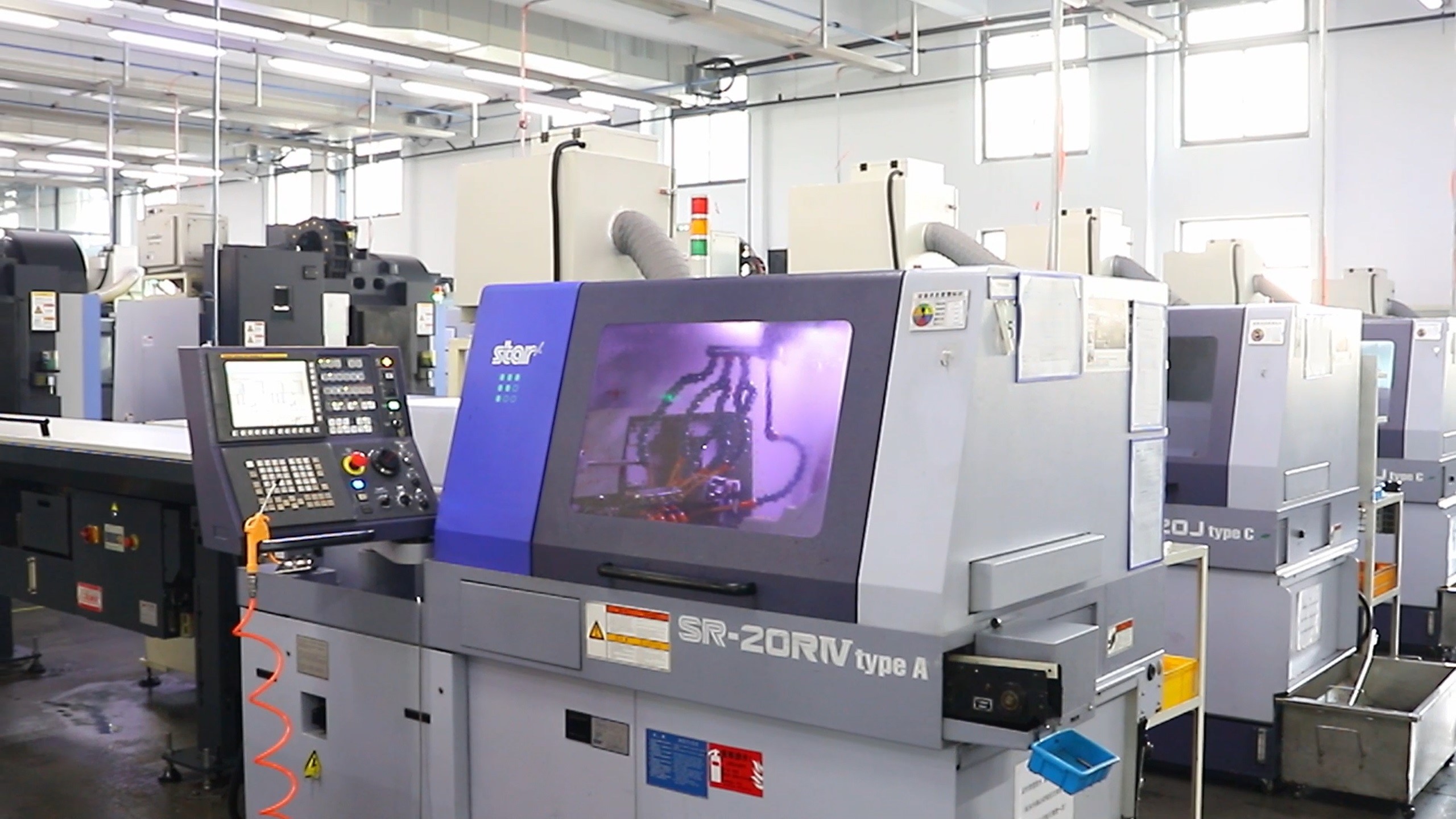
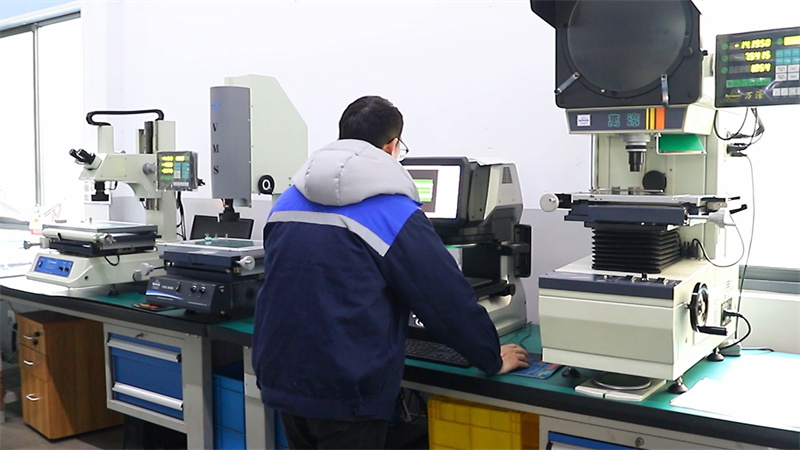
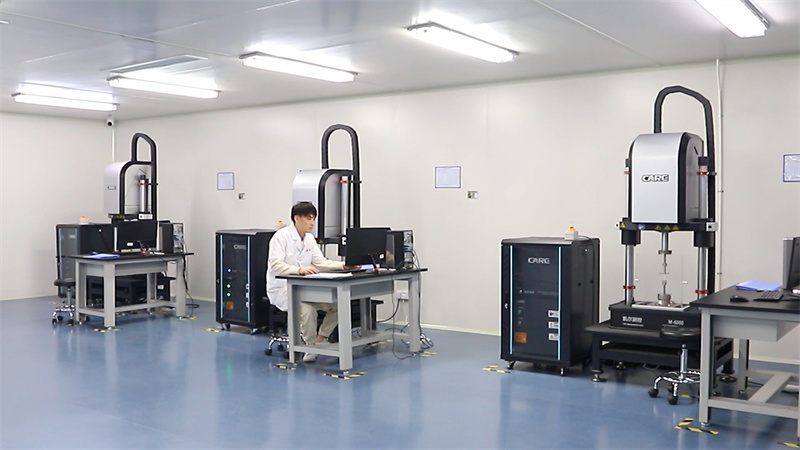
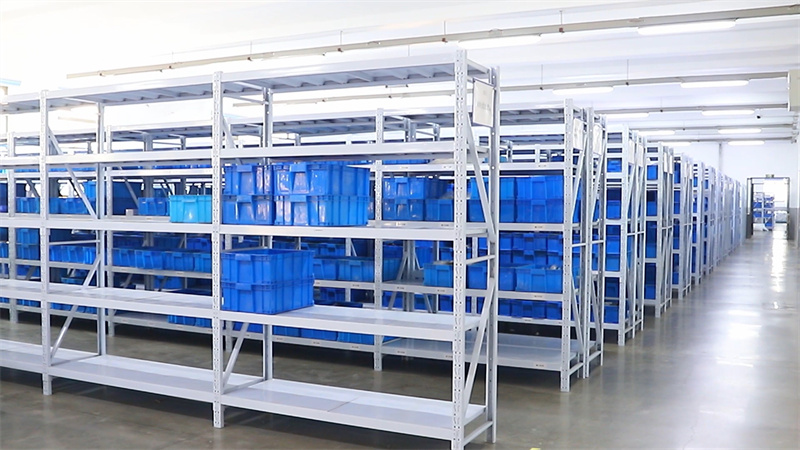
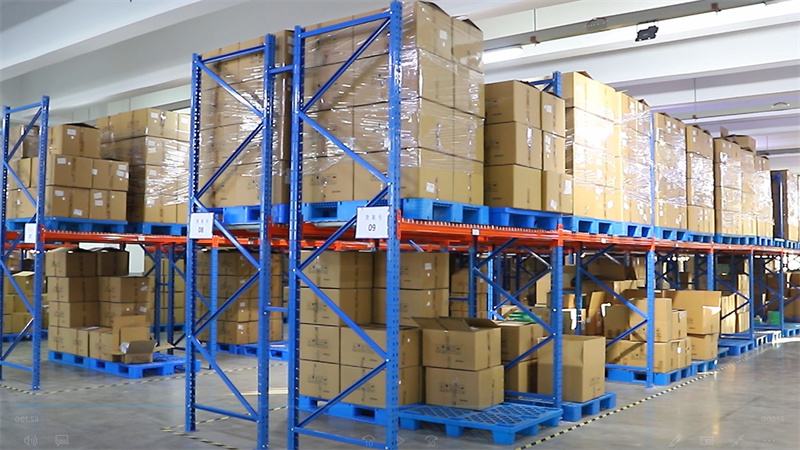
To ensure precise execution and structural integrity across both our biological scaffold preparations and orthopedic hardware fabrications, we utilize state-of-the-art diagnostic and industrial machinery.

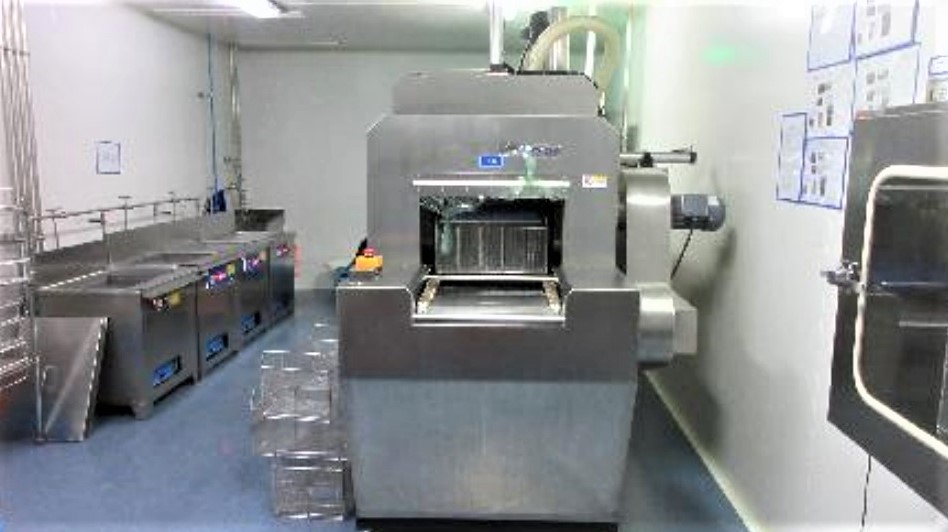
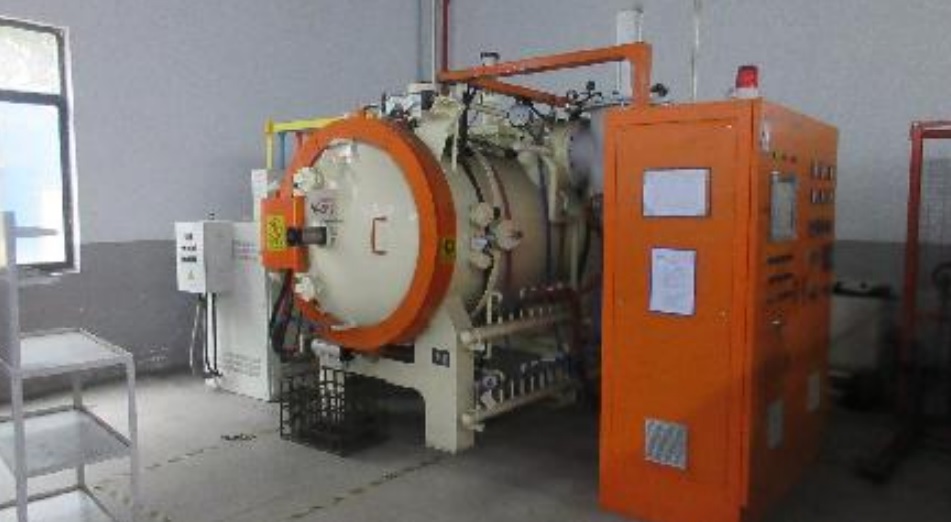
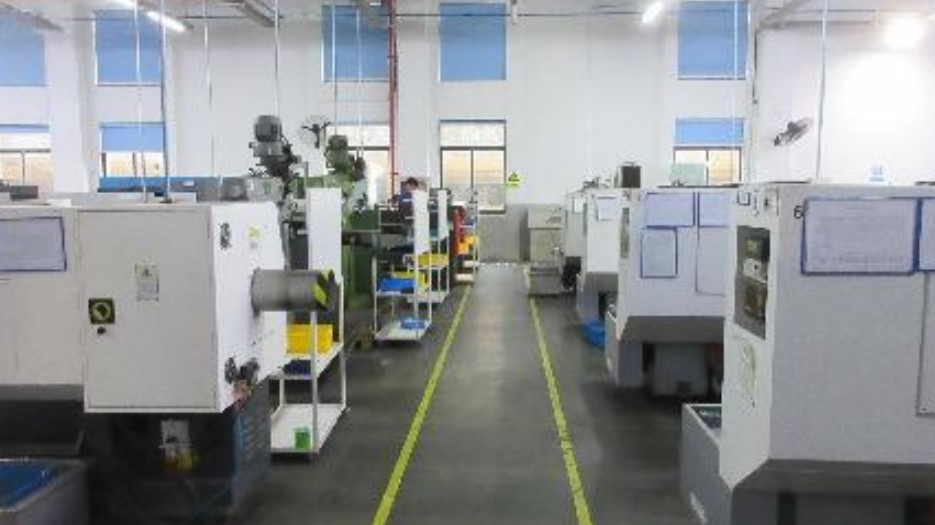

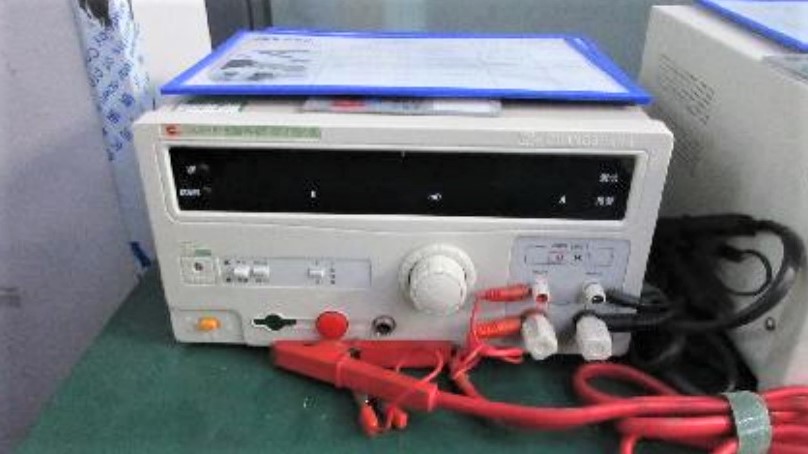
The biological mesh field is moving toward smart biomaterials. These materials are engineered to modulate local physiological environments, promoting tissue regeneration and minimizing scarring. We are expanding our technology platform to support these next-generation clinical developments:
Combining biological sheets (such as porcine ADM) with ultra-thin synthetic, biodegradable polymers (like PLLA/PLGA) provides optimal early tensile support while maintaining biocompatibility.
Integrating non-steroidal anti-inflammatories or antibacterial peptides into the mesh structure helps manage the local healing environment and prevent biofilm formation.
Incorporating micro-doses of recombinant basic fibroblast growth factors (bFGF) accelerates cellular recruitment, supporting faster healing in compromised tissues.
Exporting biological materials requires strict regulatory compliance and precise environmental controls. Standard synthetic medical devices can be shipped under ambient conditions, but biological scaffolds demand controlled environments to preserve the native collagen matrix:
Every production batch undergoes strict sterility verification, proving zero pathogen survival while confirming that processing does not break down the natural collagen chains.
We provide comprehensive support for international registration requirements, including CE-MDR files, FDA filings, sanitary certificates, and animal health verification documents.
Depending on the product type (such as fresh cryopreserved versus room-temperature dehydrated matrices), we utilize specialized packaging with real-time temperature tracking to ensure stability throughout transport.
Browse our external fixation systems, spine stabilization elements, and joint replacement accessories.
 Daher Orthopedic Implants