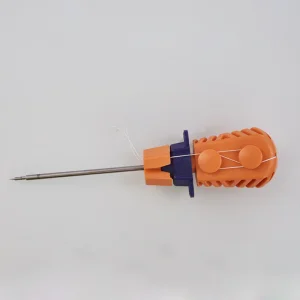
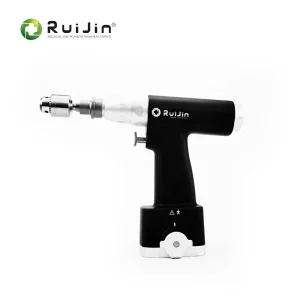
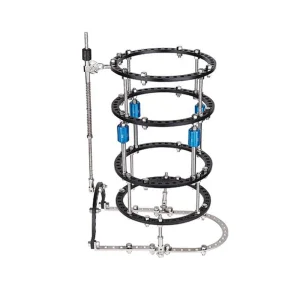
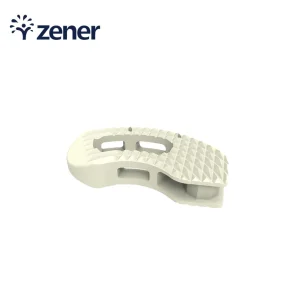
We are fully dedicated to the research, development, production, and sales of high-performance orthopedic implants and precision surgical tools. In the continuous process of clinical design updates, our engineering teams strive for absolute excellence, meticulously crafting each product to conform to dynamic biological models.
Our quality control philosophy is simple yet unyielding: Quality and integrity first, striving for excellence, and pursuing the highest standards. Through strict inspection and continuous testing protocols, we guarantee the safety, biocompatibility, and operational stability of every medical device we ship.
A professional R&D team and long-term technical exchanges with leading hospital experts and clinical surgeons ensure that our products function to their fullest potential in real-world surgical settings. This active feedback loop bridges the gap between mechanical engineering and human anatomy.

Total Disc Replacement (TDR), also referred to as artificial disc arthroplasty, represents one of the most significant paradigm shifts in modern spinal surgery. Historically, patients suffering from severe degenerative disc disease (DDD) in either the cervical or lumbar regions were primarily treated via spinal fusion (ACDF or ALIF/PLIF). While fusion stabilizes the segment, it permanently removes the dynamic motion of the intervertebral space, resulting in elevated biomechanical stresses on the adjacent levels. Over time, this compensatory strain accelerates Adjacent Segment Disease (ASD), often requiring follow-up interventions.
Next-generation artificial discs utilize a multi-layered titanium plasma spray (TPS) or micro-porous 3D-printed titanium constructs on their endplates. These surface modifications encourage rapid bony ingrowth (osteointegration), ensuring long-term secondary stability without the need for bone cement.
By mimicking the shock-absorbing properties of the natural nucleus pulposus, our engineering roadmap focuses on hydrogel-core hybrids and high-density, Vitamin-E stabilized Ultra-High-Molecular-Weight Polyethylene (UHMWPE) components to minimize particulate wear debris and prolong implant lifespan.
To accommodate natural physiological movement, the articulation interfaces are structured to match cervical and lumbar lordotic profiles perfectly. Incorporating dynamic constraint allows translation, lateral bending, axial rotation, and flexion-extension patterns that follow healthy spinal paths.
Looking ahead, the development of smart artificial discs embedded with micro-sensors is underway. These micro-sensors monitor in-vivo pressure distribution, micro-motion, and local pH shifts, signaling early indicators of infection or mechanical overloading. Our R&D department is at the forefront of these technological trials, ensuring our distributors and clinical partners have access to the absolute cutting edge of spine care instrumentation and implants.
Global healthcare economics demand a reduction in clinical reoperation rates and shortened post-operative hospital stays. Modern orthopedic centers are increasingly shifting their protocol from rigid fixation to motion preservation techniques. As a primary manufacturer, we address this transformation by supplying medical networks with dual-pathway solutions: advanced fusion cages alongside dynamic motion-preserving implants.
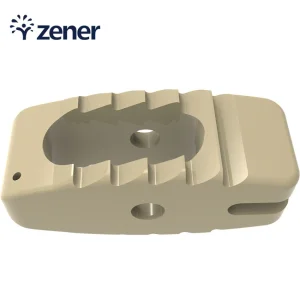
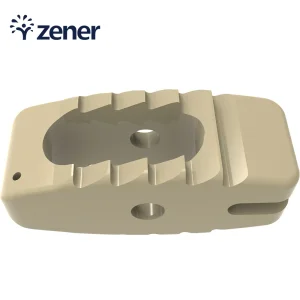
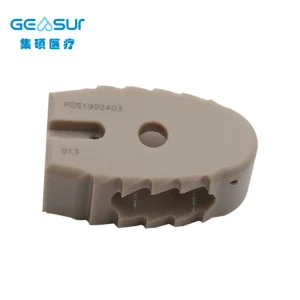
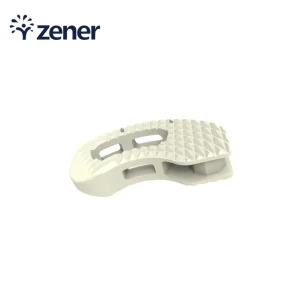
Our Titanium-Coated PEEK Interbody Fusion Cages utilize a unique combination of high mechanical shear strength from polyetheretherketone (PEEK) combined with the biocompatible osteoinductive properties of titanium coatings. This ensures that in cases where spinal fusion is biologically necessary, stability is achieved rapidly. Conversely, for candidates undergoing total disc replacement, our design facilitates natural motion preservation, protecting adjacent segments and preventing the cascading degeneration of nearby levels.
By maintaining a versatile manufacturing capability, we support global hospital procurement officers in optimizing their supply chain. Purchasing teams can secure both trauma instrumentation, arthroplasty platforms, and standard fusion cages from a single, vertically integrated manufacturer, thereby streamlining quality audits, decreasing shipping overheads, and maintaining absolute consistency across surgical trays.
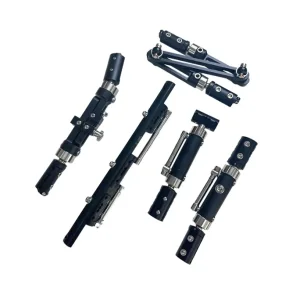
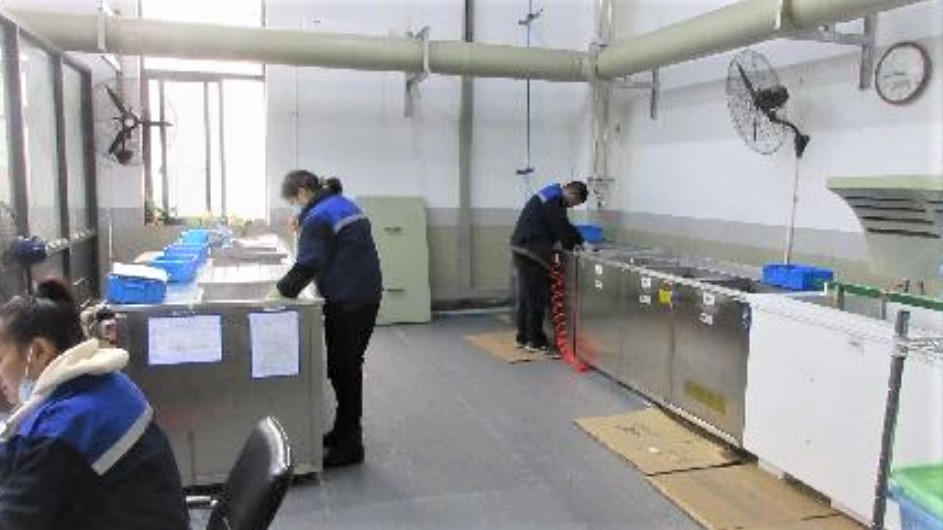
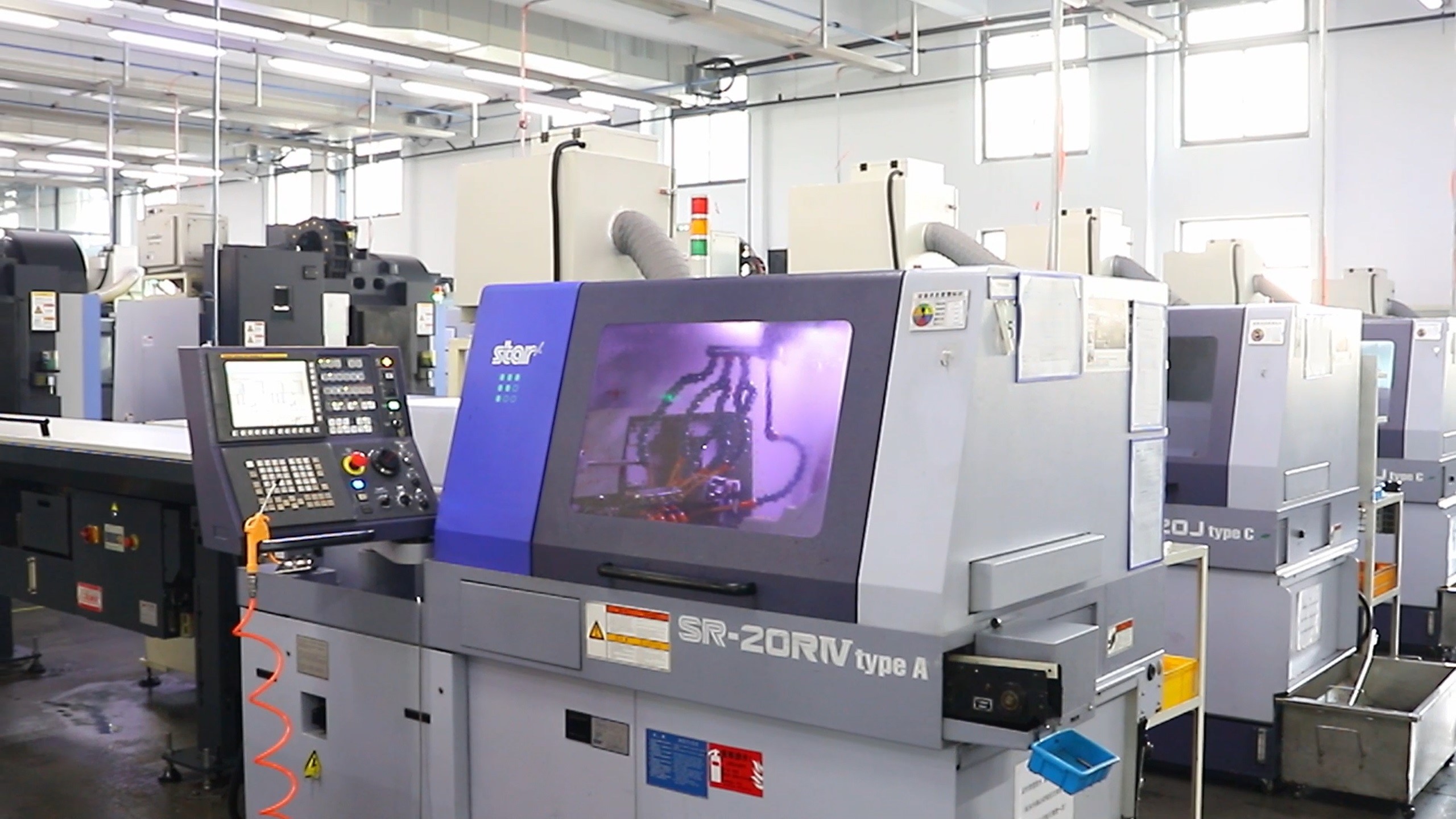
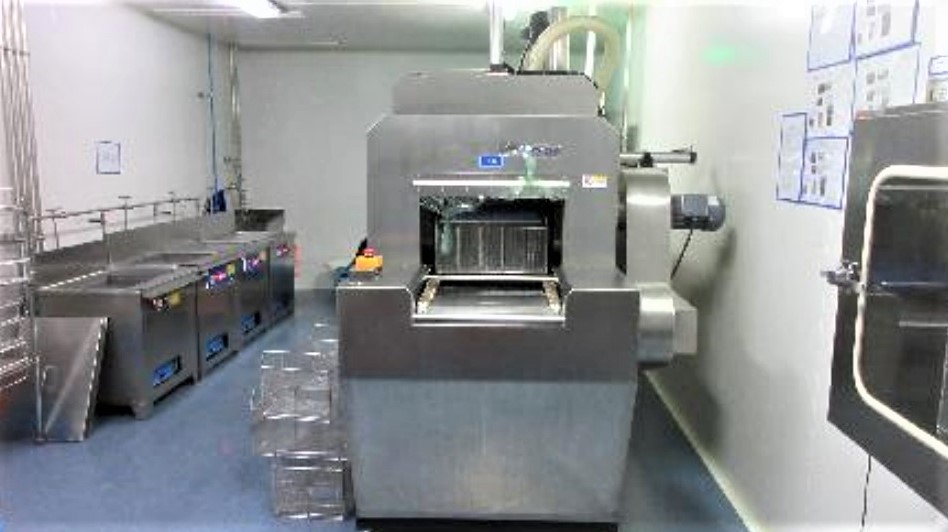
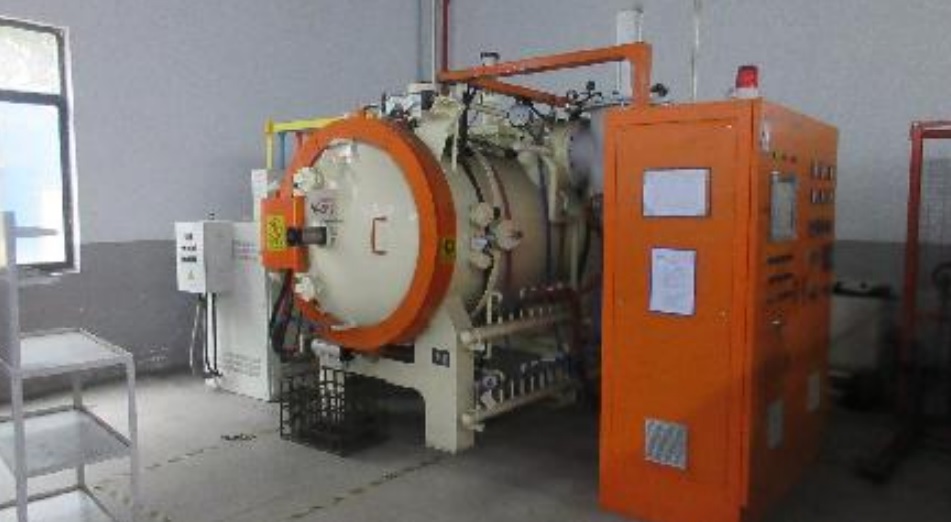
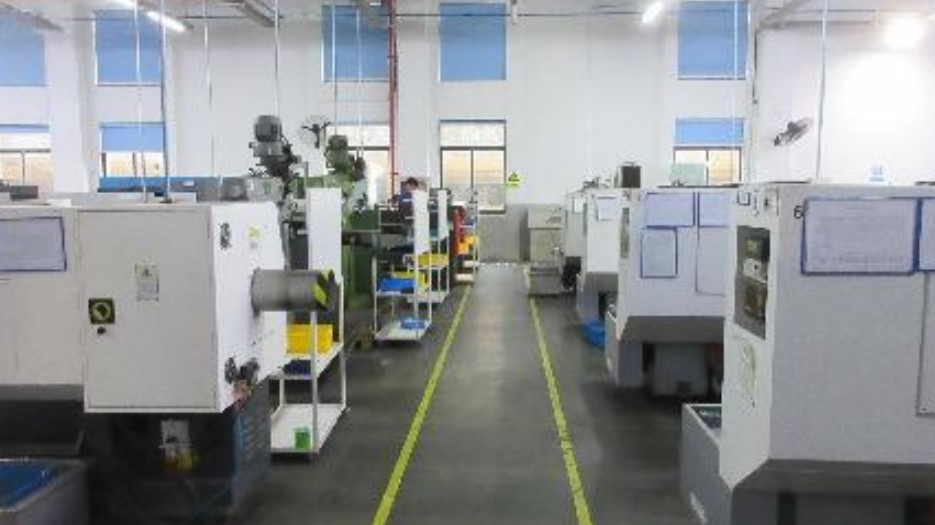
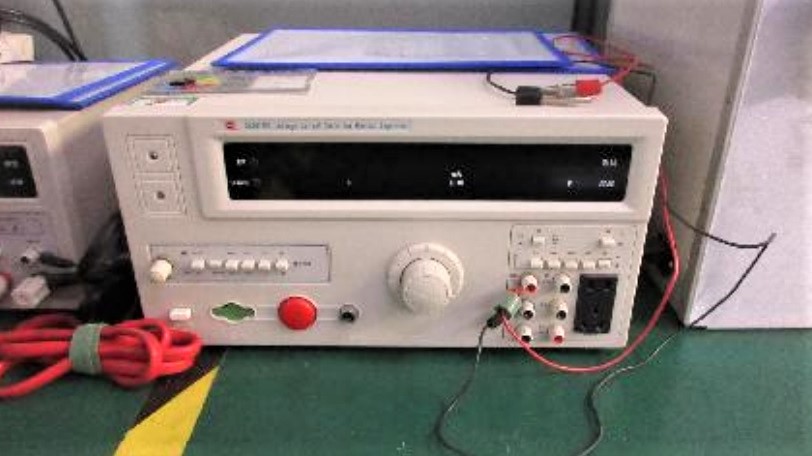
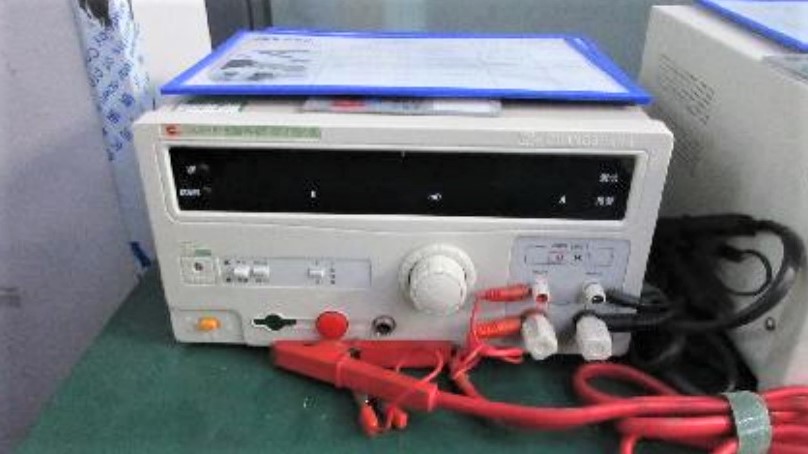
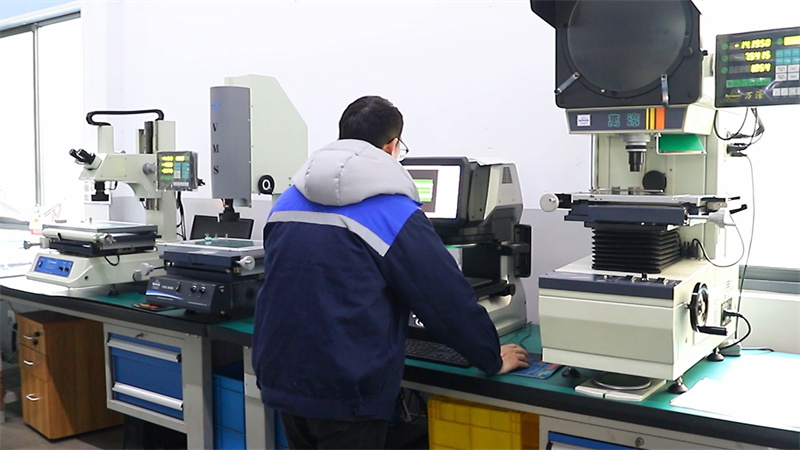
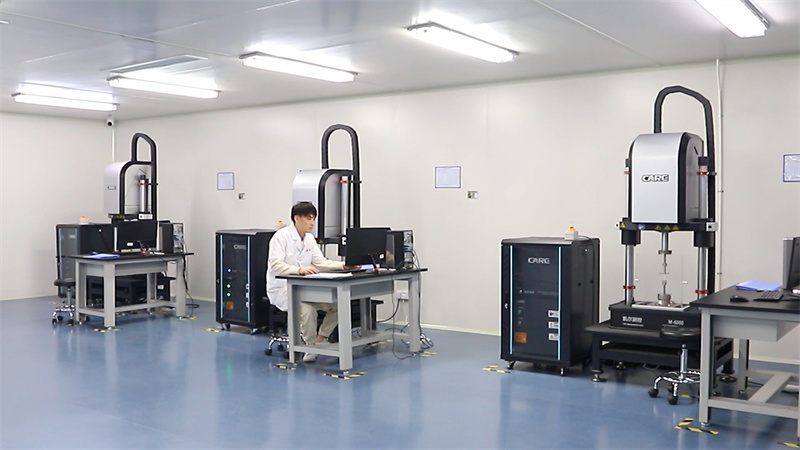
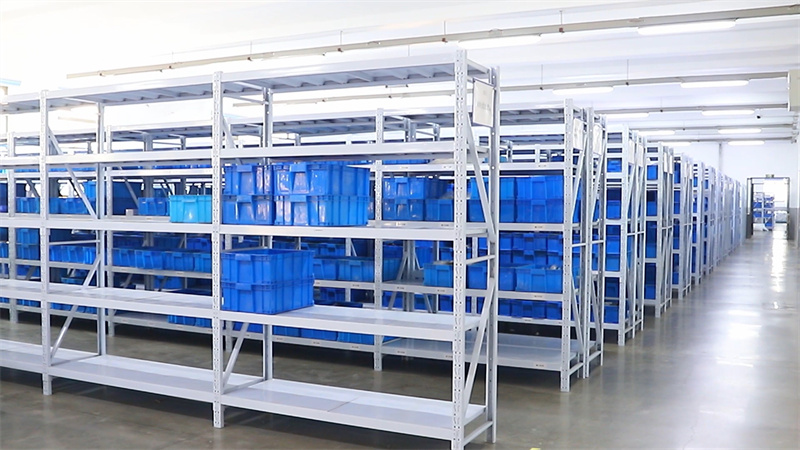
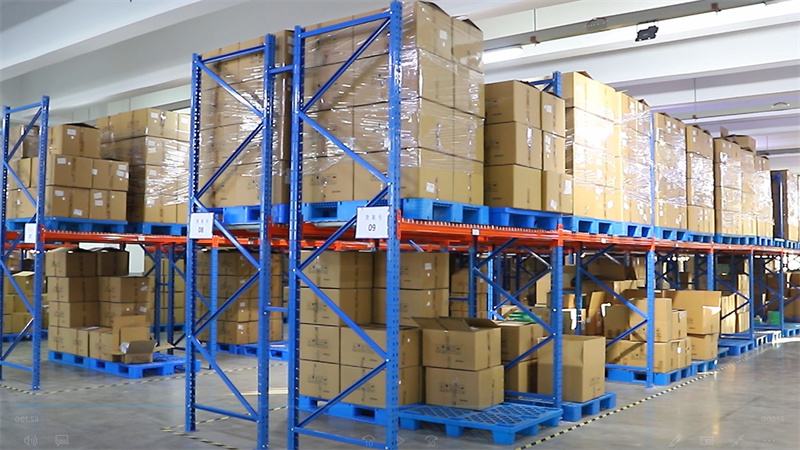
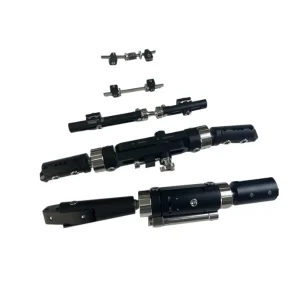
To ensure consistency in titanium coatings, polymer core tolerances, and external fixation hardware, our manufacturing floor relies on advanced instrumentation and machinery. Each system operates under environmental monitoring control to prevent contamination of implant surfaces prior to sterilization validation. Below is an overview of the technical instrumentation driving our production line:
To operate successfully as a Class III medical device partner, we align with the procurement schedules and requirements of major medical brands, distributors, and governmental hospital purchasing networks. We recognize that device registration, product safety parameters, traceabilities, and long-term mechanical wear reports form the backbone of a successful market launch.
We work directly with surgical teams and engineers to offer customized lordotic angles, footprints, and custom heights. Our raw materials—ranging from biocompatible PEEK-OPTIMA to medical-grade titanium alloys (Ti6Al4V ELI)—come with full heat traceability certificates.
Our facility provides private label packaging options under validated sterile barrier systems (ISO 11607 compliant). Implants can be packaged sterile (gamma irradiation or EO gas) or non-sterile depending on regional registration requirements.
We supply extensive design histories, validation master plans (VMP), and technical files formatted for immediate compilation in FDA 510(k) applications, European CE MDR dossiers, and regional MOH certifications.
Our implants are tested under the most demanding dynamic simulation environments. Utilizing the Electromagnetic Dynamic Mechanics Test System, our engineers perform extensive wear testing on spinal constructs, mimicking real-world physiological loading patterns over millions of cycles.
These fatigue tests are performed in accordance with international standards, including ASTM F2346 (Standard Test Methods for Static and Dynamic Characterization of Spinal Artificial Discs) and ISO 18192-1 (Wear of Total Intervertebral Spinal Disc Prostheses). We measure wear rates, displacement, and potential material delamination under continuous multi-axial shear force.
Our factory exceeds all international quality and safety benchmarks, maintaining compliance with CE, FDA, and local MOH regulations. This level of verification offers distributors absolute confidence in the structural reliability of our products, minimizing clinical risk and protecting patient health.
ISO 13485 & CE MDR Compliant
 Daher Orthopedic Implants