Ultimate Tips for Using Monoaxial Pedicle Screws?

Time:2026-03-20 Author:Sienna
0%

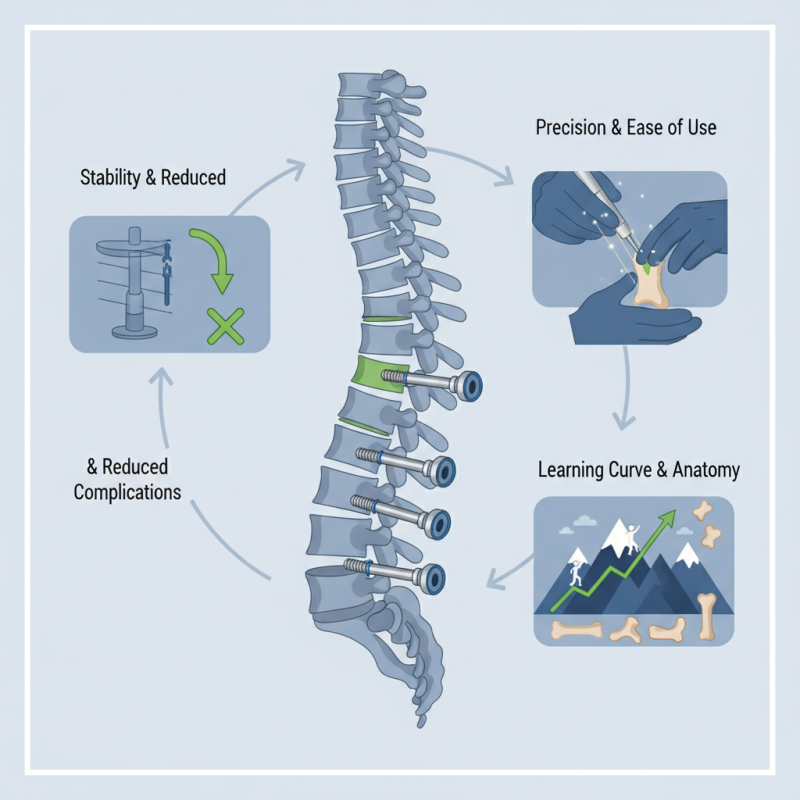
Monoaxial Pedicle Screws have revolutionized spinal surgery. Dr. Emily Wang, a renowned orthopedic surgeon, emphasizes their importance, saying, “These screws improve stability and reduce complications.” Surgeons now rely on them for various spinal procedures.

The use of Monoaxial Pedicle Screws requires careful consideration. Proper placement is essential for ensuring patient safety. Many surgeons praise the ease of use of these screws in complex cases. Yet, there are challenges, including anatomical variations among patients. These factors can complicate the insertion process.

Despite their advantages, the learning curve can be steep. New surgeons may face difficulties early on. It’s crucial to practice and refine techniques. Understanding the nuances of Monoaxial Pedicle Screws can lead to better outcomes. Each surgery presents unique challenges that require thoughtful reflection and continuous learning.
Ultimate Tips for Using Monoaxial Pedicle Screws?

Understanding Monoaxial Pedicle Screws: An Overview of Their Use

Monoaxial pedicle screws have gained popularity in spinal surgery. They provide stability in the thoracic and lumbar spine. In recent studies, these screws have shown a success rate exceeding 90% in reducing spinal deformities. They are particularly effective in conditions like scoliosis and adjacent segment disease.

These screws offer several advantages. Their design allows for angular adjustments, improving the overall alignment. Nevertheless, challenges exist. Surgeons must ensure proper placement to avoid neurovascular complications. A report highlighted that incorrect screw placement occurs in about 10% of cases. This emphasizes the need for precision.

Surgeons increasingly rely on imaging technologies. Fluoroscopy and intraoperative CT scans enhance screw accuracy. However, over-reliance on technology can lead to complacency. Not all cases require advanced imaging. Some surgeons still prefer traditional methods. This debate reflects the evolving landscape of spinal surgery. It highlights the need for ongoing training and skill refinement.

Ultimate Tips for Using Monoaxial Pedicle Screws

Tip Description Benefits Considerations
Choose the Right Instrument Select the correct devices for insertion based on patient anatomy. Improves accuracy and reduces surgical time. Ensure compatibility with existing surgical tools.
Proper Screw Placement Use imaging techniques to visualize screw positioning. Increases stability and reduces risk of complications. Requires skilled interpretation of imaging results.
Assess Bone Quality Evaluate the density and structure of the bone prior to surgery. Enhances screw retention and overall fixation. May need to adjust surgical strategy based on findings.
Plan Postoperative Care Establish a clear rehabilitation protocol for recovery. Promotes better outcomes and minimizes recovery time. Patient compliance and follow-up are essential.
Monitor for Complications Regularly check for signs of infection, misalignment, or failure. Early detection prevents serious complications. Requires thorough training and awareness from staff.

Indications for Monoaxial Pedicle Screws in Spinal Surgery

Monoaxial pedicle screws have become a common choice in spinal surgery. Their versatility makes them suitable for various conditions. These screws are ideal for correcting spinal deformities. They are also effective in stabilizing the spine after a fracture. Surgeons often prefer them for their ease of use. This simplicity can enhance surgical efficiency.

Indications for using monoaxial pedicle screws include spondylolisthesis and degenerative disc disease. Patients with scoliosis may also benefit from these screws. They provide strong fixation, which is crucial in these situations. However, their use isn’t without challenges. Not all patients may achieve the desired outcome. Accurate placement is essential to avoid complications. Surgeons must evaluate each case thoroughly. They must consider risks alongside the benefits.

Some surgeons might overlook the nuances of screw placement. This oversight can lead to issues like nerve injury or inadequate stabilization. Continuous education and experience play vital roles in mastering their use. Reflecting on past surgeries can help improve techniques. Mistakes can teach valuable lessons in spinal surgery. Adjusting strategies based on these lessons is crucial for better patient outcomes.

Step-by-Step Techniques for Implanting Monoaxial Pedicle Screws

When implanting monoaxial pedicle screws, precision is key. Start by assessing the anatomy. Use imaging studies to determine screw trajectory. Mark the entry points clearly on the skin. This helps in visualizing the path before making an incision.

During surgery, maintain a steady hand. A common mistake is misalignment of the screw. To avoid this, feel for the bony landmarks. Use fluoroscopy for real-time feedback. It’s crucial to check screw placement repeatedly. Sometimes, screws can seem right but are not.

Tissue handling is also important. Gentle retraction minimizes damage. After placement, inspect the screws for security. Don’t rush this step; a loose screw can lead to complications.

Remember, practice makes perfect, but always reflect on past surgeries for improvement. Each case provides valuable lessons.

Post-Operative Care and Management of Patients with Monoaxial Screws

Post-operative care for patients with monoaxial pedicle screws is crucial for optimal recovery. Research indicates that proper management can significantly reduce complications. According to a recent study, patients who received thorough post-operative education experienced a 30% decrease in readmission rates. Nurses and healthcare providers should prioritize patient education regarding activity restrictions. Clear communication about movements to avoid will aid recovery.

Tips: Encourage patients to maintain a log of their symptoms. This helps in identifying any changes that may need immediate attention. Regular follow-ups should assess pain levels and functionality. This proactive approach can prevent minor issues from escalating into serious problems.

Nutrition also plays a vital role in recovery. A well-balanced diet is essential for healing. Some patients may neglect their nutritional needs during recovery. Dehydration or insufficient protein intake can delay healing times. Remind patients to stay hydrated and consume adequate protein. Monitoring daily intake can make a significant difference. Noticing patterns in their diet can reveal areas for improvement. It’s essential to keep an open dialogue about their health and dietary choices during follow-ups.

Challenges and Complications Associated with Monoaxial Pedicle Screws

When using monoaxial pedicle screws, many challenges may arise. One common issue is misplacement, which can lead to serious complications. Accurate placement is crucial. This may require advanced imaging techniques or intraoperative navigation. Surgeons need to be vigilant and assess their positioning frequently.

In addition to placement errors, there's the risk of mechanical failure. The monoaxial design has limitations. Some surgeons report that these screws may not provide the necessary stability for all patients. Consideration of bone quality is important. Poor bone density can exacerbate the risks of screw pullout.

Here are a few tips to enhance your approach:

  • Always double-check your measurements before insertion.
  • Take your time; rushing can lead to mistakes.
  • Use available imaging technologies to confirm screw trajectory.
  • Understanding the anatomy is key.
  • Stick to standard practices while being open to adjustments based on individual cases.

The journey with monoaxial pedicle screws can be rewarding, but it requires careful planning and ongoing reflection on each procedure.

FAQS

: What is the first step in implanting monoaxial pedicle screws?

: Assess the anatomy and use imaging studies for screw trajectory.

How can I avoid misalignment during screw placement?

Feel for bony landmarks and use fluoroscopy for real-time feedback.

Why is tissue handling important during surgery?

Gentle retraction minimizes damage and supports better healing.

What should I inspect after screw placement?

Check the screws for security to prevent complications.

How can post-operative care improve recovery?

Proper management reduces complications and supports optimal recovery.

What role does nutrition play in recovery?

A well-balanced diet is essential; hydration and protein intake matter.

How can patients track their recovery progress?

Encourage them to maintain a log of symptoms for monitoring.

What happens if a patient neglects nutritional needs?

It can delay healing times, affecting their overall recovery.

How crucial is patient education post-surgery?

Clear communication about activity restrictions aids recovery significantly.

What can be learned from past surgeries?

Reflecting on each case offers valuable lessons for future procedures.

Conclusion

Monoaxial Pedicle Screws are increasingly utilized in spinal surgery due to their effectiveness in providing stabilization and support to the spine. This article provides a comprehensive overview, starting with the fundamental understanding of Monoaxial Pedicle Screws and their indications in various spinal conditions. It outlines step-by-step techniques for proper implantation, highlighting the importance of precision and surgical skill.

Furthermore, the article emphasizes the significance of post-operative care and management to ensure optimal recovery for patients with Monoaxial Pedicle Screws. It also addresses potential challenges and complications associated with their use, offering insights into how these issues can be navigated to enhance patient outcomes. Overall, the use of Monoaxial Pedicle Screws represents a critical advancement in spinal surgical practices, promising better stability and recovery trajectories for patients.

Sienna

Sienna

Sienna is a skilled marketing professional with a deep expertise in our company’s core products and services. With a passion for innovation and detail, she plays a pivotal role in crafting insightful blog posts that not only highlight the unique features of our offerings but also provide valuable......