What is the Typical Warranty Period for Orthopedic Implants?

Time:2026-05-13 Author:Sophia
0%

When considering orthopedic implants, a common question arises: "What is the typical warranty period for orthopedic implants?" Dr. Emily Johnson, a renowned orthopedic surgeon, emphasizes the importance of understanding warranties. She states, “Knowing the warranty can impact patient decisions and expectations.”

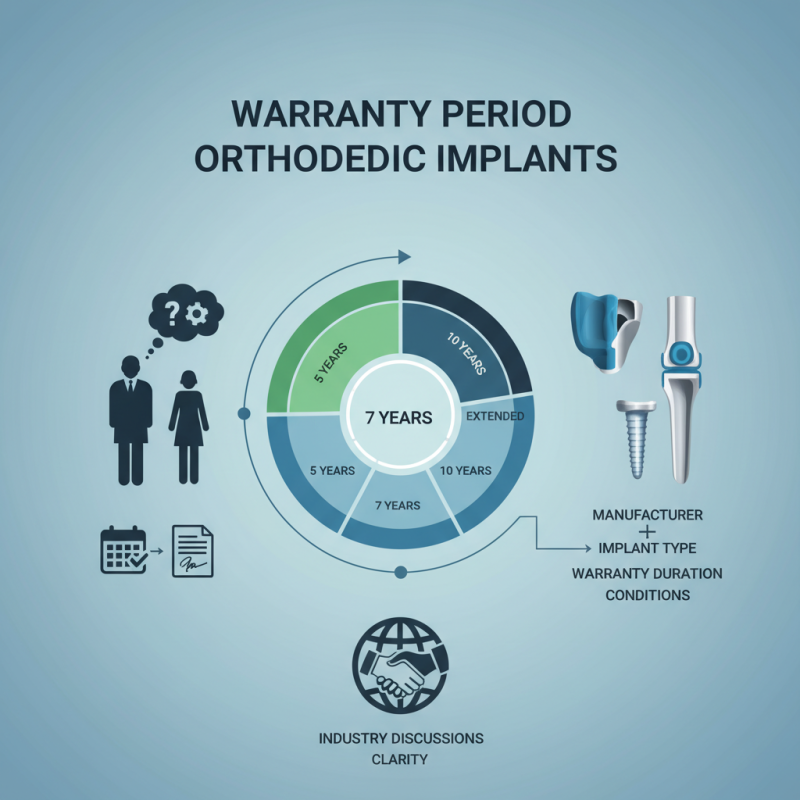
Warranties for orthopedic implants vary widely. Most manufacturers offer warranties ranging from five to ten years. However, some advanced materials may have extended warranties. This variability often leads to confusion among healthcare providers and patients alike. Transparency about these warranties is crucial for informed healthcare choices.

Patients should not only examine the warranty period but also the conditions that apply. Some warranties may require specific usage or adherence to follow-up visits. Understanding these details can help manage expectations and ensure proper care. As the industry evolves, ongoing discussions about warranty standards are essential. This conversation highlights the need for clarity in the orthopedic field.
What is the Typical Warranty Period for Orthopedic Implants?

Typical Warranty Periods Across Different Orthopedic Implants

Orthopedic implants are crucial for many patients recovering from injuries or surgeries. The warranty periods for these devices often vary significantly. For instance, joint implants generally have warranties ranging from 10 to 20 years. This reflects the manufacturers' confidence in the longevity of their products.

Spinal implants may offer shorter warranties, typically between 5 to 15 years. The complexity of spinal surgeries contributes to this range. It's essential for patients to understand these periods. Sometimes, warranties can be influenced by factors like the type of surgery and specific materials used.

Patients should check the details of their specific implants. It is common for discussions about warranties to be overlooked during consultations. This often leads to misunderstandings later. Understanding these warranties can help patients make informed choices about their healthcare. Engaging with healthcare providers about warranties is a crucial step toward better outcomes.

Factors Influencing Warranty Duration for Orthopedic Devices

The warranty period for orthopedic implants generally ranges from 5 to 10 years. However, several factors can influence this duration. The type of implant, materials used, and the specific surgical procedures all play a crucial role. For instance, implants made from advanced materials may come with longer warranties due to their durability.

Patient factors also impact warranty duration. A patient’s age, weight, and activity level can affect how long an implant functions optimally. Younger patients engaged in high-impact sports may encounter issues faster than older adults with sedentary lifestyles. Surgeons must consider these elements when discussing warranties, making it a case-by-case decision.

Additionally, technological advancements in orthopedic devices shift warranty expectations. As new materials and designs emerge, warranties may become more complex. Industry standards may evolve, leaving some patients questioning the longevity of their implants. It’s essential for patients to communicate openly with their healthcare providers. Understanding these nuances is crucial for making informed decisions regarding orthopedic care.

What is the Typical Warranty Period for Orthopedic Implants? - Factors Influencing Warranty Duration for Orthopedic Devices

Type of Orthopedic Implant Typical Warranty Period Influencing Factors
Hip Implants 10-15 years Material quality, patient activity level, surgical technique
Knee Implants 10-15 years Usage frequency, weight of the patient, implant design
Shoulder Implants 5-10 years Age, overall health, surgical approach
Spinal Implants 5-10 years Bone integration, type of material, complications during surgery
Fracture Fixation Devices 1-5 years Severity of fracture, healing rate, implant stability

Statistical Analysis of Warranty Claims in Orthopedic Implants

The warranty period for orthopedic implants typically ranges from 5 to 30 years, depending on the type and material used. A statistical analysis of warranty claims reveals interesting trends. Research indicates that about 10% of implants may fail within the first two years of use. Various factors contribute to these failures, including surgical technique, patient activity level, and even the material properties of the implants themselves.

Studies show that 70% of warranty claims arise from complications related to incorrect sizing. Proper pre-operative planning can significantly reduce these issues. Additionally, the type of implant influences the durability. Metal implants often have longer lifespans compared to polymer-based ones. A recent study also highlighted that multi-faceted implants could lower the risk of complications by 25%, leading to fewer warranty claims.

Tip: When dealing with orthopedic implants, always seek a thorough consultation with your surgeon. Ask questions about the materials and expected longevity of the implant.

Tip: Keep a record of your activity levels post-surgery. Overexertion can lead to complications and possibly affect warranties.

Understanding these factors will help patients make informed decisions and enhance their post-operative experience.

Variability of Warranty Terms by Manufacturer and Product Type

The warranty period for orthopedic implants varies widely among manufacturers and product types. Reports indicate that most warranties range from five to ten years, but some implants may have shorter or longer terms. For instance, joint replacements typically come with a ten-year warranty, reflecting their complex design and high cost. Yet, some implantable devices have warranties as brief as one year, often linked to the materials used.

Variability in warranty terms often stems from manufacturer policies and specific product characteristics. A study showed that 60% of orthopedic implants include specific conditions that could void warranties, such as improper installation or use. This highlights the importance of understanding warranty details before surgery. Consequently, healthcare providers must stay updated on these variations to offer informed recommendations. The complexity of these warranties can lead to confusion for patients, necessitating transparency from manufacturers.

These inconsistencies raise questions about the reliability of warranties. For instance, not all patients require lengthy warranties if they have healthy lifestyles. Conversely, patients with higher activity levels might need more robust assurances. Understanding these differences helps in making better-informed decisions about implant choices and surgical options. It’s essential for both patients and healthcare providers to critically evaluate warranty conditions to avoid potential disappointments later on.

Comparison of Warranty Policies in Orthopedic Implants Globally

When evaluating warranty policies for orthopedic implants, many factors come into play. In various regions, warranty periods can differ significantly. For example, some countries offer warranties of just one year, while others may extend it up to ten years. This discrepancy often raises questions about product durability and manufacturer reliability.

Countries like the United States and European nations typically provide longer warranty periods. They emphasize thorough testing and quality assurance. However, in some developing nations, shorter warranties seem common. This could suggest a lack of rigorous standards in implant manufacturing. Patients should be aware of these differences and consider them when choosing implants.

Healthcare professionals often find themselves navigating these varying warranty policies. Some implants come with comprehensive support, while others do not. Transparency with patients is crucial. Clear communication regarding warranty terms builds trust. Yet, it is not uncommon for patients to express concerns about the adequacy of these warranties. As the industry evolves, it’s essential for manufacturers to reflect on these policies, ensuring they meet the needs of patients effectively.

FAQS

: What is the typical warranty period for orthopedic implants?

: Warranty periods usually range from 5 to 20 years, depending on the type of implant.

Why do spinal implants often have shorter warranty durations?

Spinal implants typically have shorter warranties, usually 5 to 15 years, due to surgery complexity.

What factors influence the warranty duration for orthopedic implants?

Factors include implant type, materials used, and specific surgical procedures performed.

How do patient factors affect implant warranties?

A patient's age, weight, and activity level can impact how long an implant works properly.

Do warranty policies differ across regions?

Yes, warranties vary globally; some countries offer as little as one year, while others may extend to ten years.

How do technological advancements affect warranty expectations?

New materials and designs alter warranties, leading to more complex expectations in the orthopedic field.

What should patients do to understand their implant warranties better?

Patients should engage with healthcare providers about warranty details during consultations.

Is trust between patients and healthcare professionals important regarding warranties?

Yes, clear communication about warranties builds trust and reduces misunderstandings.

Can patients express concerns about warranty adequacy?

It's common for patients to have concerns; they should feel comfortable discussing these with their doctors.

How can patients make informed decisions about orthopedic implants?

By understanding warranty details and discussing factors with their healthcare providers.

Conclusion

The article titled "What is the Typical Warranty Period for Orthopedic Implants?" explores the varying warranty periods associated with different orthopedic devices. It highlights that typical warranty durations can range from several years to a lifetime, depending on the type of implant and the manufacturer. Factors such as the device's design, materials used, and clinical usage can significantly influence warranty length.

Additionally, the article presents a statistical analysis of warranty claims, illustrating trends and common issues faced by patients. Variability in warranty terms by manufacturer is also examined, showing how different policies can affect patient outcomes. The comparison of warranty policies globally reveals that there is no uniform standard, making it crucial for patients and healthcare providers to understand the specifics of warranties when considering orthopedic implants.

Sophia

Sophia

Sophia is a dedicated marketing professional with an exceptional depth of knowledge about her company's products and services. With a keen understanding of market trends and customer needs, she crafts insightful blog posts that not only inform but also engage readers, enriching the company’s online......