Orthopedic implants support procedures involving joints, bones, and soft tissue, but purchasing them requires more than comparing prices. Hospitals, clinics, and distributors must consider product suitability, documentation, delivery reliability, and ongoing support. Payment flexibility can also matter, especially when large orders strain budgets or procurement schedules. Still, a generous payment offer does not prove that an implant meets clinical needs. Details matter.
This guide introduces ten orthopedic implant suppliers to help readers compare available options and ask better questions. How to find orthopedic implants suppliers with flexible payment terms depends on the buyer’s needs, location, order size, and supplier policies. Some suppliers may discuss staged payments or negotiated schedules; availability and conditions can vary. Confirm every term in writing, including fees, due dates, shipping costs, warranty coverage, and return procedures. Not always obvious.
A careful review should also check product specifications, quality-system information, applicable regulatory documentation, and the supplier’s service record. Ask for current documents rather than relying only on marketing claims. Compare equivalent products where possible, and involve qualified clinical and procurement professionals before making decisions. A low quote may exclude important services. A polished website may leave unanswered questions. This comparison cannot replace independent due diligence, and supplier details can change. Use the list as a starting point, then verify each company’s credentials, product availability, and payment terms directly.
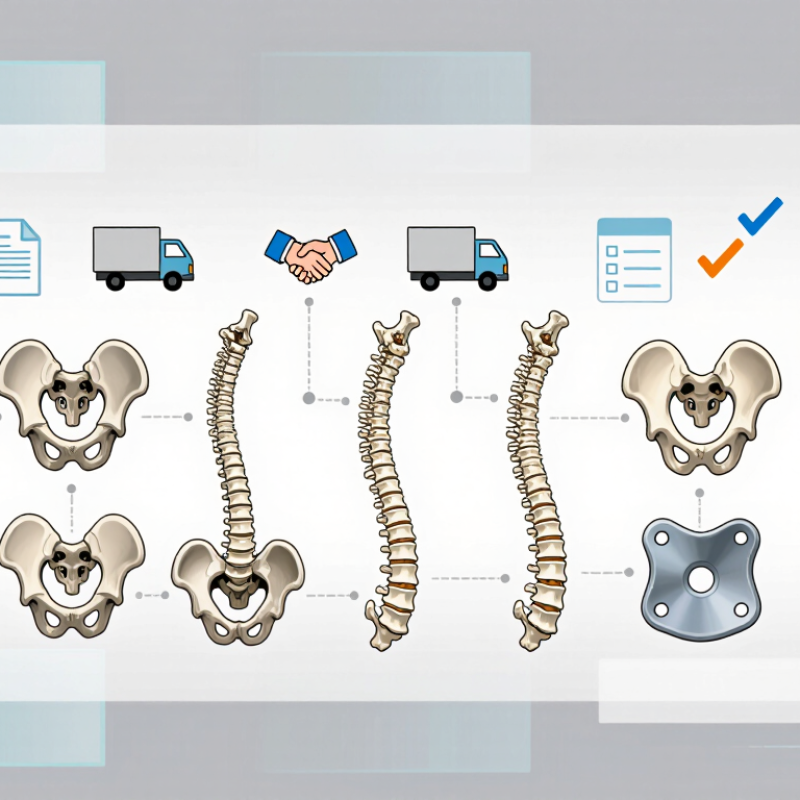
Orthopedic Implant Basics: Hip, Knee, Spine, and Trauma Device Categories
Orthopedic implants cover several distinct clinical needs.
Hip devices replace damaged joint surfaces and restore walking stability. Knee systems address worn cartilage, alignment, and load distribution. Spinal devices support fusion, decompression, or motion preservation. Trauma implants stabilize fractures with plates, screws, nails, and external frames.
The World Health Organization reports that musculoskeletal conditions affect about 1.71 billion people worldwide.
Demand is therefore broad, but treatment decisions remain highly individual.
Hip and knee replacement systems require accurate sizing, durable materials, and careful soft-tissue balancing. The 2024 American Joint Replacement Registry report tracks more than three million hip and knee procedures, highlighting the scale of joint reconstruction. Spine implants face different pressures, including bone quality, alignment, and changing neurological symptoms.
A 2023 Lancet Rheumatology analysis projected global low-back-pain cases could reach 843 million by 2050.
That forecast is significant. It is not a reason to implant more devices.
Trauma products often need rapid availability, clear instrumentation, and compatibility with varied anatomy. Hospitals should compare fixation strength, sterilization processes, clinical evidence, and revision data. Payment flexibility can also matter, especially for smaller facilities managing unpredictable trauma volumes.
Structured installments or staged purchasing may protect cash flow, but financing terms require careful review.
A low initial price can hide service, training, or replacement costs. No category is simple. Metrics differ across reports, and registry data may not represent every patient or healthcare system.
WHO: 1.71 Billion People Live with Musculoskeletal Conditions
Top 10 Orthopedic Implant Suppliers With Flexible Payments
WHO estimates that 1.71 billion people live with musculoskeletal conditions worldwide. This figure includes arthritis, fractures, back pain, and mobility-limiting injuries. Behind every number is a patient who may struggle with stairs, work, or sleep. Some need an implant after trauma. Others require joint replacement after years of deterioration.
Orthopedic implant suppliers can support hospitals through staged payments, leasing arrangements, or negotiated purchasing schedules. These options may help smaller clinics manage surgery costs without delaying essential treatment.
A procurement team should examine implant quality, sterilization records, clinical evidence, and delivery reliability. Payment flexibility matters, but it cannot replace safety. A cheaper contract may create hidden costs through delays, revisions, or limited technical support.
In practice, surgeons also need consistent sizing, clear instrument instructions, and dependable follow-up service. A hospital may receive implants on time but lack training for a complex procedure. That gap can affect patient confidence and operating-room efficiency.
Suppliers should explain warranty terms, replacement policies, and total ownership costs in plain language.
I may be too optimistic about flexible financing. It only helps when contracts remain transparent and clinically appropriate. Patient needs must stay visible during every purchasing discussion.
Top 10 Supplier Comparison: Product Range, Global Reach, and Quality Credentials
Top 10 Orthopedic Implant Suppliers With Flexible Payments
A credible top-ten comparison should examine more than payment terms. Product range matters because hospitals often need trauma plates, joint replacement systems, spinal implants, and surgical instruments from one supply network. However, broader catalogs do not always mean better clinical support. I would check implant indications, sizing options, material specifications, and instrument compatibility against actual operating-room needs.
Global reach also deserves close attention. Strong suppliers usually provide regional service teams, multilingual documentation, predictable lead times, and local inventory. Ask how they manage recalls, replacement parts, and urgent orders across different markets. Quality credentials may include ISO 13485 certification, documented sterilization controls, material traceability, and applicable regulatory registrations. Certificates alone are not enough. Review audit records, complaint handling, and post-market surveillance data where available.
Flexible payments can reduce procurement pressure through staged invoices, volume-based schedules, or agreed credit periods. These arrangements should remain clear and contractually documented. A lower initial price may hide training fees, freight costs, or delayed support. No ranking is perfect. Supplier performance can change by region, product line, and distributor quality. I would request recent hospital references, sample technical files, and a complete landed-cost comparison before approving a long-term agreement.
Flexible Payment Options: Net Terms, Leasing, Consignment, and Total Cost
Choosing among the top 10 orthopedic implant suppliers requires more than comparing unit prices. Payment design can protect cash flow while preserving clinical readiness. CMS reported U.S. national health spending of $4.9 trillion in 2023, equal to 17.6% of GDP. That pressure reaches orthopedic purchasing teams.
Net terms, such as 30, 60, or 90 days, can align invoices with reimbursement cycles. Leasing may reduce upfront costs for navigation equipment, instrument sets, or sterilization assets. Consignment keeps selected implants available without immediate ownership. However, unused stock, replenishment rules, insurance, and return windows must be written clearly. Small clauses matter. The OECD’s Health at a Glance 2023 reported average health spending at 9.2% of GDP across OECD countries in 2022. Buyers should compare financing against the full operating budget, not one purchase order.
Total cost includes acquisition, freight, storage, trays, sterilization, training, revisions, and disposal. A lower implant price may hide expensive inventory commitments. A higher price may include better forecasting support. Maybe. That assumption needs evidence. Request five-year usage scenarios, service-level data, warranty terms, and audited quality documentation. Review payment triggers after delivery and acceptance testing. Experienced teams can score suppliers on cash impact, clinical continuity, and traceability. Finance and surgeons should review the same worksheet. Otherwise, a “flexible” deal may simply move costs elsewhere.
Market Outlook: WHO Projects 1 in 6 People Aged 60+ by 2030
By 2030, one in six people worldwide will be aged 60 or older, according to the World Health Organization. The United Nations projects about 1.4 billion people in this age group by then. Ageing populations will increase demand for hip, knee, spinal, and trauma implants. The pressure is already visible. WHO reports that approximately 1.71 billion people live with musculoskeletal conditions.
For hospitals, choosing among the top 10 orthopedic implant suppliers involves more than implant design. Payment flexibility can affect inventory planning, cash flow, and patient access. Options may include staged payments, volume-based terms, or financing linked to delivery milestones. Clear contracts matter. Hidden fees do not.
Procurement teams should examine clinical evidence, regulatory documentation, sterilization controls, and post-market surveillance records. The OECD Health Statistics database shows wide differences in joint-replacement activity across countries, reflecting unequal access and healthcare capacity. Suppliers should therefore explain training support, revision policies, and supply continuity in practical terms. Flexible payment terms are helpful, but they cannot replace product quality or surgeon experience. Forecasts are not promises. Demographic growth may accelerate demand, yet reimbursement changes and hospital budgets remain difficult to predict. Some purchasing models still look attractive on paper but fail during urgent, high-volume periods.
Global Population Aged 60+ and Orthopedic Implant Market Outlook
The World Health Organization projects that 1 in 6 people worldwide will be aged 60 or older by 2030.
This demographic shift is expected to support long-term demand for orthopedic procedures and implants,
while flexible payment options may improve access to treatment.
Data source: World Health Organization, “Ageing and health” fact sheet. Global population aged 60+:
approximately 1.0 billion in 2020, 1.4 billion by 2030, and 2.1 billion by 2050.
Conclusion
Orthopedic implants support the treatment of musculoskeletal conditions affecting the hip, knee, spine, and trauma-related injuries. With an estimated 1.71 billion people living with musculoskeletal conditions worldwide, demand for reliable devices continues to grow. This overview explains the main implant categories and compares ten types of suppliers by product range, international distribution capabilities, manufacturing quality credentials, regulatory readiness, and clinical support.
It also examines How to find orthopedic implants suppliers with flexible payment terms, including net payment arrangements, equipment leasing, consignment inventory, and cost models that consider training, logistics, maintenance, and long-term outcomes. These options can help hospitals and clinics manage cash flow while maintaining access to essential products. As the global population ages, with the WHO projecting that one in six people will be aged 60 or older by 2030, healthcare organizations will increasingly value dependable supply, transparent pricing, and adaptable purchasing solutions.

 Daher Orthopedic Implants