China’s orthopedic implant market includes many established suppliers, but shipping costs vary more than product catalogues suggest. A factory in Jiangsu may quote a lower unit price, while a supplier near Shenzhen may offer faster air freight. Distance matters, but it is only one factor.
This guide examines ten orthopedic implant suppliers and the logistics details behind their quotes. It considers product weight, package dimensions, shipment volume, transport mode, destination, insurance, and customs documentation. Small titanium screws may travel in compact cartons, while joint replacement systems require stronger protective packaging. Sterile products may also need careful handling and traceable documentation. Every detail affects the landed cost.
The key question is: How to compare the shipping costs of different orthopedic implants suppliers. Buyers should request comparable quotations using the same delivery address, Incoterm, quantity, and transport method. Ask suppliers to separate freight, insurance, export handling, destination charges, and possible customs fees. Do not compare a factory-gate price with a delivered price. That mistake is common.
Experience shows that the cheapest freight line can create delays when documents are incomplete. A reliable supplier should explain packaging standards, shipment tracking, estimated transit time, and after-sales responsibility. Verify certificates and product information through appropriate regulatory channels. Published “top ten” lists can also be incomplete. This comparison is useful, but not perfect. Freight rates change weekly, and final charges depend on the destination. Careful buyers should confirm every figure before placing an order.
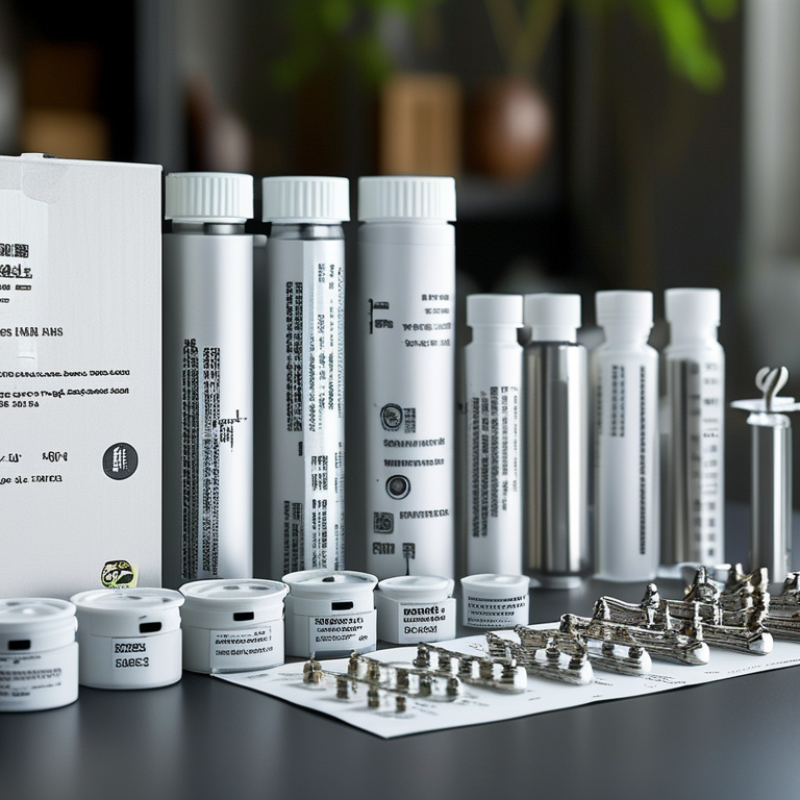
Shipping costs for orthopedic implants from China depend on more than the supplier’s quoted freight rate. Product weight, carton dimensions, destination, transport mode, and shipment frequency all matter. A small titanium screw set may be light, but its protective packaging can create higher dimensional weight. That detail often surprises new buyers.
Packaging is critical. Implants usually need clean, secure, and traceable protection during handling. Sterile products may require stricter packaging controls and additional documentation. Air freight offers speed, while sea freight lowers cost for larger orders. However, urgent hospital schedules can make air transport commercially reasonable. Customs clearance, insurance, port handling, and delivery to the final facility should be listed separately. Otherwise, a low quote can hide a high landed cost.
Incoterms also change the calculation. Under one arrangement, the buyer handles import clearance and local delivery. Under another, the supplier coordinates more steps, but the price may include wider risk coverage. Ask for a detailed quotation showing product dimensions, gross weight, shipping method, declared value, and destination charges. Request recent shipment examples when possible. Estimates still move. Fuel prices change, cartons are redesigned, and customs inspections can delay delivery. I have found that dimensional weight is easy to overlook, even when the product itself is compact. A careful buyer should compare at least two transport scenarios and confirm documentation requirements with a qualified customs professional.
| Benchmark Profile | Destination Zone | Typical Shipment | Recommended Mode | Estimated Freight Cost | Transit Time | Main Cost Drivers |
|---|---|---|---|---|---|---|
| Profile 01 | United States | 20 kg; 0.10 m³; sterile-packaged implants | Express courier | US$280–480 | 4–8 days | Chargeable weight, fuel surcharge, residential or remote-area fees |
| Profile 02 | Canada | 15 kg; 0.08 m³; non-hazardous medical devices | Air freight | US$190–350 | 6–12 days | Airport handling, documentation, customs brokerage and security fees |
| Profile 03 | Germany and Central Europe | 25 kg; 0.12 m³; boxed implant components | Express courier | US$300–520 | 4–7 days | Dimensional weight, import clearance, VAT advance and delivery area |
| Profile 04 | United Kingdom | 10 kg; 0.06 m³; small urgent order | Priority air express | US$220–390 | 3–6 days | Minimum courier charge, customs entry, insurance and peak-season surcharge |
| Profile 05 | Australia and New Zealand | 20 kg; 0.10 m³; regular replenishment order | Consolidated air freight | US$240–430 | 7–14 days | Long-haul rate, destination handling, biosecurity processing and remote delivery |
| Profile 06 | Japan and South Korea | 30 kg; 0.15 m³; routine commercial shipment | Air freight | US$160–300 | 4–9 days | Short-haul air rate, airport fees, export paperwork and customs service |
| Profile 07 | United Arab Emirates and Gulf Region | 40 kg; 0.20 m³; temperature-protected packaging | Air cargo | US$260–470 | 6–12 days | Cargo screening, destination handling, customs paperwork and special packaging |
| Profile 08 | Southeast Asia | 50 kg; 0.25 m³; monthly replenishment order | Sea LCL | US$180–360 | 12–24 days | LCL minimum charge, origin consolidation, port fees and destination deconsolidation |
| Profile 09 | Brazil and South America | 35 kg; 0.18 m³; regulated medical shipment | Air cargo | US$390–720 | 10–20 days | Long distance, import licensing, customs brokerage and local delivery complexity |
| Profile 10 | Africa | 25 kg; 0.12 m³; low-frequency shipment | Air express or air cargo | US$420–850 | 10–22 days | Limited flight capacity, destination handling, customs clearance and inland transport |
: Compare materials, dimensions, surface treatments, instruments, technical files, sterilization details, and traceability records. Product fit matters.
No. Compare quality, delivery reliability, documentation, service, and total landed cost. Cheap can become expensive.
Request certificates, recent inspection reports, audit dates, complaint records, and manufacturing scope. Certificates alone prove little.
Send identical quantities, packaging requirements, delivery terms, destination ports, and document requirements. Otherwise, comparisons mislead.
Ask for carton dimensions, gross weight, chargeable weight, transit time, insurance, customs handling, and local delivery charges. Request itemized costs.
Protective packaging may occupy considerable space. Carriers often calculate dimensional weight instead of actual weight. Small does not mean cheap.
Air freight suits urgent surgical schedules and time-critical cases. Sea freight usually costs less for planned inventory. Speed has a price.
Measure packed shipments, consolidate compatible orders, compare transport modes, and request accurate packaging information. Plan earlier.
Fuel surcharges, exchange-rate changes, insurance, terminal fees, storage, inspections, and documentation charges may appear later. My first estimate was too optimistic.
No. Use weighted criteria for quality, regulatory readiness, service, delivery, and landed cost. Leave room for uncertainty. No scorecard is perfect.
Shipping costs for orthopedic implants from China depend on more than the supplier’s quoted freight rate. Key factors include implant size and weight, shipment volume, destination, transport mode, delivery speed, packaging requirements, insurance, customs procedures, and applicable medical-device documentation. Protective packaging and temperature or moisture controls may increase costs, while accurate product classification and complete compliance records can help prevent delays, storage fees, and unexpected charges. Comparing suppliers also requires reviewing their production capacity, export experience, quality systems, and ability to provide consistent shipping documentation.
When evaluating the top Chinese orthopedic implant suppliers, buyers should request itemized quotations covering product prices, packaging, handling, freight, insurance, customs-related charges, and final delivery. The question “How to compare the shipping costs of different orthopedic implants suppliers” should be answered by using the same shipment specifications and delivery terms for every quotation. Consolidating orders, selecting suitable transport methods, improving package efficiency, planning shipments in advance, and negotiating clear delivery responsibilities can reduce total expenses while maintaining reliable and compliant delivery.

 Daher Orthopedic Implants