How to Prevent Delays When Ordering Orthopedic Implants Internationally?

Time:2026-05-07 Author:Amelia
0%

Ordering orthopedic implants from overseas can present challenges. Understanding how to avoid delays when ordering orthopedic implants from overseas suppliers is crucial. Delays can impact patient care and hospital operations.

One must navigate various factors that contribute to delays. Different regulations, customs processes, and supplier reliability play significant roles. A well-planned approach is necessary. Selecting a reputable supplier with a solid track record can mitigate risks. Communication is vital. Clear dialogue with suppliers ensures everyone is on the same page.

Preparing for unexpected issues is essential. Sometimes, even with the best planning, delays happen. Evaluating past experiences can reveal patterns and weaknesses. Creating contingency plans for potential delays strengthens the overall process. Ultimately, attention to detail and proactive strategies can lead to timely, successful ordering of orthopedic implants from international sources.
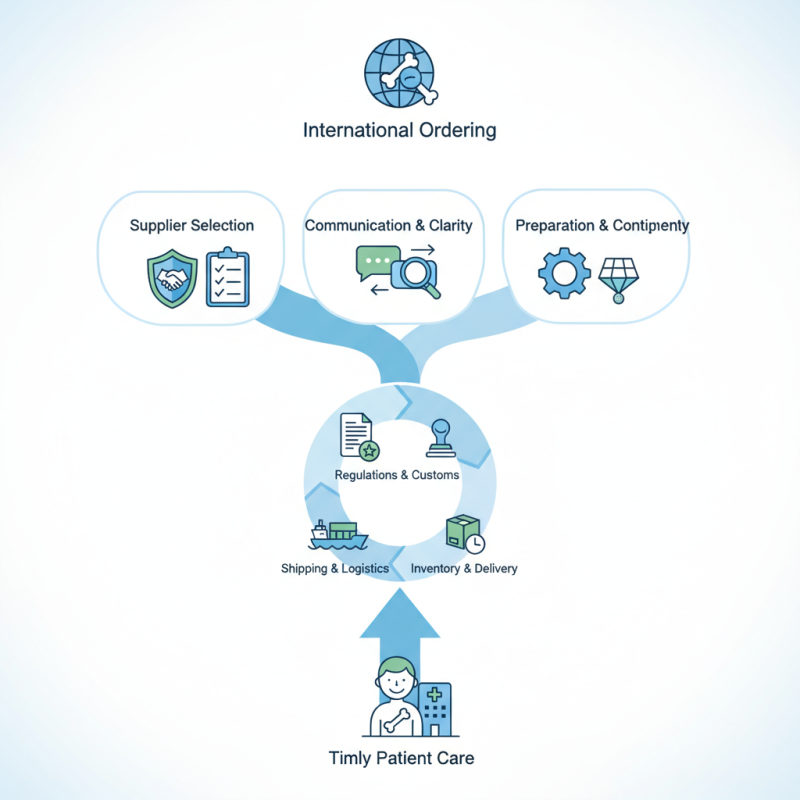
How to Prevent Delays When Ordering Orthopedic Implants Internationally?

Understanding the Global Supply Chain for Orthopedic Implants

The global supply chain for orthopedic implants is intricate and often unpredictable. Various factors affect the timely delivery of products, from manufacturing processes to transportation logistics. Key suppliers may face production delays due to equipment malfunctions or raw material shortages. Such disruptions can lead to extended wait times for hospitals and clinics.

Coordination among stakeholders is crucial. Distributors need accurate forecasts to manage inventory effectively. A lack of communication can result in overstocking or stockouts, both of which are costly. Additionally, understanding customs regulations and tariffs in different countries can complicate international orders. Companies must invest time in training staff about these regulations and establish strong relationships with customs agents.

Every group involved in the supply chain holds responsibility. Sometimes, a single misstep can ripple through the entire chain, causing delays. Reflection on past experiences shows that proactive planning often mitigates potential issues. However, not every delay can be anticipated, and adaptability becomes essential in these scenarios. Understanding the complexities of the global market allows organizations to make informed decisions, ultimately improving efficiency.

Identifying Key Factors That Cause Delays in Ordering

Ordering orthopedic implants internationally presents unique challenges. Delays often stem from various factors that can disrupt the entire supply chain. According to a report by the World Health Organization, 30% of surgical complications arise from delays in accessing necessary implants. These complications highlight the urgency for improved logistics and clear communication channels.

Customs regulations can create significant hold-ups. Each country may have specific import laws related to medical devices, which can vary widely. A study published in the Journal of Orthopedic Research found that around 15% of international shipments are delayed due to customs inspections. This unpredictability makes timely delivery difficult. Additionally, miscommunication between suppliers and healthcare providers accounts for 20% of delays, as outlined by a recent survey in the medical device industry.

Another critical aspect involves inventory management. A lack of foresight can lead to shortages. Data show that 25% of healthcare facilities report running out of essential implants due to poor forecasting. This reflects broader trends within the industry about preparing for global demand fluctuations. A focus on real-time tracking and data analytics could mitigate some of these issues, ensuring that facilities receive needed implants without unnecessary delays.

Choosing Reliable Suppliers for International Orders

When ordering orthopedic implants internationally, selecting reliable suppliers is crucial. A recent report from the Orthopedic Market Research indicates that 30% of delays stem from issues with the procurement process. Ensuring that your supplier has a proven track record can mitigate these challenges. Reliable suppliers typically offer transparent communication, timely delivery, and compliance with international standards. A supply chain with frequent disruptions can lead to increased costs and patient dissatisfaction.

Choosing a supplier requires comprehensive research. Look for partnerships with established hospitals or industry leaders. Supplier audits can reveal important information about their quality assurance practices. In a survey, 65% of respondents noted that recent experiences with suppliers directly affect their choice for future orders. Focus on suppliers who provide detailed documentation and support. This adds an extra layer of reliability to your procurement process.

Yet, it’s important to acknowledge potential gaps. Not every reputable supplier will meet your specific needs. Some suppliers may lack responsiveness during peak order times. These discrepancies can hinder timely project advancements. Always stay informed about market shifts. Regular reassessment of your supplier relationships can help you make informed decisions based on changing circumstances. Ultimately, a proactive approach will enhance the reliability of your supply chain.

Implementing Efficient Communication Strategies with Vendors

Effective communication is key when ordering orthopedic implants internationally. Clear dialogue with vendors can help prevent misunderstandings and delays. When initiating contact, share specific details about your requirements. This includes material specifications, sizes, and any certification standards. Providing a checklist can streamline the process and reduce errors.

Regular updates are vital. Schedule frequent check-ins with vendors to discuss progress. Quick chats can uncover potential issues early. Even small problems can lead to big delays. Utilize various communication tools, such as emails, video calls, and messaging apps. This allows for quicker response times and fosters better relationships.

Cultural differences can impact communication. Be aware of time zone differences and local holidays. Adjust your expectations accordingly. Sometimes, responses may take longer than anticipated. Document all exchanges thoroughly. Keeping records helps in addressing any future discrepancies and shows your commitment to transparency. These small steps can significantly enhance your experience and ensure timely delivery.

How to Prevent Delays When Ordering Orthopedic Implants Internationally? - Implementing Efficient Communication Strategies with Vendors

Communication Strategy Description Expected Outcome Frequency
Regular Updates Send periodic updates regarding order status. Enhanced Transparency Weekly
Establish Point of Contact Designate a representative for all communications. Streamlined Communication Ongoing
Clear Specifications Provide detailed requirements for each order. Minimized Errors Per Order
Feedback Mechanism Implement a system for providing feedback on received implants. Continuous Improvement After Each Order
Cultural Sensitivity Training Educate teams on cultural differences in communication. Improved Relations Bi-Annual

Establishing Clear Timelines and Contingency Plans for Delivery

When ordering orthopedic implants internationally, establishing clear timelines is crucial. Delays can lead to significant disruptions in patient care. Reports indicate that over 30% of international medical shipments experience delays, primarily due to customs clearance and documentation issues. Setting realistic delivery timelines, based on historical data, can mitigate these risks.


Creating contingency plans is equally important. Plans should account for potential delays at every stage of the ordering process. For instance, if a shipment is delayed by customs, having alternative suppliers can help maintain a steady supply. A survey from the Medical Device and Diagnostics Industry found that 40% of companies did not have adequate contingency measures in place, which often led to operational setbacks.


However, it’s important to reevaluate these timelines frequently. Fluctuations in shipping times and regulations can change the landscape rapidly. One report found that 25% of shipments were delayed due to unexpected regulatory changes. Regularly revising timelines and plans ensures that organizations remain adaptable, keeping patient care at the forefront.

FAQS

: What is a major factor affecting orthopedic implant delivery?

: Manufacturing processes and transportation logistics often lead to unpredictable delays.

Why is coordination among supply chain stakeholders important?

It helps manage inventory effectively, reducing overstocking or stockouts.

What can cause misunderstandings in international orders?

Customs regulations and tariffs may complicate the process, requiring ongoing training.

How can a single mistake impact the supply chain?

One misstep can trigger delays throughout the entire chain, highlighting interconnectedness.

What is a significant percentage of international shipments that face delays?

Over 30% of international medical shipments experience delays, often due to customs issues.

What should contingency plans address?

They should consider potential delays and include alternative suppliers to maintain supply.

Why do some companies experience operational setbacks?

A lack of adequate contingency measures leads to problems during unexpected delays.

How often should delivery timelines be reevaluated?

Regular revision is crucial due to fluctuations in shipping times and regulations.

How can organizations remain adaptable?

Frequent updates to timelines and plans are essential to keeping patient care prioritized.

What is an often overlooked challenge in the supply chain?

The unpredictability of regulatory changes can impact shipments unexpectedly.

Conclusion

In the global marketplace, effectively managing the ordering process for orthopedic implants is crucial to preventing delays. Understanding the complexities of the global supply chain is the first step in this journey. Identifying key factors that commonly cause delays—such as customs issues, supplier lead times, and logistical challenges—can help stakeholders take proactive measures. To avoid delays when ordering orthopedic implants from overseas suppliers, it is essential to choose reliable suppliers who have a proven track record and can provide timely updates.

Furthermore, implementing efficient communication strategies with vendors ensures that all parties are aligned on expectations and timelines. Establishing clear timelines and developing contingency plans for potential delivery setbacks can significantly enhance the reliability of the ordering process. By focusing on these strategies, healthcare providers can streamline their operations and ensure that they receive the necessary implants without unnecessary interruptions.

Amelia

Amelia

Amelia is a seasoned marketing professional with a wealth of expertise in our company’s core offerings. With an unwavering passion for driving growth and innovation, she plays a pivotal role in shaping our marketing strategies and enhancing brand visibility. A key aspect of her responsibilities......