Top 5 Factors to Consider When Choosing Custom Orthopedic Implants?

Time:2026-05-05 Author:Aria
0%

When considering custom orthopedic implants, several critical factors come into play. Dr. Emily Johnson, a renowned orthopedic surgeon, emphasizes, "The success of implants largely depends on the specific needs of the patient." Understanding these requirements is essential in guiding choices.

What factors should I consider when choosing custom orthopedic implants? Patient anatomy is paramount. Each individual's unique bone structure influences the design and fit of the implant. Material selection is also key; compatibility with the patient's tissues can prevent complications. Additionally, the implant's function must align with the patient's lifestyle and activity level.

Dr. Johnson highlights the importance of collaboration with the surgical team. Open communication ensures that all aspects, including patient expectations and possible outcomes, are addressed. This approach helps mitigate risks and enhances implant functionality. Yet, it’s crucial to reflect on the limitations. Not every custom implant will perform as intended. Continuous assessment and adaptation play major roles in achieving long-term success.
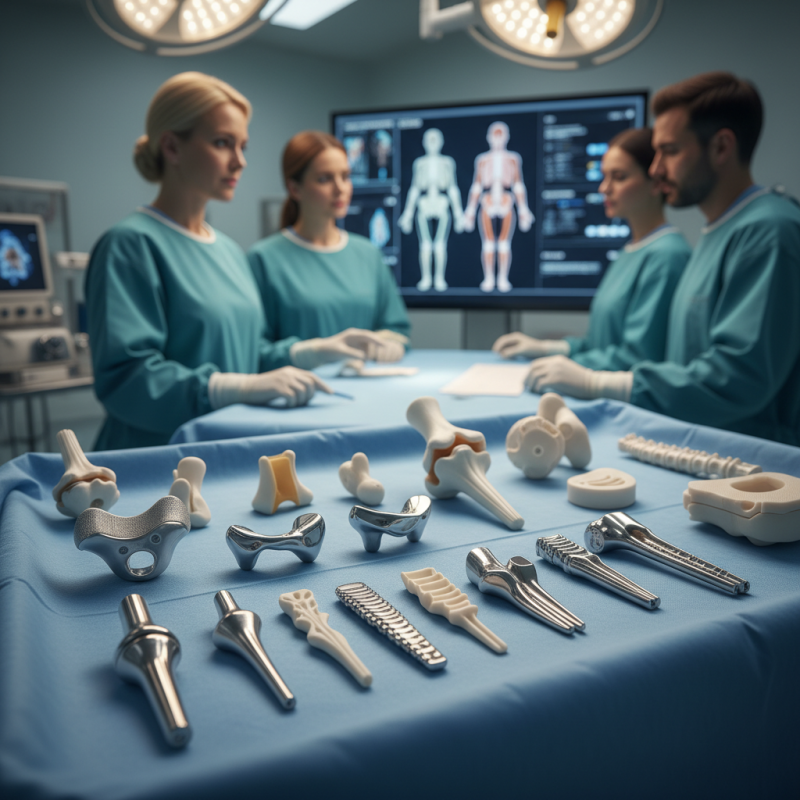
Top 5 Factors to Consider When Choosing Custom Orthopedic Implants?

Understanding the Patient's Unique Anatomy and Needs

When selecting custom orthopedic implants, understanding the patient's unique anatomy is crucial. Each individual has distinct bone structures, joint configurations, and mobility patterns. A thorough assessment of these elements can guide the design of implants that align with the patient’s specific needs. Failure to consider these factors may lead to complications or unsatisfactory outcomes.

Every patient’s journey is different. Imaging techniques, such as MRI or CT scans, offer critical insights into a patient’s anatomy. They provide the detailed visuals needed to create implants that fit well and function effectively. Collaborating with orthopedic specialists can enhance this process. Yet, there are challenges in achieving the perfect fit. Sometimes, initial designs may not meet the desired outcomes, requiring further adjustments.

Patient feedback is invaluable during this process. Listening to their experiences helps to refine the designs and address any discomforts or limitations. Each individual may have preferences that influence implant success. Continuous learning from these experiences is essential in advancing orthopedic solutions, making the process more responsive to patient needs.

Top 5 Factors to Consider When Choosing Custom Orthopedic Implants

Factor Description Importance Considerations
Patient Anatomy Assessing the unique structure of the patient’s bones and joints. High Custom scans and measurements needed.
Material Biocompatibility Choosing materials that integrate well with body tissues. High Consider allergies and reactions.
Functionality Requirements Understanding the patient's activity level and mobility needs. Medium Encourage patient feedback.
Surgeon Experience Evaluating the surgeon's familiarity with custom implants. High Surgeon training and case studies.
Regulatory Approval Checking if the implant meets safety standards. High Look for certifications and testing data.

Evaluating Material Biocompatibility for Implant Durability

When selecting custom orthopedic implants, evaluating material biocompatibility is crucial. The right materials ensure safety and longevity for patients. Biocompatibility refers to how well a material integrates with the body. Incompatible materials can lead to inflammation or rejection. It’s not just about the implant lasting; it’s about how the body reacts to it.


Common materials include titanium, stainless steel, and polymers. Each serves different needs. Titanium is lightweight and strong. It’s often favored for hip and knee implants. Yet, it can induce issues like allergic reactions in some patients. Stainless steel is durable but can corrode. This raises concerns about implant lifespan. Polymers provide flexibility but may wear down over time.


Choosing the right material isn’t straightforward. A clinician must consider individual patient needs. Some patients may have unique sensitivities to metals. Understanding these factors can lead to better outcomes. Continuous research and testing improve biocompatibility in implant design. However, the evolving nature of materials calls for continuous reflection on past decisions. Balancing innovation with patient safety is vital.

Assessing the Quality of Manufacturing Processes for Implants

When assessing the quality of manufacturing processes for custom orthopedic implants, several crucial elements come into play. A primary factor is the adherence to stringent quality standards. Industry reports indicate that up to 70% of implant failures result from manufacturing defects. This highlights the need for robust protocols and certifications that ensure consistency and reliability.

Another important consideration is the use of advanced materials. Typically, high-performance alloys and biocompatible polymers are preferred. A study found that implants made from these materials showed a 30% lower rejection rate compared to standard options. This data underscores the significance of material selection in long-term implant success.

Nonetheless, it is essential to recognize that even top-quality processes can have shortcomings. For instance, even with high-quality materials, human errors during manufacturing can compromise implant integrity. Continuous monitoring and feedback loops are critical for identifying such issues. Establishing a culture of quality within manufacturing teams is a challenge but essential for innovation and safety in orthopedic implant production.

Considering Surgeon Expertise and Experience with Custom Implants

When considering custom orthopedic implants, the surgeon's expertise cannot be overstated. An experienced surgeon understands the complexities involved. They have likely faced various challenges in custom procedures. This experience can be a decisive factor in your overall outcome. Their hands-on knowledge of materials and design can lead to better implant integration.

Surgeons who frequently work with custom implants often develop a refined approach. They know how to address individual patient needs. For instance, they may use advanced imaging techniques to plan your surgery. This meticulous planning can reduce complications. However, not all surgeons have the same level of training. Some might lack direct experience with specific implant types. It’s vital to ask about their background. How many custom procedures have they performed? What outcomes did they observe?

Choosing a surgeon who prioritizes patient communication is equally important. They should be willing to discuss your concerns openly. Some may focus too much on technical details. This can lead to misunderstandings about the procedure. A balanced approach helps ensure you feel confident. You deserve to understand the entire process. Your comfort with the surgeon can impact your healing journey significantly.

Top 5 Factors to Consider When Choosing Custom Orthopedic Implants

Analyzing Cost vs. Benefit for Custom Orthopedic Implant Solutions

When considering custom orthopedic implants, analyzing cost versus benefit is crucial. The expenses related to these implants can be significant, and understanding their long-term impact is essential for making an informed decision. Custom implants may lead to better patient outcomes, but they require careful evaluation of both immediate and future costs.

One must consider the materials used in the implants. High-quality materials often come with a higher price tag, but they can improve durability and reduce the likelihood of failure. Every patient has unique needs, making personalization vital. While a off-the-shelf solution might be cheaper, it might not offer the same benefits in functionality and comfort.

Tips: Assess the long-term benefits of custom implants. Think about potential revisions that may arise with lower-cost alternatives. Always consult with experienced orthopedic professionals. Their insights can help balance the costs with the potential improvements in your quality of life. Choosing wisely can lead to fewer complications and better mobility in the long run. Many patients have expressed regrets after opting for the least expensive path. They found themselves back in surgery due to complications from cheaper options.

FAQS

: Why is understanding a patient's anatomy important for custom implants?

: Each patient's unique bone structure and joint configuration guide the design of effective implants.

What imaging techniques are useful in evaluating a patient's anatomy?

MRI and CT scans provide critical visuals needed for creating well-fitting implants.

Why is continuous patient feedback essential in the implant design process?

Patient experiences help refine designs and address discomforts or limitations effectively.

How does a surgeon's expertise impact the success of custom implants?

Experienced surgeons understand complexities and are better at handling challenges in custom procedures.

What should patients ask about their surgeon's experience?

Inquire about the number of custom procedures they’ve performed and their observed outcomes.

How does surgeon communication affect the patient experience?

Open communication ensures patients understand the process and feel more confident and comfortable.

Can initial implant designs be flawed?

Yes, some designs may not meet expectations and require adjustments to achieve the proper fit.

What might happen if patient needs aren't prioritized in the process?

Neglecting individual preferences can lead to complications or less satisfactory implant performance.

How can advanced imaging techniques help in planning surgery?

They provide detailed insights that can reduce complications and improve surgical outcomes.

What is a potential downside of a surgeon focusing too much on technical details?

It may create misunderstandings, leaving the patient feeling confused or uncertain about the procedure.

Conclusion

When considering custom orthopedic implants, one must address several key factors to ensure the best outcomes. Understanding the patient's unique anatomy and specific needs is crucial, as this informs the design and function of the implant. Evaluating material biocompatibility is essential to ensure long-term durability and minimize the risk of rejection. Additionally, the quality of the manufacturing processes guarantees that the implants meet stringent safety and performance standards.

Moreover, the expertise and experience of the surgeon with custom implants play a significant role in the success of the procedure. Finally, it's important to analyze the cost versus the potential benefits, ensuring that the investment in custom orthopedic implants aligns with the patient’s health goals. Ultimately, when asking, "What factors should I consider when choosing custom orthopedic implants," these elements will help guide informed decisions for optimal results.

Aria

Aria

Aria is a dedicated marketing professional with a deep passion for innovative strategies and a keen understanding of our company's product offerings. With a wealth of experience in the industry, Aria excels at crafting engaging content that highlights the unique features and benefits of our......