How to Ensure Compatibility of Orthopedic Implants with Tools?

Time:2026-05-28 Author:Henry
0%

Orthopedic surgery heavily relies on the compatibility of implants with various surgical tools. Ensuring this compatibility is vital for successful outcomes. Dr. Sarah Thompson, a leading expert in orthopedic engineering, emphasizes, “The integration of different brands should not compromise the safety and effectiveness of the procedures.”

How to ensure orthopedic implants are compatible with surgical instruments from different brands presents a significant challenge. Variability in designs and materials can lead to serious complications. The wrong combination can cause delays, increase risks, and complicate the surgical process. Each brand has its unique specifications and standards.

Collaboration among manufacturers could be beneficial. Joint efforts can streamline the compatibility process. However, achieving universal standards is complex. Industry leaders must address these challenges thoughtfully. Reflecting on these hurdles fosters improvement. Attention to detail in design and manufacturing can ultimately enhance patient care.
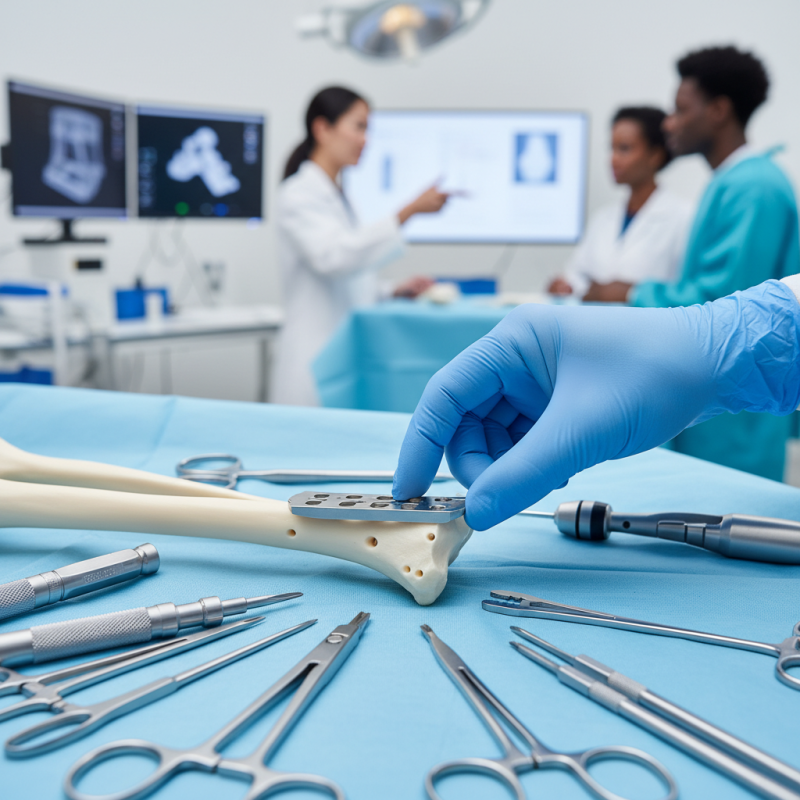
How to Ensure Compatibility of Orthopedic Implants with Tools?

Understanding the Importance of Compatibility in Orthopedic Implants

Compatibility in orthopedic implants is crucial for patient safety and surgical success. A study by the American Academy of Orthopaedic Surgeons highlighted that improper compatibility can lead to severe complications. Around 15% of patients experience post-operative issues linked to implant and tool misalignment. These findings stress the need for rigorous compatibility checks before any procedure.

Several factors contribute to compatibility. Material composition is vital. For example, titanium and certain polymers may interact negatively with specific surgical tools. A mismatch can lead to micro-fractures or wear debris. According to research published in the Journal of Orthopaedic Research, over 20% of revision surgeries stem from implant-tool incompatibility. This indicates a pressing need for orthopedic professionals to remain updated on material science advances.

Surgeons must undergo continuous training to recognize the nuances of orthopedic tools and implants. Workshops and seminars offer valuable insights into emerging technologies. Failing to adapt to these advances can hinder patient outcomes. As the orthopedic field evolves, staying informed becomes non-negotiable. Therefore, compatibility isn't just a procedural requirement; it's a fundamental aspect that demands our attention.

Types of Tools Used in Orthopedic Implant Procedures

In orthopedic surgery, having the right tools is crucial for successful implant procedures. Surgeons rely on an array of instruments, each designed for specific tasks. Common tools include bone saws, impactors, and retractors. These devices must align perfectly with the implants for a secure fit. Precision is key, as even a slight misalignment can lead to complications.

Surgeons often face challenges when using outdated or substandard tools. For instance, worn impactors may not deliver the necessary force during procedures, risking implant failure. Regular maintenance and upgrades are vital. It’s essential for surgical teams to be aware of the latest advancements in tools. They should regularly assess whether their equipment meets current standards. Compatibility between tools and implants not only enhances surgical efficiency but also ensures patient safety.

Training plays a significant role in the effective use of these tools. Ongoing education helps surgical teams stay updated. Short refresher courses can improve familiarity with new tools and techniques. However, it's not always easy to stay current. The rapid evolution of technology can make it challenging for some to keep pace. This gap in knowledge can hinder patient outcomes and must be addressed.

Key Factors Influencing Implant-Tool Compatibility

When considering the compatibility of orthopedic implants with surgical tools, several factors come into play. One key aspect is the geometry of the implant. Studies indicate that the proper fit between an implant and a tool enhances precision during surgery. A mismatch can lead to complications. For example, a report from the Orthopedic Research Society found that nearly 30% of surgical errors are attributed to tool-implant incompatibility.

Material choice also significantly influences compatibility. Implants are often made from titanium or cobalt-chromium alloys. These materials should match the physical properties of the tools used. The American Academy of Orthopaedic Surgeons notes that 15% of implant failures can be linked to material mismatches. Not only does this create surgical challenges, but it also raises questions about long-term implant performance.

Lastly, the design of the surgical tools is crucial. If a tool cannot securely engage the implant, the entire procedure can be jeopardized. This challenges surgeons to adapt and develop new methods for ensuring compatibility. Some tools may need redesigning to accommodate advanced implant technologies. Reflecting on these issues may lead to the development of better practices in the field.

How to Ensure Compatibility of Orthopedic Implants with Tools?

Testing Methods for Ensuring Compatibility of Implants

Ensuring the compatibility of orthopedic implants with surgical tools is crucial. Testing methods play a key role in this process. One widely used method is mechanical testing. This involves evaluating the strength and flexibility of implants under load. We study how these materials react to stress. Knowledge of material properties is vital for accurate assessment.

Another important technique is imaging analysis. This method allows us to visualize how implants fit with tools. X-rays and CT scans can reveal potential issues. Regular inspections are necessary to catch discrepancies early. Sometimes, unexpected wear or misalignment may occur. These findings prompt further investigation.

Finally, simulation models can offer insights into real-world scenarios. By simulating surgical procedures, we can anticipate challenges. However, these models are not always foolproof. They may miss nuances present in actual surgeries. Continuous refinement and validation of these methods are essential. Relying on diverse testing techniques helps ensure safety and effectiveness in orthopedic surgeries.

Best Practices for Selecting Compatible Orthopedic Tools

Selecting compatible orthopedic tools is essential for successful implant surgeries. Understanding the materials and designs of both implants and tools can significantly influence outcomes. Compatibility ensures effective procedures and reduces risks. It is vital to focus on matching dimensions, load requirements, and surgical techniques.

One should evaluate the manufacturer's specifications and guidelines. Consulting experienced surgeons can provide valuable insights into compatible tools. Often, preferences and results vary across different clinical environments. Testing various tools in simulated conditions might be helpful. Consideration of practical experiences should guide the selection process.

In some cases, surgeons may face challenges when aligning tools with implants. Identifying subtle mismatches is crucial. For instance, slight differences in angles or sizes can impact stability. Engaging in discussions about past surgeries and failures can highlight areas needing improvement. Learning from these experiences sharpens one's expertise in the selection process.

How to Ensure Compatibility of Orthopedic Implants with Tools? - Best Practices for Selecting Compatible Orthopedic Tools

Criteria Description Importance Best Practices
Material Compatibility Ensure materials used in implants and tools do not react adversely. Critical for preventing failure. Conduct material tests and use FDA-approved materials.
Size Match Tools must be compatible in size with implants for effective use. Prevents operational issues. Use manufacturer’s sizing guides and templates.
Functionality Tools should facilitate the intended function of the implant. Essential for successful placement and operation. Regularly review tool performance metrics.
Manufacturer Guidelines Follow specific guidelines provided by implant manufacturers. Vital for safety and efficacy. Stay updated with revisions and changes.
Regulatory Compliance Ensure all tools are compliant with health regulations. Critical for legality and safety. Review certifications and compliance documents.

FAQS

: What is the importance of testing methods for implants?

: Testing methods ensure compatibility between orthopedic implants and surgical tools, which is crucial for successful outcomes.

How does mechanical testing work?

Mechanical testing evaluates the strength and flexibility of implants under load, revealing how materials react to stress.

What role does imaging analysis play?

Imaging analysis uses X-rays and CT scans to visualize implant fit with tools, catching issues like wear or misalignment.

Why are regular inspections necessary?

Regular inspections are vital to detect discrepancies early, preventing complications during surgical procedures.

What are simulation models used for?

Simulation models help anticipate challenges in surgeries by replicating procedural scenarios, though they may miss real-world nuances.

How can one select compatible orthopedic tools?

Understanding materials and designs of implants and tools is essential for selecting compatible options for successful surgeries.

What should one consider when evaluating tools?

Focus on matching dimensions, load requirements, and manufacturer specifications to reduce risks and ensure effective procedures.

Why is communication important among surgeons?

Discussing past surgeries and challenges helps identify subtle mismatches and areas needing improvement in tool selection.

What should be noted about tool selection?

Experiences vary across clinical environments; therefore, practical experiences should guide the selection process.

Are there challenges in aligning tools with implants?

Yes, slight differences in angles or sizes can impact stability, emphasizing the need for careful evaluation.

Conclusion

Ensuring the compatibility of orthopedic implants with surgical instruments from different brands is crucial for the success of orthopedic procedures. Understanding the significance of compatibility involves recognizing how various types of tools, such as surgical drills, saws, and fixation devices, interact with implants. Key factors influencing this compatibility include material properties, design features, and the intended use of both the implants and tools.

Testing methods play a vital role in verifying compatibility, involving mechanical assessments and simulations to predict performance during surgical use. Best practices for selecting compatible tools focus on evaluating product specifications, conducting thorough trials, and maintaining open communication with manufacturers. By following these guidelines, surgeons can enhance procedural efficiency, minimize risks, and ultimately improve patient outcomes in orthopedic surgeries.

Henry

Henry

Henry is a dedicated marketing professional with a profound expertise in the company's offerings. With years of experience in the industry, he possesses an impressive understanding of the market dynamics and consumer behaviors that drive success. Henry is committed to sharing his insights through......