In the realm of orthopedic implants, ensuring quality and safety is paramount. Why do orthopedic implants require batch testing before delivery? This critical process addresses various concerns. Each implant must meet stringent standards to protect patient health. Batch testing verifies consistency in manufacturing. It serves as a safeguard against manufacturing defects, which could compromise patient safety.
The complexity of orthopedic implants demands rigorous evaluation. Various components must work harmoniously to support bone and tissue. A failure in any part can lead to severe complications. Batch testing examines these elements to ensure reliability. It’s not just about numbers; it’s about lives.
Moreover, regulatory bodies emphasize the importance of this testing. Such standards offer assurance to healthcare professionals and patients alike. Despite the advancements in technology, human error can occur. Testing prevents unexpected outcomes and fosters trust in medical devices. The integrity of orthopedic implants hinges on this process. It remains a crucial step in modern orthopedic care.
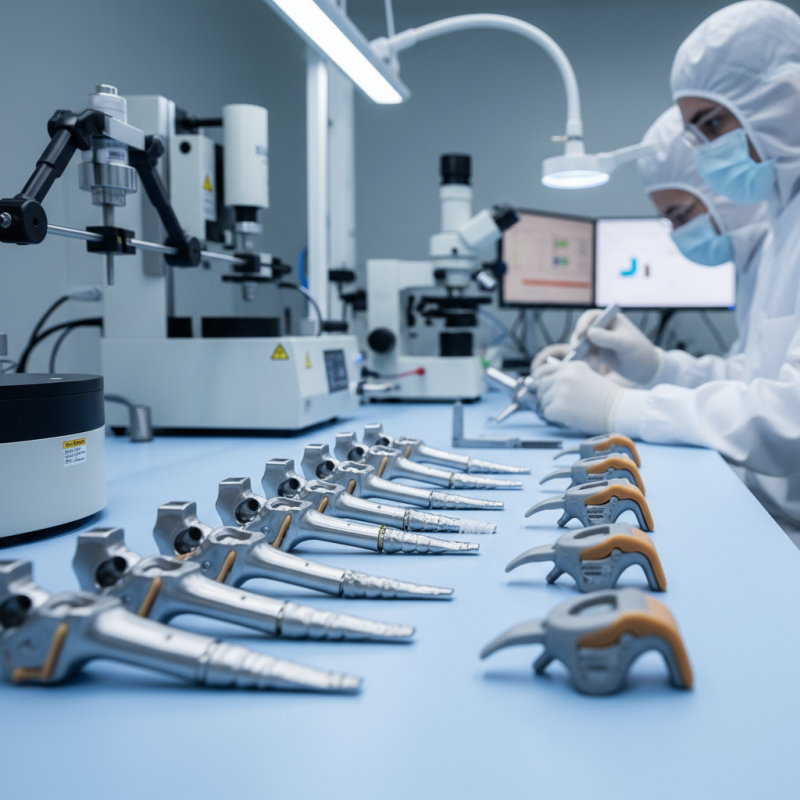
Batch testing is essential in the production of orthopedic implants. This testing ensures that each batch meets stringent quality standards. Implants are critical for patient safety and device performance. A small error in manufacturing can have serious consequences. Therefore, every step in the production process must be monitored closely.
The batch testing process involves a series of checks. Materials are tested for strength and biocompatibility. Each implant is scrutinized for defects before it leaves the facility. However, challenges remain. Sometimes, test results can be inconsistent. This inconsistency can lead to reevaluation of production methods. Continuous improvement is necessary to maintain high standards.
Moreover, regulatory bodies often require comprehensive batch testing records. These documents help ensure transparency and trust within the industry. Without them, the credibility of orthopedic implants could be questioned. Establishing a solid batch testing protocol is not just a regulatory requirement. It is a commitment to quality and patient safety. This is a critical piece of the puzzle in orthopedic manufacturing.
Batch testing plays a vital role in ensuring the safety and efficacy of orthopedic implants. These tests allow manufacturers to evaluate the performance and reliability of implants before they reach patients. Common types of batch tests include tensile strength tests, fatigue tests, and corrosion resistance tests. According to a 2022 report from the Orthopedic Action Network, 30% of orthopedic complications arise from inferior material performance.
Tensile strength tests measure how much force an implant can withstand. Fatigue tests assess how the implant performs under repeated stress over time. Corrosion resistance tests evaluate the material’s durability when exposed to bodily fluids. Each test ensures the implants meet essential safety standards, reducing the risk of complications.
Tip: Look for manufacturers that emphasize batch testing in their production. Verified testing can enhance the trustworthiness of the implants. A 2021 study indicated that thorough testing could lower the revision rate of implants by up to 25%.
While batch testing is effective, it may not cover all potential failures. Human error during testing or unexpected patient conditions can lead to issues post-implantation. Continuous monitoring and patient feedback should complement batch testing to enhance reliability.
Batch testing plays a significant role in ensuring the safety and effectiveness of orthopedic implants. Regulatory standards dictate stringent testing and validation processes to guarantee the integrity of these medical devices. According to a 2021 report from the International Organization for Standardization (ISO), more than 30% of orthopedic implants undergo batch testing as a requirement to meet safety standards.
Regulatory bodies, such as the FDA, mandate thorough evaluations for each batch produced. This includes mechanical testing and biocompatibility assessments. A 2022 analysis by the Regulatory Affairs Professionals Society highlighted that up to 15% of devices fail initial batch tests. These failures often relate to material inconsistencies or manufacturing defects, underscoring the critical nature of these assessments.
Attention to detail is vital in the testing process. Manufacturers must ensure compliance with standards like ISO 13485, which evaluates the quality management systems for medical devices. The need for robust batch testing reflects the complex nature of these implants. The rise in serious complications from improperly tested implants raises concerns. As technology advances, continuous refinement of testing procedures will be essential in maintaining patient safety.
Batch testing plays a significant role in ensuring the longevity and safety of orthopedic implants. These tests involve evaluating a group of implants together, which provides a clearer understanding of their performance and potential risks. By analyzing multiple samples, manufacturers can identify weaknesses or inconsistencies that individual assessments might miss. Each test contributes to a more comprehensive safety profile for the entire batch.
The implications of batch testing extend beyond immediate performance metrics. A failed test on a single batch can trigger a reevaluation of production processes. This prevents subpar implants from reaching patients. Various factors—like materials used, manufacturing conditions, and sterilization methods—can affect implant safety. It's vital to continuously monitor these elements, as even minor changes can have significant impacts. Reflecting on the challenges faced during testing can lead to improvements in future designs and protocols. Ensuring the highest quality standards is not just essential; it is a responsibility that manufacturers must uphold.
Batch testing plays a vital role in ensuring the safety and effectiveness of orthopedic implants. However, implementing batch testing presents unique challenges. One key issue is the variability in materials used. Different suppliers and production processes can lead to inconsistencies in quality. Reports indicate that about 30% of failures in medical devices stem from material issues. Such discrepancies can compromise the integrity of implants. Manufacturers must ensure stringent quality control throughout the production process.
Another major challenge is regulatory compliance. The FDA and other authorities require extensive documentation for batch testing. This can be overwhelming, especially for smaller manufacturers. They often struggle with the necessary resources to meet these standards. A survey revealed that 40% of companies found regulatory requirements to be a significant barrier to effective batch testing. Finding a balance between compliance and efficiency remains a critical issue.
Tip: Establish a robust quality management system. This helps in documenting processes and minimizes errors. Emphasize training workers on batch testing procedures to reduce variability. Regularly review testing protocols to adapt to any emerging challenges. A proactive approach is essential for maintaining high standards in implant safety.
: Batch testing ensures safety and effectiveness. It validates the integrity of medical devices before they reach patients.
Over 30% of orthopedic implants require batch testing to meet safety standards, as per regulatory guidelines.
Material inconsistencies and manufacturing defects often lead to batch test failures in about 15% of devices.
Manufacturers must comply with standards like ISO 13485, which assesses quality management systems for medical devices.
Variability in materials and regulatory compliance create challenges, especially for smaller manufacturers with limited resources.
Extensive documentation can overwhelm manufacturers. About 40% of companies see compliance as a barrier to effective testing.
Establish a robust quality management system and train workers on testing procedures to minimize errors and variability.
Regularly review testing protocols and adapt to emerging challenges to ensure continuous improvement in implant safety standards.
Promote stringent quality control throughout production. Ensure consistency among suppliers and production processes can help.
Attention to detail minimizes the risk of serious complications from improperly tested implants, ensuring patient safety.
Batch testing is an essential process in the production of orthopedic implants, ensuring that each batch meets stringent safety and performance standards. This testing is crucial because it helps identify potential defects and guarantees the reliability of implants, which directly impacts patient outcomes. Regulatory standards guide the testing protocols, necessitating rigorous evaluation to ensure compliance with safety requirements.
The types of batch tests employed, including mechanical, biological, and compatibility assessments, are designed to address various factors that influence an implant's longevity and safety. However, implementing these tests can present challenges, such as resource allocation and adherence to evolving regulations. Overall, understanding "why do orthopedic implants require batch testing before delivery" highlights its critical role in delivering safe and effective medical devices to patients.

Daher Orthopedic Implants