Choosing orthopedic implants is a critical decision in medical practice. Understanding how to choose orthopedic implants that meet local medical regulations is essential for patient safety and effective treatment. According to a 2023 report from the International Society of Orthopedic Surgery, 30% of complications arise from non-compliant implants. This statistic underscores the importance of adhering to local standards.
The selection process must consider material quality, design, and regulatory approval. Reports indicate that nearly 50% of implants fail due to inappropriate choices, leading to additional surgeries. Such statistics highlight the risks involved in ignoring established guidelines. Clear communication with suppliers is vital to ensure that all products meet necessary regulations.
In an evolving market, manufacturers must maintain transparency. Shortcomings in documentation can delay approvals or lead to rejections. The consequences are profound; patients may face longer recovery times or worse outcomes. Balancing innovation with compliance is not easy. However, reflecting on these challenges can improve future practices and patient care.
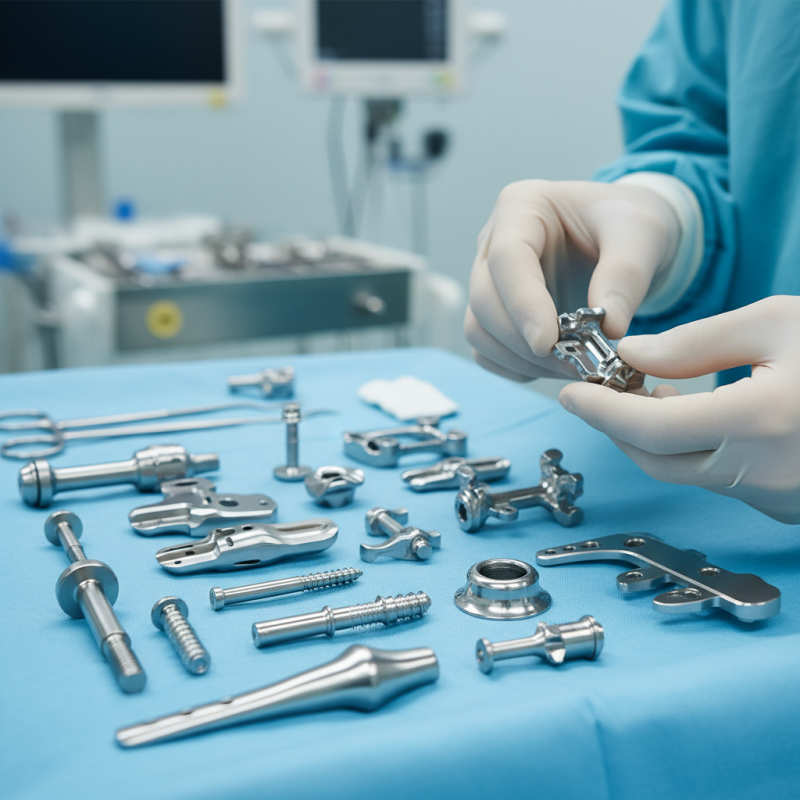
Orthopedic implants must meet strict regulatory standards. These standards ensure safety and effectiveness for patients. The regulatory landscape can be complex. Various countries have different requirements. Manufacturers must demonstrate compliance through extensive testing. This testing often involves biocompatibility assessments and mechanical performance evaluations.
Understanding these regulations is crucial. Many do not realize the impact of regulatory gaps. Some implants may reach the market with insufficient data. This raises questions about their safety. Professionals should critically assess the documentation for each product. Look for certifications from reputable bodies. Check if the implant has undergone necessary trials.
When engineers design implants, they must consider patient needs. Regulatory standards should serve as a foundational guide. However, they should not stifle innovation. Striking the right balance is essential. Continuous feedback loops between regulators and manufacturers can foster improvement. This ongoing dialogue can lead to more effective solutions. Ultimately, patient safety and satisfaction depend on these efforts.
When selecting orthopedic implants, consider the safety of the materials used. Material safety ensures that the implant does not release toxic substances into the body. Biocompatibility is crucial as well. This means the material should not cause adverse reactions. Always request comprehensive material safety data sheets. These documents provide essential information for evaluation.
Tip: Research the common materials used in implants. Titanium is popular due to its strength and corrosion resistance. However, some patients may have allergies. Your choice should consider patient history. Not all materials suit every person.
Evaluate the long-term performance of the implant as well. Some materials may degrade over time. This can lead to complications, and patients might require additional surgeries. Understanding material longevity can save time and reduce costs. Your decision should hinge on both safety and efficacy.
When selecting orthopedic implants, assessing design and functionality is critical. A study by the Journal of Orthopedic Research found that 25% of implants fail due to poor design elements. This highlights the importance of thorough analysis. It's essential to consider materials' biocompatibility and mechanical properties. For instance, titanium offers strength and corrosion resistance, making it a popular choice.
Customization also plays a significant role in functionality. Implants tailored to individual patient needs can significantly improve outcomes. According to the American Academy of Orthopedic Surgeons, custom implants reduce the likelihood of revision surgeries by 30%. However, the process comes with challenges. Not all patients are candidates for custom solutions. This limitation can lead to dissatisfaction.
Testing protocols should not be overlooked. Regulatory bodies mandate rigorous testing to ensure safety. However, discrepancies can arise between lab results and real-world performance. A considerable 15% of reported complications stem from implantation techniques. Thus, surgical skills and conditions must align with implant designs for optimal success. It's essential to continuously evaluate both the designs and their implementations in clinical settings, ensuring ongoing improvements.
Choosing orthopedic implants requires careful evaluation of manufacturer compliance. It’s crucial to verify certifications. Quality standards vary significantly among manufacturers. Look for compliance with international regulations, such as ISO and FDA guidelines. These certifications ensure that the implants are safe and effective.
Assessing the manufacturer’s production processes is also vital. Review the quality control measures in place. Consistency in production directly impacts implant performance. Not all manufacturers maintain strict quality checks, and some may have gaps. Transparency is key. Manufacturers should readily provide documentation on their compliance and certification processes.
Additionally, consider that compliance doesn’t guarantee an implant's success. There might be mismatches between the implants and patient anatomy. Gathering feedback from healthcare professionals can be helpful. Engaging with experienced surgeons can lead to insights on actual performance in clinical settings. It's essential to approach this decision with a critical eye and a willingness to ask probing questions.
Choosing orthopedic implants is a critical decision impacting patient outcomes. Long-term performance should be a priority for surgeons and patients alike. Material selection is essential. Biocompatibility can influence healing times. Implants must endure stress and movement without failure. Installation technique can also impact results. If the implant is misaligned, complications may arise over time.
Patient monitoring is crucial after surgery. Regular follow-ups can provide insight into implant performance. Consider potential complications, like infections or rejection. Each patient's anatomy is unique. One size does not fit all in orthopedic care. Surgeons must remain flexible and adapt. This might mean adjusting the approach based on feedback or unexpected outcomes. There’s no perfect solution. Continuous reflection and assessment are necessary, even post-surgery. Collaboration with a multidisciplinary team can enhance patient care and outcomes.
| Tip Number | Consideration | Importance Level | Long-Term Performance Factor | Patient Outcome Benefit |
|---|---|---|---|---|
| 1 | Material Biocompatibility | High | Reduces risk of rejection | Improves recovery speed |
| 2 | Regulatory Compliance | Critical | Ensures safety standards are met | Enhances trust in treatment |
| 3 | Surgeon Experience | High | Influences implant performance | Higher success rates |
| 4 | Research & Development | High | Long-term reliability | Improves functional outcomes |
| 5 | User-Friendliness | Moderate | Facilitates easier placement | Promotes precision in surgery |
| 6 | Cost-Effectiveness | Moderate | Balances quality and price | Ensures value for patients |
| 7 | Implant Longevity | Critical | Minimizes need for revisions | Increases patient satisfaction |
| 8 | Support Resources | Moderate | Assists with post-operative care | Promotes healing process |
| 9 | Clinical Data | High | Supports evidence-based use | Improves trust in therapy |
| 10 | Patient Feedback | Moderate | Provides insights on user experience | Guides future improvements |
: Manufacturer compliance ensures that orthopedic implants meet safety and effectiveness standards. It can influence patient outcomes significantly.
Look for compliance with international regulations, such as ISO and FDA guidelines. These certifications signify quality assurance.
Consistent production practices directly impact how well an implant functions. Gaps in quality checks can lead to potential issues.
No, compliance does not ensure success. Mismatches between implants and patient anatomy can still occur.
Regular follow-ups help track implant performance and identify complications early, such as infections or rejection.
Surgeons must be adaptable. Each patient is different, and adjustments may be needed based on individual feedback.
Biocompatible materials can shorten healing times and endure stress. This affects long-term performance and patient outcomes.
Continuous assessment is vital. Surgeons should collaborate with a multidisciplinary team to improve patient care.
There is no perfect solution. Reflection and adaptation are key to addressing unexpected outcomes or complications.
Engaging with experienced surgeons can provide insights on implant performance, helping guide better clinical decisions.
Choosing orthopedic implants that meet local medical regulations is crucial for ensuring patient safety and effective treatment outcomes. To make informed decisions, one must first understand the regulatory standards governing orthopedic implants, which vary by region and ensure safety and efficacy. Next, assessing material safety and biocompatibility is vital, as these factors directly impact patient health and recovery.
Additionally, evaluating the design and functionality of implants is essential, as it influences their performance and integration within the body. It's also important to examine the manufacturer’s compliance and certification processes, ensuring their products are held to the highest standards. Finally, considering long-term performance and patient outcomes will help in selecting the best implant options that not only meet regulations but also contribute to successful clinical results.

Daher Orthopedic Implants