China’s orthopedic implant industry offers both sterile and non-sterile products for hospitals, distributors, and surgical centers. The choice affects packaging, storage, operating-room preparation, and infection-control procedures.
What is the difference between sterile and non-sterile orthopedic implants? Sterile implants leave the manufacturer ready for clinical use, with validated sterilization and sealed packaging. Non-sterile implants require an approved sterilization process before implantation. Their trays may arrive clean, but cleanliness is not sterility. That distinction matters.
Orthopedic surgeon Dr. Daniel J. Berry has emphasized, “Patient safety must remain the central focus of every orthopedic procedure.” This principle applies to every supplier evaluation, including Chinese manufacturers. Buyers should review sterilization validation, packaging integrity, material traceability, batch records, and quality-system certificates. A damaged pouch, a missing indicator, or unclear instructions can create serious uncertainty. Small details matter.
Sterile products can reduce preparation time, but they may involve higher purchasing and storage costs. Non-sterile implants can provide flexibility for hospitals with validated sterilization departments. However, rushed processing can increase risk. That is the uncomfortable part. Price alone cannot define value.
This article compares China’s leading sterile and non-sterile orthopedic implant options. It considers manufacturing experience, documentation, product consistency, and practical hospital workflows. Readers should verify current regulatory requirements and supplier claims independently. No brochure replaces a complete quality assessment.
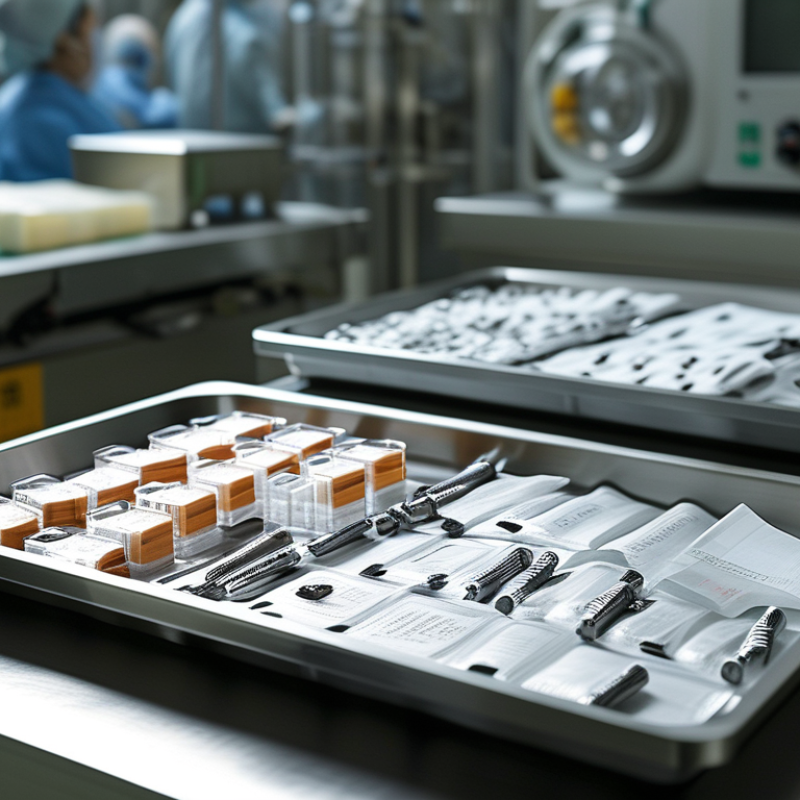
China Top Sterile vs Non Sterile Orthopedic Implants
Sterile orthopedic implants are processed, packaged, and labeled for direct surgical use. Their sealed packaging protects the implant until the operating team opens it. Sterilization details, lot numbers, expiry dates, and packaging integrity support traceability. This option can reduce preparation time in busy hospitals.
Non-sterile implants have not completed final sterilization before delivery. They require a validated sterilization process before implantation, following the manufacturer’s instructions and facility procedures. The process must control temperature, exposure time, packaging materials, and biological indicators. Small mistakes can create serious risks.
The difference is practical.
Sterile products usually offer faster operating-room preparation and simpler inventory handling. Non-sterile products may provide flexibility for certain manufacturing, customization, or controlled hospital workflows. However, their lower purchase price can be misleading. Sterilization equipment, labor, validation, storage, and rejected batches add hidden costs.
Packaging deserves careful attention. A sterile implant with a torn pouch is not automatically safe. A non-sterile implant placed in a poorly controlled cycle is also unacceptable. In China, hospitals and suppliers should maintain clear records, qualified processes, and appropriate quality controls. Product selection should match the surgical plan, facility capability, and applicable medical-device requirements.
The choice is not always obvious. Teams may focus on price and overlook preparation time. That deserves reflection. A reliable decision considers patient safety before convenience.
| Comparison Dimension | Sterile Implants | Non-Sterile Implants |
|---|---|---|
| Definition | Orthopedic implants supplied in a validated sterile state and intended to be used without additional sterilization by the healthcare facility, provided the package remains intact. | Orthopedic implants supplied without a validated sterile claim. They require an appropriate cleaning, packaging, and sterilization process before implantation. |
| Typical Product Examples | Selected trauma plates, screws, intramedullary nails, spinal components, joint replacement components, and other implantable devices supplied in sterile packaging. | Selected metal plates, screws, trial components, instruments, certain reusable implant systems, and implants designed for facility-level sterilization before use. |
| Condition at Point of Delivery | Ready for use only when the sterile barrier is unopened, undamaged, and within the labeled expiry period. | Not ready for implantation. The facility must complete the required processing steps before use. |
| Common Sterilization Methods | May include validated terminal sterilization such as ethylene oxide, gamma radiation, electron-beam radiation, or moist heat, depending on the material and device design. | Usually sterilized by the healthcare facility using a validated cycle, commonly steam for compatible metallic devices. The selected method must follow the device instructions for use. |
| Packaging System | Uses a validated sterile barrier system, such as a medical-grade pouch, tray, blister, or sealed container, designed to maintain sterility until opening. | May use protective or transport packaging, but the packaging does not establish or maintain a manufacturer-claimed sterile state. |
| Processing Responsibility | The manufacturer or authorized sterilization provider is responsible for validating the sterilization process and sterile barrier system before distribution. | The healthcare facility is responsible for cleaning, inspection, packaging, sterilization, storage, and release for use according to validated procedures. |
| Operating Room Workflow | Can reduce preparation steps because the device can be opened into the sterile field after package inspection and aseptic presentation. | Requires additional time for decontamination, inspection, packaging, sterilization, cooling, and documentation before the device is available for surgery. |
| Risk of Contamination Before Use | Low when the sterile barrier is intact and storage, transportation, and handling requirements have been followed. A damaged or wet package should not be used as sterile. | Not considered sterile before facility processing. Contamination control depends on the facility’s validated reprocessing and storage procedures. |
| Shelf Life | Determined by package integrity, sterile-barrier validation, material stability, and other product-specific testing. The labeled expiry date must be followed. | Generally depends on the device material, protective packaging, storage conditions, and manufacturer instructions. Sterilization does not automatically extend the product’s shelf life. |
| Material Compatibility | The manufacturer selects and validates a sterilization method that is compatible with metals, polymers, coatings, ceramics, or other device materials. | The facility must use only a sterilization method permitted by the manufacturer. Excessive heat, moisture, radiation, or chemicals may damage some materials or coatings. |
| Quality Control Focus | Focuses on validated sterility assurance, package integrity, bioburden control, sterilization records, and maintaining sterility during distribution. | Focuses on cleaning effectiveness, visual inspection, functional checks, packaging, sterilizer performance, load monitoring, and traceability of each processing cycle. |
| Documentation | Typically includes labeling for sterility, sterilization method where applicable, expiry date, lot or serial number, and package integrity instructions. | Typically includes device instructions for use, approved processing parameters, sterilization instructions, inspection criteria, and traceability requirements. |
| Cost Considerations | May have a higher purchase price because of validated sterilization, sterile packaging, sterility testing, and additional distribution controls. | May have a lower purchase price, but the facility incurs costs for labor, equipment, consumables, utilities, quality checks, and processing time. |
| Inventory Management | Requires monitoring of expiry dates, package condition, storage environment, and stock rotation using a first-expiry, first-out approach. | Requires protection from contamination and damage before processing, together with controlled storage and documented reprocessing before use. |
| Primary Advantages | Faster preparation, lower dependence on facility sterilization capacity, simplified operating-room workflow, and consistent manufacturer-controlled sterilization. | Flexible inventory planning, potentially lower acquisition cost, and suitability for facilities that have validated sterilization infrastructure and established processing procedures. |
| Primary Limitations | Higher sensitivity to package damage or expiry, possible restrictions on resterilization, and greater packaging and logistics requirements. | Additional processing time, dependence on facility resources, risk of inadequate processing, and possible material or coating damage if the wrong cycle is used. |
| Selection Guidance | Suitable when immediate availability, standardized sterile supply, and reduced facility processing are priorities. | Suitable when the device is expressly designed for facility sterilization and the healthcare provider has validated equipment, trained personnel, and documented procedures. |
| Note: Sterile status, sterilization method, expiry date, packaging requirements, and reprocessing instructions are product-specific. Always follow the applicable product label, instructions for use, and local regulatory requirements before implantation. | ||
Common products include bone plates, locking screws, intramedullary nails, external fixators, and spinal cages. Joint systems may use metal, ceramic, or polyethylene components.
Sterile implants arrive sealed and ready for controlled clinical use. Non-sterile implants require validated cleaning, packaging, and sterilization before surgery.
They suit urgent trauma procedures requiring immediate availability. Staff can open a sealed package in the operating room. Preparation is simpler.
Hospitals with validated sterilization departments may prefer flexible inventory control. However, local processing must cover the implant, packaging, instruments, and complete cycle.
Request material certificates, technical drawings, dimensional reports, sterilization records, packaging tests, and lot traceability. Sample implants can reveal practical problems.
No. A lower price may hide incomplete records, delayed approvals, or uncertain processing responsibilities. I would test a small order first.
Metals may tolerate some sterilization methods, while polymers and coatings can react differently. Confirm compatibility before selecting a processing cycle.
Inspect package seals, shelf-life data, expiration dates, and transport records. A damaged outer box deserves investigation. Sealed does not mean flawless.
Correct sizing, surgical technique, staff training, patient risk, and operating-room discipline all matter. Factory precision cannot replace clinical judgment.
Review fatigue testing for the intended anatomy, batch records, communication, and trial-order performance. Catalogs look polished. Real handling may be less perfect.
This guide explains the definition and key differences between sterile and non-sterile orthopedic implants manufactured in China. What is the difference between sterile and non-sterile orthopedic implants? Sterile implants are processed, packaged, and prepared for direct use in surgery, while non-sterile implants require validated sterilization before clinical application. The article also introduces common implant categories, including plates, screws, nails, joint replacement components, spinal systems, and external fixation devices.
It further reviews manufacturing methods, material selection, surface treatment, cleaning, packaging, and sterilization processes. Attention is given to quality control, dimensional accuracy, mechanical testing, biocompatibility, traceability, and applicable regulatory requirements. Finally, the guide outlines important selection factors for clinical and surgical use, such as implant design, patient needs, surgical technique, sterilization compatibility, supplier qualification, documentation, and delivery conditions. Together, these considerations help medical institutions and distributors evaluate orthopedic implants safely and effectively.

 Daher Orthopedic Implants