How to check if orthopedic implants meet the required strength standards is a practical question for Chinese hospitals, distributors, and manufacturers. It cannot be answered by a supplier brochure alone. Buyers should compare the implant’s material certificate, mechanical-test reports, clinical evidence, and applicable Chinese GB or YY requirements.
The scale of this market makes careful verification essential. Grand View Research estimated the global orthopedic devices market at approximately US$57 billion in 2023. Meanwhile, NMPA technical review documents and annual regulatory reports emphasize product traceability, risk control, and evidence-based evaluation. For hip and knee implants, reviewers commonly examine fatigue strength, static loading, torsion, wear, corrosion, and fixation performance. ISO 7206, ISO 14242, ASTM F543, and related standards may support testing, but their relevance depends on the implant type and test method.
Dr. Henrik Malchau, a leading arthroplasty researcher, stated, “The purpose of a register is to identify implants with inferior performance.” That warning matters. A laboratory result is not the whole story. The test machine may show excellent fatigue resistance, yet poor coating adhesion or inconsistent manufacturing can undermine safety. Check the report number, laboratory accreditation, sample size, loading cycles, failure criteria, and test version. Small details matter.
There is room for doubt. Some reports look complete but omit raw data or explain deviations poorly. A reliable assessment therefore combines Chinese regulatory requirements, recognized international methods, independent laboratory evidence, and long-term clinical follow-up. Strength is measured in the laboratory; trust is earned through repeated performance.
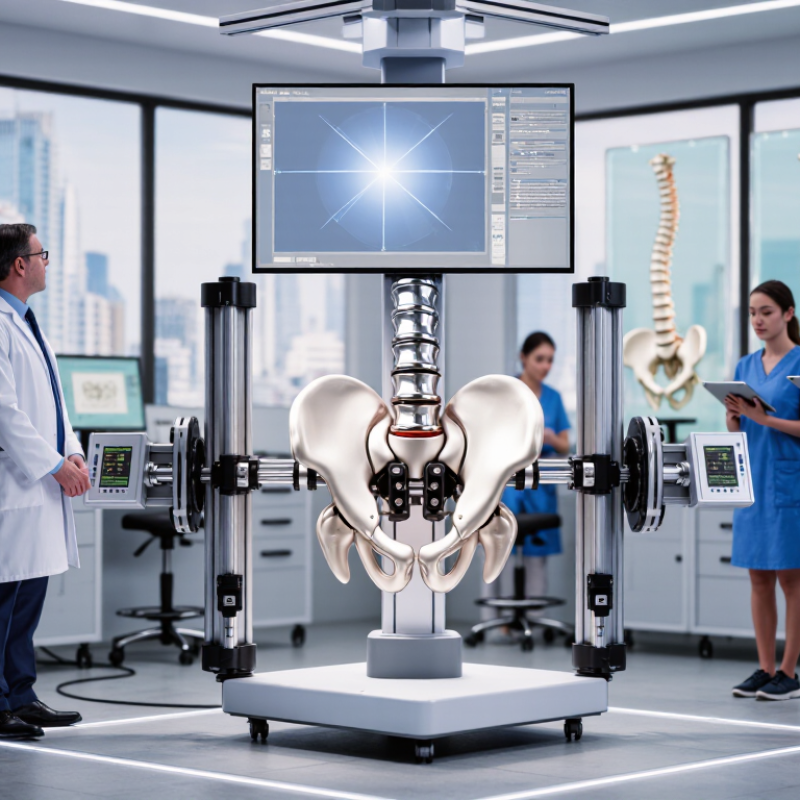
China’s orthopedic implant strength standards cover more than a single load test. They address material strength, fatigue resistance, bending, compression, torsion, and fixation performance. Hip stems, spinal systems, bone plates, and joint components face different mechanical risks. Therefore, each product requires a suitable test method and acceptance criteria.
In practice, reviewers should check the applicable national standards, medical device standards, and current registration guidance. The documents should identify sample dimensions, loading direction, test frequency, cycle count, and failure limits. A spinal screw test may examine pullout force, while a knee component may require repeated flexion testing. Material composition, surface treatment, corrosion resistance, and sterilization effects can also influence strength.
Look closely at the test report.
A reliable report links every result to a defined standard version and calibrated equipment. It should explain rejected samples, unusual fractures, and changes after fatigue testing. A clean table does not always prove dependable performance. Sometimes, the weakest result deserves the most attention. Standards can set measurable boundaries, but they cannot replace clinical judgment or long-term surveillance. Requirements may also change, so old certificates need careful review against current Chinese regulatory documents.
How to Check China Top Orthopedic Implant Strength Standards?
Identifying the correct standard begins with the implant’s intended use, not its product name. A bone screw, spinal cage, trauma plate, and hip component face different mechanical risks. Record the anatomy, fixation method, load direction, material, and reusable or single-use status. These details define the testing route.
For bone screws, review standards covering insertion torque, pullout strength, and torsional performance. Plates usually require bending, fatigue, and construct testing with compatible screws. Spinal cages may need compression, subsidence, and expulsion tests. Spinal fixation systems often require tests on the complete assembly, rather than on one component. Hip and knee components need joint-specific fatigue, wear, fixation, and displacement evaluations.
Do not treat a material standard as a complete strength standard. A metallic material specification confirms composition and properties, but it may not prove implant performance. Check the latest applicable Chinese standard through official regulatory and standard databases. Then compare it with relevant ISO or ASTM methods, when accepted by the project or authority. Confirm the product classification and intended claims before selecting a test.
Small differences matter. A locking plate and a conventional plate may need different setups. Test fixtures should match clinical use as closely as possible. Incomplete product drawings can cause wrong conclusions. That happens.
Keep a written decision record. Include the selected standard, edition, deviations, sample size, loading parameters, and acceptance criteria. An independent laboratory can review the protocol before testing, but its report cannot replace the manufacturer’s technical judgment.
| Implant Type | Primary Strength Concern | Applicable Chinese Standard Route | Typical Mechanical Tests | Key Measurements | How to Select the Standard |
|---|---|---|---|---|---|
| Hip joint prostheses | Fatigue fracture of the femoral stem, loosening or deformation of the acetabular component, and wear-related loss of mechanical function. |
YY/T 0809 series Hip joint prostheses; China’s industry-standard series corresponding to the ISO 7206 series. YY/T 0640-2016 Non-active surgical implants – General requirements. |
Stem fatigue testing under cyclic axial loading
Acetabular component deformation or loosening assessment
Head-neck connection and modular junction testing, where applicable
Wear testing for the intended bearing combination
|
Fatigue survival, permanent deformation, fracture mode, wear rate, and evidence of fixation integrity. | Use the relevant YY/T 0809 part according to component type, stem geometry, and intended hip replacement configuration. |
| Knee joint prostheses | Fatigue resistance of femoral and tibial components, polyethylene insert durability, and resistance to wear or delamination. |
YY/T 0920 series Knee joint prostheses; used with the applicable product-specific mechanical requirements and test methods. YY/T 0640-2016 General requirements for non-active surgical implants. |
Cyclic flexion-extension and load testing
Tibial tray and femoral component fatigue testing
Insert wear and deformation testing
Patellofemoral component testing, where applicable
|
Cyclic durability, component deformation, wear volume, surface damage, and structural failure. | Select the requirements according to total knee, unicompartmental knee, or other specified knee configuration. |
| Spinal fixation systems | Pull-out, fatigue, bending, torsional, and junction strength of screws, rods, plates, hooks, connectors, and assembled constructs. |
YY/T 0119 series Spinal implants; applicable parts cover mechanical performance of spinal implant components and systems. YY/T 0640-2016 General requirements for non-active surgical implants. |
Static compression-bending testing
Compression-bending fatigue testing
Screw insertion, pull-out, and toggling tests
Rod, connector, and locking-interface testing
|
Yield load, ultimate load, stiffness, fatigue cycles to failure, pull-out force, and failure location. | Identify the standard by system design: posterior fixation, anterior fixation, cervical system, or other spinal construct. |
| Intervertebral disc prostheses | Axial compression, bending, torsion, subsidence, wear, migration, and fatigue performance of the complete disc replacement system. |
YY/T 0859 series Spinal implants and intervertebral disc replacement systems; use the applicable product-specific part where available. YY/T 0640-2016 General requirements for non-active surgical implants. |
Static and fatigue compression testing
Flexion-extension and lateral-bending testing
Torsion and range-of-motion assessment
Subsidence, migration, and wear evaluation
|
Range of motion, stiffness, permanent deformation, fatigue survival, wear debris, and subsidence resistance. | Apply the standard to the complete assembled device, including endplates, core, fixation features, and intended motion design. |
| Trauma bone plates | Bending strength, bending fatigue, screw-hole integrity, and resistance to deformation during fracture fixation. |
YY/T 0342 series Metallic bone screws and related mechanical performance requirements, used together with the applicable bone-plate product requirements. YY/T 0640-2016 General requirements for non-active surgical implants. |
Four-point or three-point bending tests, as specified by the product design
Bending fatigue testing
Screw-hole and locking-interface testing
Plate-screw construct testing
|
Bending stiffness, bending strength, cycles to failure, permanent deformation, and hole or interface failure. | Match the method to the plate geometry, locking or non-locking design, anatomical site, and intended fracture indication. |
| Bone screws | Insertion strength, torsional resistance, pull-out performance, fatigue strength, and integrity of the head–shaft or locking interface. |
YY/T 0342 series Metallic bone screws for surgical implants and mechanical performance test methods. YY/T 0640-2016 General requirements for non-active surgical implants. |
Insertion and driving torque testing
Torsional strength testing
Pull-out testing in representative bone substitute
Fatigue testing for the screw or screw-plate construct
|
Insertion torque, maximum torque, pull-out force, torsional failure angle, and fatigue life. | Select the method according to cortical or cancellous use, self-tapping design, locking function, and screw diameter. |
| Intramedullary nails | Bending, torsional, fatigue, locking-hole, and interlocking-screw performance under simulated fracture fixation loads. |
YY/T 0727 series Intramedullary fixation devices; apply the relevant product-specific mechanical requirements and test methods. YY/T 0640-2016 General requirements for non-active surgical implants. |
Four-point bending strength and fatigue
Torsional strength and fatigue
Locking-hole and interlocking-screw testing
Complete nail-construct testing
|
Bending stiffness, torsional stiffness, ultimate load, fatigue cycles, hole deformation, and fracture location. | Identify the standard according to femoral, tibial, humeral, or other anatomical application and nail configuration. |
| Bone staples and wires | Tensile, bending, torsional, and fatigue resistance, together with resistance to migration or loss of fixation. |
YY/T 0640-2016 General requirements for non-active surgical implants. Use the applicable product-specific YY/T standard where one exists; otherwise, establish a justified mechanical test specification based on intended use and risk analysis. |
Tensile and pull-out testing
Bending or spring-force testing
Fatigue testing of the fixation construct
Migration and deployment-function assessment
|
Retention force, spring force, bending load, permanent deformation, fatigue survival, and migration resistance. | Use the implant’s fixation mechanism and anatomical load environment to define the test configuration. |
| Bone cement and cemented fixation | Compressive, bending, fatigue, setting, and interface performance of the cement used for implant fixation. |
YY/T 0459 series Bone cement for surgical applications; mechanical and physicochemical requirements are evaluated according to the applicable part. YY/T 0640-2016 General requirements for non-active surgical implants, where relevant to the implant system. |
Compressive strength and modulus testing
Bending strength and bending modulus testing
Fatigue testing
Setting-time, residual-monomer, and handling-property evaluation
|
Compressive strength, bending strength, modulus, setting time, porosity, fatigue behavior, and handling characteristics. | Apply the cement standard to the cement material and assess the cemented implant construct separately when required. |
| Metallic implant materials | Material strength, fatigue resistance, corrosion resistance, chemical composition, microstructure, and suitability for manufacturing implants. |
GB/T 13810-2017 Wrought titanium and titanium alloy for surgical implants. YY/T 0662 series Metallic materials for surgical implants and related test requirements, where applicable. |
Tensile strength and elongation testing
Hardness and metallographic examination
Fatigue and fracture-toughness evaluation when required
Chemical composition and corrosion-related testing
|
Yield strength, ultimate tensile strength, elongation, hardness, composition, microstructure, and corrosion performance. | Select the material standard according to alloy, product form, manufacturing route, and whether the material is wrought, cast, or additively manufactured. |
| Important standard-selection note: The applicable Chinese standard is determined by the implant’s intended use, anatomical location, component configuration, material, fixation method, and claimed performance. The standards listed above are representative routes for mechanical-strength evaluation. Before testing or regulatory submission, confirm the latest effective edition, applicability, mandatory status, and any product-specific requirements in the official Chinese standards and National Medical Products Administration databases. | |||||
Official strength requirements should be checked through Chinese government sources, not marketing pages. Start with the National Medical Products Administration database and the national standards information platform. Search by implant type, material, intended use, and testing purpose. Relevant documents may include mandatory GB standards, recommended YY standards, and adopted ISO methods.
Read the product technical requirements carefully. They often define yield strength, fatigue life, deformation limits, torque, or pull-out force. Hip components may require fatigue and wear testing. Spinal implants may need compression, bending, torsion, and subsidence tests. Bone screws often require insertion torque and pull-out testing. The exact method depends on design and anatomy.
Check the latest edition and confirm whether a standard remains effective. Then compare specimen size, loading frequency, fixture design, test environment, and acceptance criteria. Small differences can change the result.
Testing should use calibrated equipment, traceable measurements, and documented sample preparation.
A practical review should also examine raw data, not only the final report. One weakness in many checks is assuming an ISO reference automatically satisfies Chinese registration needs. It may not.
The local technical requirements and registration guidance still need careful review. Temperature, corrosion exposure, and sterilization effects can also be overlooked. That deserves another check.
How to Check China Top Orthopedic Implant Strength Standards?
Reviewing orthopedic implant test results requires more than checking a passing number. Start with the exact product model, material grade, dimensions, and test configuration. Confirm that the report cites applicable Chinese national or medical device industry standards. Requirements may differ for plates, screws, spinal systems, joint components, and other implants.
Check whether the laboratory used validated methods and controlled equipment. Look for calibration dates, sample conditioning, loading speed, fixture drawings, and environmental conditions. Fatigue results should state cycle counts, load levels, failure locations, and rejected samples. Static strength results need clear units, averages, variation, and acceptance limits. A result marked “qualified” is not enough.
Traceability matters. Each specimen should link to a batch, manufacturing record, and preparation log. Compare the reported criteria with current NMPA registration documents and relevant Chinese standards, such as material, biological evaluation, and mechanical testing requirements. Do not assume an international report automatically satisfies Chinese review expectations.
Small details can change the conclusion. A newton-millimeter error can distort torque results. Missing sterilization conditions may weaken an otherwise strong report. Reviewers should question unusually perfect data, especially when raw curves are absent. The process is not flawless. Human transcription mistakes happen. Record every discrepancy, request clarification, and retain the original evidence before accepting the result.
Hip stem endurance review against the Chinese reference criterion in YY/T 0809.4-2018, which adopts the ISO 7206-4 test method. The reference requirement is no fracture before 5,000,000 cycles.
Review method: compare each verified laboratory result with the 5,000,000-cycle endurance criterion and confirm that no fracture or other defined failure occurred. The specimen values shown are demonstration review data and must be replaced with results from the applicable accredited test report.
When checking China’s top orthopedic implant strength standards, verify the certification trail before reviewing impressive test data. In practical supplier audits, a certificate can look convincing and still answer the wrong question. Check the NMPA registration certificate, product name, model, intended use, and legal manufacturer. The details must match the implant and packaging exactly. Small differences matter.
Confirm the certificate through the issuing authority’s public database or an official verification channel. Review its validity period, registration scope, and manufacturing address. Do not rely on a scanned document alone. Ask for the quality management certificate, such as ISO 13485, and confirm whether it covers orthopedic implants rather than unrelated medical devices. Request recent audit records, corrective-action reports, and evidence of continued production control.
Manufacturer records should connect each implant to a traceable lot number. Review material certificates, dimensional inspection sheets, sterilization records, and mechanical test reports. The test method should reference the applicable Chinese standard, international standard, or approved technical requirement. Check sample size, loading conditions, failure results, and laboratory accreditation. A strength report without these details is weak evidence. Very weak. Contact the laboratory independently when possible. Also compare the registration holder with the actual factory, because they may differ. This distinction is often missed. I would record every discrepancy, even an unclear translation, then request written clarification before accepting the supplier’s claims.
They may cover material strength, fatigue, bending, compression, torsion, and fixation performance. Different implants face different mechanical risks.
Start with intended use, anatomy, fixation method, material, load direction, and single-use status. The product name alone is insufficient.
Bone screws may require insertion torque, pullout strength, and torsional testing. Thread design and bone-like test materials can affect results.
Plates commonly require bending, fatigue, and complete construct testing with compatible screws. A locking plate may need a different setup.
Spinal cages may require compression, subsidence, and expulsion tests. Fixation systems often need testing as a complete assembly.
Material data confirms composition and basic properties. It does not prove the finished implant can withstand clinical loading.
The report should identify the standard edition, sample dimensions, loading direction, frequency, cycle count, equipment calibration, and failure limits. Rejected samples deserve attention.
Review changes before and after repeated loading, including cracks, deformation, and fixation loss. A clean table can still hide the weakest result.
Not automatically. Compare international methods only after checking current Chinese regulatory documents and the product’s intended claims.
Keep the chosen standard, edition, deviations, sample size, loading parameters, and acceptance criteria. The decision may still need later revision.
China’s orthopedic implant strength standards define the mechanical performance, safety, durability, and testing expectations that different implant categories must satisfy. These requirements may vary according to the implant’s design, intended anatomical location, materials, and clinical use. To determine the applicable standard, manufacturers and reviewers should first classify the product accurately, then consult the relevant official Chinese standard, guidance document, or technical review requirement. These sources normally specify test conditions, sample preparation, loading methods, acceptance criteria, and reporting requirements.
To understand how to check if orthopedic implants meet the required strength standards, compare the product’s test reports with every applicable criterion, including fatigue resistance, static strength, wear performance, and structural integrity where relevant. Review whether testing was conducted using recognized methods and whether the results are complete, traceable, and supported by quality records. Certification documents, registration information, manufacturing licenses, inspection reports, and quality-management records should also be verified for consistency. A careful review of both technical evidence and manufacturer documentation helps confirm whether the implant meets China’s applicable compliance expectations.

Daher Orthopedic Implants