Importing orthopedic implants involves various costs that can significantly impact healthcare budgets. Understanding how to calculate the total cost of importing orthopedic implants is essential for healthcare providers and supply chain managers. This process requires considering multiple factors. First, there are the purchase prices of the implants themselves. Prices can vary widely depending on the manufacturer and the type of implant.
Additionally, logistics play a crucial role. Shipping fees, customs duties, and handling charges can add up quickly. For example, a single shipment may incur several hundred dollars in additional costs. These elements can influence overall expenditure.
Moreover, it is important to factor in potential delays or issues during the import process. Such complications can lead to unexpected expenses. This highlights the importance of thorough planning and precise calculations. Accuracy in calculating these costs can help organizations make informed decisions. Ultimately, understanding how to calculate the total cost of importing orthopedic implants will enhance financial management in the healthcare sector.
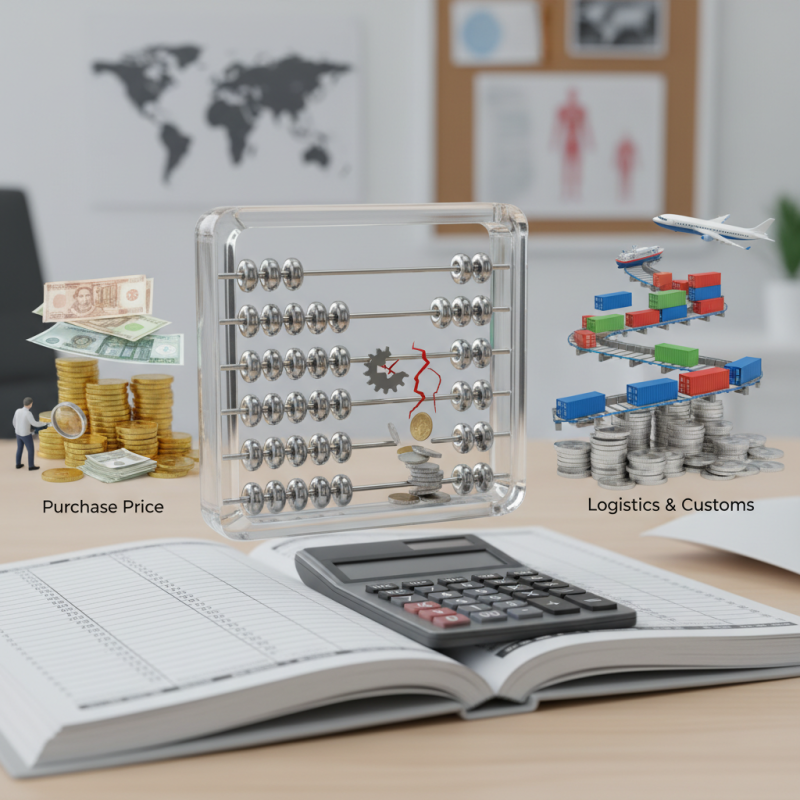
Understanding the components involved in importing orthopedic implants is crucial for accurate cost calculation. Typically, several factors influence the total cost. Firstly, direct expenses include product purchase price, shipping fees, and customs duties. According to industry reports, shipping costs can reach approximately 20% to 30% of the product price, depending on the origin and urgency.
Additionally, there are indirect costs to consider. These may involve warehousing, insurance, and regulatory compliance fees. For instance, compliance with medical device regulations can range from $5,000 to over $50,000, contingent upon the market. Many importers underestimate these expenses, leading to budget overruns.
Another aspect involves currency fluctuations. The exchange rate can affect the overall cost significantly. A 10% change in value may alter the spending by thousands of dollars. This unpredictability calls for a robust financial strategy. Importers should account for all these elements to avoid unexpected financial shortfalls.
: Direct costs include purchase price, shipping fees, and customs duties. Shipping can be 20% to 30% of the product’s price.
Yes, indirect costs include warehousing, insurance, and regulatory compliance fees. These can often be underestimated.
Currency changes can significantly affect overall expenses. A 10% shift might result in thousands of dollars in extra costs.
Base prices vary widely. Research local suppliers. Consider shipping, taxes, and import duties for a full cost picture.
Compliance ensures smooth importation and avoids delays. It can save on potential fines and improve budgeting accuracy.
Create a detailed budget including all expenses. Be aware of hidden charges from suppliers to prevent overspending.
Import duties can vary, typically ranging from 0% to 20%. Taxes like VAT also impact overall pricing strategies significantly.
Many underestimate compliance costs. This can lead to serious budget overruns and unexpected financial issues.
Consulting experts or using software tools can help. However, these solutions come with additional costs to consider.
Regularly reviewing and updating information is crucial. Errors can lead to delays and fines that affect the bottom line.
When exploring how to calculate the total cost of importing orthopedic implants, it is essential to understand the various components involved in the process. This starts with determining the cost of the implants in the source country, which can vary based on factors such as manufacturing expenses and local market conditions.
Once the base cost is established, import duties and taxes specific to orthopedic implants must be calculated, as they can significantly impact the overall expense. Additionally, estimates for shipping and handling costs should be considered, factoring in logistics and transport conditions. Finally, potential extra costs like insurance and customs fees will provide a complete picture of the financial commitment required for importing these medical devices. Through a comprehensive evaluation of these factors, one can accurately assess the total cost of importing orthopedic implants.

 Daher Orthopedic Implants