Choosing the right orthopedic implants for spinal fusion procedures is crucial for patient outcomes. Dr. John Smith, a renowned orthopedic surgeon, emphasized, "The right implant can make all the difference in recovery." His insights highlight the complexity of this decision.
When asking how to choose orthopedic implants for spinal fusion procedures, various factors come into play. Each patient's anatomy is unique. Surgeons must assess the specific needs of the patient. This includes the type of spinal condition and overall health. Not all implants are created equal. Materials, designs, and compatibility with the patient's body matter greatly.
Flawed choices can lead to complications. A wrong implant may cause pain or lead to further surgeries. Rigor in evaluating data and seeking expert opinions is essential. Implants should be reliable, tested, and proven effective. Engaging in extensive research and consultation is crucial for making informed decisions. Understanding these elements is vital for achieving successful outcomes in spinal fusion.
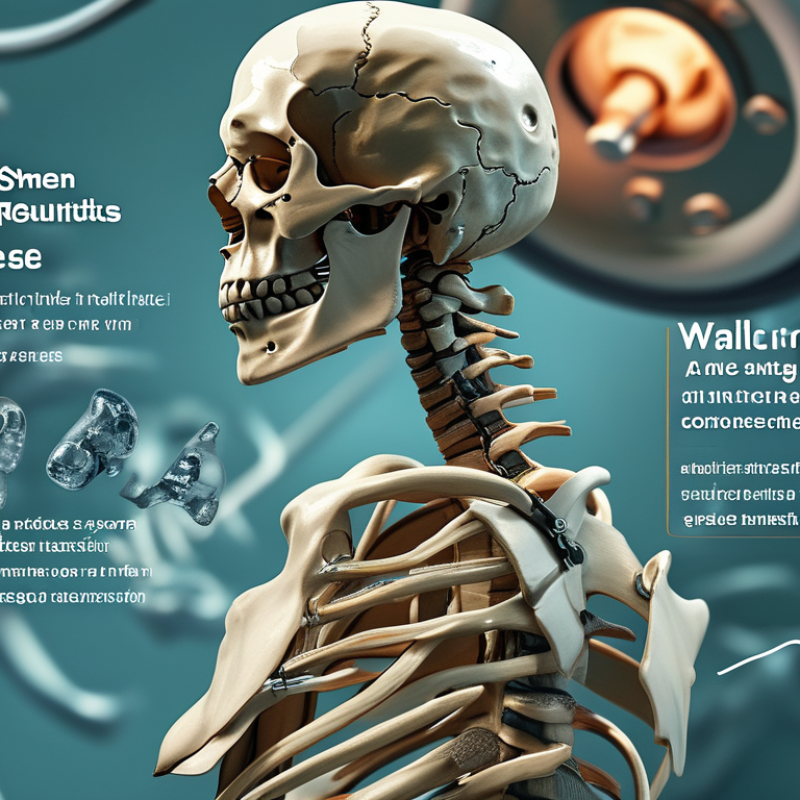
Spinal fusion is a surgical procedure aimed at alleviating pain and restoring stability to the spine. This process involves joining two or more vertebrae together. Orthopedic implants play a crucial role in this operation. They provide the necessary support for the spine to heal properly. Research shows that over 450,000 spinal fusion procedures are performed each year in the United States alone, highlighting the importance of effective implant choices.
When selecting orthopedic implants, surgeons must consider various factors. The patient's age, activity level, and specific condition are all critical. Biomechanical properties of the implants are equally vital. A study published in the Journal of Spinal Disorders & Techniques reported that implants with superior tensile strength led to better outcomes in recovery rates. However, the misuse of implants can sometimes lead to complications, such as nonunion or implant failure, necessitating further surgical intervention.
Implant materials also warrant attention. Titanium and PEEK (polyether ether ketone) are common choices. Titanium is favored for its strength and biocompatibility. PEEK offers flexibility and reduced stress shielding. Each material has its pros and cons. It's essential to reflect on patient-specific needs before choosing. As the field of spinal implants evolves, ongoing research will continue to refine these options, addressing both efficacy and patient safety.
| Implant Type | Material | Average Cost (USD) | Recommended Use | Success Rate (%) |
|---|---|---|---|---|
| Pedicle Screws | Titanium Alloy | $1,500 | Lower Back Fusion | 98% |
| Interbody Cages | PEEK | $2,000 | Lumbar Fusion | 95% |
| Rods | Titanium | $1,200 | Spinal Deformity Correction | 97% |
| Bone Graft Substitutes | Allograft | $500 | Bone Fusion Enhancement | 90% |
| Surgical Instruments | Stainless Steel | $3,000 | Procedure Execution | N/A |
Selecting the right orthopedic implants for spinal fusion is crucial. Various types of implants play specific roles in ensuring stability and promoting healing. The most common types include rods, screws, and cages. These devices are designed to support the spine during recovery. Recent industry reports indicate that the global spinal implant market is projected to reach approximately $21 billion by 2026. This growth highlights the increasing reliance on these essential medical devices.
Rods are typically used to connect adjacent vertebrae. They provide alignment and support to the spine. Screws, strategically placed into the bone, secure the rods and help maintain the correct position. Cages, often filled with bone graft material, facilitate bone growth between the vertebrae. Studies suggest that cages can enhance fusion rates, but their effectiveness varies. Approximately 15-30% of patients may experience inadequate bone growth, leading to surgical revisions.
Choosing the appropriate implant depends on specific patient needs and conditions. The surgeon's experience and the implant's design significantly influence outcomes. However, challenges persist. Some patients may develop complications, such as infection or hardware failure. It's essential to engage in thorough discussions with healthcare professionals about these risks when considering spinal fusion surgery.
Choosing the right orthopedic implants for spinal fusion is crucial. Various factors must be considered to ensure optimal outcomes. Understanding the patient’s anatomy, the type of surgery planned, and the biomechanical properties of the implants are vital. Each patient's needs can differ significantly, impacting implant selection.
Material composition is key. Some implants are made of titanium, while others use stainless steel or polymers. The choice of material affects both the durability and the compatibility with the patient's body. Factors like allergy potential and long-term stability are essential to assess. Understanding these can guide surgeons towards better implant choices.
Surgeons often rely on their experiences in the field. They recommend evaluating previous case outcomes and implant failures. Patients should engage in discussions about their options. This involvement may lead to better-informed choices and realistic expectations. Each interaction with the medical team is essential for building trust. Open dialogue can assist in addressing concerns regarding recovery and implant performance.
When selecting orthopedic implants for spinal fusion, quality and safety are paramount. A recent study indicates that over 40% of patients experience complications due to substandard implant materials. This underscores the necessity of rigorous evaluation processes. For instance, implants made from titanium alloys exhibit superior biocompatibility and mechanical strength, significantly reducing the risk of post-operative infections.
Regulatory bodies have established strict guidelines for orthopedic device manufacturing. However, not all implants meet these criteria. Data from industry reports show that approximately 20% of implants do not undergo sufficient clinical trials before market release. This lack of oversight can lead to adverse outcomes for patients, highlighting the need for thorough research and validation when choosing an implant.
Furthermore, patient feedback plays a crucial role in assessing implant performance. Surveys suggest that nearly 30% of individuals report dissatisfaction with their implants, with many citing discomfort or limited mobility. This feedback underscores a critical reflection point for healthcare providers. It emphasizes the need to prioritize both established clinical evidence and patient experiences in the decision-making process surrounding spinal fusion implants.
The landscape of orthopedic implants for spinal fusion is evolving rapidly. A recent report highlighted that the global market for these implants is expected to exceed $10 billion by 2026, driven by advancements in technology and an aging population. Innovative materials, like bioactive glass and 3D-printed implants, are being utilized. These enhancements promote bone integration while reducing complications post-surgery.
However, challenges remain. Despite technological progress, success rates for spinal fusion procedures fluctuate. According to a study, around 30% of patients do not achieve satisfactory results. Understanding the intricacies of patient diversity is crucial. Not every new implant works for every individual. Age, bone quality, and health conditions play a significant role in outcomes. This prompts further investigation into personalized solutions.
On the horizon, robotic-assisted surgeries are making headway. They promise precision and quicker recovery times. Yet, the high initial costs and the need for specialized training create hurdles. As we explore these trends, the emphasis must remain on informed choices backed by comprehensive data. Ongoing research is vital to ensure that advancements translate into real-world benefits. The future of spinal fusion relies on integrating technology with personalized patient care.
: Patient anatomy, surgery type, and implant biomechanical properties are crucial for selection.
Implants can be titanium, stainless steel, or polymers. Durability and body compatibility depend on the material.
Engaging in discussions helps patients understand options and sets realistic expectations for their treatment.
Innovations like bioactive glass and 3D printing are improving bone integration and reducing complications.
Yes, about 30% of patients face unsatisfactory results, influenced by individual health and bone quality.
They offer precision and quicker recovery, but the high costs and training requirements are barriers.
They should evaluate past case outcomes and be aware of potential implant failures to guide decisions.
Ongoing research ensures advancements provide real benefits and support personalized patient care.
Yes, these factors play a critical role, highlighting the need for personalized treatment strategies.
Absolutely, informed choices based on solid data are essential for successful outcomes in orthopedic procedures.
In the quest to understand how to choose orthopedic implants for spinal fusion procedures, it's essential to first grasp the fundamental concepts of spinal fusion and the critical role that orthopedic implants play in this process. Various types of implants are frequently utilized, including screws, rods, and cages, each serving a specific function to ensure stability and promote healing. When selecting implants, surgeons must consider factors such as the patient's anatomy, the specific condition being treated, and the longevity of the implant.
Additionally, evaluating the quality and safety of these implants is paramount, as it directly affects surgical outcomes. As technology evolves, future trends in orthopedic implants may introduce innovative materials and techniques, enhancing the effectiveness of spinal fusion procedures. Ultimately, a thorough understanding of these elements will empower healthcare professionals to make informed decisions when navigating the complexities of spinal fusion surgeries.

Daher Orthopedic Implants