Clinical-grade surgical instrumentation and trauma fixation systems engineered to match and exceed rigorous European and American surgical standards.

In modern hard-tissue surgery, the clinical demands placed on bone-cutting efficiency and thermal damage control have shifted dramatically. Osteotomy burs represent the pinnacle of rotary cutting tools utilized in orthopedic, craniomaxillofacial (CMF), and spinal surgeries. As global surgical methodologies lean heavily toward minimally invasive surgical (MIS) protocols, the requirements for precise bone resection under restricted visual fields have escalated. Globally, the surgical bur market has transitioned from traditional high-carbon steel materials to highly structured ultra-fine micro-grain tungsten carbide formulations and engineered diamond abrasives, aiming to minimize axial runout and eliminate micro-fractures in surrounding osseous tissues.
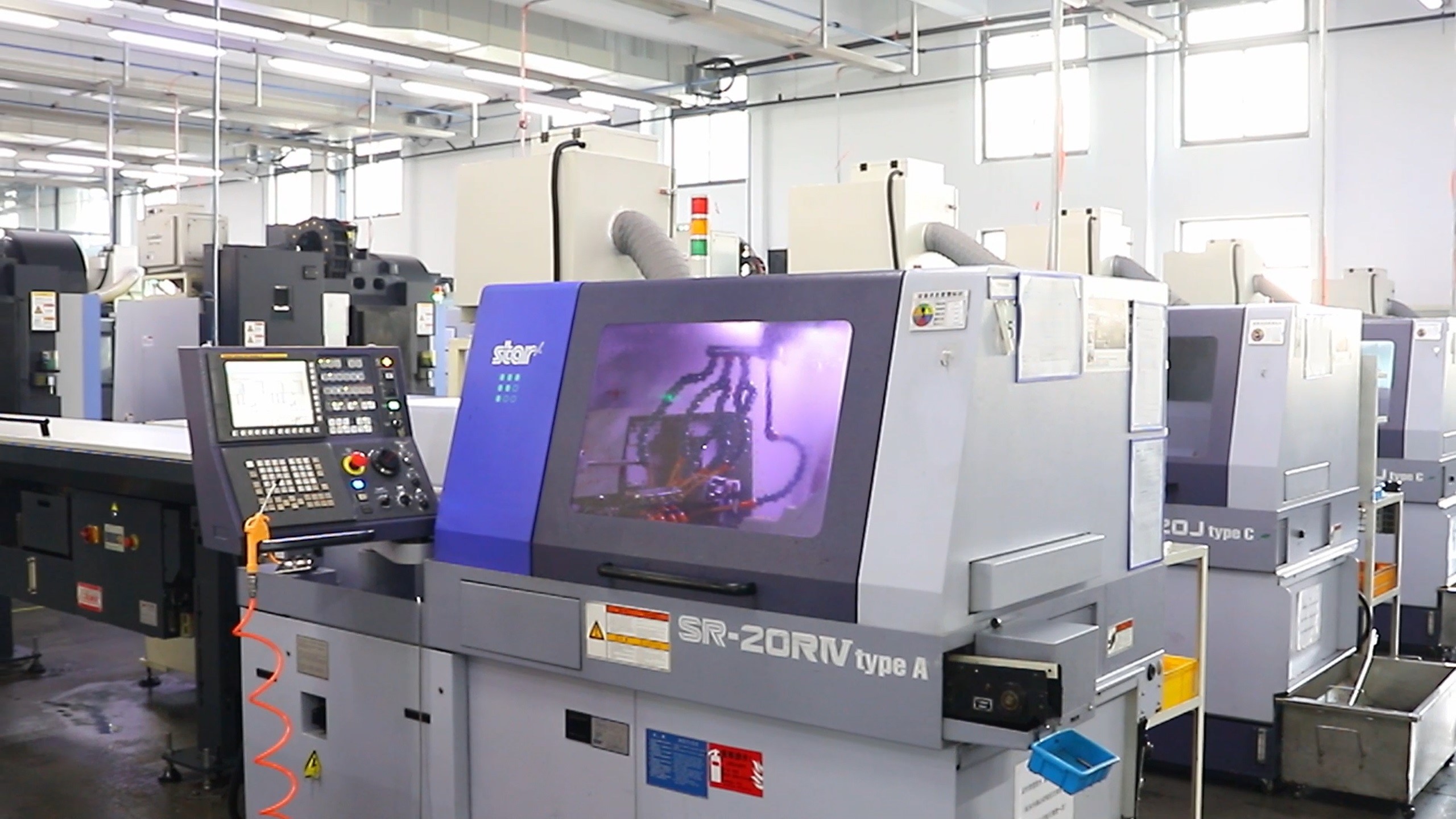
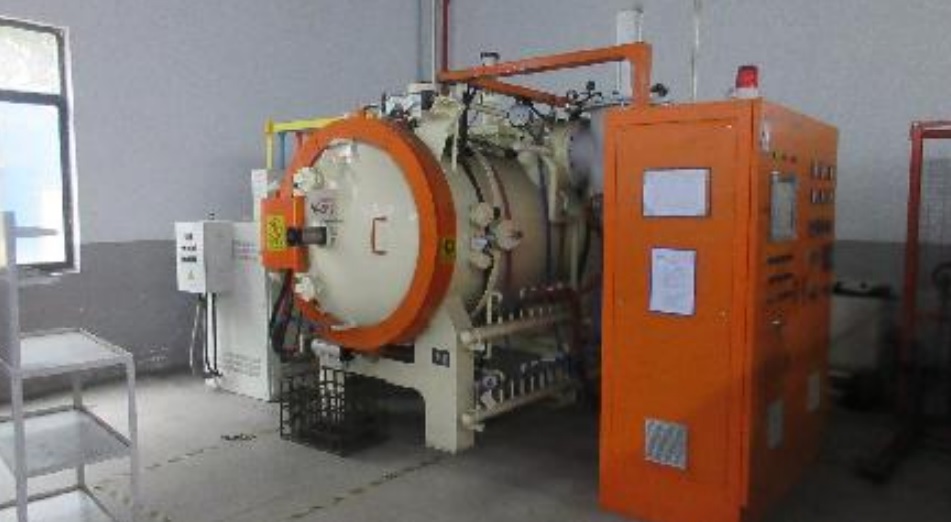
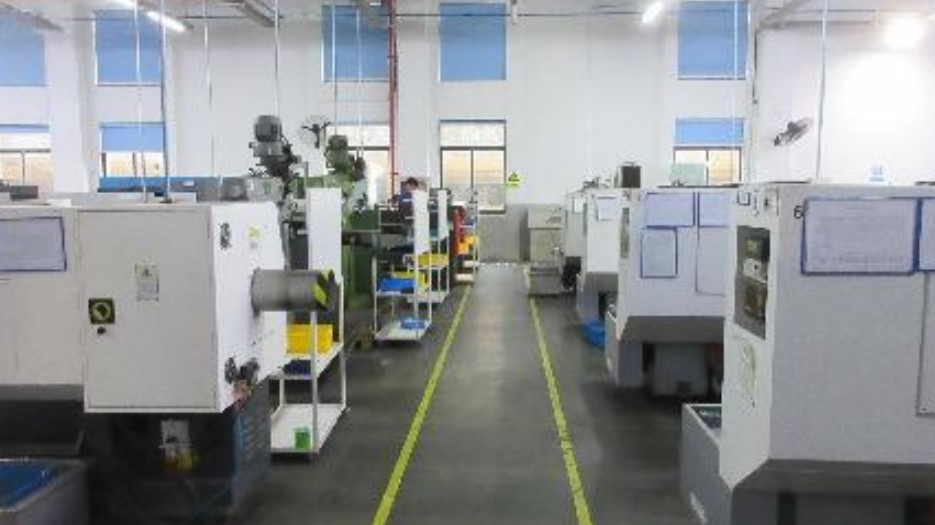
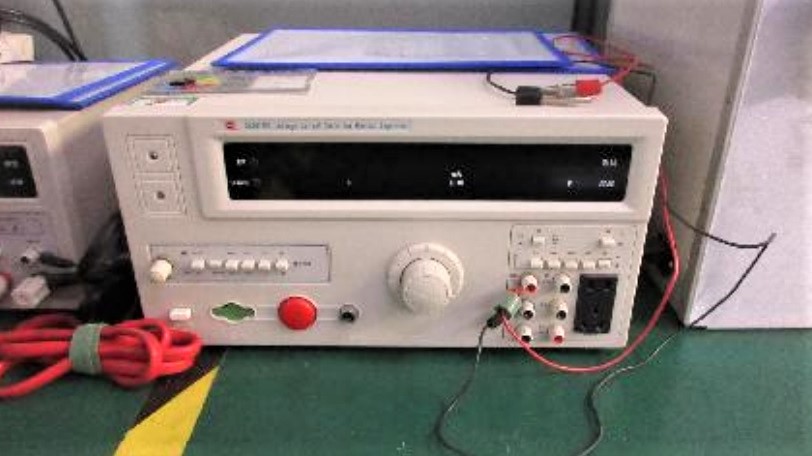
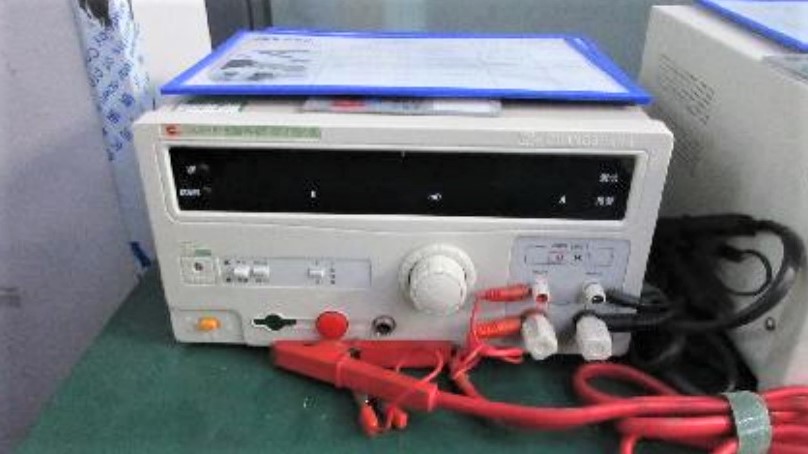
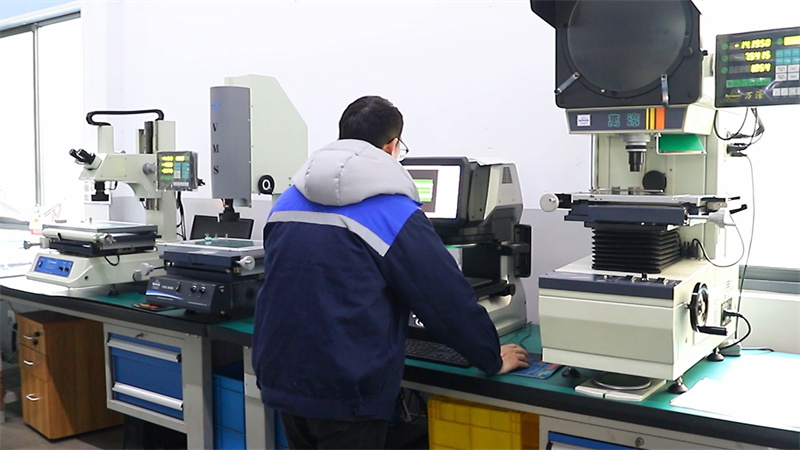
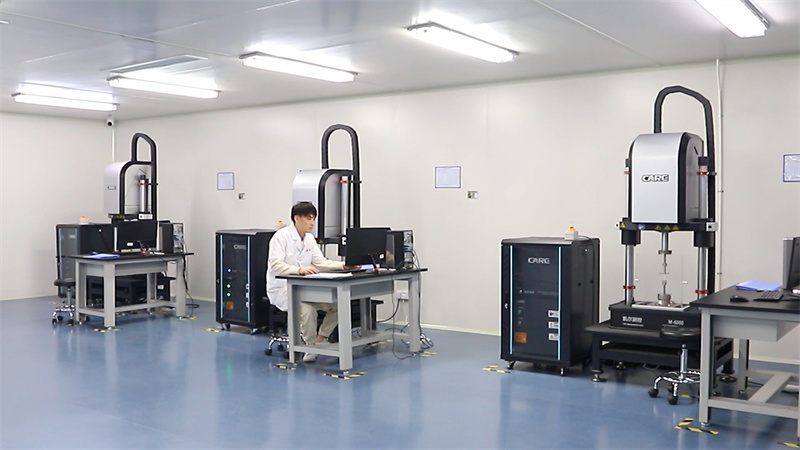
Historically dominated by Central European manufacturers, the supply chain has seen a seismic shift. China has emerged not just as a high-volume assembly hub, but as a top-tier design and technological innovator. Leveraging advanced multi-axis CNC Swiss grinding systems, vacuum tempering furnaces, and rigorous physical property validation systems, top-tier Chinese manufacturers can now deliver surgical burs with sub-micron tolerances. This industrial leap has dramatically lowered high-end tool procurement costs for global OEM brands, hospitals, and distributors while matching or exceeding the biomechanical performance metrics of traditional European suppliers.
Developing a high-performance osteotomy bur requires deep engineering knowledge in metallurgy and cutting physics. Our metallurgical roadmap relies on ultra-fine micro-grain tungsten carbide (WC-Co composite matrices), presenting an optimized balance between extreme hardness (Vickers hardness > 1600 HV) and fracture toughness. This prevents micro-chipping of the bur flutes when encountering dense cortical bones or cortical/cancellous transitions.
The cutting efficiency of a bur is determined by its flute design. Standard round burs, lindemann burs, and twist drills are engineered with distinct helical angles and rake angles:
| Bur Core Material | Vickers Hardness (HV) | Thermal Conductivity | Primary Surgical Application | Flexural Strength |
|---|---|---|---|---|
| Micro-Grain Tungsten Carbide | 1650 - 1800 | High (80 W/m·K) | Cortical Osteotomy & Sectioning | >3000 MPa |
| AISI 440C Stainless Steel | 600 - 650 | Medium (20 W/m·K) | Shaping & Contouring Soft Bone | >1800 MPa |
| Diamond-Coated Composites | >8000 (Coating) | Excellent | Fine Craniofacial Decompression | Depends on Core Steel |
Looking forward, our technology roadmap highlights advanced coatings like physical vapor deposition (PVD) applied Titanium Aluminum Nitride (TiAlN) and diamond-like carbon (DLC) films. These coatings lower friction coefficients, reduce tissue adhesion, and maintain sharp cutting edges for multiple cycles without suffering thermal degradation.
Exploring localized application configurations tailored to meet distinct regional medical requirements and patient biotypes.
In orthognathic surgery, custom-length Lindemann osteotomy burs are required to perform precise Le Fort osteotomies and sagittal split osteotomies. Our specialized long-shank burs minimize tissue retraction, allowing access to posterior bone sites with minimal trauma.
For spinal laminectomy and discectomy procedures, high-speed diamond match head burs (1.5mm - 3mm diameter) are critical. These burs allow surgeons to thin lamina layers safely near the spinal cord, preventing physical or thermal damage to the dura mater.
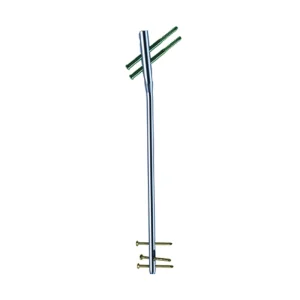
In pediatric orthopedics and joint revision surgeries, surgical burs must interface seamlessly with implant components. For example, prepping bones for locking plates or intramedullary nails requires precise reaming systems and high-torque surgical burs that avoid micro-fracturing of the bone structures.
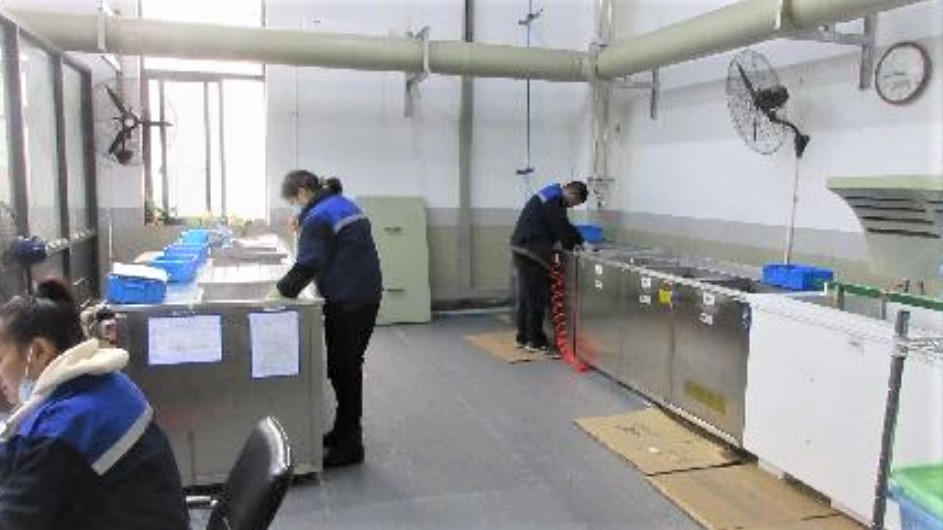
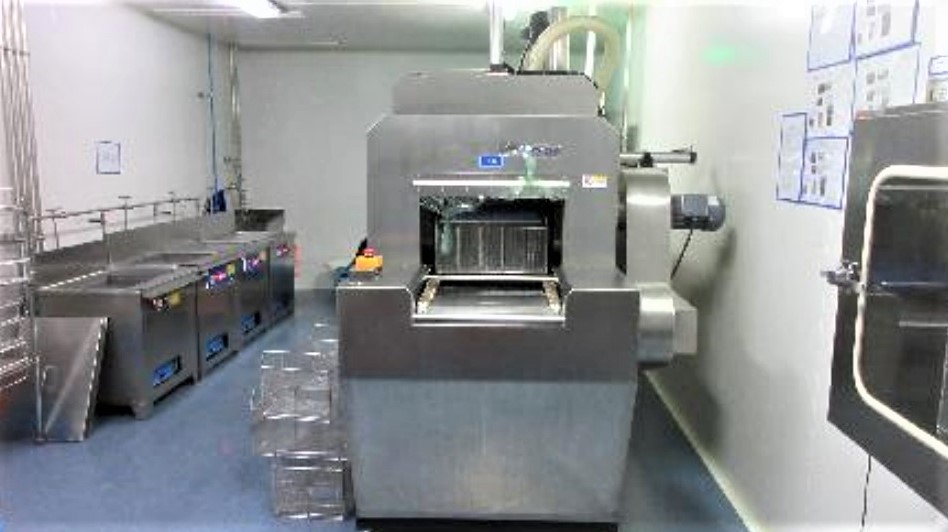
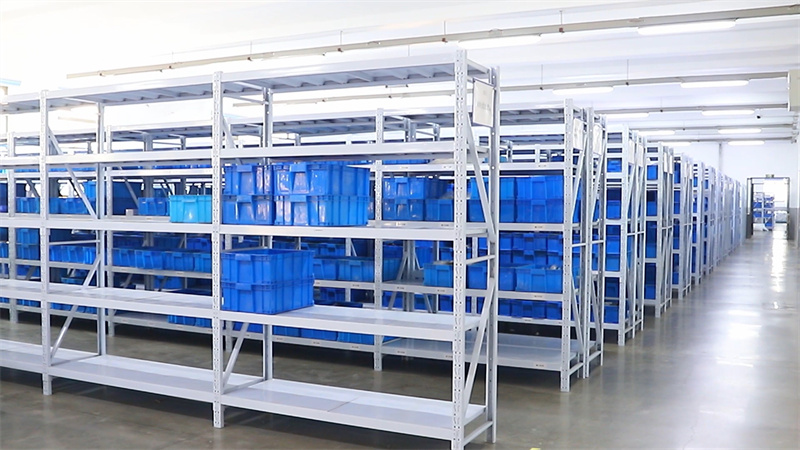
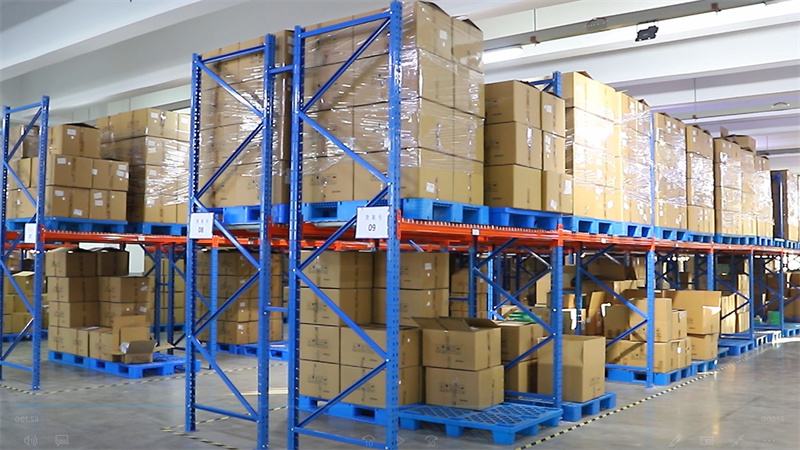
In today's complex global trade environment, supply chain resilience is a critical factor for international buyers. Chinese medical device manufacturers offer unique advantages by integrating vertical supply chains under one roof. Unlike segmented supply chains where materials, machining, surface finishing, and quality control are split across countries, top Chinese manufacturing zones aggregate these processes locally.
From importing premium raw tungsten carbide to operating high-performance CNC machining clusters, vacuum heat treatments, and sterile packaging facilities, every step is closely integrated. This integration translates directly into:
Our commitment: "Quality and integrity first, striving for excellence, and pursuing the highest standards."
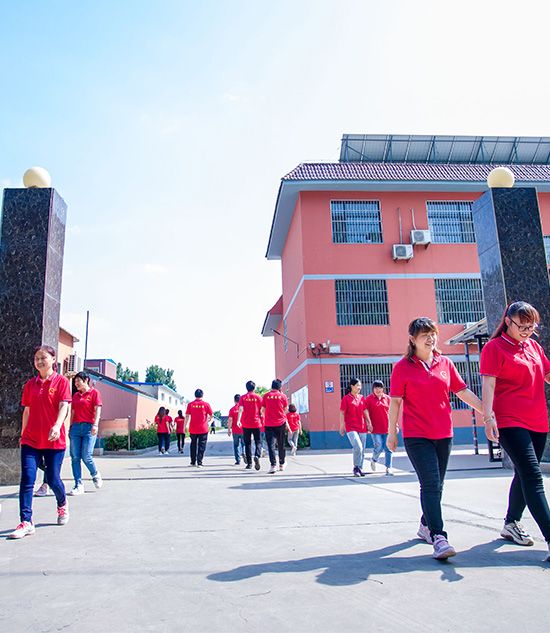
We are dedicated to the research, development, production, and sales of orthopedic implants and tools. In the continuous process of design updates, we strive for excellence, meticulously crafting each product. A professional R&D team and long-term technical exchanges with leading hospital experts ensure that our products function to their fullest potential.
Our factory has passed ISO 9001 and ISO 13485 certifications. Our products exceed all international quality and safety standards, including CE and FDA certifications. For many years, our products have been exported to more than 70 countries and regions in Europe, America, Africa, and Southeast Asia. Our professional team is dedicated to serving every customer. Your trust is the greatest recognition of our service. We will rely on high-quality products and continuously launch new marketable products based on market demand, achieving mutual benefit and win-win results with our customers.
Distributing medical devices across different borders requires meeting strict regulatory standards. We support our global partners through dedicated compliance pipelines:
Comprehensive MDD/MDR Technical Files: Our engineering and QA teams provide complete documentation, including biological evaluation reports (ISO 10993), clinical evaluation updates, and risk analysis dossiers (ISO 14971) to ensure smooth registration under EU MDR and US FDA 510(k) pathways.
Sterilization & Packaging Integration: We offer customizable sterile packaging options (medical-grade Tyvek pouches) validated for both Gamma irradiation and EO (Ethylene Oxide) gas sterilization, complete with chemical indicators and expiration validations. This allows products to transition directly from our facility to hospital surgical trays.
Local Distributor Support: For distributors in Europe, the Americas, and Southeast Asia, we offer localized training, marketing materials, and tailored customization options, helping your team provide timely solutions to hospital bids and surgeon requests.
Expert technical answers to common engineering, clinical, and regulatory questions from distributors and surgical professionals.
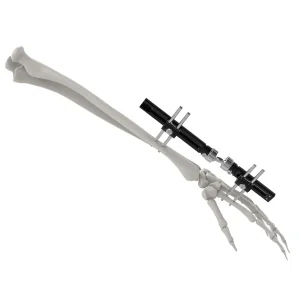
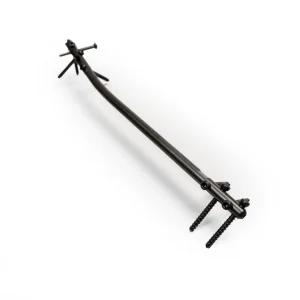
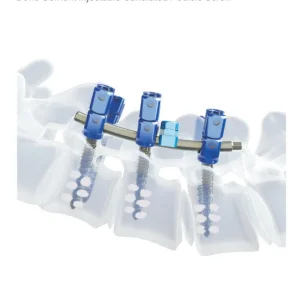
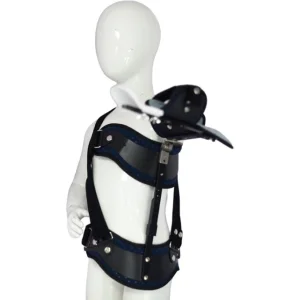
Highly durable orthopedic implants, high-precision spine accessories, and surgical fixation components manufactured to demanding tolerances.
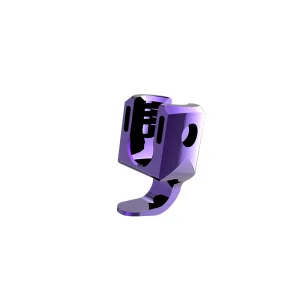
 Daher Orthopedic Implants